






Vintage Glass Silver Centrepiece
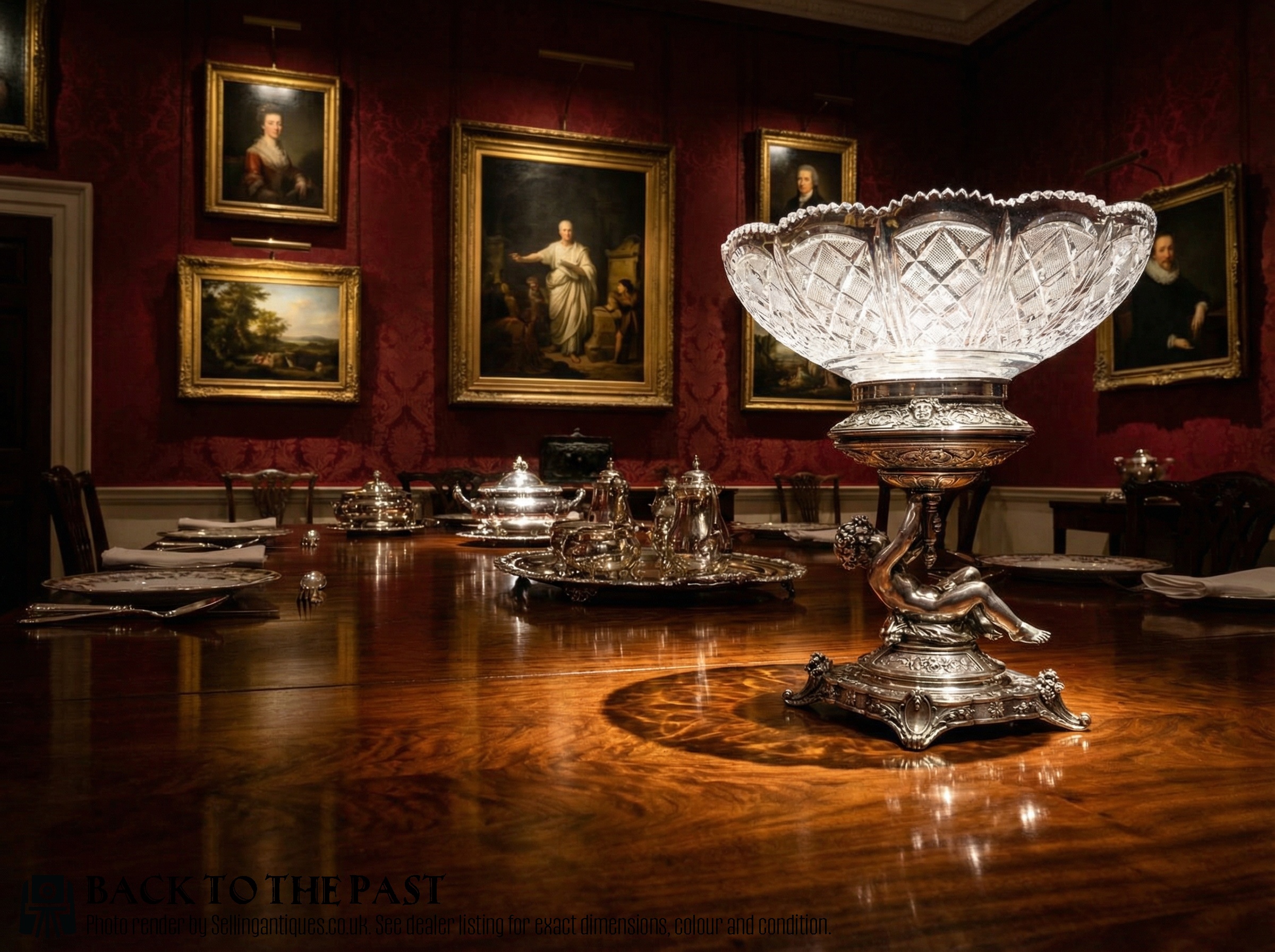
A vintage glass silver centrepiece brings remarkable sparkle to a dining table, combining heavy cut crystal with gleaming metal mounts.
Vintage Glass Silver Centrepiece
A vintage glass silver centrepiece comprises decorative vessels, bowls, and cruet sets designed to sit in the middle of a table. These items span periods from the Georgian era through to the mid-twentieth century.
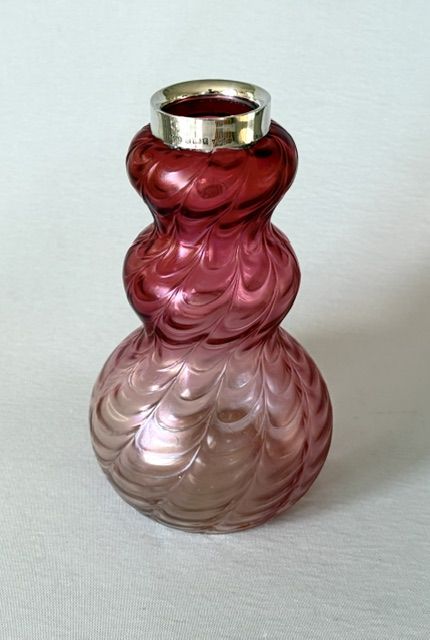
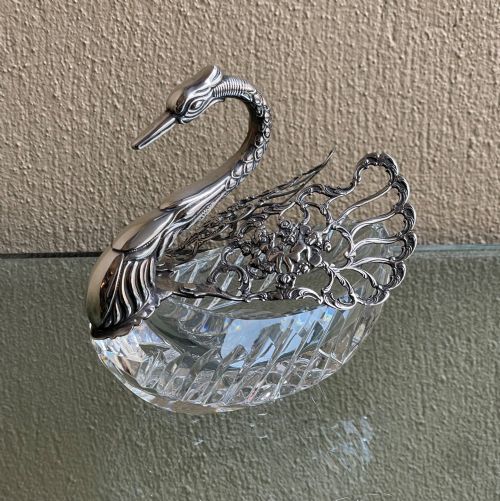
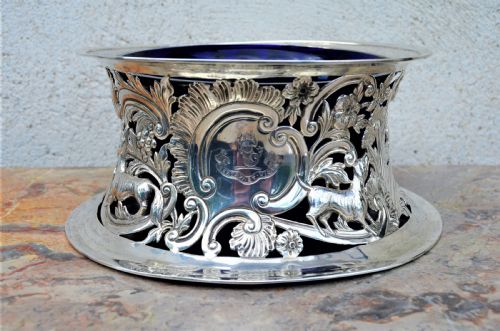
The selections on this page feature cut glass, cobalt glass, and pearlescent vessels secured in silver plate, sterling silver, or 800 silver mountings. Forms range from multi-bottle cruet sets and baskets to candelabras and mirror plateaus.
Edwardian and Victorian examples appear frequently, alongside earlier Georgian iterations and later twentieth-century designs. Buyers often encounter silver-plated frames holding elaborate crystal inserts or coloured glass bowls.
Materials and Construction
Craftsmen shaped glass through blowing and heavy cutting, creating deep facets that catch the light. Coloured elements, particularly cobalt blue and pearlescent glass, received careful thermal treatment during formation.
Metal mountings utilised sterling silver, 800 silver, or a durable silver plate over base metal. Silversmiths cast, chased, and soldered frames to secure the fragile glass components firmly.
Vintage Glass Silver Centrepiece Retail Price Guide 2026
Typical asking prices for vintage glass silver centrepiece among the pieces listed under this phrase on Sellingantiques today, from the lower quarter to the upper quarter. They describe what is for sale here now, not the wider market.
The listings span from the Georgian era through the Edwardian period to the mid-twentieth century, utilising cut glass, sterling silver, and silver plate.
Evaluating Quality
Quality rests heavily on the depth of the glass cutting and the weight of the metal mount. Heavier silver deposits and crisper facet work distinguish superior examples from standard production pieces.
The integrity of the fit between glass insert and metal frame matters significantly. Original matching components hold greater distinction than assembled or replacement elements.
W M F·Wade Wingfield Wilkins
The Vintage Glass Silver Centrepiece Glossary
- Cruet set
- A matched collection of glass bottles mounted in a frame, typically holding condiments for the dining table. These often feature silver-plated or sterling frames with cut glass stoppers.
- Mirror plateau
- A tabletop mirror with a decorative metal border, used as a base for centrepieces to reflect candlelight. The reflective surface traditionally sits on a wooden or felt-backed base.
- Taza
- An elevated shallow bowl or dish mounted on a single stem and foot. This form originates from Renaissance shapes and reappeared in later decorative metalwork.
- Epergne
- A large ornamental centerpiece featuring multiple tiered dishes or baskets branching from a central stem. They frequently combine coloured glass with elaborate metalwork.
- Silver plate
- A thin layer of silver fused to a base metal core through electrolysis or mechanical bonding. This technique offered the appearance of solid silver at a lower cost.
Vintage Glass Silver Centrepiece: Frequently Asked Questions
How were cruet sets used?
Cruet sets held oils, vinegars, and sauces for diners to dispense at the table during meals. They sat centrally so multiple guests could reach the condiments easily.
Over time, dining habits shifted away from complex table cruets, leaving these sets to function primarily as decorative dining room items.
What is an epergne?
An epergne is a branched table ornament holding several small baskets or dishes for fruit or flowers. They served as dramatic focal points for formal Victorian and Edwardian dinners.
Their multi-tiered design allowed hosts to display sweets or blooms at varying heights above the table surface.
How do I clean silver plate?
Clean silver plate gently using a soft cloth and a specialised cream formulated for plated items. Avoid harsh scrubbing that might wear through the thin silver layer to the base metal.
Keep the glass components separate during cleaning to prevent moisture getting trapped between the metal mount and the insert.
How do I date these pieces?
Dating relies on stylistic clues like Art Nouveau curves, Georgian proportions, or Victorian cast decoration. Maker marks and hallmarks stamped into the metal also provide precise manufacturing years or periods.
Glass manufacturing techniques, such as the sharpness of the cutting and the tint of the material, offer further clues to the decade of production.