
19th Century Table Centrepiece
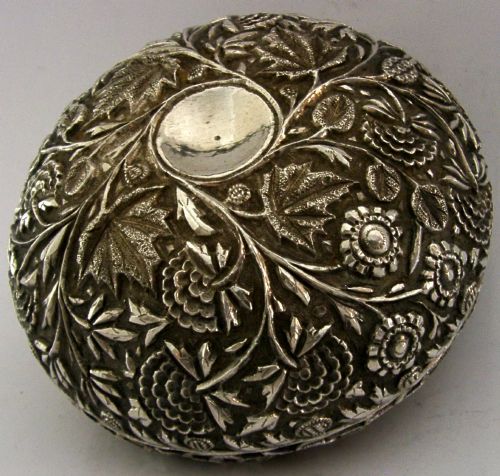
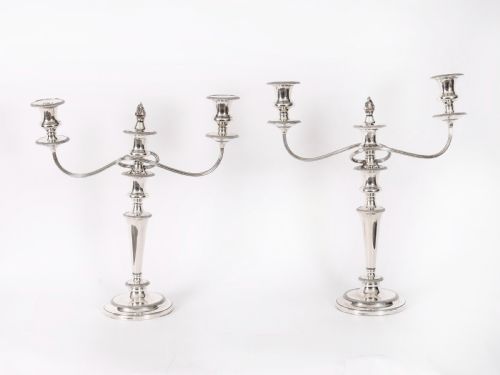
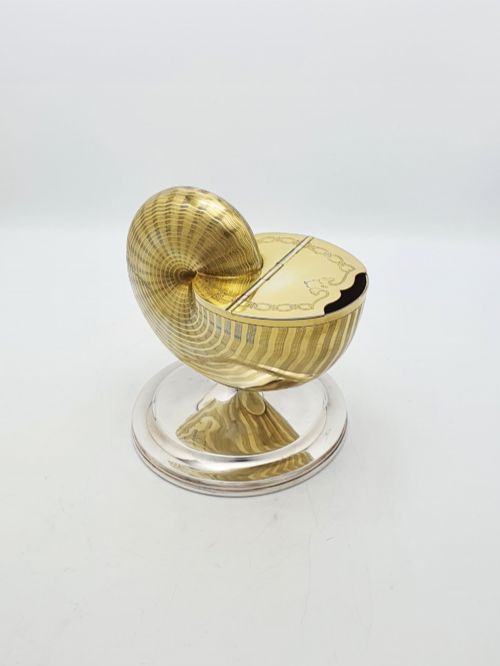
When searching for a 19th century table centrepiece, buyers encounter silver plate, gilt bronze, and porcelain creations designed to anchor a formal dining table.
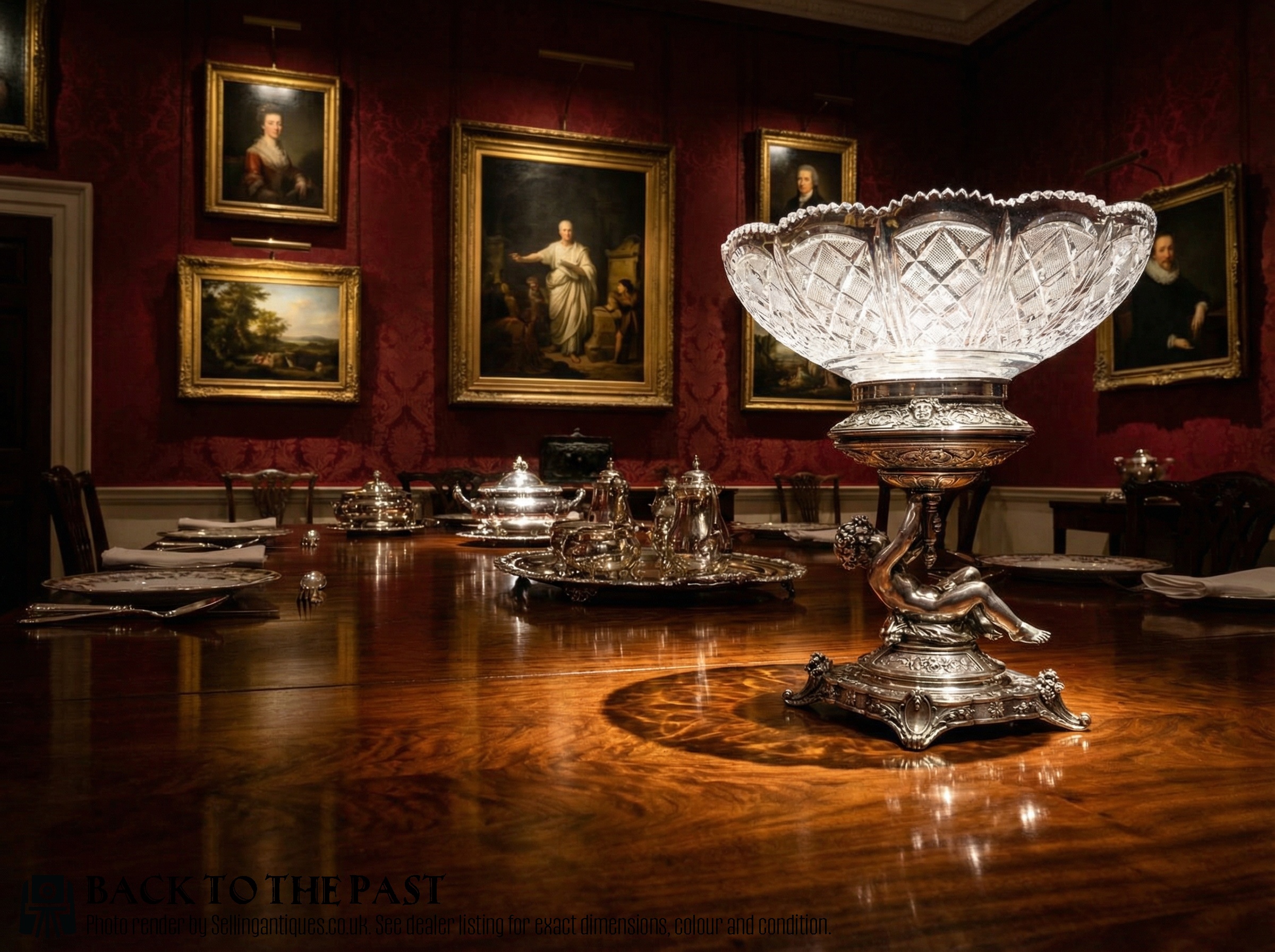
19th Century Table Centrepiece
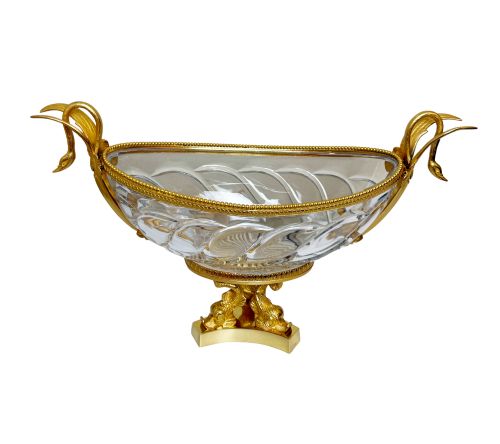
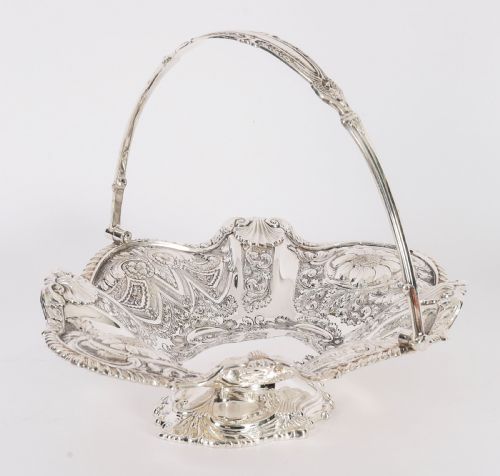
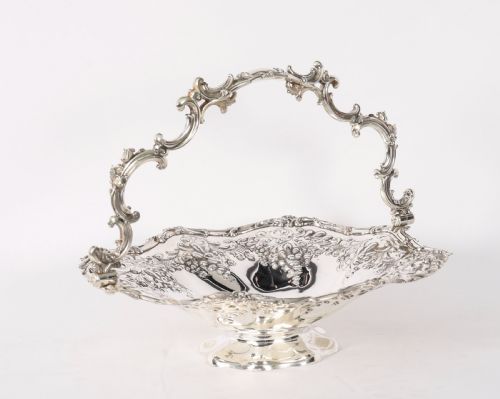
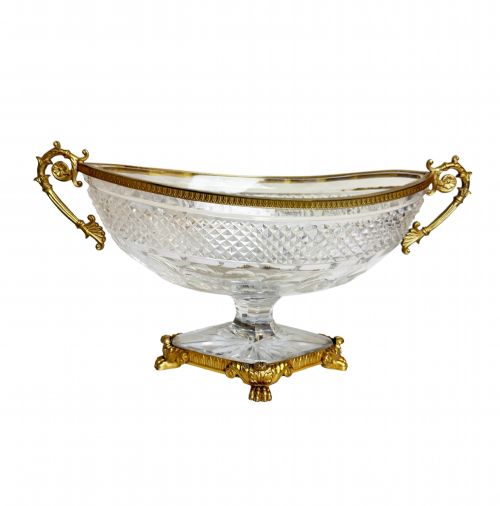
A 19th century table centrepiece serves as the decorative focal point for dining and display surfaces. The selection spans open fruit baskets, glass bowls on ormolu stands, and elaborate epergnes.
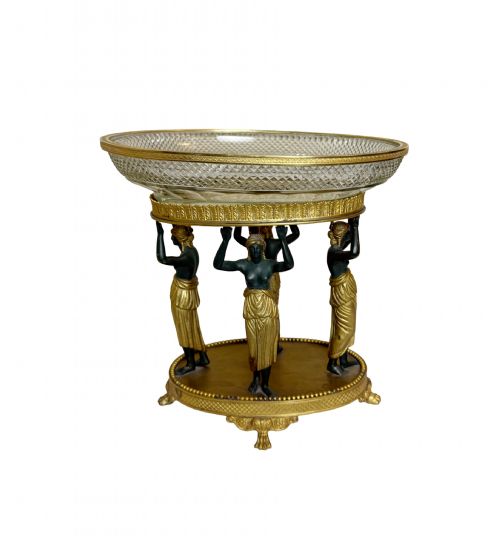
The objects frequently combine functional vessels with sculptural metalwork, including French Empire designs, Victorian silver plate, and Regency porcelain figures. Many surviving examples integrate cut crystal glass with cast bronze or gilt mounts.
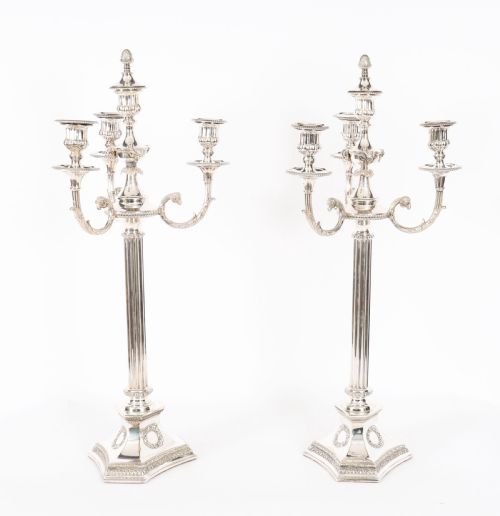
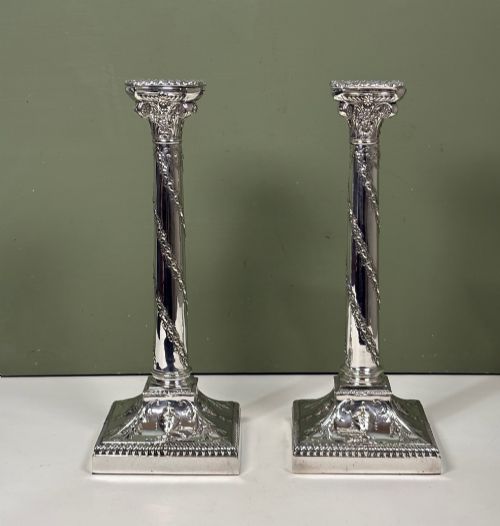
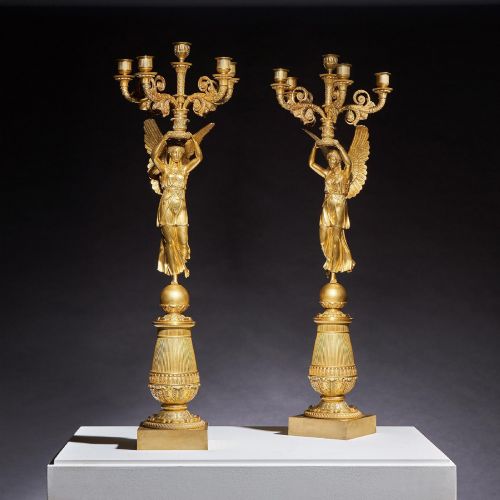
Beyond traditional bowls and tazzas, related forms on this page include candelabra, jardinieres, and rotating lazy susans. These items originate from English, French, German, and Italian workshops across the nineteenth century.
How they were made
Metal components utilise silver plate, brass, copper, and cast ormolu, often paired with hand-painted porcelain or champlevé enamel. Artisans combined foundry casting with chased surface detail and gold leaf application.
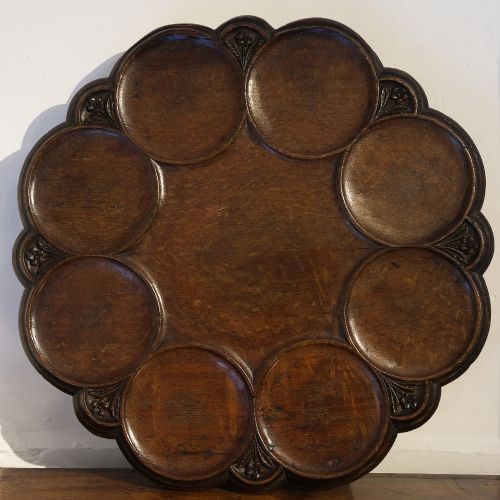
Glass elements rely on cut crystal, engraved and gilded glass, or transfer-printed pottery, frequently manufactured to fit inside metal frames. Wooden items such as mahogany and oak depend on precision turning and carving techniques.
Candelabra and figural centrepieces assemble multiple cast components through hidden pins and screws, requiring exact metalworking to support glass bowls and candle branches.
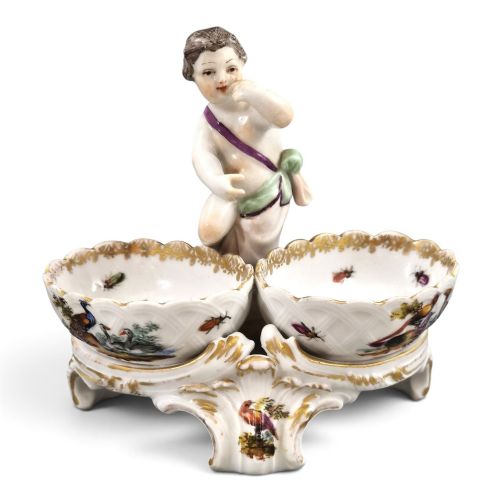
Porcelain elephants and winged cherubs double as candle holders, watching over the dining table with unwavering ceramic vigilance.
What varies in quality
The refinement of the casting and chassure separates standard production from exceptional pieces, visible in the sharpness of figural details and floral motifs. Heavy gauge metals and thick cut crystal indicate superior weight and material choice.
The integrity of the gilding and silver plating dictates visual longevity, with higher grade objects retaining even coverage across intricate undercuts. Maker attribution and the harmony between mixed media, such as marble, bronze, and enamel, elevate the standing of an item.
Pierre Philippe Thomire·Garrard & Co·George W. Scott & Sons Ltd·KPM Berlin
The 19th Century Table Centrepiece Glossary
- Ormolu
- Gilt bronze produced by applying a mercury and gold amalgam to cast bronze before heating. This technique creates a durable golden finish seen on French decorative objects.
- Epergne
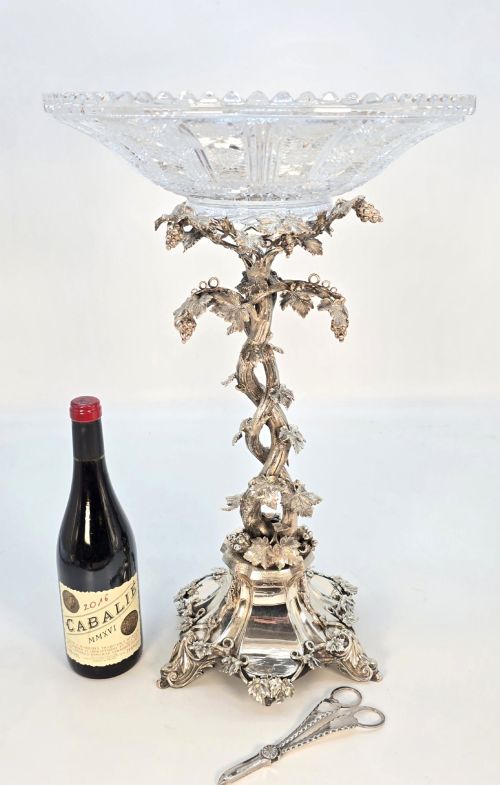
- A large table centrepiece featuring a central bowl surrounded by smaller hanging baskets or arms for fruit and sweetmeats. These multi-tier structures often combine cut crystal with silver or bronze frames.
- Jardiniere
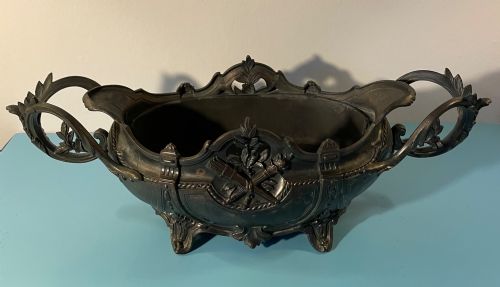
- An ornamental pot or stand designed to hold growing plants or floral arrangements. They appear in copper, ceramic, and French gilt bronze.
- Tazza
- A shallow saucer-like dish mounted on a stem and foot, used for serving fruit or display. Classical revival examples often incorporate marble bases and bronze mounts.
- Champlevé
- An enamelling technique where troughs are dug into a metal surface and filled with vitreous paste before firing. The resulting coloured patterns sit flush with the surrounding metal.
19th Century Table Centrepiece: Frequently Asked Questions
How were table centrepieces used?
These pieces occupied the middle of dining tables during formal meals to display fruit, sweetmeats, or floral arrangements. They signaled status and provided visual interest for guests seated around the table.
Over time, many served purely decorative functions on sideboards or console tables when not in active use during dining.
What materials are common in these items?
Silver plate, gilt bronze, and ormolu form the metal framework for many nineteenth-century designs. These metals frequently support cut crystal bowls, porcelain figures, and marble bases.
Other examples utilise carved mahogany, oak, copper, and champlevé enamel to achieve diverse decorative effects.
How do I identify French Empire style?
French Empire pieces display neoclassical motifs influenced by ancient Rome and Greece. Look for symmetrical forms incorporating winged cherubs, patinated bronze, and gilded mounts.
Marble bases and strict geometric proportions further define this formal aesthetic.
How should I care for mixed metal objects?
Dust metal surfaces gently with a soft, dry cloth to prevent the accumulation of dirt in recessed areas. Avoid chemical dips or abrasive polishes that can strip delicate silver plate or ormolu gilding.
Crystal bowls and glass inserts can be removed and washed in warm soapy water before drying thoroughly.