




Silver Plate Decorative Bowl
A silver plate decorative bowl brings substantial weight and gleaming metal to a room, ranging from ornate Victorian centrepieces to sleek Scandinavian modern designs.
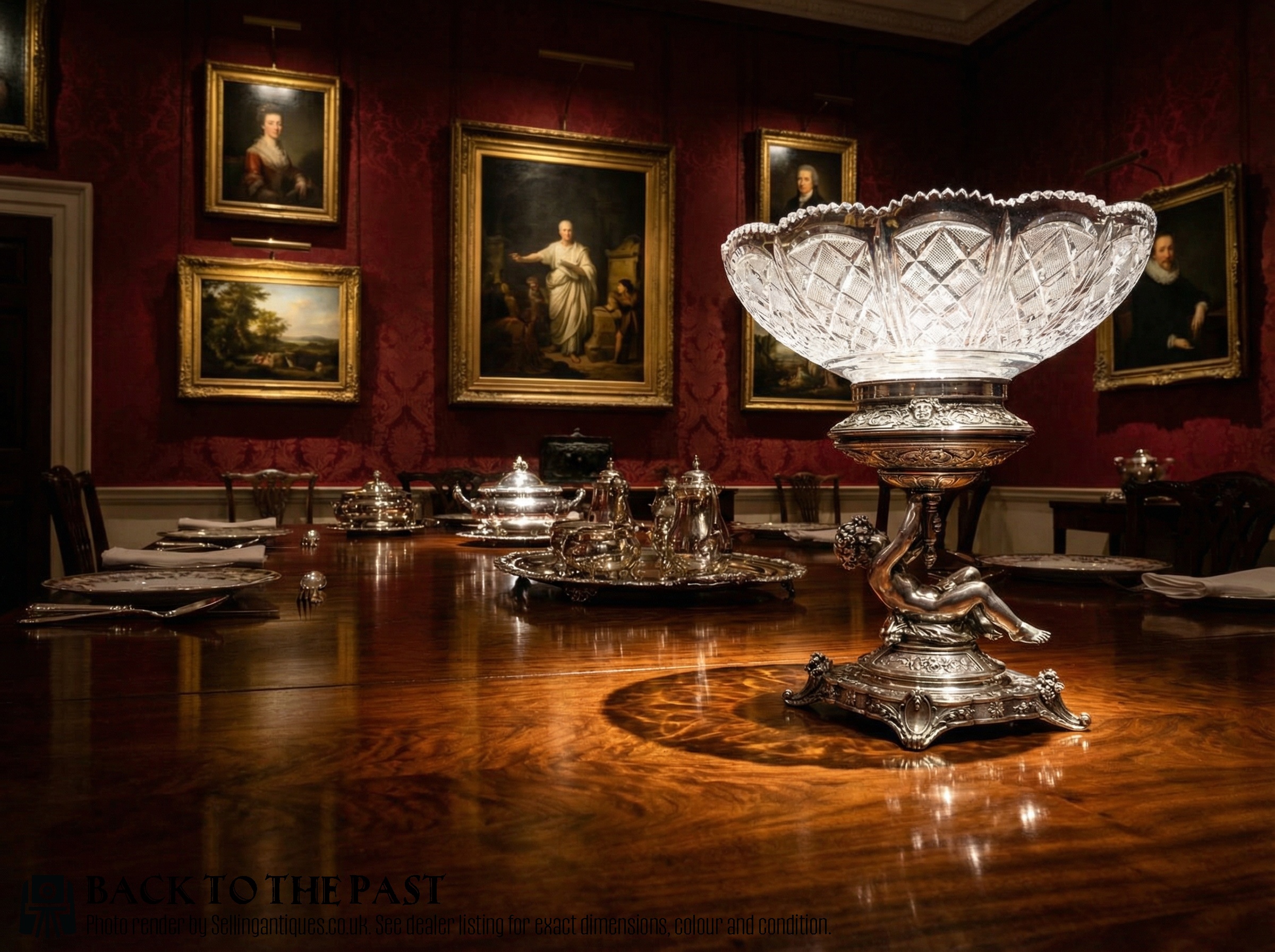
Silver Plate Decorative Bowl
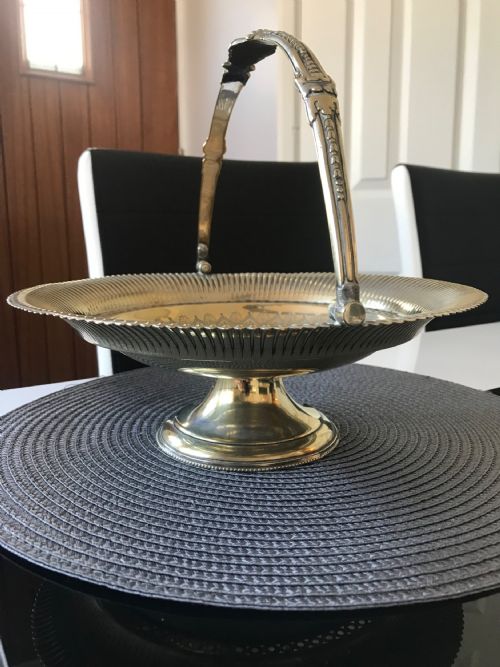
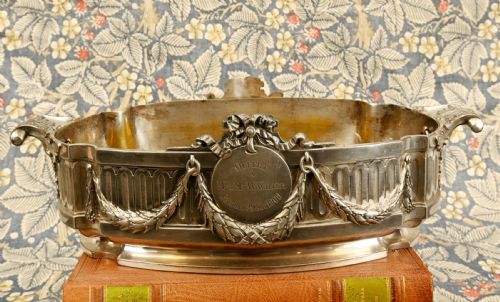
A silver plate decorative bowl encompasses a wide array of forms designed for display and practical use, including large centrepieces, fruit baskets, and smaller dishes. When exploring this category, a buyer encounters everything from nineteenth-century Revival styles to twentieth-century Scandinavian serving sets.
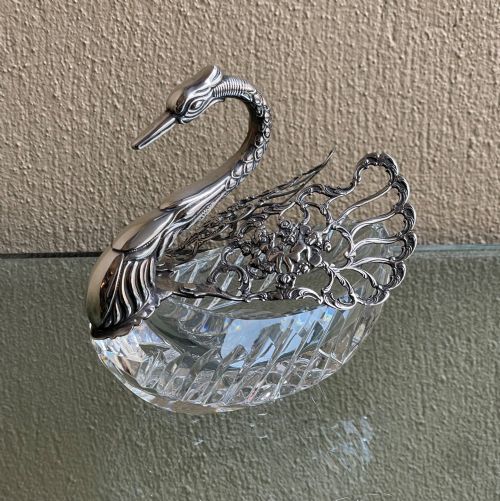
The objects span multiple periods, with nineteenth-century examples often showing elaborate Victorian and neoclassical detailing. Later twentieth-century pieces shift toward cleaner forms, such as minimalist caviar ice servers and cut glass combinations.
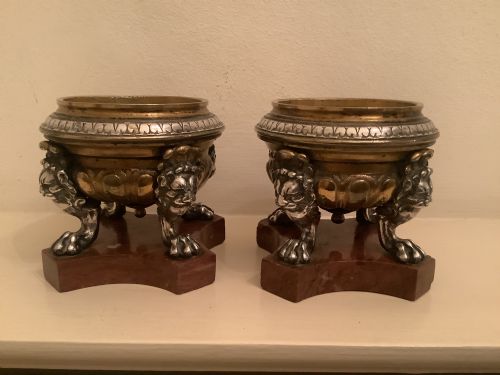
Origins vary across English, French, and Middle Eastern workshops, bringing distinct regional ornament to the surface. Forms range from heavy tazzas and footed planters to delicate dishes fitted with coloured glass liners.
Materials and construction
Makers utilised a strong base metal such as copper, brass, bronze, or electroplated nickel silver, applying a layer of silver over the core to achieve a bright finish. Many nineteenth-century items involve heavy casting and detailed chasing to produce high-relief neoclassical or rococo motifs.
Combinations of silver plate with other media appear frequently, particularly cut glass, ruby glass liners, and carved English oak. Middle Eastern pieces utilise patinated copper inlaid with silver, reflecting distinct regional metalworking traditions.
Silver Plate Decorative Bowl Retail Price Guide 2026
Typical asking prices for silver plate decorative bowl among the pieces listed under this phrase on Sellingantiques today, from the lower quarter to the upper quarter. They describe what is for sale here now, not the wider market.
Listings feature items spanning the nineteenth and twentieth centuries, utilising silver plate, sterling silver, cut glass, bronze, brass, and patinated copper.
Distinctions in quality
Quality rests on the weight of the metal and the crispness of the cast ornamentation, where deeply chased foliage and solid handles indicate superior manufacture. Heavy silver plating over bronze or substantial copper provides greater durability and longevity than thin electroplate.
The integration of secondary materials defines the calibre of a piece, seen in thick, deeply cut crystal glass inserts and secure, well-fitted metal mounts. Pieces retaining their original patination and clear maker marks command closer attention from collectors.
Tiffany and Co
The Silver Plate Decorative Bowl Glossary
- Centrepiece
- A large decorative vessel placed in the middle of a table, often featuring high sides or footed mounts designed to hold fruit or floral arrangements.
- Electroplated Nickel Silver
- A durable alloy base metal composed of copper, nickel, and zinc, coated with a layer of pure silver through an electrolytic process.
- Tazza
- An Italian term for a shallow bowl or cup raised on a high foot and stem, frequently utilised as a formal display dish.
- Patinated Copper
- Copper that has developed a controlled surface coloration or tarnish over time through oxidation or chemical treatment to enhance visual depth.
Silver Plate Decorative Bowl: Frequently Asked Questions
What is a silver plate decorative bowl used for?
These vessels were historically utilised for serving fruit, holding floral arrangements, or displaying confectionery on dining tables and sideboards. Today, they function primarily as decorative centrepieces or catch-alls in domestic interiors.
Larger footed bowls and tazzas make strong focal points on entry tables, while smaller glass-lined dishes suit practical display.
How do I clean a silver plate bowl?
Maintenance requires gentle washing with warm water and mild soap, followed by thorough drying with a soft cloth to prevent water spots. Specialised silver polish should be used sparingly to avoid wearing through the plated surface to the base metal.
Pieces with patinated copper or delicate glass inserts demand extra care to protect their specific surface finishes and patinas.
How can I tell the period of a piece?
Stylistic clues provide the primary method for dating, with heavy ornamentation and rococo revival motifs pointing to the nineteenth century. Clean lines and minimalist forms typically indicate twentieth-century manufacture.
Maker marks, registration numbers, and base metal stamps offer additional documentation for identifying precise eras of production.
Are these bowls suitable for serving food?
Many silver plated dishes and bowls are suitable for serving dry foods, fruit, or confectionery. However, heavily worn pieces where the base metal shows through should be restricted to decorative display.
Glass-lined dishes and fitted ice servers are well-suited for chilled items and modern entertaining.