




Vintage Glass Ornament
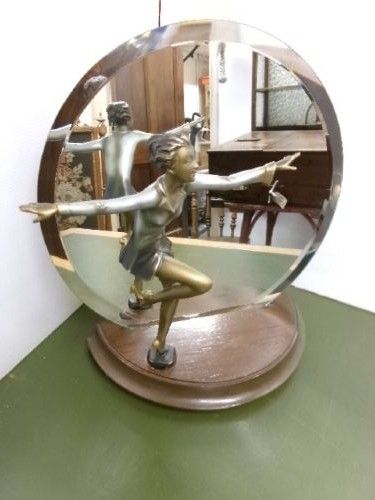
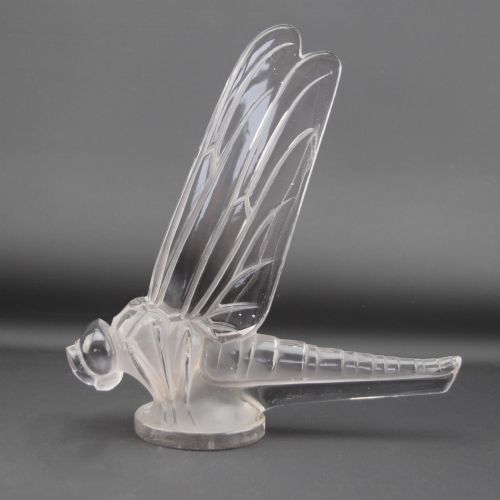
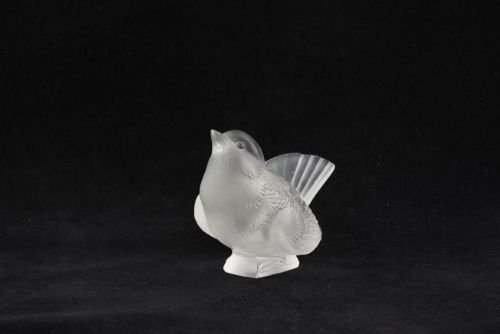
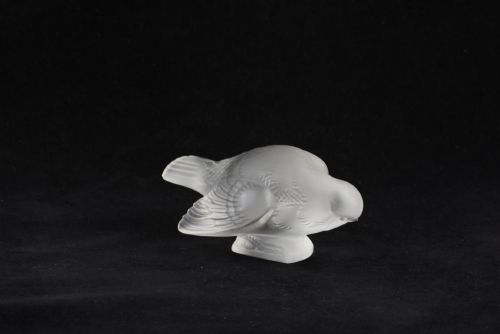
These vintage glass ornament examples range from frosted car mascots to ruby lustres, bringing tactile nineteenth and twentieth-century artistry into a modern room.
Vintage Glass Ornament
A vintage glass ornament search covers several distinct categories spanning the eighteenth to the twentieth centuries, with a strong representation of the interwar decades. Buyers encounter everything from functional mantel lustres and vases to decorative animal figurines and moulded car mascots.
The objects frequently reflect specific design movements such as Art Deco and Victorian styling, originating from workshops across France, Italy, and Austria. Paperweights and sculptural pieces dominate the selection, often rendered in clear, frosted, or coloured glass.
Moulded and opalescent variants form a significant part of the available stock, alongside traditional table wares and decorative ornaments. Each piece retains the characteristic weight and presence of its specific period of manufacture.
Materials and technique
Production relies on glass manipulation techniques including moulding, cameo etching, and lamp work, utilising materials such as crystal, ruby glass, and opalescent glass. Pieces often combine transparent and frosted finishes to create depth and highlight sculptural details.
Makers employed specialised pressing and blowing methods, sometimes adding enamel or gilding to enhance the surface texture. The interplay of light through coloured or clear media remains central to the visual character of these items.
Object forms range from miniature carriage trinket boxes and car mascots to large paperweights and mantel lustres.
Distinguishing quality
The distinction between standard production and exceptional work rests on the crispness of the moulding and the depth of the surface finish. Superior items display sharp definition in pressed details and a sophisticated handling of light through opalescent or coloured mediums.
The reputation of the designer or studio plays a definitive role, with signed works or pieces attributed to prominent glasshouses showing superior artistic execution. The complexity of the glass formulation and the subtlety of the tinting further elevate the standing of an individual piece.
Rene Lalique·Jean Luce·Etling·Napoleone Martinuzzi·Schneider·Le Verre Francais·Bimini
The Vintage Glass Ornament Glossary
- Opalescent glass
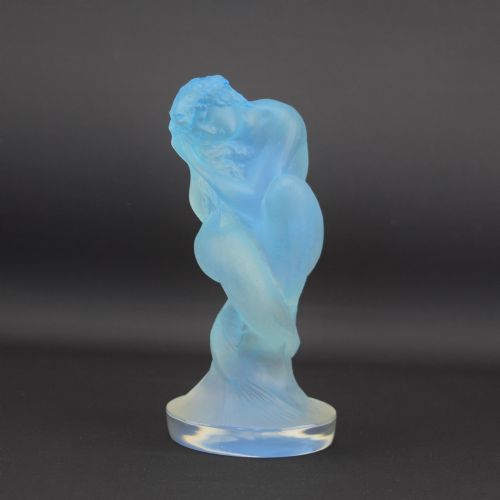
- Glass that milky or bluishly translucent, scattering light in a way that creates pearlescent highlights. It is frequently utilised in sculptural ornaments to accentuate contours.
- Cameo glass
- Glass formed with multiple layers of different colours, carved or etched back to create a contrasting design. This technique requires considerable skill to achieve depth and tonal variation.
- Mantel lustre
- A decorative glass vase hung with crystal prisms, designed for placement on a fireplace mantel. Victorian examples often feature hand-painted enamel and gilding.
- Car mascot
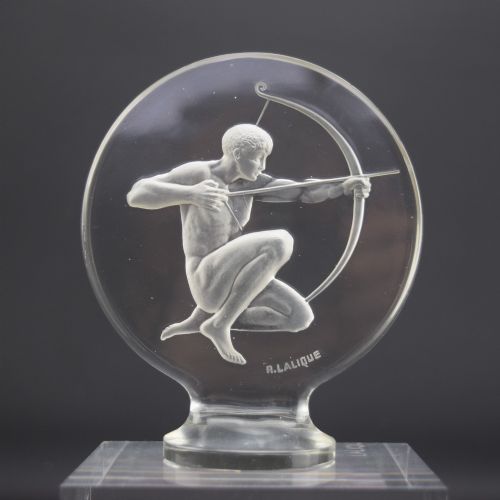
- A sculptural ornament mounted on the radiator cap of a motor car, popular during the interwar period. Many were produced in heavy moulded glass by prominent glasshouses.
- Millefiori
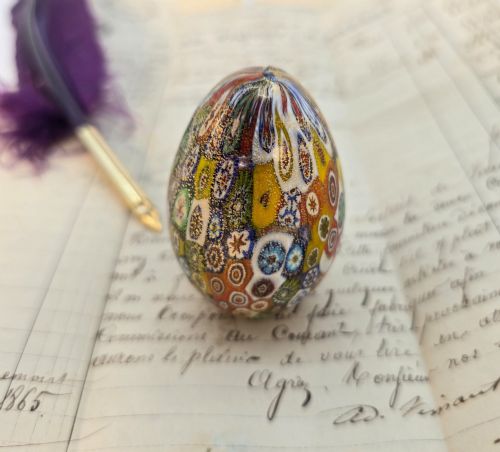
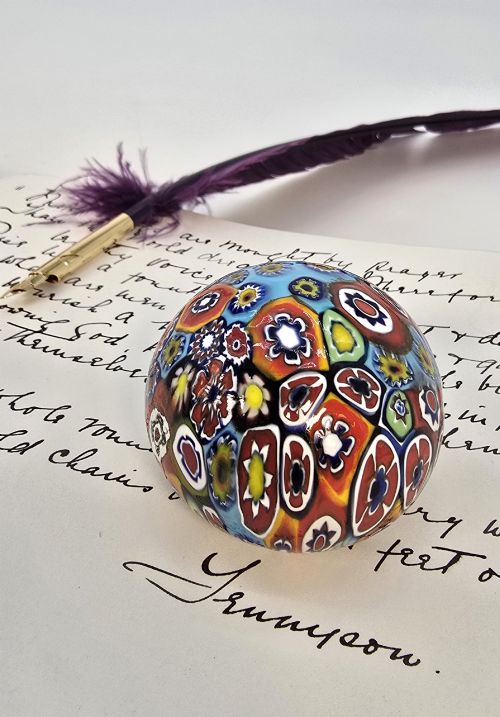
- A glasswork technique producing distinctive patterned mosaics using multicoloured canes. Italian paperweights frequently showcase this intricate method.
Vintage Glass Ornament: Frequently Asked Questions
How do I identify a period glass ornament?
Examination of the pontil mark, base wear, and manufacturing technique helps establish the era of production. Stylistic markers from Art Deco or Victorian design provide further clues to dating.
Material composition, such as the specific weight of opalescent glass or the presence of mercury silvering, also guides proper attribution.
How were mantel lustres used?
Mantel lustres served as decorative garnitures on nineteenth-century fireplace mantels, often paired with matching candlesticks. The attached glass prisms were intended to refract candlelight and gaslight.
They frequently incorporated ruby or green glass with gilded floral motifs.
Where were most vintage glass ornaments made?
Production centres were concentrated in Europe, particularly France, Italy, and Austria, during the nineteenth and early twentieth centuries. Specific workshops and glasshouses developed regional specialities like Murano millefiori or French opalescent figures.
Trade routes and international exhibitions helped distribute these decorative objects widely.