
Vintage Glass Desk Light
These vintage glass desk light pieces bring period illumination to a workspace, combining functional metal stands with decorative shades.
Vintage Glass Desk Light
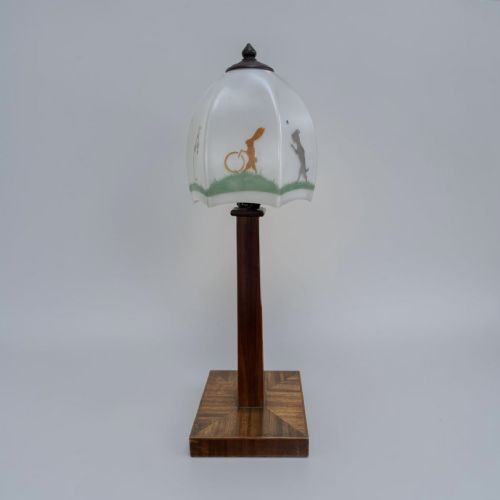
A vintage glass desk light brings together period metalwork and decorative glass, originating from periods spanning the Victorian era through the mid-twentieth century. Buyers searching this phrase meet items styled in Art Deco, Edwardian, and Arts and Crafts designs.
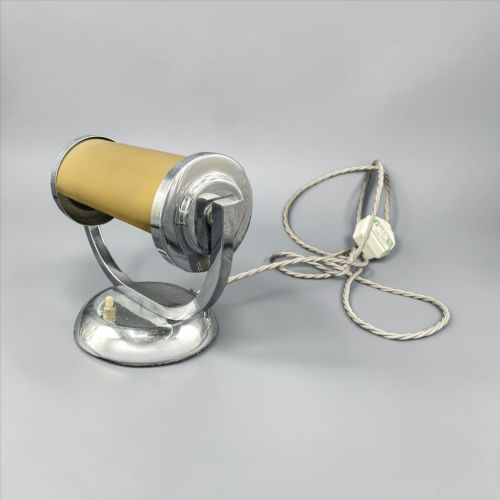
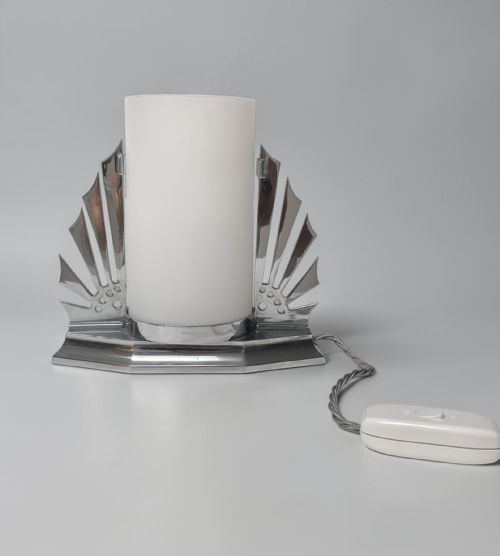
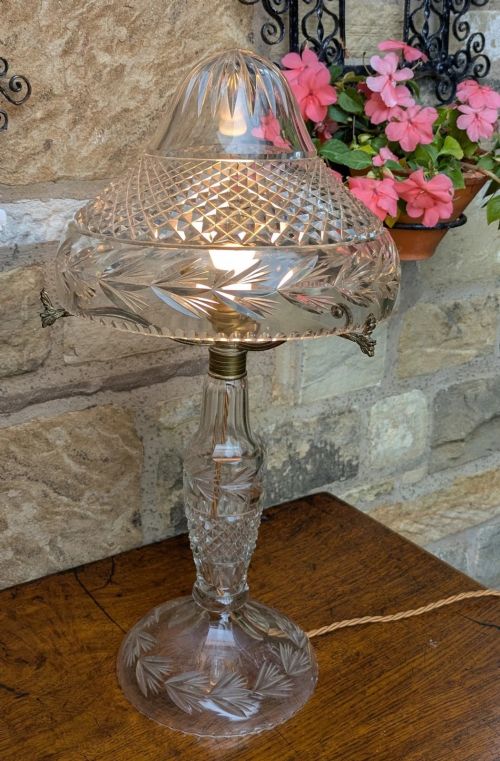
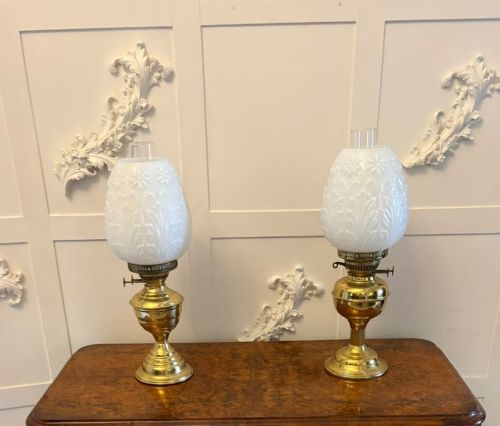
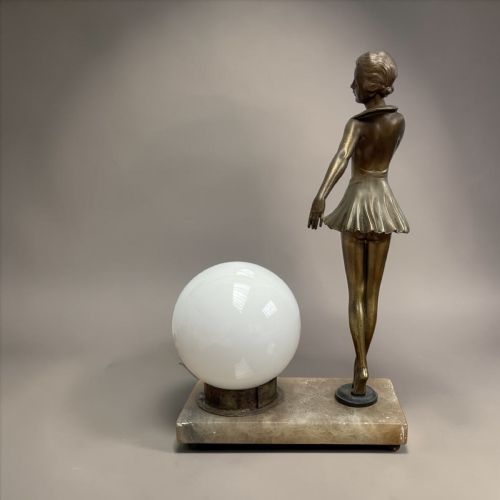
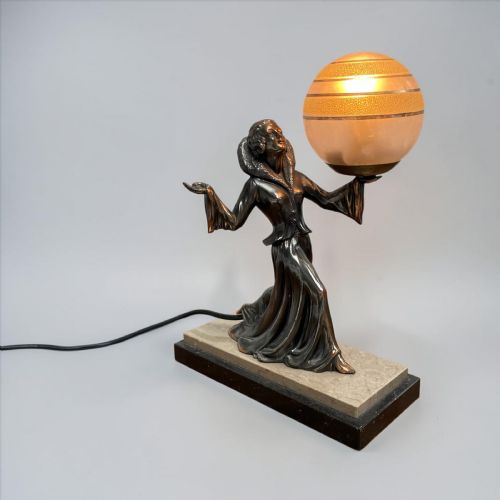
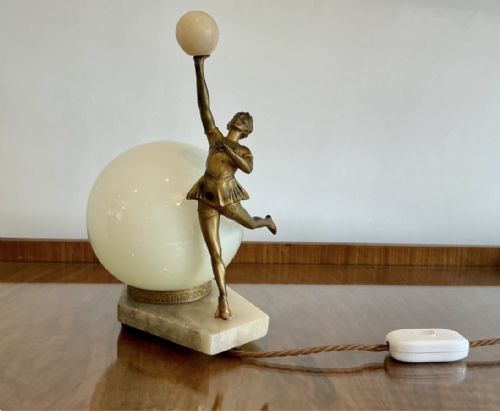
The selection includes table lamps, oil lamps, and reading lamps that utilise materials such as brass, marble, and chrome alongside glass components. Many examples pair a heavy metal base with opaline, frosted, or cut crystal shades.
Origins range across British, French, and Italian workshops, incorporating styles from neoclassical revival to Chinese export and Secessionist forms. These desk lights served as practical reading apparatuses as well as ornamental objects for studies and libraries.
How They Were Made
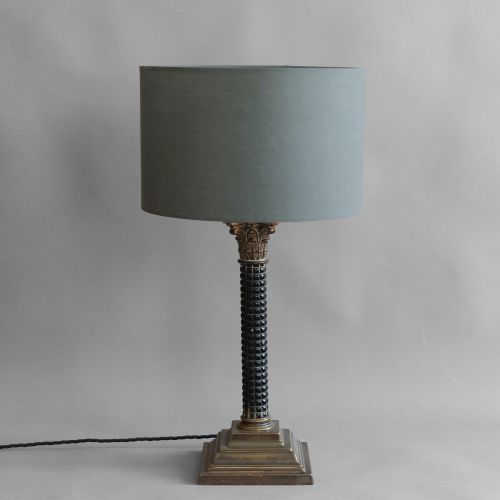
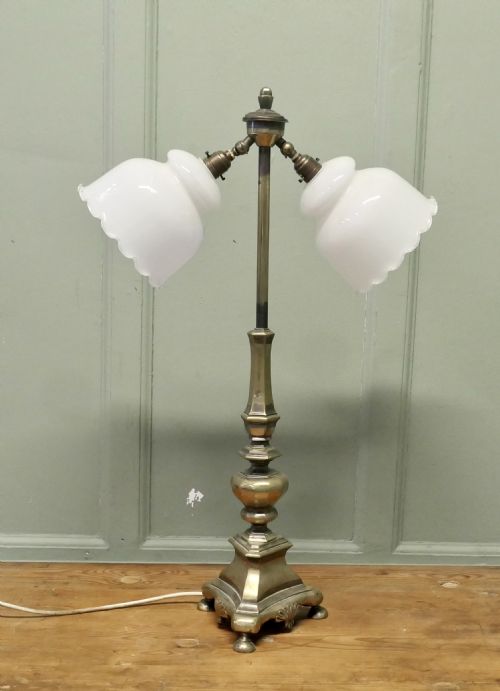
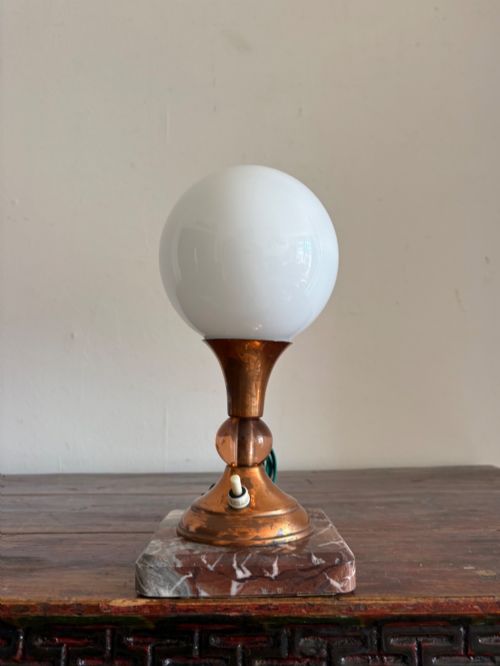
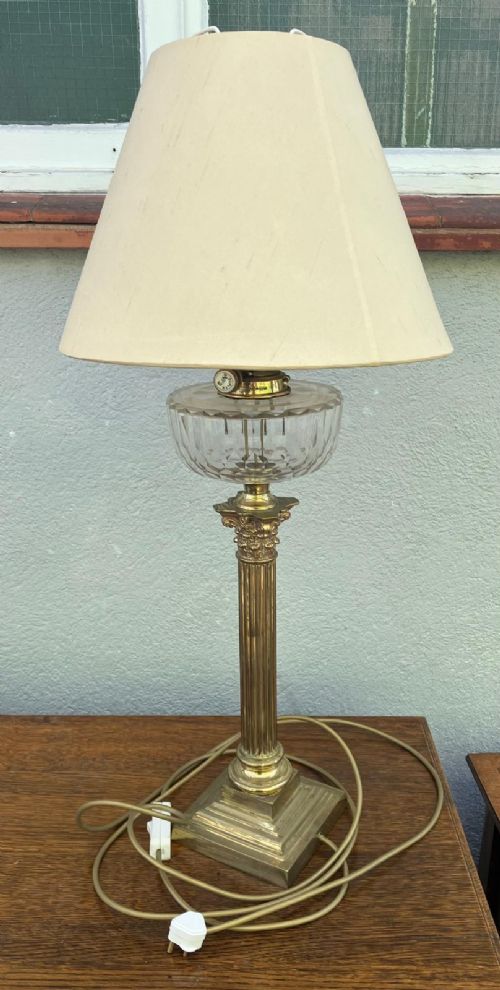
Construction relies on structural metals like brass, copper, wrought iron, and chrome to form the weighted bases, stems, and articulated reading arms. These metal elements are frequently patinated or cast into decorative forms such as Corinthian columns or animal figures.
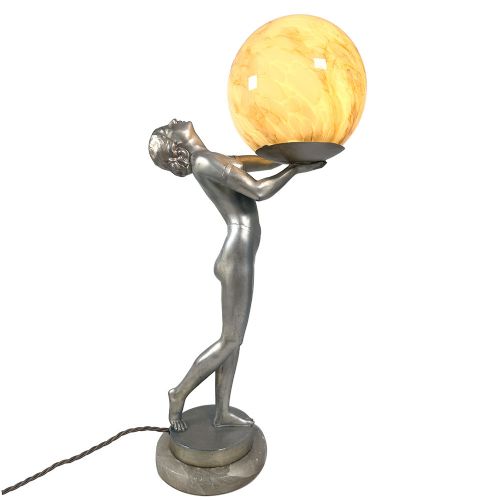
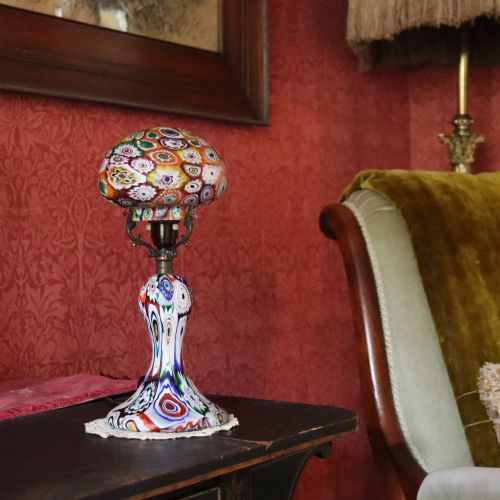
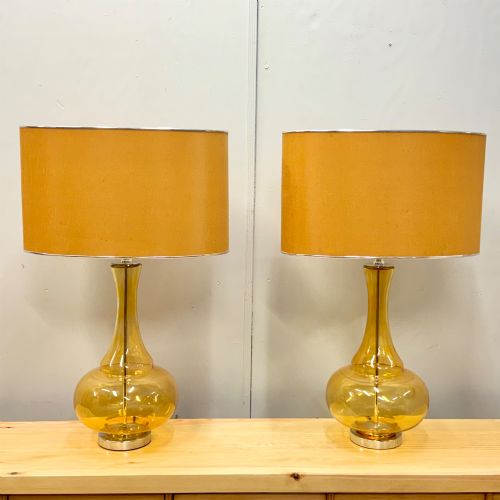
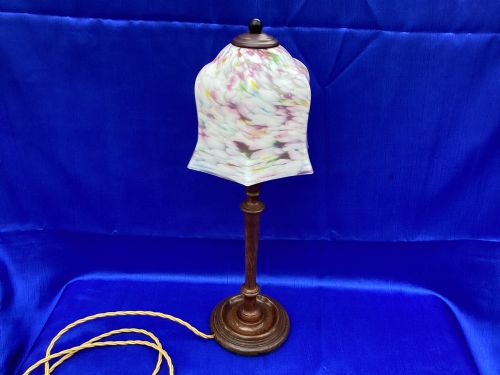
Glass components are worked into opaline, mottled, amber, or cut crystal shades, sometimes blown in specialised European glasshouses like Murano. Bases additionally incorporate marble, oak, or ceramic supports to anchor the weighted metal frames.
French and Italian workshops dominate the Art Deco selection, incorporating novelty animal figures and wrought iron into table lamps.
What Varies in Quality
The standard of a vintage glass desk light rests upon the execution of its metal casting and the complexity of its glasswork. Heavier brass structures, patinated bronze finishes, and finely blown opaline or cut crystal shades distinguish finer examples from standard production pieces.
Attribution to known designers or prominent glass houses elevates an item, as seen in signed works by makers associated with French and Italian studios. The integration of mixed media, such as combining wrought iron with opaline glass or incorporating marble bases, reflects greater artisanal ambition.
Fratelli Toso·Charles Schneider·Lacroix Lalique·Gustave Serrurier Bovy·Georges Leleu·Eileen Grey
The Vintage Glass Desk Light Glossary
- Opaline glass
- A semi-opaque glass variety often coloured in white or pastel shades. It diffuses light softly and appears frequently in Victorian and Art Deco lamp shades.
- Art Deco
- A design style prominent in the 1920s and 1930s characterised by streamlined geometric forms. Pieces from this era often utilise chrome, mottled glass, and Bakelite.
- Secessionist
- An artistic movement from the early twentieth century focusing on simplified forms and rejection of historicism. Metal and copper lamps from this period show clean, modernist lines.
- Cut crystal
- Glass shaped through precision cutting to create faceted surfaces that refract light. This material appears on heavier table lamps from the Edwardian and Victorian periods.
Vintage Glass Desk Light: Frequently Asked Questions
How do I date a glass desk light?
Dating relies on identifying stylistic markers such as Art Deco geometric lines or Victorian brass casting techniques. Materials like chrome or Bakelite point towards the 1920s and 1930s.
Examining manufacturing stamps or patent marks can also narrow down the production era to specific decades or reigns.
Are these lamps safe for daily use?
Most vintage lamps utilise historical wiring configurations that require rewiring to meet contemporary safety standards. A qualified electrician can update internal components while preserving the exterior metal and glass.
Checking the stability of heavy marble or brass bases ensures the lamp remains secure on a desk surface.
How do I style a vintage desk light?
These lamps function as focal points on writing desks, sideboards, or console tables. Pairing a brass and glass lamp with traditional wooden furniture highlights the period metalwork.
Allowing sufficient clearance around articulated reading arms ensures the functional design remains accessible.