
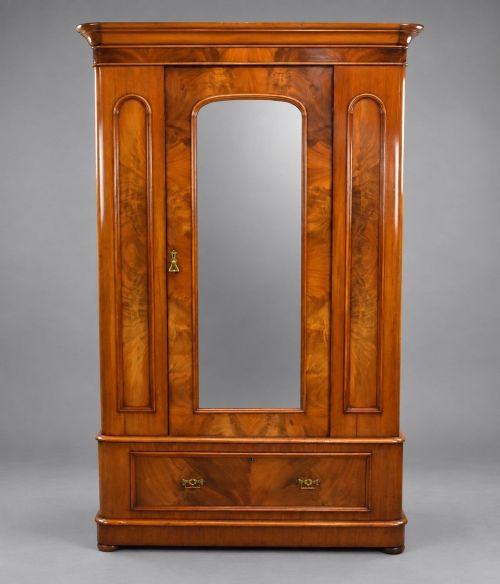
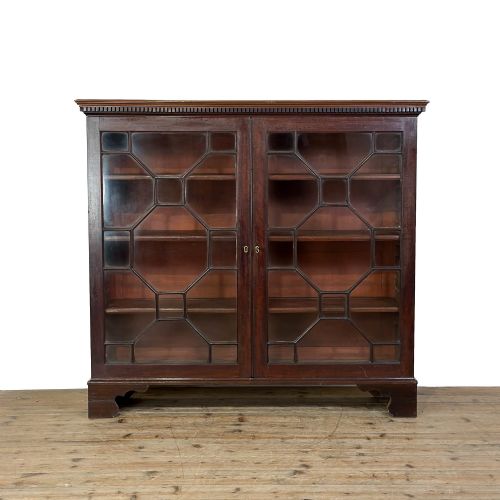
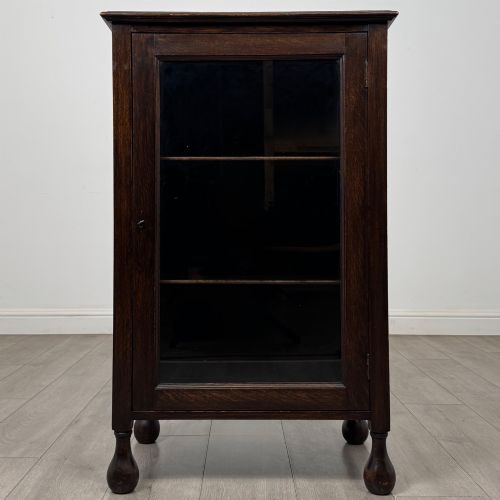
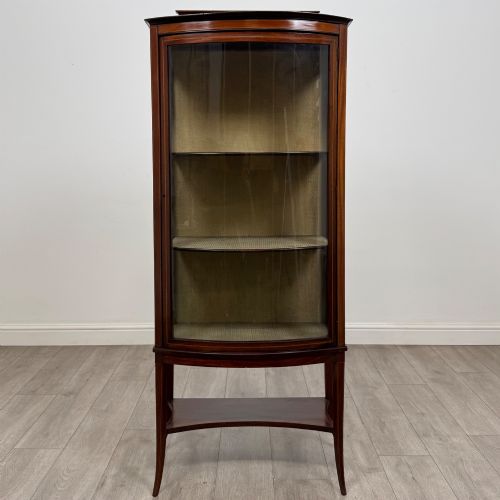
Vintage Glass Cupboard
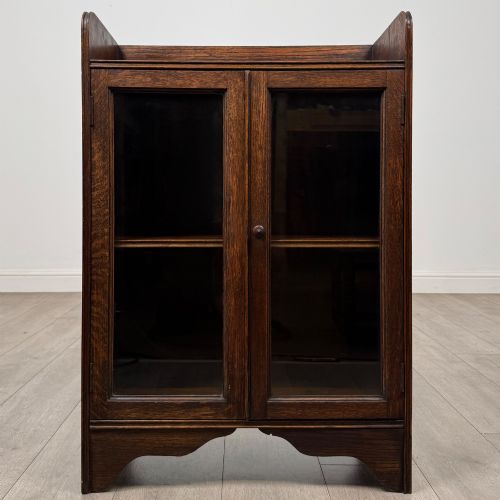
A vintage glass cupboard holds porcelain and books behind clear panes, bringing light and timber grain into a room.

Vintage Glass Cupboard
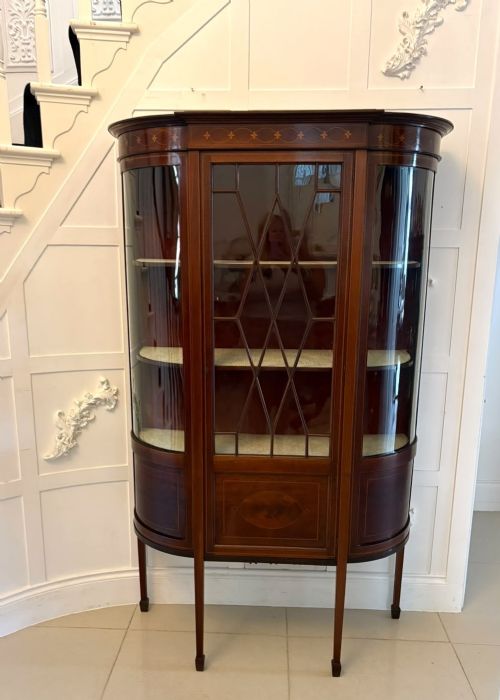
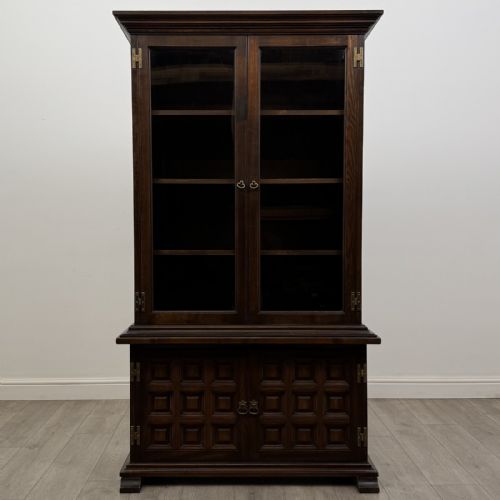
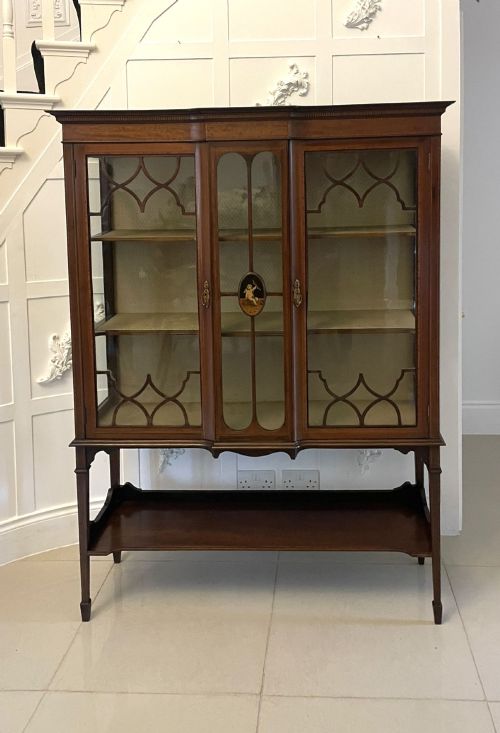
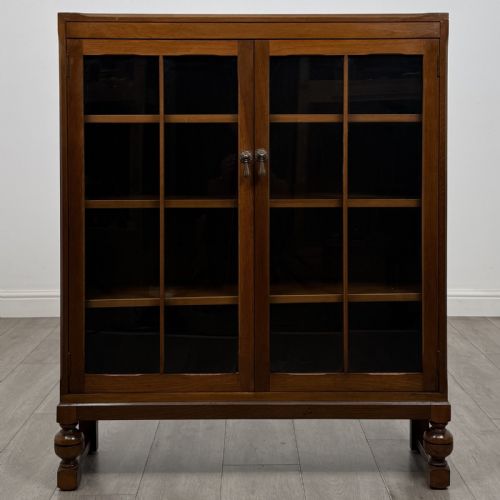
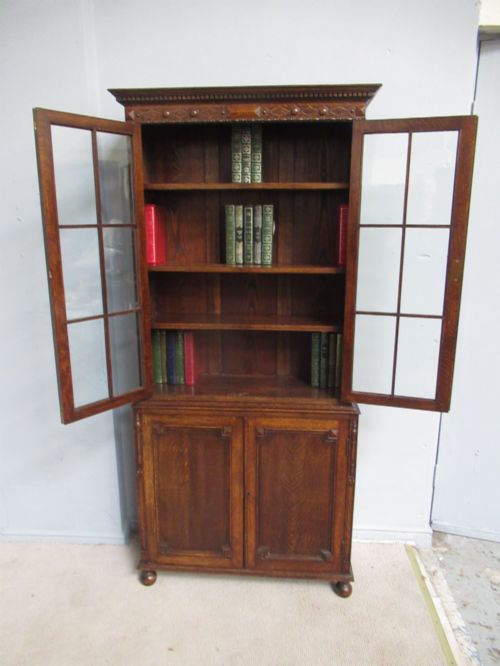
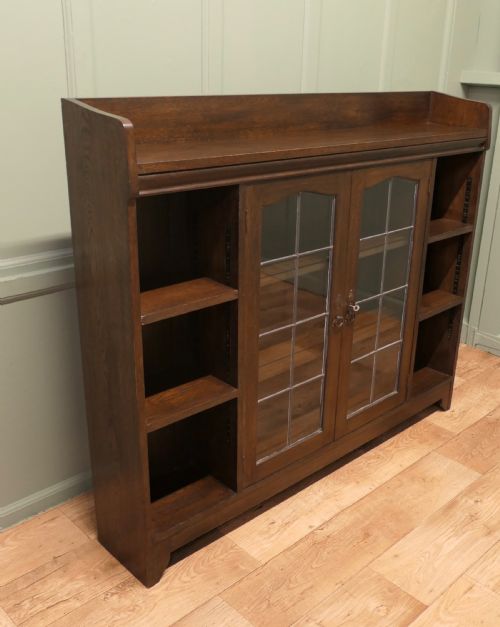
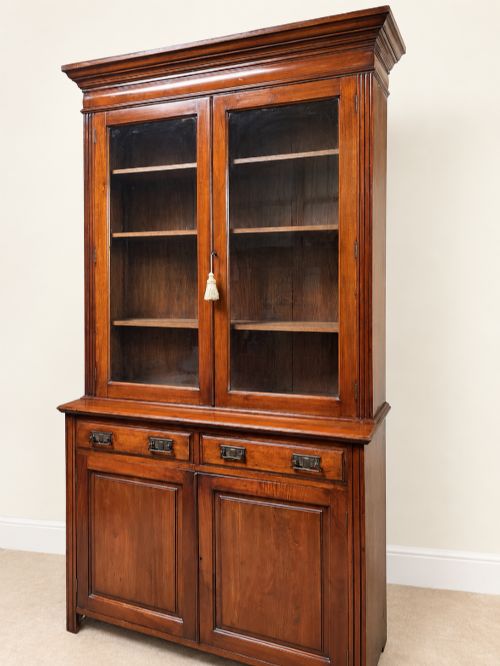
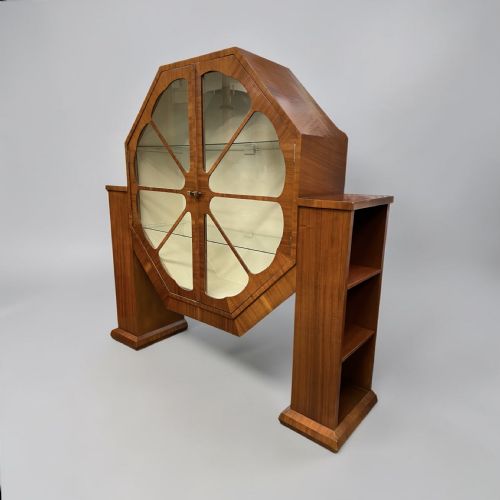
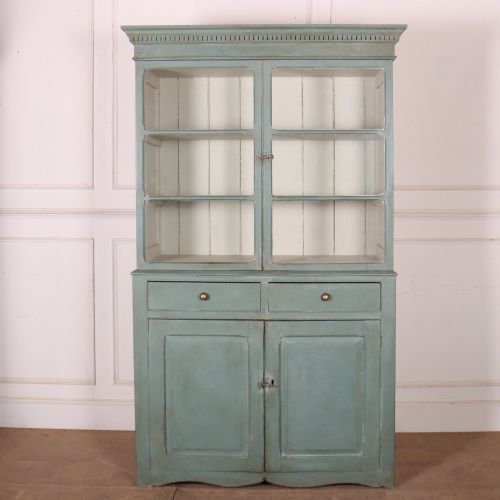
A vintage glass cupboard on this page typically appears as an Edwardian display cabinet, an Art Deco piece, or a nineteenth-century glazed bookcase. These items serve to exhibit and protect collections while introducing timber surfaces to a room.
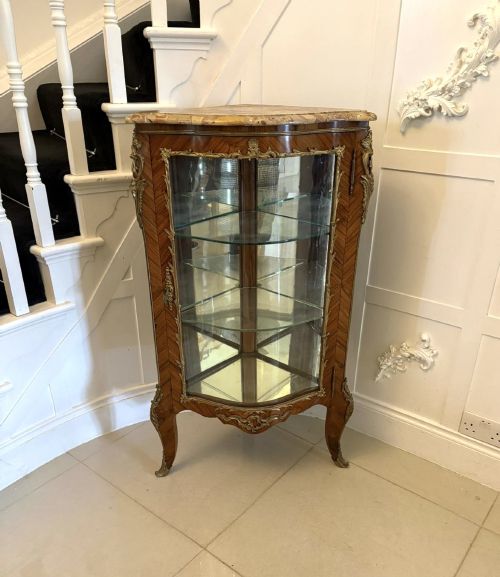
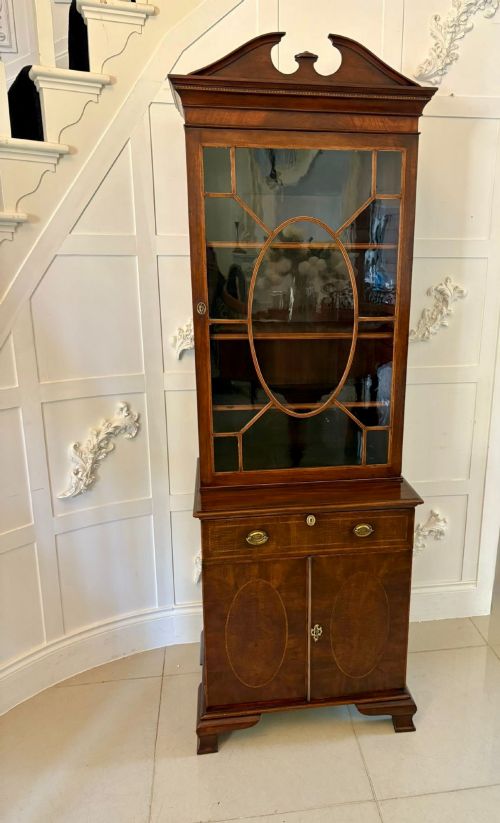
The selection ranges from compact corner units and dwarf oak cupboards to tall walnut bookcases and mahogany display cabinets with inlaid woodwork. Edwardian examples often feature satinwood or floral marquetry, whereas Art Deco pieces show geometric lines in oak or walnut.
Buyers also encounter utilitarian kitchen dressers and glazed cupboards alongside revival styles spanning Queen Anne, Sheraton, and Jacobean motifs. Each form reflects the domestic storage needs and stylistic tastes of its period.
Construction and materials
Cabinets rely on solid and veneered timbers including mahogany, oak, walnut, and satinwood, frequently enhanced by brass hardware and leaded glass panes. Artisans built frames with traditional joinery, incorporating glass doors to showcase the interior shelves.
Decorative surfaces display satinwood inlay, floral marquetry, and carved details, while certain pieces incorporate fabric linings or marble tops and ormolu mounts. The combination of glazed sections and dense hardwoods defines the structural approach across periods.
Miniature apprentice chests of drawers appear alongside full-sized glazed cabinets, showing the same attention to turned feet on a tiny scale.
Factors determining quality
Quality rests in the selection of figured timber veneers, such as burr walnut or figured mahogany, and the precision of inlaid marquetry work. Finer examples display balanced proportions, clean joinery, and carefully fitted doors that close flush.
The choice of secondary woods, the execution of decorative carvings, and the integrity of the original glass panes further distinguish standard production from exceptional pieces.
Maple & Co.
The Vintage Glass Cupboard Glossary
- Glazed cabinet
- A storage piece featuring glass panelled doors designed for displaying objects. These panes allow light to reach the interior shelves.
- Marquetry
- Decorative woodwork where pieces of contrasting timber or veneer form pictorial patterns. This technique frequently ornaments Edwardian furniture.
- Vitrine
- A glass-sided cabinet or display case intended for showing porcelain and small artefacts. Such pieces often stand on slender legs.
- Inlay
- Material inserted into depressions in a timber base to form a contrasting design. Satinwood and darker woods are common combinations.
- Bookcase
- A piece of furniture with horizontal shelves used for storing books, often enclosed by glazed doors in nineteenth-century examples.
Vintage Glass Cupboard: Frequently Asked Questions
What fits inside a vintage glass cupboard?
These cupboards accommodate collections of ceramics, glassware, books, and decorative objects behind their glazed doors.
Shelved interiors keep items visible yet protected from dust in living rooms or dining spaces.
How do I identify an Edwardian display cabinet?
Edwardian cabinets often feature light mahogany timbers with satinwood stringing, floral marquetry, and delicate inlaid motifs. They date from the early twentieth century and frequently stand on square tapered legs.
Many incorporate mirrored backs or curved glass panels to maximise light distribution around the displayed contents.
Are Art Deco glass cupboards different?
Art Deco pieces from the nineteen-twenties and thirties favour geometric forms, contrasting wood veneers like burr walnut, and leaded glass. Their silhouettes are streamlined compared to earlier revival styles.
These cabinets emphasise horizontal or vertical lines rather than traditional carved ornamentation.
Where should I place a glazed cabinet?
Position these cupboards in reception rooms or hallways where natural light can strike the glass panels. Ensure the floor is level so the doors hang true.
Keep them away from direct heat sources to protect the polished timber and veneered surfaces.