
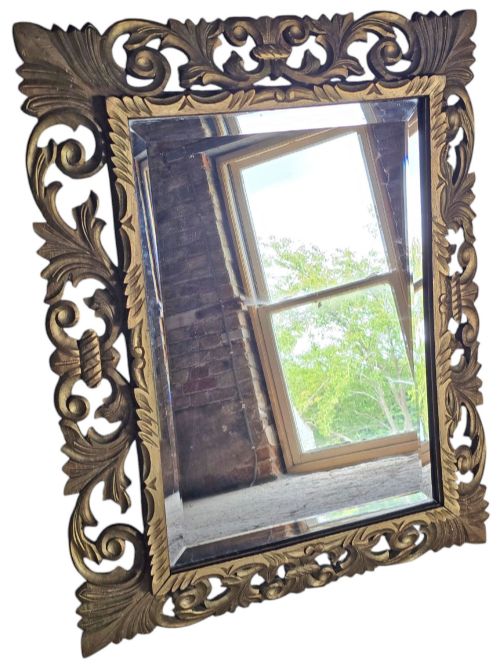
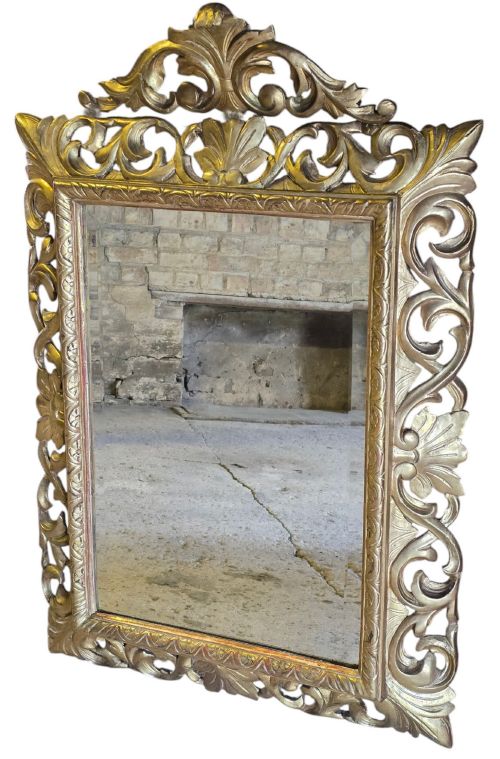

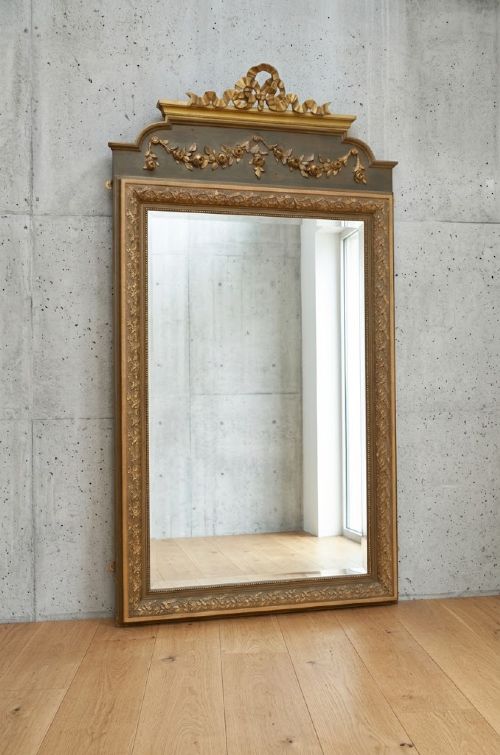
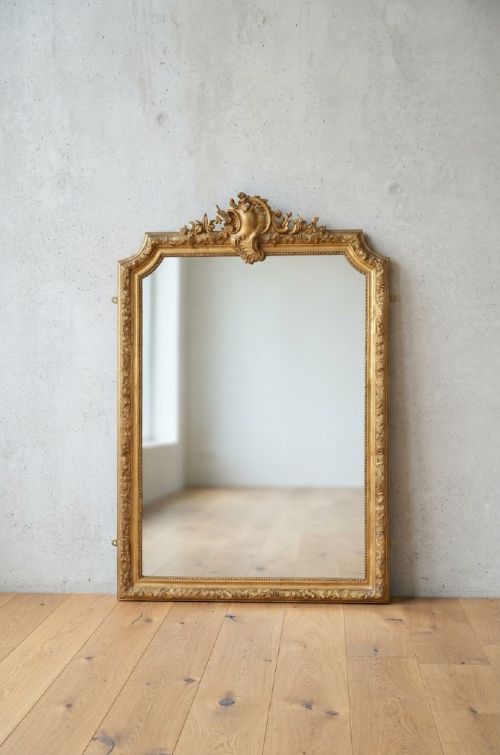
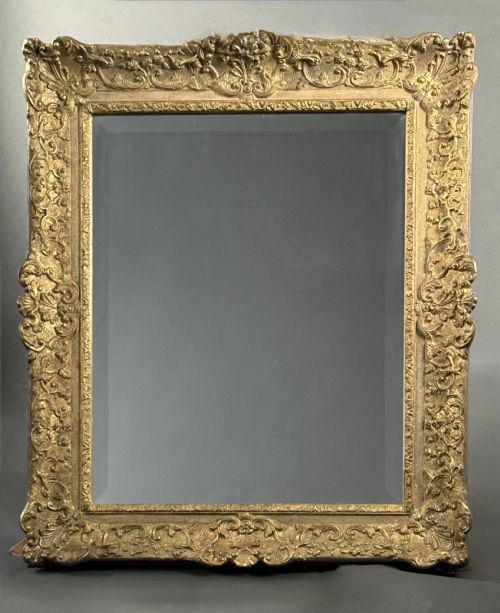
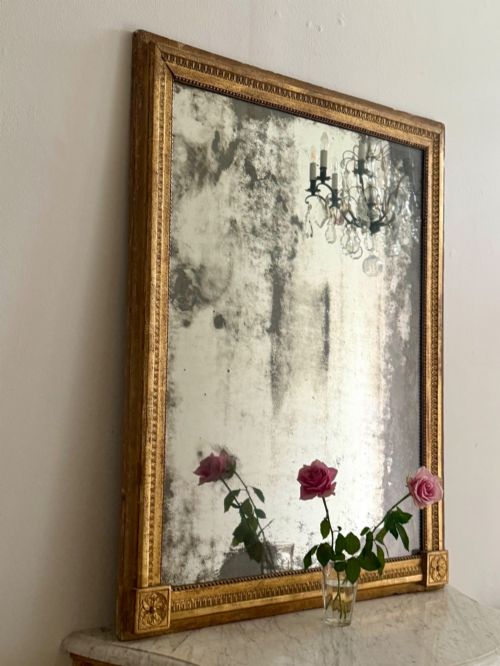
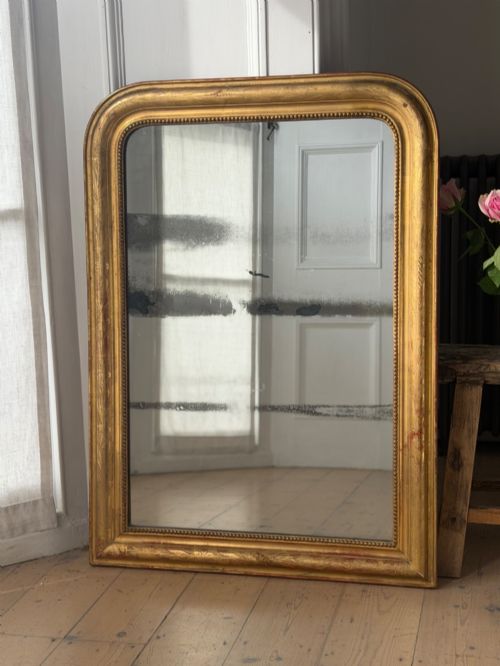
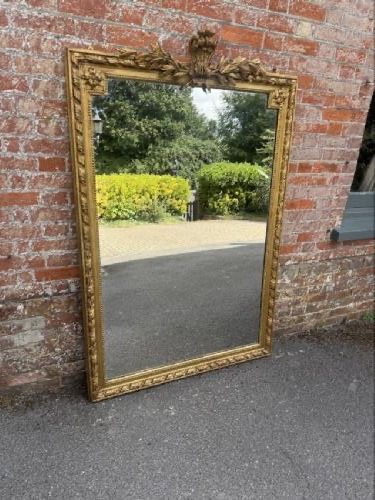
Vintage Gilt Overmantel Mirror
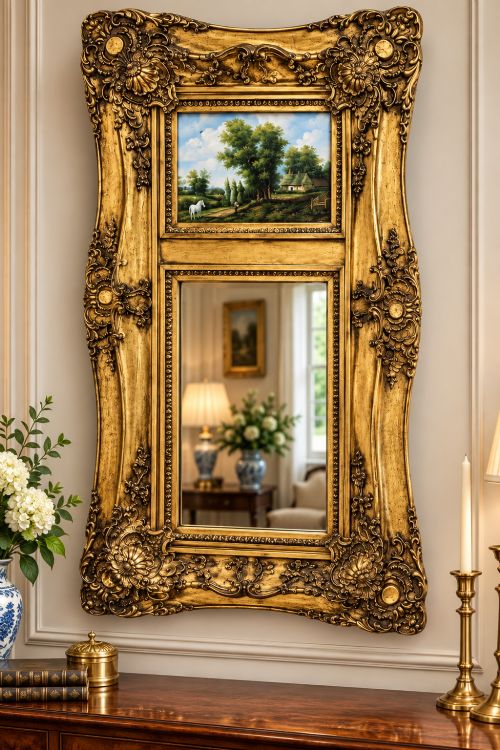
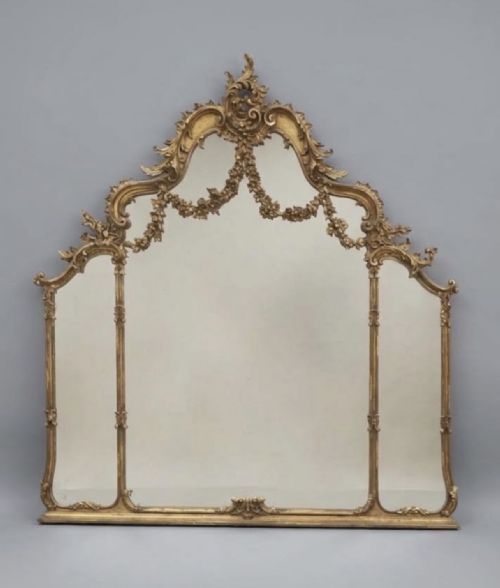
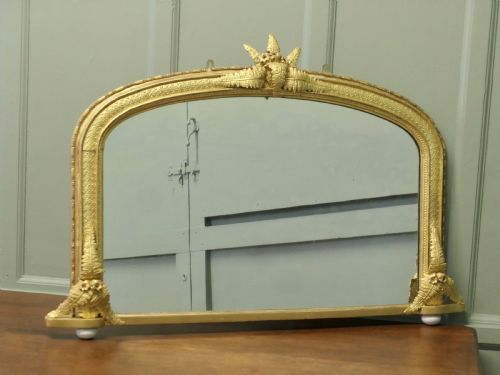
A vintage gilt overmantel mirror anchors a room above a fireplace, combining generous proportions with reflective glass to lift the light in a space.
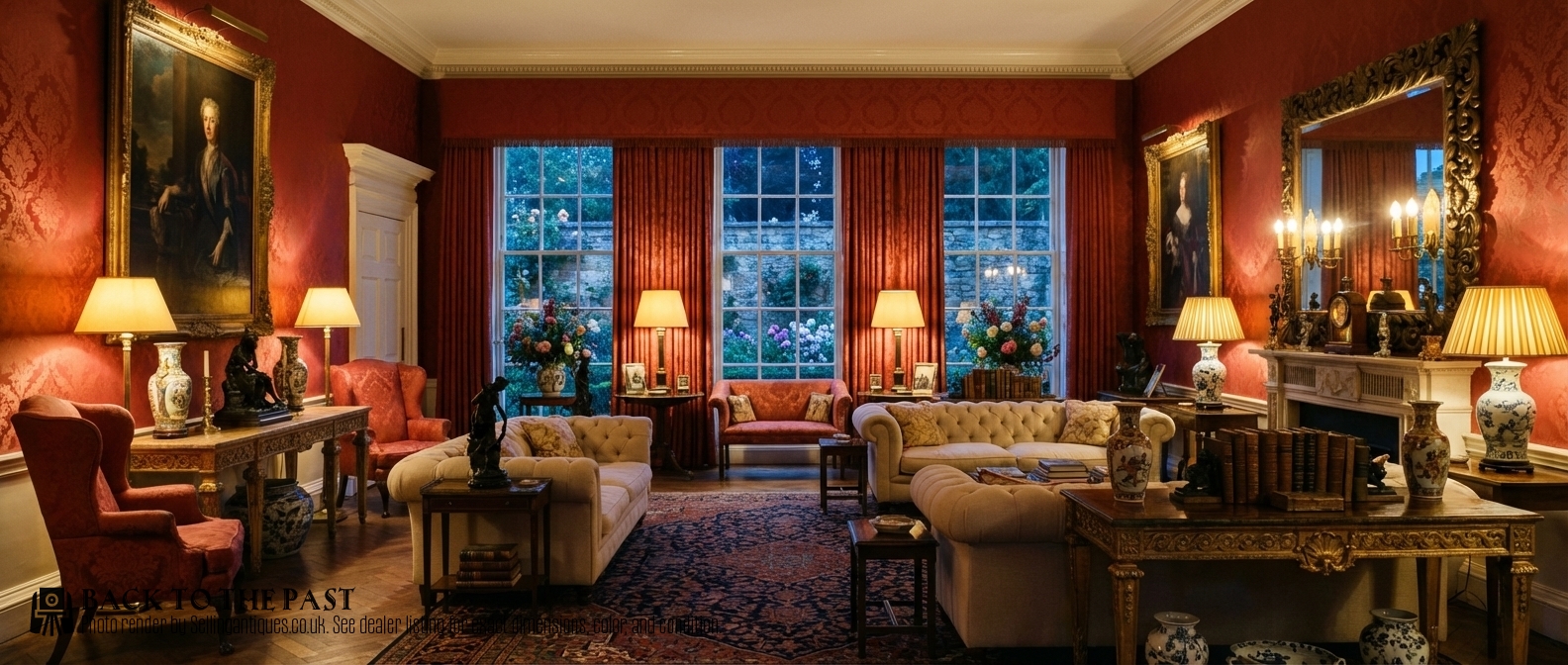
Vintage Gilt Overmantel Mirror
When searching for a vintage gilt overmantel mirror, buyers encounter grand architectural frames designed specifically to sit above a mantelpiece, alongside related pier and wall mirrors. The selection spans 18th-century pieces through to Edwardian interpretations, drawing heavily on French and English workshop traditions.
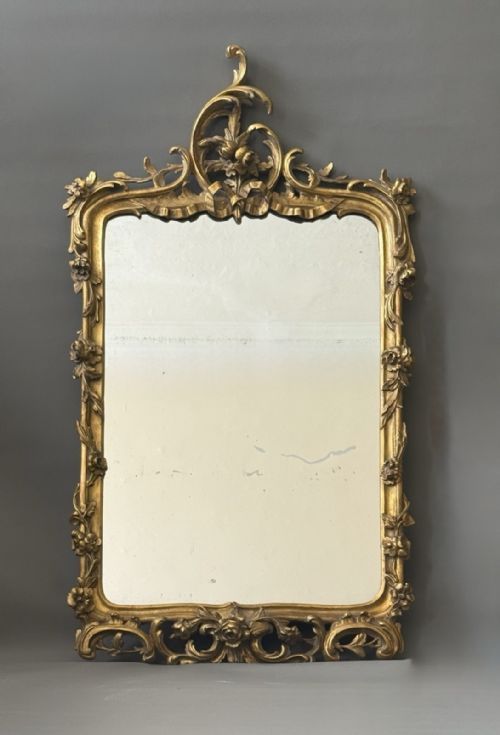
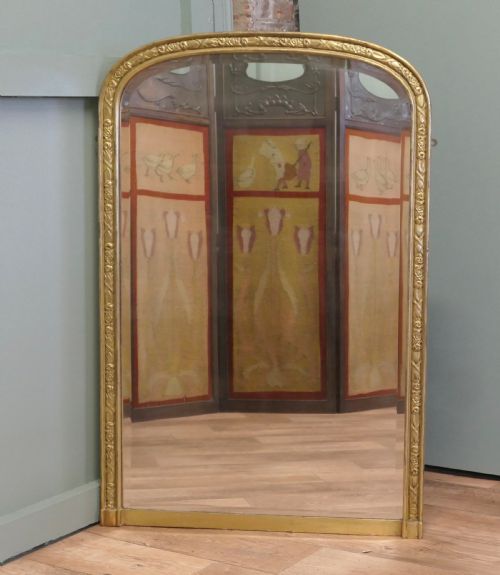
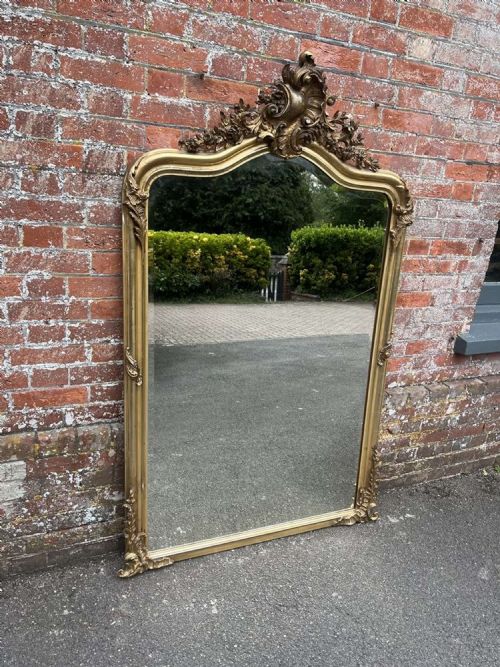
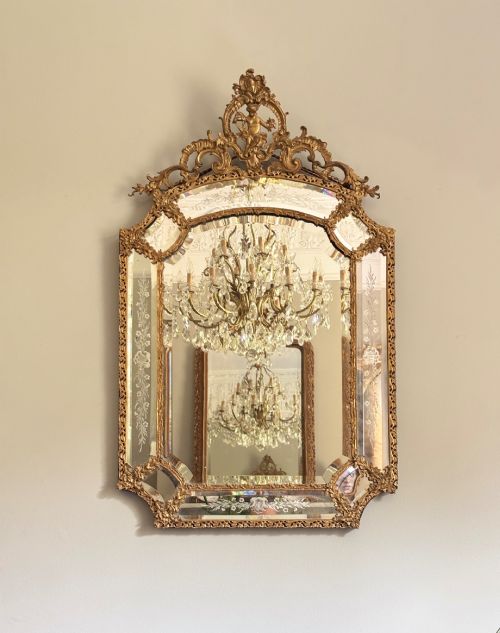
The most common formats on this page are substantial 19th-century English and French examples featuring arched, shaped, or rectangular tops. These include Louis Philippe designs with simple, elegant lines and more elaborate Rococo Revival pieces adorned with scrolls and floral motifs.
Materials and construction methods
Makers built the foundational structures of these frames using carved wood, applying layers of gesso to create smooth surfaces for detailed ornamentation. Artisans then gilded these prepared frames using gold leaf or fine metallic applications over painted wood or gesso grounds.
Distinctions in craftsmanship and preservation
Quality reveals itself in the depth and sharpness of the hand-carved wooden details and the crisp application of the gesso and gilt layers. Superior examples display balanced proportions, clean joinery, and harmonious integration between the frame and its original mirror plate.
The condition of the gilding and the character of the glass heavily influence the overall standard of a piece. Original mercury plates with natural ageing and intact, untouched gold leaf mark the distinction between standard production and higher-grade work.
The Vintage Gilt Overmantel Mirror Glossary
- Overmantel mirror
- A large wall mirror specifically proportioned to hang on the chimney breast directly above a fireplace mantel.
- Gesso
- A plaster-like mixture applied to wood frames and carved or smoothed to receive gilding or paint.
- Foxing
- The dark spots and speckled oxidation that develop naturally on older mirror glass over long periods.
- Louis Philippe
- A mid-19th-century French style characterised by restrained classical proportions, rounded top corners, and minimal ornamentation.
- Trumeau
- A decorative wall mirror or panel integrated directly into wood-panelled interior architecture.
Vintage Gilt Overmantel Mirror: Frequently Asked Questions
Where should I hang an overmantel mirror?
These large frames traditionally sit directly above a fireplace mantelpiece, where their expansive glass reflects light back into the room. They also function effectively on principal living room walls as standalone statement pieces.
Ensure the wall construction and fixings can support the substantial weight of carved wood and heavy glass before mounting.
How do I care for antique gilt surfaces?
Dust the carved frame gently with a soft, dry brush to prevent dirt accumulation without disturbing the delicate gold leaf or gesso. Avoid using chemical cleaners or damp cloths on the gilded areas.
Clean the mirror glass sparingly using a mild glass cleaner applied to a cloth rather than sprayed directly onto the plate.
What is foxed glass?
Foxed glass refers to the natural ageing process where the reflective backing behind the glass oxidises, creating charming dark spots and a mottled appearance. This authentic patination confirms the age of the mirror plate.
Many collectors specifically seek out antique plates with original foxing for the depth and historical character they bring to a room.
How do I distinguish French styles from English ones?
French pieces often incorporate flowing Rococo Revival curves, ornate crests, and softer pastel or gilt finishes, including classic Louis Philippe arches. English versions tend to feature slightly more robust carved wood construction and architectural framing.
Examining the underlying construction timber and the style of the gesso work helps clarify the geographic origin of the workshop.