
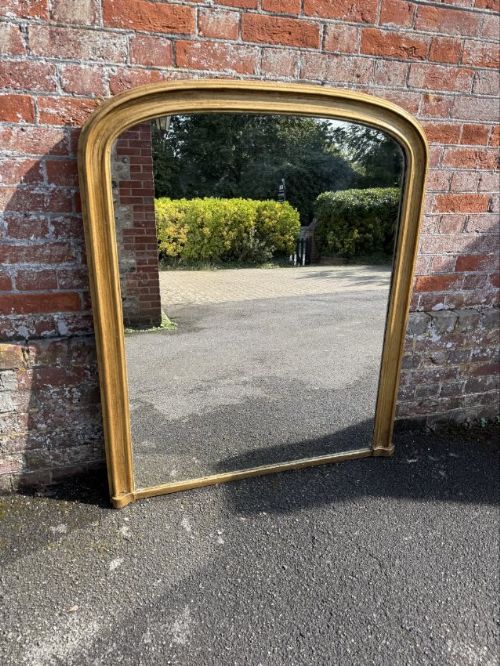
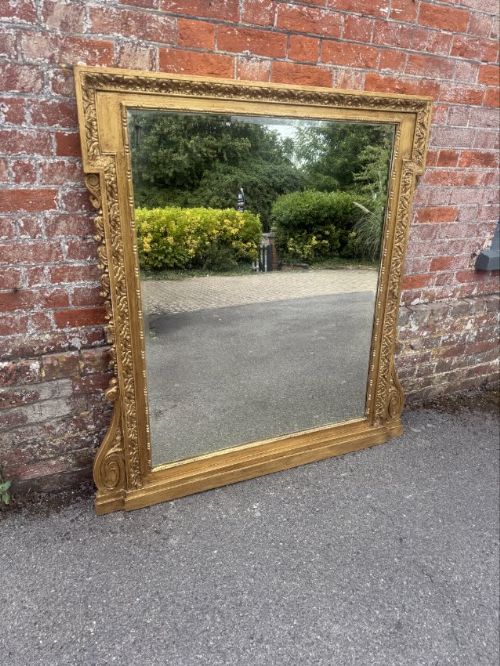
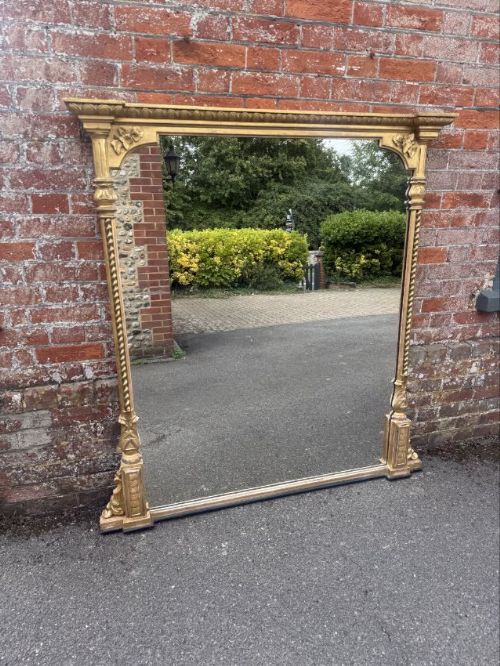
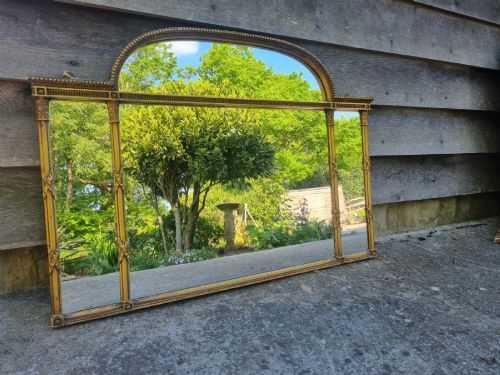
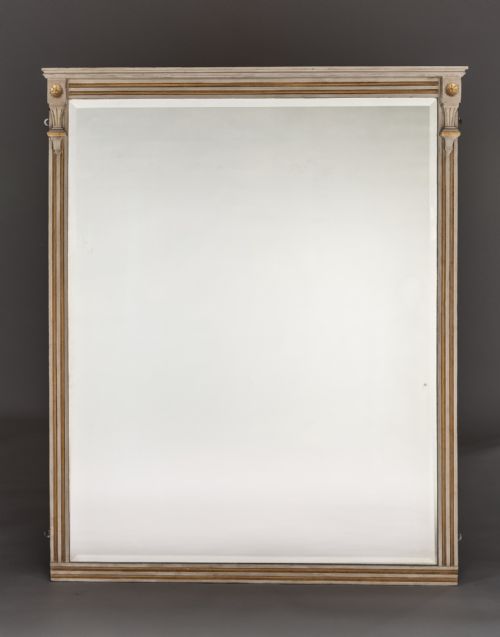
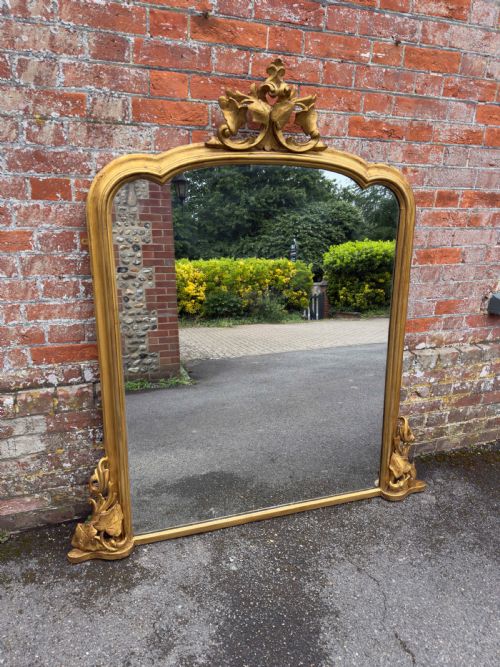


Gilt Framed Chimney Mirror
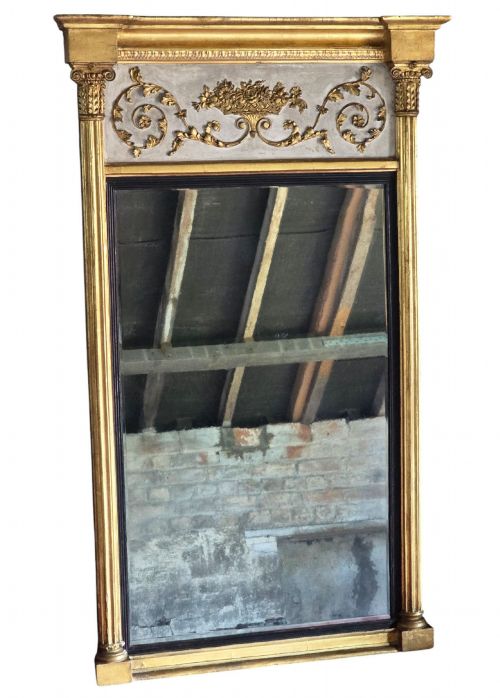
A gilt framed chimney mirror sits above the hearth, designed to bounce light around a room and anchor a Victorian or Regency interior.
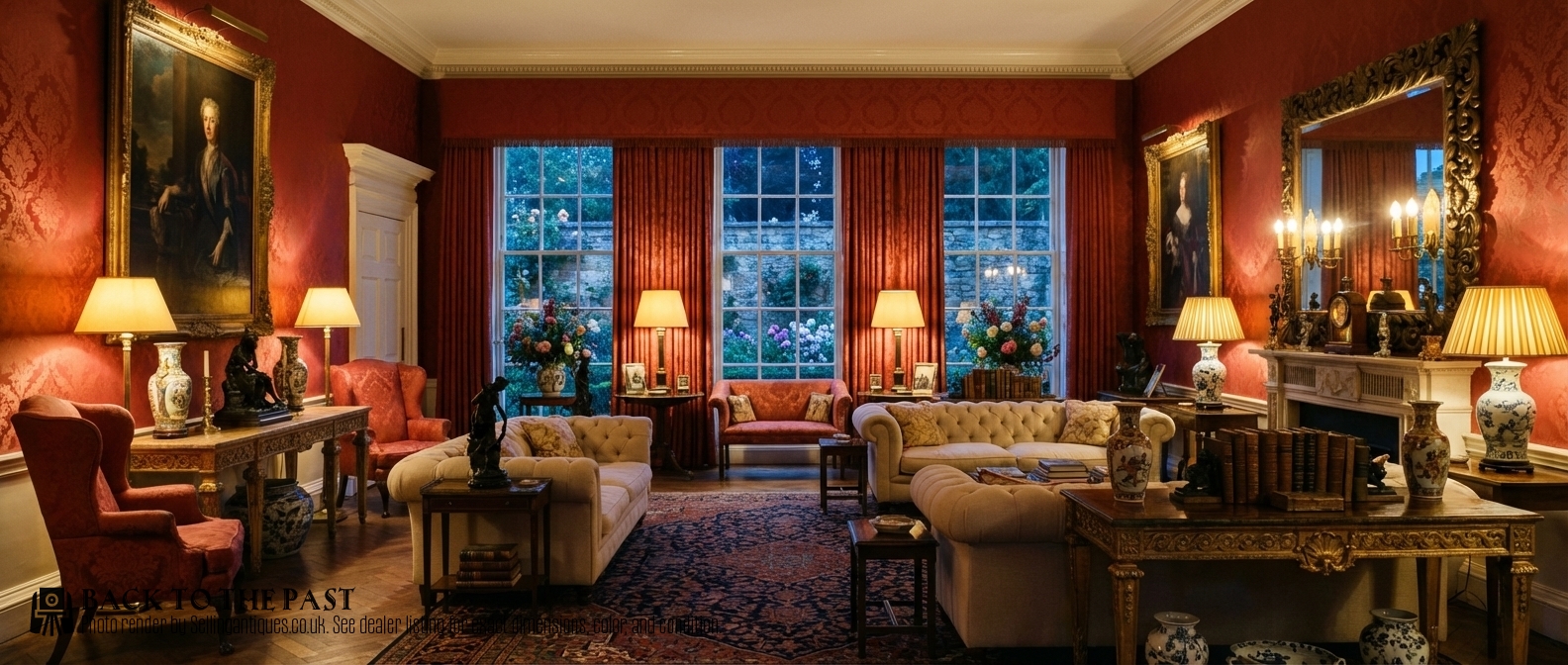
Gilt Framed Chimney Mirror
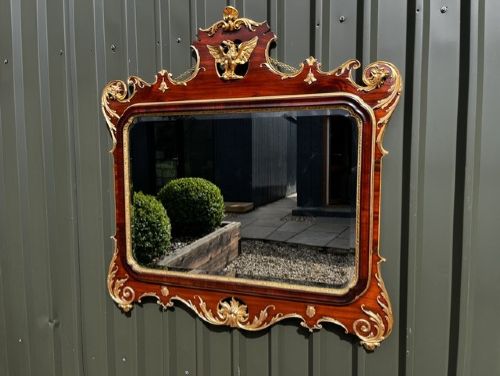
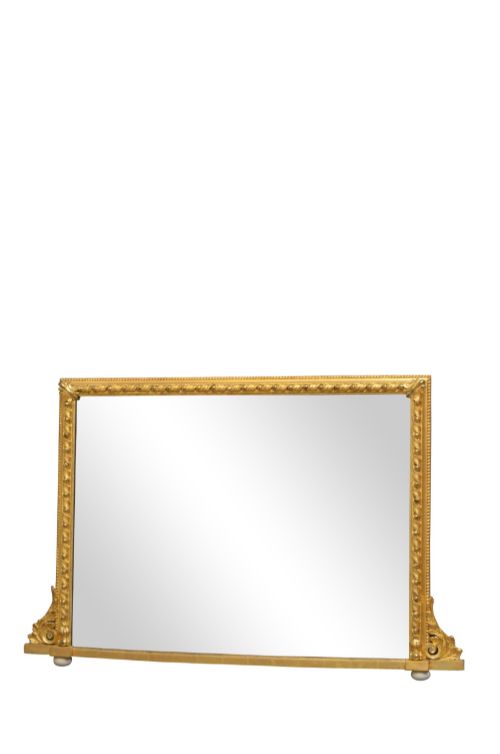
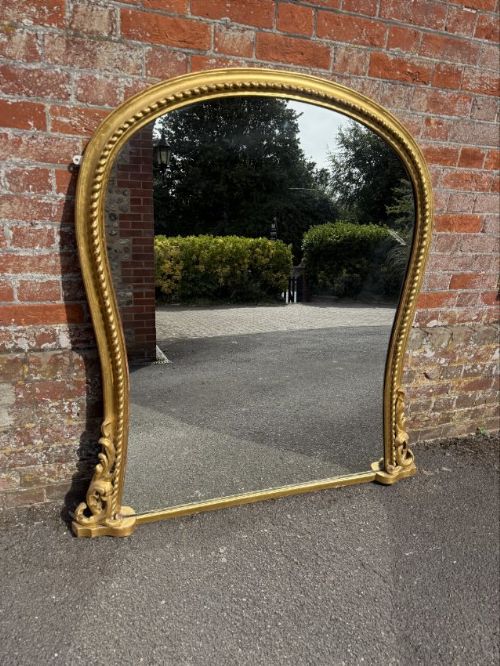
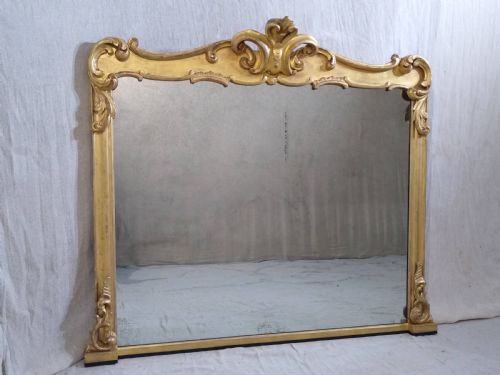
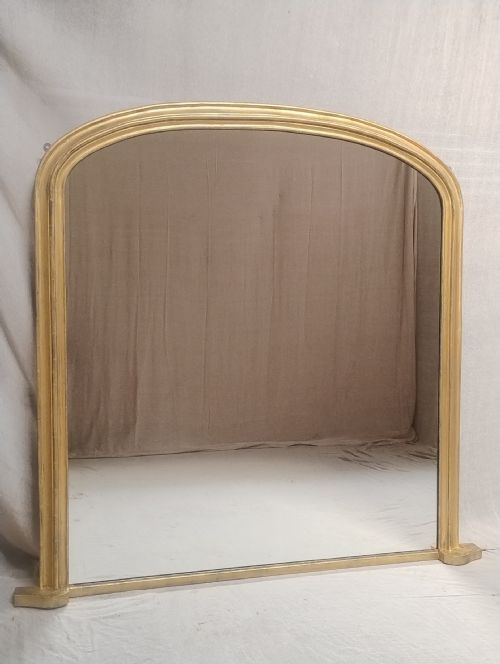
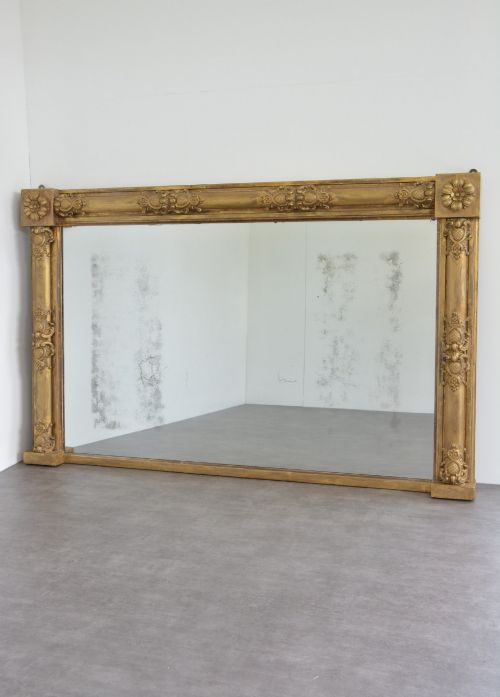
When you search for a gilt framed chimney mirror, you encounter large horizontal overmantel mirrors designed specifically to sit above a fireplace opening. These pieces date predominantly from the nineteenth century, spanning Regency through to Edwardian periods, with Victorian examples appearing most frequently.
The physical form is typically wide and substantial, shaped to span the width of a chimney breast. Many examples feature arched, shaped, or rectangular tops, occasionally incorporating compartmentalised glass panes within the overarching frame.
Materials and Construction
Makers constructed the structural frames from carved wood such as mahogany or oak, applying layers of gesso to build up decorative surface relief. Gilding was achieved using gold leaf or applied gilt finish upon the prepared wooden substrates.
Mirrors incorporated heavy glass plates, frequently silvered using period techniques that result in natural foxing over time. Frames were further ornamented with composition mouldings, rope twists, ribbed columns, or neoclassical motifs.
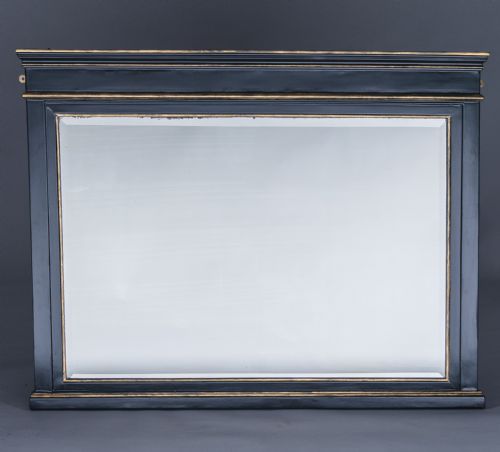
Listings feature pieces spanning from the Regency era through to the Edwardian period, constructed in gesso, giltwood, mahogany, and ebonised wood.
Markers of Quality
Distinctions in quality rest upon the crispness of the hand-carved wood details and the depth of the gesso mouldings applied to the frame. Superior examples display clean joinery, well-defined rope twists or neoclassical decorations, and substantial timber weights.
The integrity of the original mirror glass and the richness of the gilding contribute significantly to the standing of a piece. Finer items retain their original components, including backboards and mercury or early silvered glass plates showing characteristic age.
The Gilt Framed Chimney Mirror Glossary
- Gesso
- A plaster-like mixture applied to wood frames to create a smooth surface for carving and gilding. It allows for intricate moulded details and relief ornamentation.
- Overmantel
- A large wall mirror specifically proportioned to hang on the wall above a mantelpiece or fireplace. These items often feature wide horizontal formats.
- Foxing
- Age-related spots and discoloration within the silvering of mirror glass. This occurs naturally as moisture interacts with the backing over many decades.
- Gilding
- The application of gold leaf or metallic powder to the surface of a wooden frame. This technique produces a bright reflective finish characteristic of period frames.
- Parcel-gilt
- A decoration style where only specific carved portions of a painted or ebonised wooden frame are highlighted with gold leaf.
Gilt Framed Chimney Mirror: Frequently Asked Questions
How do I hang a heavy overmantel mirror?
These large mirrors require secure attachment directly into structural wall studs or masonry using heavy-duty brackets. The substantial weight of timber and glass demands professional installation to ensure safety.
Due to their width, mirrors placed above fireplaces are typically positioned a few inches above the mantel shelf to rest visually and physically.
What periods do these mirrors come from?
The selection spans the nineteenth century, capturing Regency, Victorian, and Edwardian eras. Regency pieces often exhibit clean classical lines, while Victorian variants lean towards ornate gesso decorations and arched profiles.
Evolving tastes across these decades introduced variations in framing, from plain mahogany mouldings to elaborate Rococo Revival and neoclassical styles.
Are the glass plates original?
Many surviving examples retain their original mirror plates, which frequently exhibit light foxing, speckling, or age spots. These natural imperfections confirm the period authenticity of the glass.
Replacements do occur over long histories, so examining the backboards and the fit within the rebate helps determine if the glass is contemporary to the frame.
How do I clean a gilt frame?
Dusting gently with a soft, dry brush prevents accumulation without disturbing fragile gesso or gold leaf surfaces. Avoid using liquid cleaners, chemical sprays, or water on antique gilded wood.
Glass panes can be wiped with a mild glass cleaner applied to a cloth rather than sprayed directly, ensuring no moisture reaches the antique frame or backing.