

Vintage Gilt Frame Art
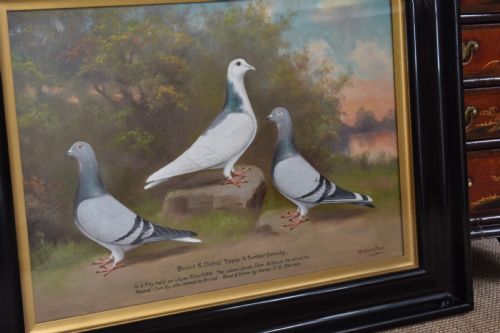
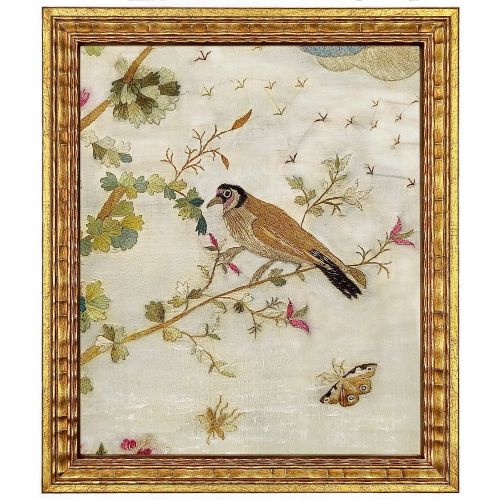
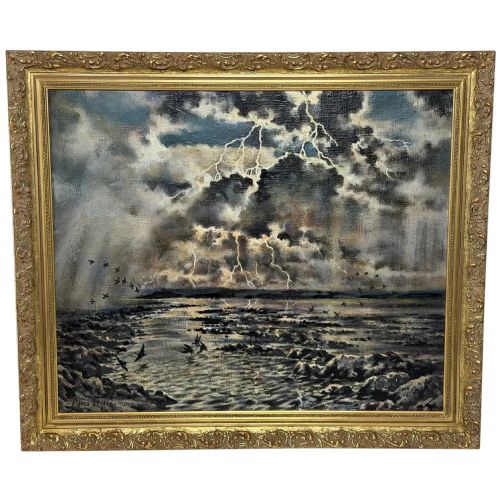
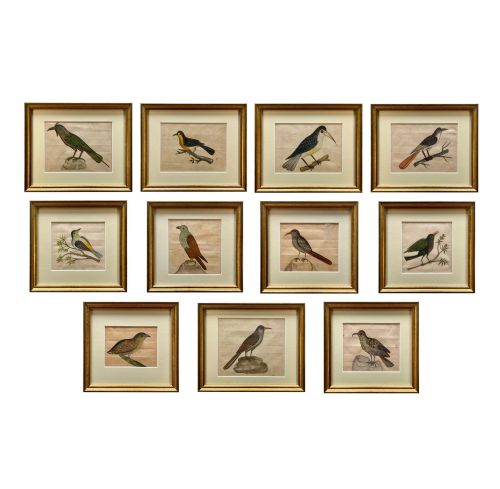
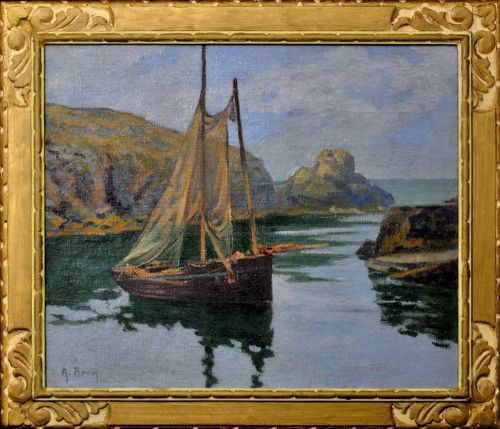
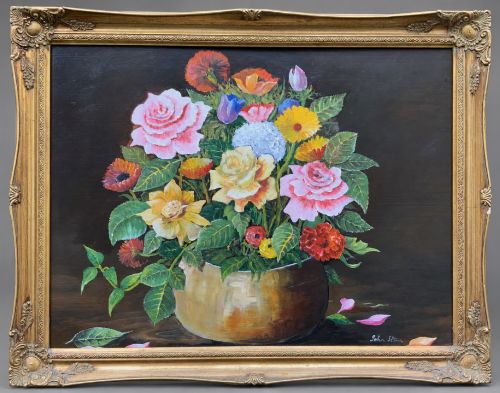
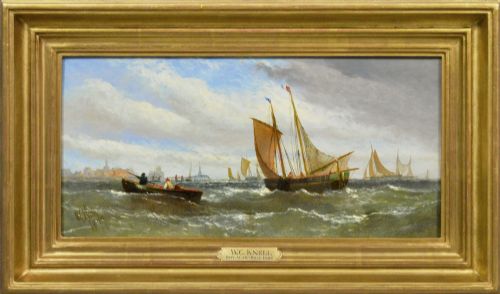
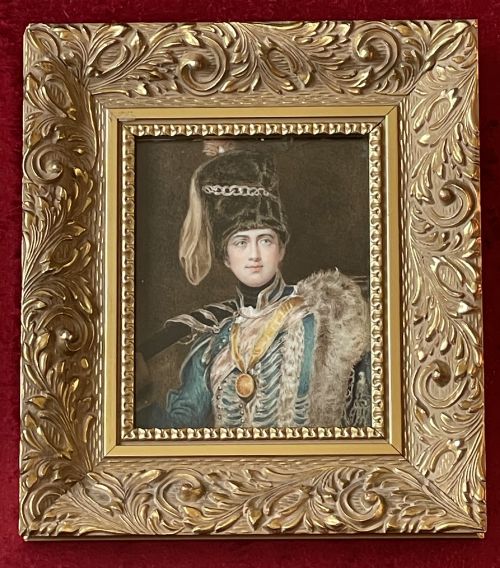
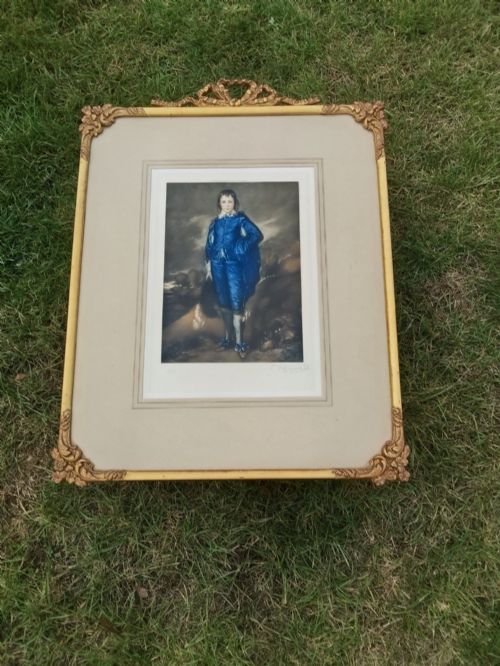
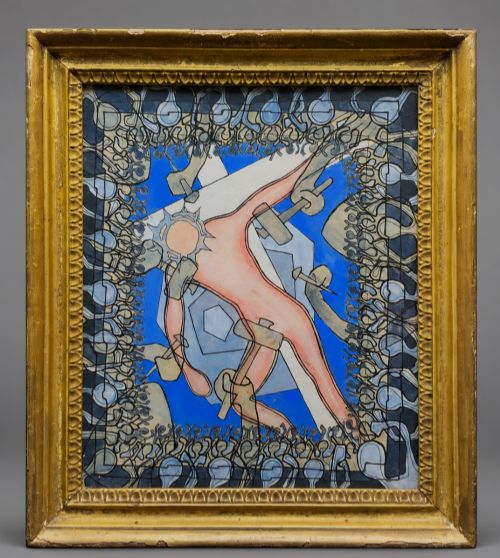
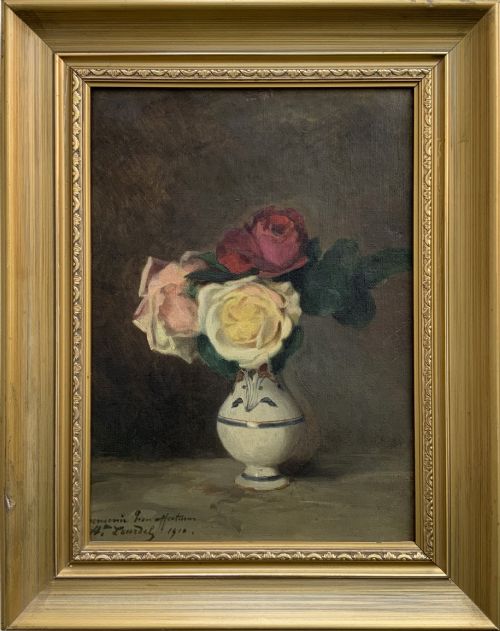
Vintage gilt frame art brings warmth and historic character to a room through richly decorated metallic surrounds enclosing period paintings and works on paper.
Vintage Gilt Frame Art
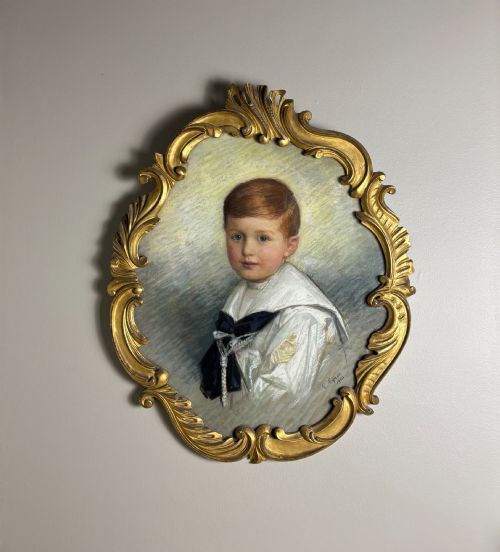
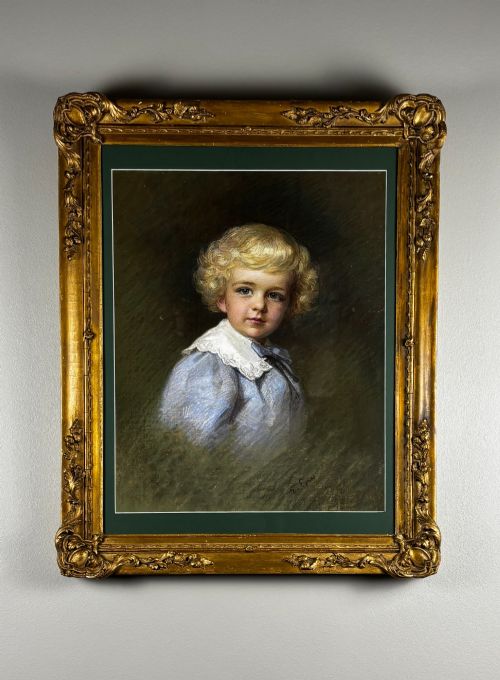
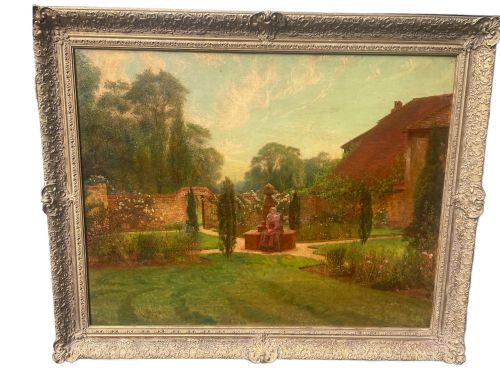
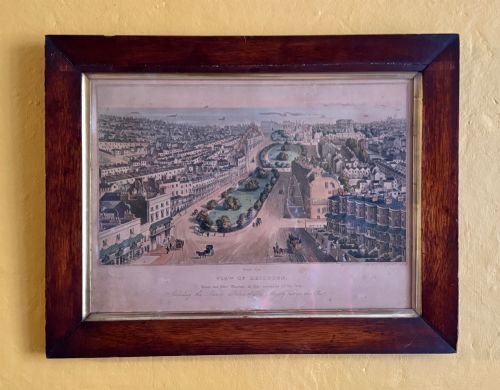
Vintage gilt frame art comprises framed paintings, watercolours, and drawings spanning several centuries, unified by their metallic surrounds. Buyers seek these pieces to anchor a room with traditional texture and narrative depth.
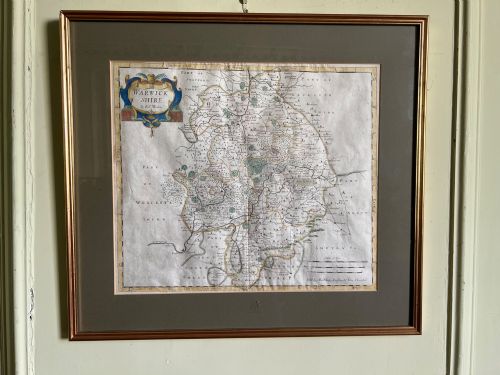
The selections range from seventeenth-century Dutch maps and eighteenth-century portraits to nineteenth-century sporting scenes and mid-twentieth-century winter landscapes. Oil on canvas works and watercolours on paper predominate throughout the collection.
Frames vary from deep giltwood and gesso fluted hollow mouldings to simpler gilded wooden borders. Each combination of artwork and mount reflects the aesthetic priorities of its original period.
How they were made
Makers constructed the supports primarily from wood, stretching canvas for oil paintings or mounting paper for watercolours, gouache, and pastel portraits. Gilt wood and gold leaf were applied to carved wooden mouldings to create the luminous frames.
Gesso layers beneath the leaf provided a smooth ground for burnishing, achieving the reflective metallic surfaces characteristic of these pieces. Pigments were hand-mixed in oil or water-based binders, producing the durable tones seen in landscape, portrait, and still life subjects.
Vintage Gilt Frame Art Retail Price Guide 2026
Typical asking prices for vintage gilt frame art among the pieces listed under this phrase on Sellingantiques today, from the lower quarter to the upper quarter. They describe what is for sale here now, not the wider market.
Listings feature works spanning from the seventeenth century to the mid-twentieth century, utilising oil on canvas, paper, and gilt wood.
What varies in quality
Quality rests in the harmony between the artistry of the painting and the craftsmanship of the frame. Superior pieces display confident brushwork, precise anatomical or architectural drawing, and depth in the composition.
The integrity of the gilding distinguishes finer frames from later restorations, with original gold leaf showing subtle patination rather than flat modern paint. The weight and carving depth of the wooden moulding further indicate the original investment in the piece.
John Russell R.A.·Joan Blaeu·Paja Jovanović·George F. Bird·Henry Barraud
The Vintage Gilt Frame Art Glossary
- Gesso
- A plaster mixture applied to wood mouldings as a base for gilding. It provides a smooth surface that can be carved or polished before gold leaf application.
- Giltwood
- Timber coated with gold leaf or metallic powder. It forms the core structural material for ornate picture frames.
- Gouache
- An opaque water-based paint mixed with a gum binder. It produces dense, matte colour fields on paper supports.
- Provenance
- The documented history of ownership for a work of art. It establishes authenticity and traces the journey of the piece through time.
- Dutch School
- A collective term for seventeenth-century artists working in the Netherlands. Their output is noted for mastery of light, landscapes, and domestic scenes.
Vintage Gilt Frame Art: Frequently Asked Questions
How do I date an antique frame?
Dating relies on the construction techniques of the wooden moulding, the composition of the underlying gesso, and the style of the corner joints. Hand-carved details and layered preparation grounds typically point to earlier centuries.
Secondary indicators include the type of fasteners used at the back and the presence of historic labels or stamps from framers. Comparing the frame style to the period of the artwork enclosed helps confirm its original context.
Are oil paintings on canvas delicate?
Oil paintings on canvas are durable when maintained in stable environmental conditions. The canvas substrate responds to changes in humidity by expanding and contracting.
Keeping pieces away from direct sunlight and dramatic temperature swings prevents cracking in the paint layer and warping in the wooden stretcher bars behind the canvas.
What subjects are most common?
Portraits, landscapes, and still life compositions dominate the available selections across various centuries. Equestrian scenes, marine paintings, and botanical watercolours also feature prominently.
These subjects reflect the domestic and decorative tastes of the periods in which they were created, offering windows into historical pastimes and natural studies.