
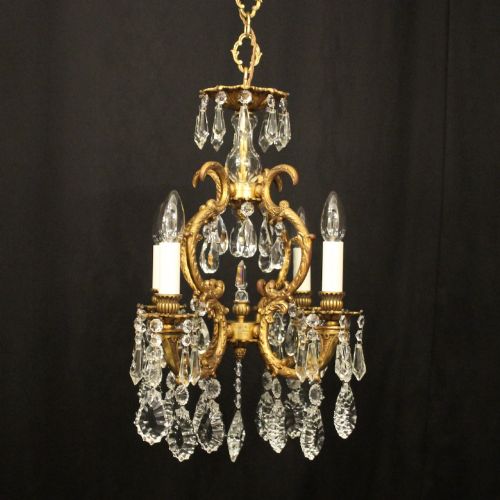
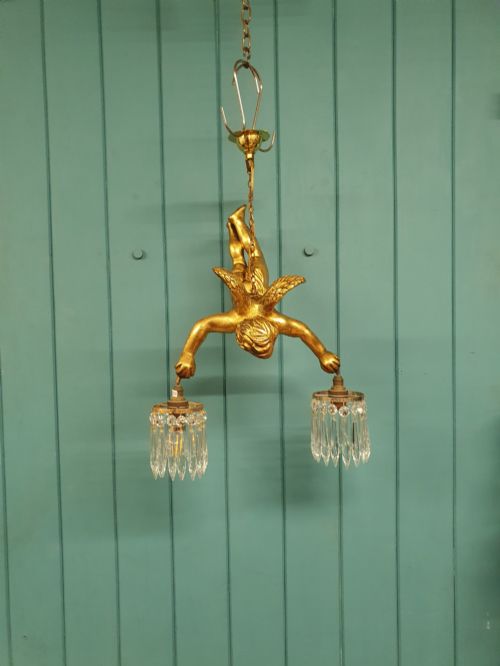
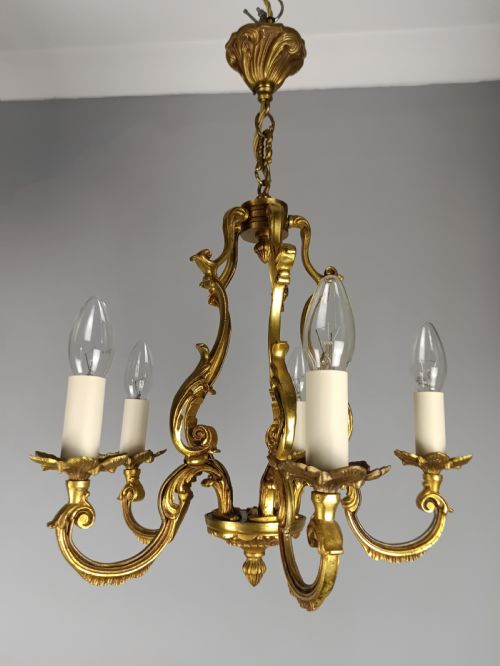
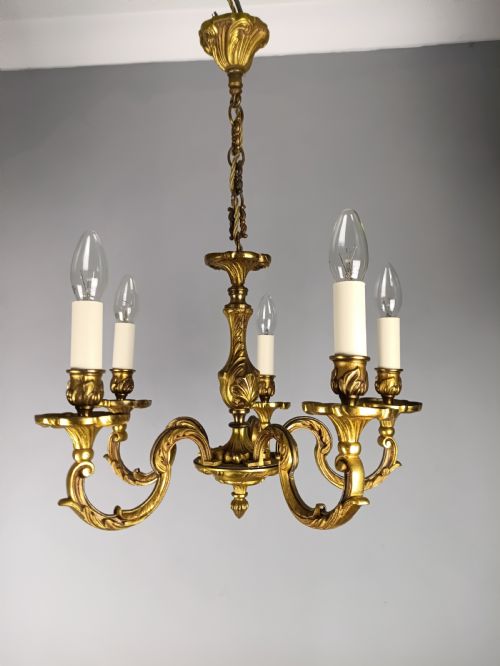
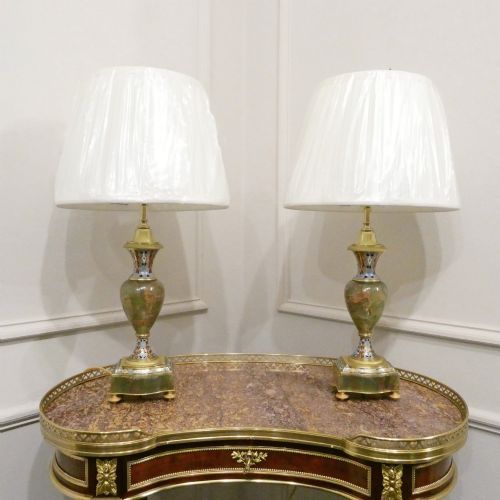
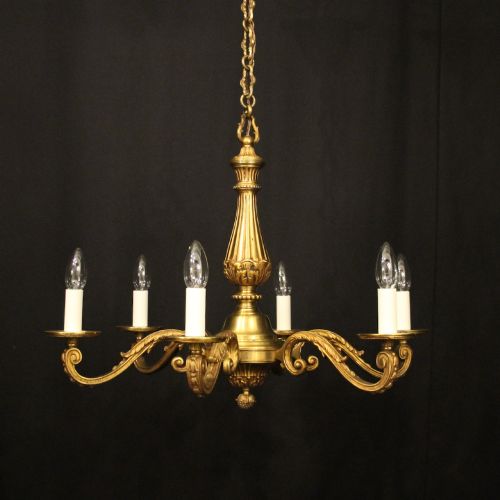
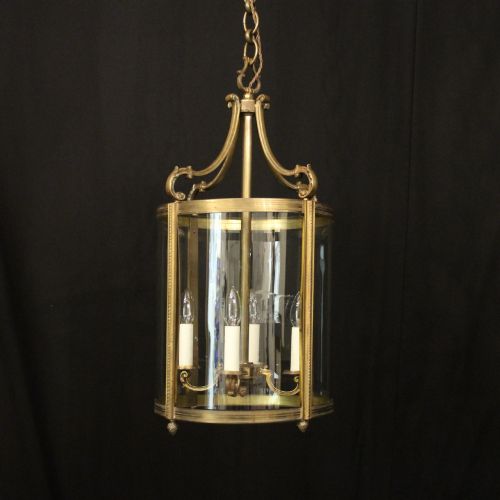
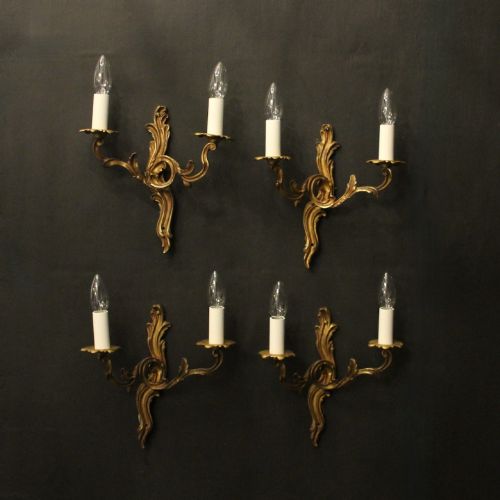


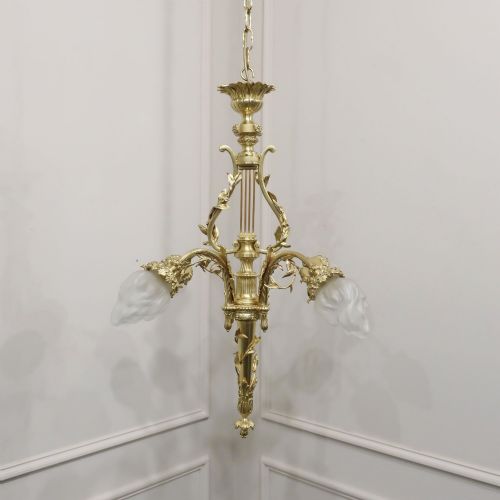
Vintage Gilt Bronze Lighting
These vintage gilt bronze lighting pieces bring weight and warmth to a room through heavy cast metals and rich surface finishes.
Vintage Gilt Bronze Lighting
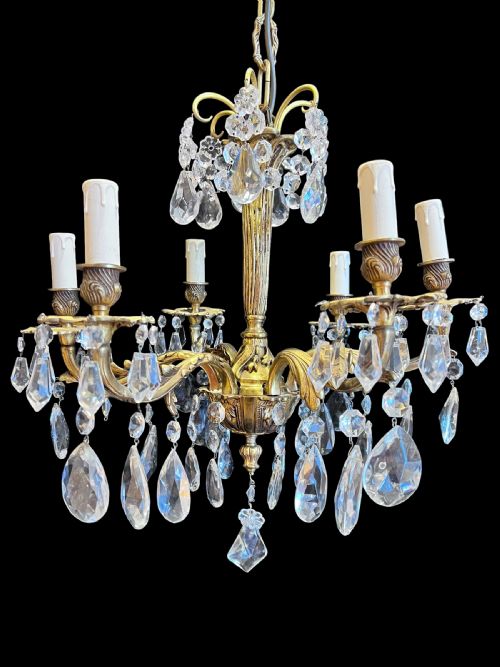
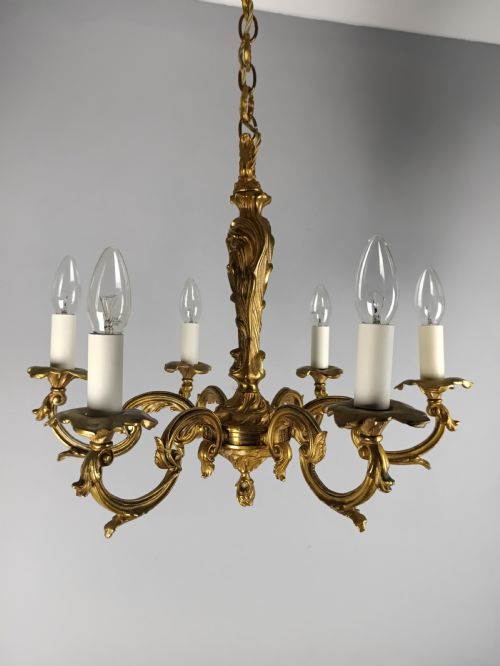
When you search for vintage gilt bronze lighting, you encounter French chandeliers, wall lights, and table lamps spanning the nineteenth and early twentieth centuries. These objects range from multi-armed hanging chandeliers with crystal drops to heavy candelabra and small table lamps designed for intimate spaces.
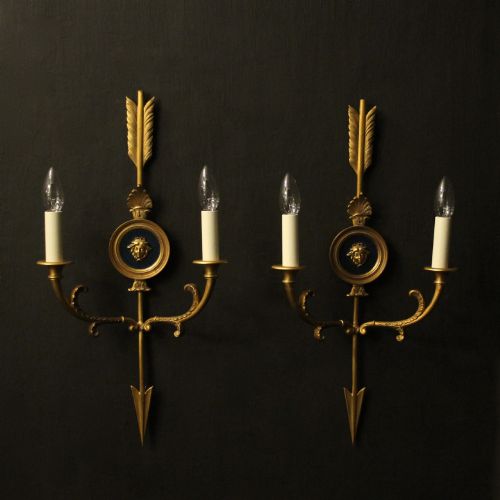
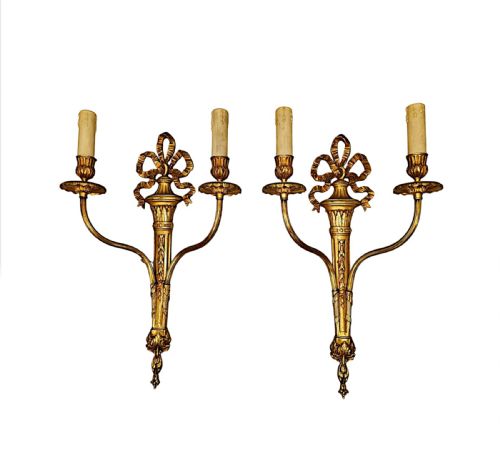
The most common items on this page are French wall lights and multi-light chandeliers dated around nineteen twenty and nineteen thirty. These pieces frequently employ classical motifs such as ribbons, lyres, and cherubs alongside structural forms like birdcages and lanterns.
Earlier nineteenth century examples lean towards Empire and Regency designs, incorporating heavier architectural details and substantial ormolu mounts. Buyers select these items to anchor historic interiors or to introduce genuine period craftsmanship into contemporary rooms.
How they were made
The makers of vintage gilt bronze lighting relied on foundational metal casting, shaping brass, bronze, and spelter into intricate arms, sconces, and frames. Artisans applied gilding or ormolu finishes to the metal surfaces to create a lasting golden sheen.
Many of these fixtures incorporate glass and crystal elements, including cut glass spikes, beaded drops, and panels that reflect the illumination from multiple candle or bulb branches. Secondary materials like marble, onyx, and turquoise blue porcelain appear in the bases and bodies of table lamps to add colour and contrast.
Surface ornamentation involved chasing and casting techniques that produced sharp relief on floral motifs, animal figures, and architectural trims. These physical assembly methods ensured that heavy hanging lanterns and multi-branch chandeliers remained structurally sound while supporting glass crystals and porcelain components.
Object forms recorded here range from wall sconces and table lamps to grand tent and waterfall chandeliers with up to nine light branches.
What varies in quality
The crispness of the cast metal ornamentation distinguishes finer pieces from simpler commercial output. Superior items display deep, sharp relief in the chasing of acanthus leaves, figures, and architectural mouldings, whereas lesser examples present softer, shallower surface details.
The choice of primary metal and the depth of the gilding dictate the visual authority of each fixture. Heavy cast bronze and rich ormolu retain their warmth and presence across decades, while lighter brass or plated metal finishes wear differently over time.
Integration of secondary materials such as hand-cut crystal, matched onyx panels, or fine porcelain trim elevates certain pieces above standard production. The overall harmony of proportion between the metal frame, the number of light branches, and the hanging crystal elements governs the success of the design.
E Rousseau·Casier
The Vintage Gilt Bronze Lighting Glossary
- Ormolu
- Gilded bronze, typically produced by applying a finely ground high-carat gold-mercury amalgam to a bronze base. This historic technique creates a deep, durable golden surface.
- Chandelier
- A branched hanging light fixture designed to hold multiple candles or electric bulbs. These fixtures often incorporate crystal drops and elaborate metal framing.
- Candelabra
- A multi-branched candlestick holder designed to support several candles simultaneously. These objects frequently feature heavy metal casting and decorative figural motifs.
- Sconce
- A wall-mounted lighting fixture with arms that project outward to hold candles or bulbs. They typically attach directly to vertical surfaces in pairs or sets.
- Spelter
- An alloy of zinc and other metals utilised as a cheaper alternative to bronze. Makers often cast this material into figurative components like cherubs before applying a gilt finish.
Vintage Gilt Bronze Lighting: Frequently Asked Questions
How do I clean vintage gilt bronze lighting?
Dust these metal surfaces gently with a soft, dry brush to prevent the accumulation of dirt within the intricate chased details. Avoid harsh chemical cleaners or abrasive cloths that can strip away the historic gilt or ormolu finish.
For glass and crystal components, detach them if possible and wash them in lukewarm soapy water before drying thoroughly. Take care to keep moisture away from any remaining electrical wiring or antique fabric cords.
Are these vintage lights wired for modern use?
Many pieces arrive with historical wiring that may require professional rewiring to meet contemporary electrical safety standards. An accredited electrician can adapt the internal fittings while preserving the exterior antique components.
Collectors often choose to retain original candle tubes or sockets where possible to maintain the visual integrity of the piece. Modern bulbs should be selected with appropriate wattage limits to protect delicate shades and crystal drops from excess heat.
What is the difference between gilt bronze and brass?
Gilt bronze consists of a copper and tin alloy treated with a gold coating, offering a heavy weight and a rich, warm surface colour. Brass is a copper and zinc alloy that tends to have a brighter, yellower tone when unplated.
Antique lighting descriptions often use terms like gilded brass and gilded bronze interchangeably, but bronze typically permits sharper casting and finer detail work.
How do I hang a heavy antique chandelier safely?
Heavy bronze and crystal fixtures require direct support from ceiling joists or structural nogs rather than standard plasterboard fixings. A qualified installer should assess the weight of the chandelier and the capacity of the ceiling mount before hanging.
Ensure the hanging chain and internal wiring are strong enough to bear the full load of the metal frame and glass components without placing tension on the decorative arms.