

Vintage Gentleman Walking Cane
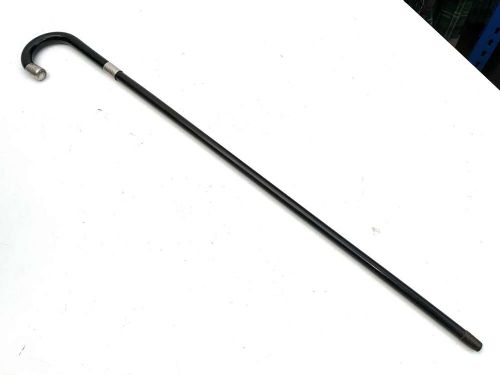
A vintage gentleman walking cane carries the practical craftsmanship and distinct functional design of the nineteenth and early twentieth centuries.
Vintage Gentleman Walking Cane
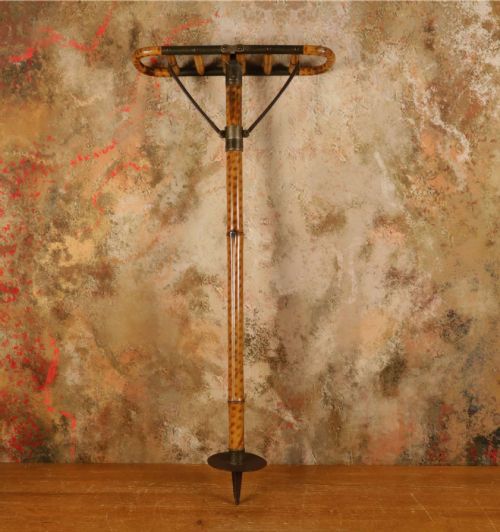
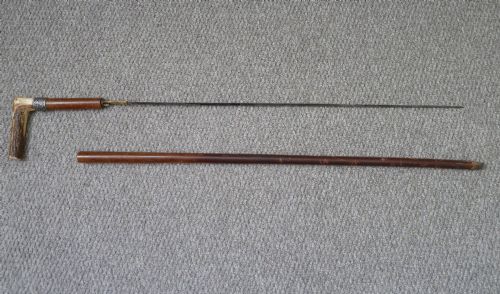
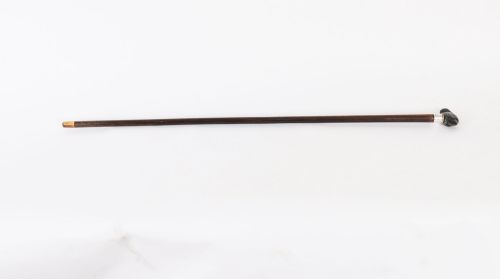
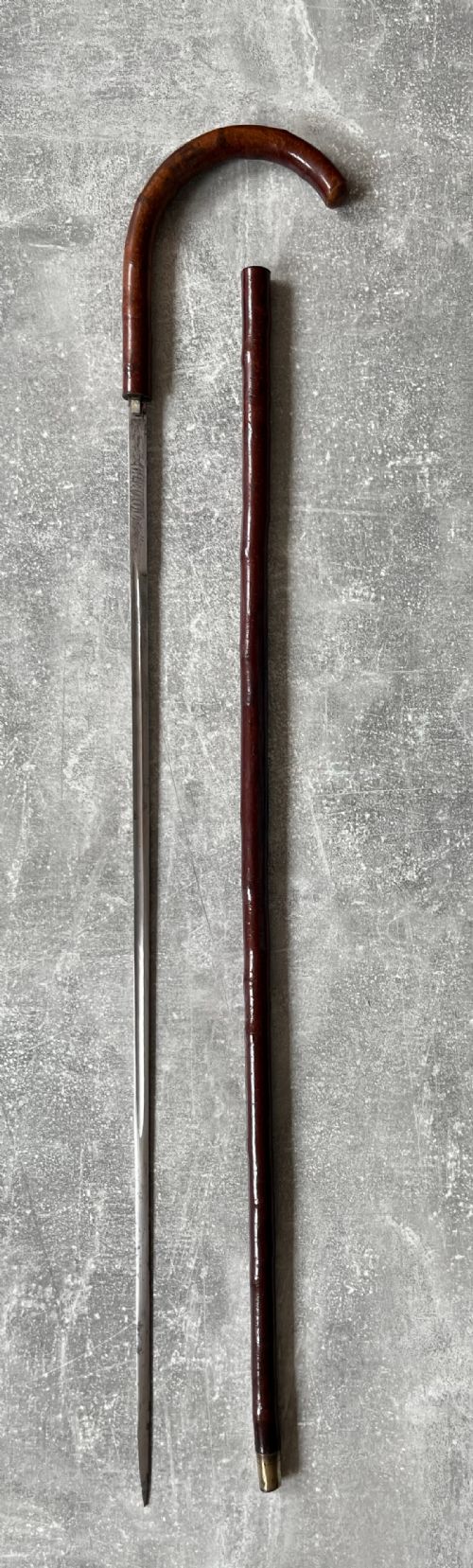
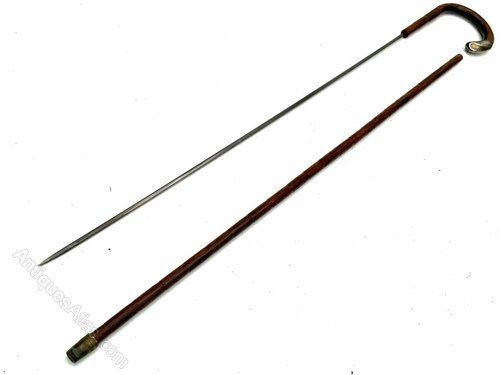
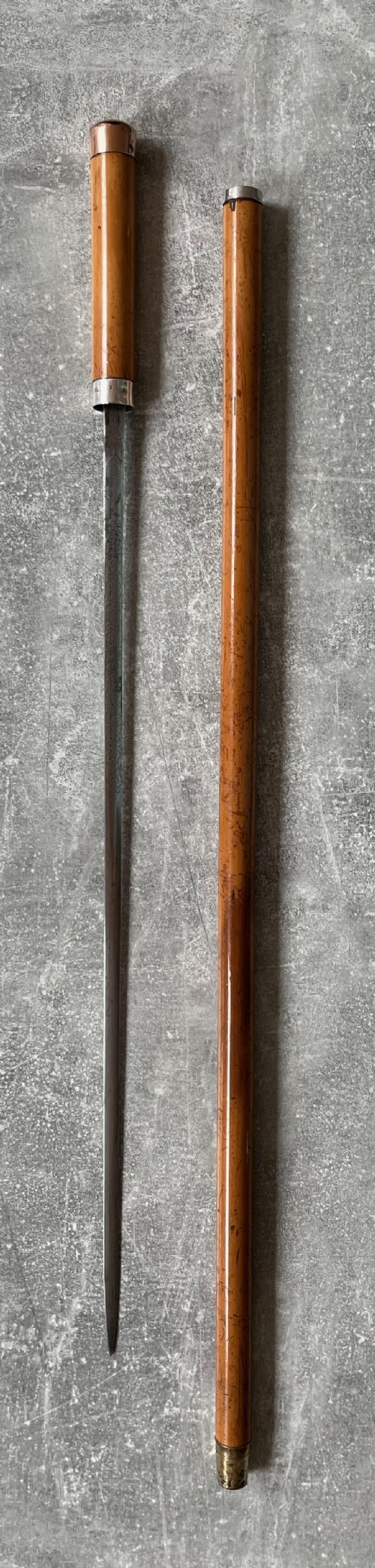
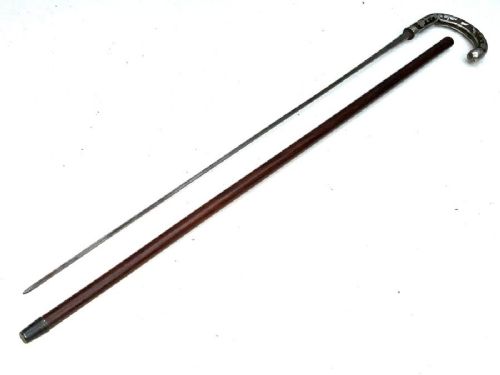
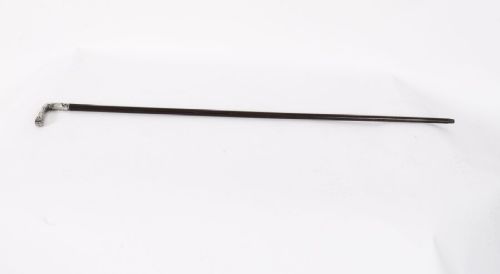
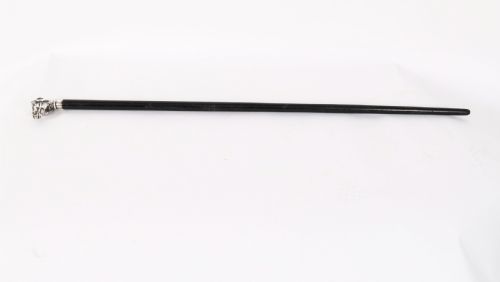
A vintage gentleman walking cane encompasses traditional supports produced through the Victorian, Edwardian, and Art Deco eras. These objects range from standard walking sticks to specialised sword sticks featuring concealed blades and button releases.
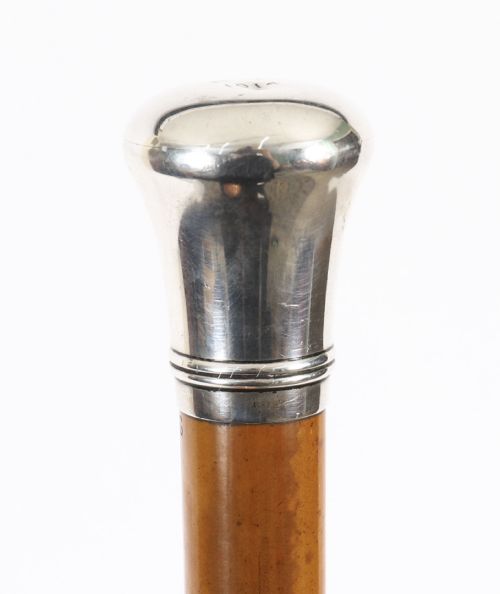
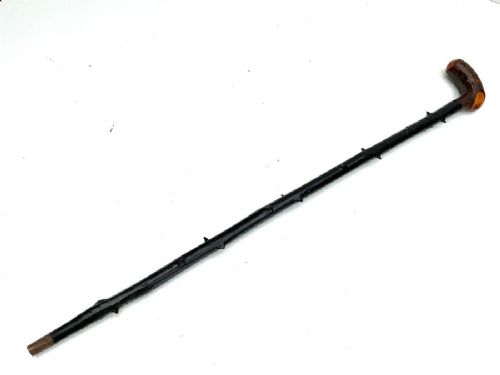
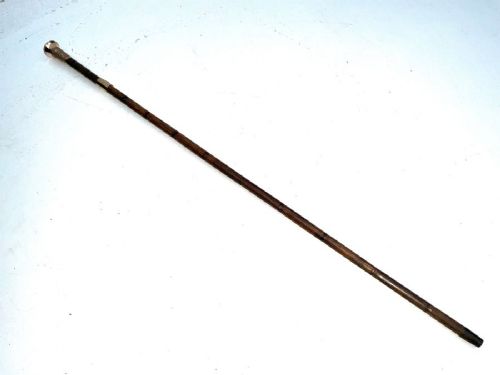
Makers utilised various natural materials to construct shafts, including partridge wood, malacca, bamboo, cherrywood, and blackthorn. Handles often incorporate carved horn, silver, gold plate, or porcelain details, reflecting the specific style of French and English workshops.
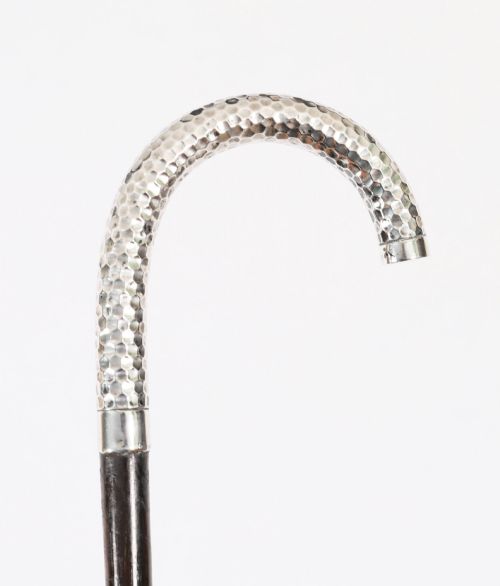
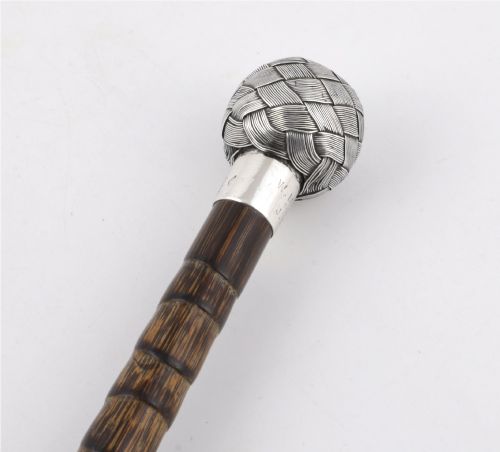
Buyers frequently encounter examples bearing silver collars, hallmarked mounts, or novelty handles shaped like horse heads, boar heads, and parrots. Regional variations span from traditional Irish blackthorn pieces to French Belle Epoque designs.
Materials and construction
Shafts rely on dense hardwoods and natural canes such as malacca and bamboo, shaped and treated to withstand daily use. Metal components include steel shafts, brass collars, and Toledo blades fitted securely within sword sticks.
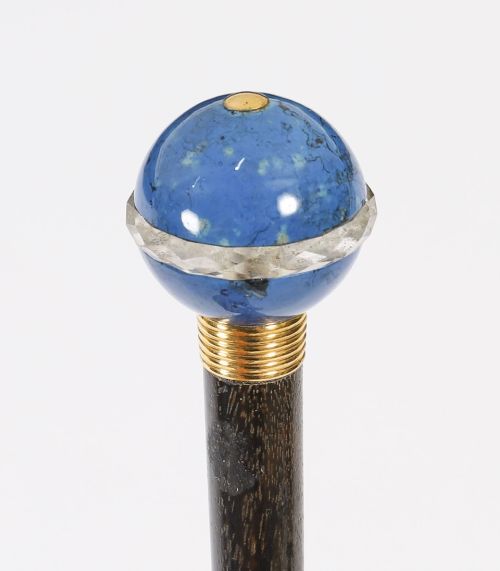
Handles and mounts combine precious metals like silver and gold plate with organic substances including horn, lapis lazuli, and carved wood. Artisans joined these elements using threaded collars and internal pins to ensure stability.
Vintage Gentleman Walking Cane Retail Price Guide 2026
Typical asking prices for vintage gentleman walking cane among the pieces listed under this phrase on Sellingantiques today, from the lower quarter to the upper quarter. They describe what is for sale here now, not the wider market.
Listings span the Victorian, Edwardian, and Art Deco eras, featuring hardwoods, silver, horn, and steel.
Assessing craftsmanship
The degree of detail in carved animal heads and metalwork separates standard utility items from distinguished presentation pieces. Superior examples exhibit finely chased silver mounts, intricate engraving on blades, and well-fitted release mechanisms.
Material selection dictates durability and finish, with dense hardwoods and genuine horn providing superior weight and balance compared to basic metal plating. The precise alignment of concealed blades within wooden shafts demonstrates advanced joinery.
Briggs·Wilkinson
The Vintage Gentleman Walking Cane Glossary
- Malacca
- A sturdy rattan cane imported from Southeast Asia, prized for its mottled brown surface and structural resilience.
- Sword stick
- A walking cane concealing a functional steel blade within the wooden shaft, typically accessed via a button release mechanism.
- Collar
- The metal band situated just below the handle, often engraved with initials, hallmarks, or decorative patterns.
- Toledo blade
- A tempered steel blade produced in Spain, known for flexibility and historical association with quality weaponry.
- Partridge wood
- A dense tropical timber exhibiting distinctive partridge-feather patterning, utilised for durable walking shafts.
Vintage Gentleman Walking Cane: Frequently Asked Questions
How do I operate a sword stick?
Concealed blades are typically secured inside the wooden shaft by a spring catch or button release mechanism. Pressing the button disengages the lock, allowing the handle and blade to slide smoothly out from the body of the cane.
Users should handle these items with care to avoid damaging the internal wooden channel or the locking pin over time.
What woods are used for shafts?
Makers selected dense timbers such as partridge wood, cherrywood, rosewood, and holly for their strength and straight grain. Natural canes like malacca and bamboo were also widely employed due to their lightweight resilience.
These materials were often straightened using heat and finished with multiple coats of varnish or polish to protect against moisture.
How are silver collars dated?
Silver collars frequently feature British hallmarks or continental stamps that indicate the assay office and year of manufacture. Examining these tiny stamped symbols allows collectors to determine the exact period of production.
Unmarked mounts require stylistic analysis of the engraving work and the overall design to estimate their age.
What is a novelty handle?
Novelty handles depart from standard crook or derby shapes to form recognisable figures such as animal heads, golf clubs, or carved portraits. These designs often utilised materials like porcelain, silver, or carved horn to create striking visual appeal.
Such pieces reflect the personal tastes of the original owner and the playful craftsmanship popular during the Victorian and Edwardian periods.