



Vintage Gentleman Library Chair
A vintage gentleman library chair offers deep-seated comfort in mahogany, walnut, or rosewood, matched with aged leather.
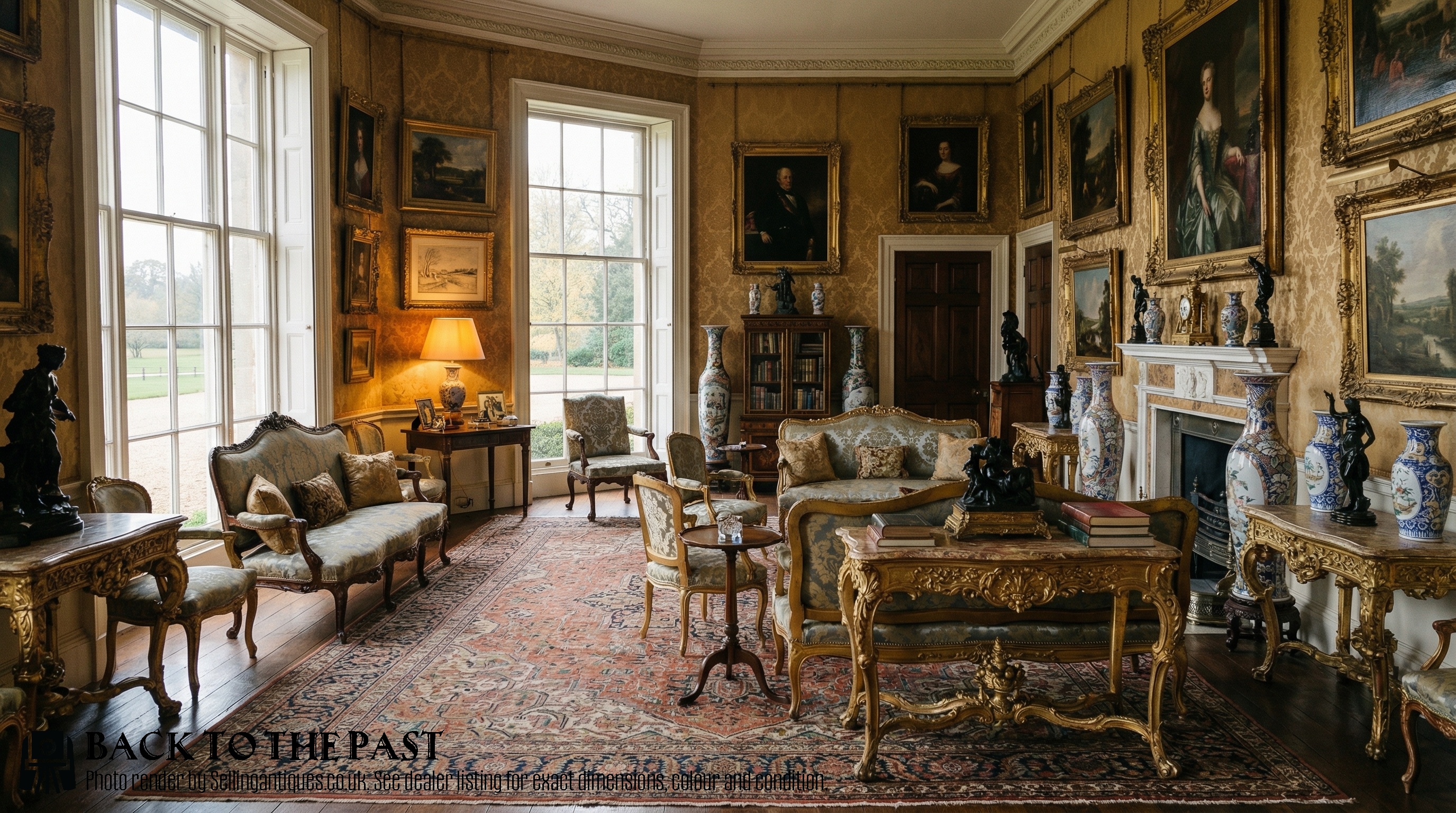
Vintage Gentleman Library Chair
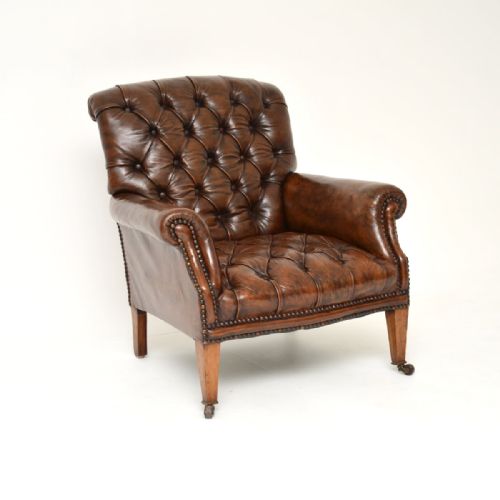
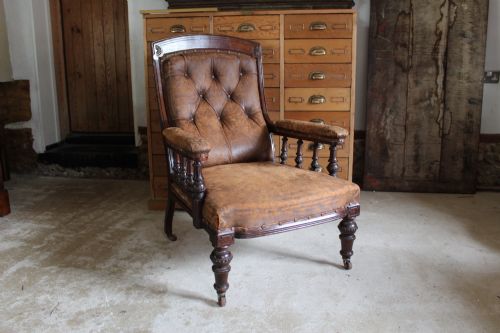
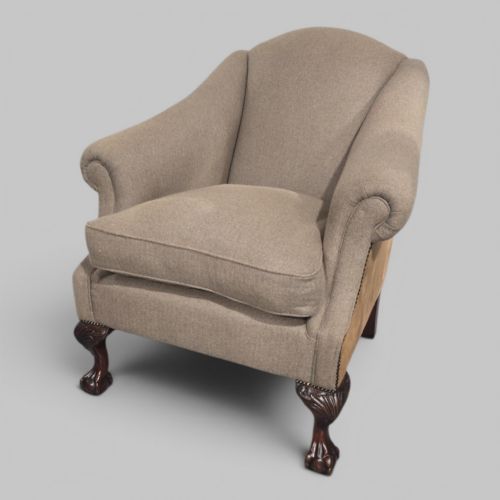
A vintage gentleman library chair is a substantial armchair designed for reading and study, frequently encountered in Victorian, Edwardian, and Georgian forms. Buyers searching this phrase will find sturdy armchairs featuring timber frames and leather or fabric upholstery.
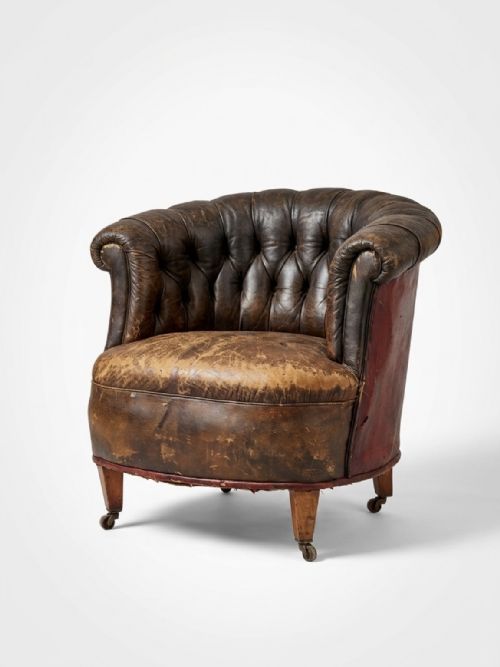
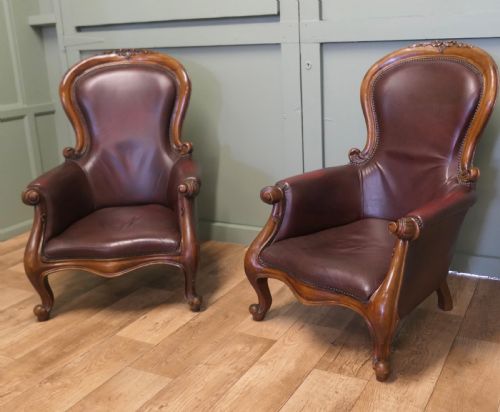
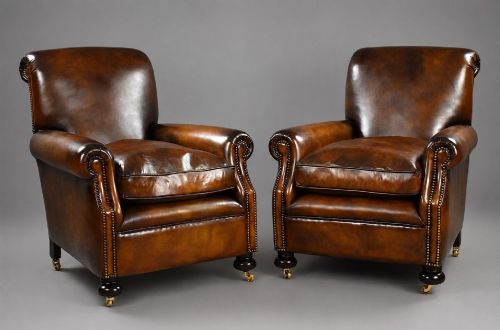
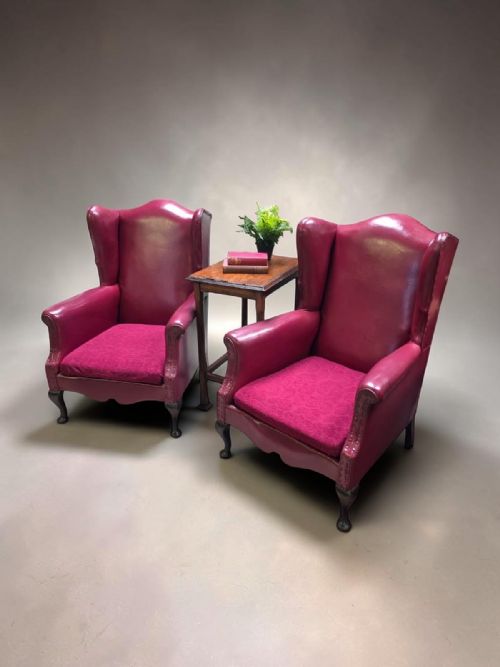
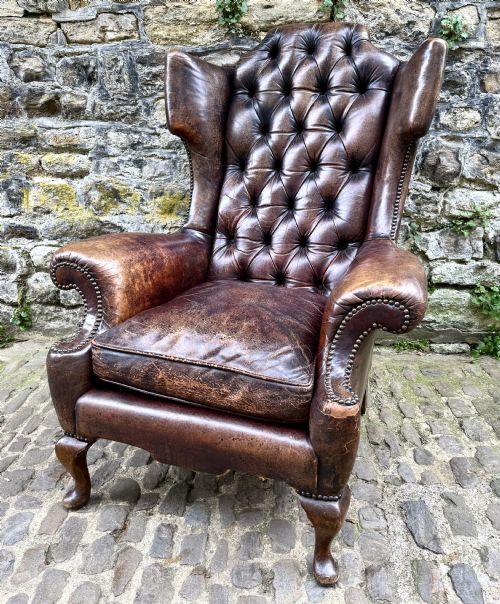
The most common examples on this page are Victorian and nineteenth century leather wing armchairs, tub chairs, and club chairs. These pieces combine robust wood construction with supportive backs and generous armrests.
Makers and designers of the period also produced specific iterations such as Gainsborough chairs and patented reclining designs. These seating options span various revival styles including Chippendale, Queen Anne, and Late Regency.
Materials and construction methods
Frames are constructed from dense hardwoods like mahogany, walnut, and rosewood, offering structural stability for heavy daily use. Carved details and exposed woodwork demonstrate traditional joinery techniques.
Upholstery relies on durable leather, wool, and fabric fastened securely to the frame. Brass castors frequently finish the feet on nineteenth century examples to allow smooth movement across carpets and wooden floors.
Vintage Gentleman Library Chair Retail Price Guide 2026
Typical asking prices for vintage gentleman library chair among the pieces listed under this phrase on Sellingantiques today, from the lower quarter to the upper quarter. They describe what is for sale here now, not the wider market.
The furniture forms include wing armchairs, tub chairs, club chairs, and patented reclining designs supported on brass castors.
Assessing quality in library seating
Superior examples display crisp carving on the timber frame and retain their original leather patination rather than modern replacement upholstery. The weight of the timber and the integrity of the internal springing dictate the durability of the chair.
Signed pieces or attribution to known workshops elevate a chair beyond standard production models. The fluidity of revival styling, such as accurate Chippendale or Queen Anne proportions, separates standard items from finer works.
Robert Daws London
The Vintage Gentleman Library Chair Glossary
- Wingback
- An armchair with side panels designed to shield the sitter from draughts. These high backs define many traditional library seating options.
- Castor
- A small wheel fitted to the foot of a chair leg for ease of movement. Brass is a common material for these fittings on nineteenth century seating.
- Spoon back
- An upholstered chair back shaped like the bowl of a spoon to fit the human spine. This form is particularly prevalent in Victorian examples.
- Tub chair
- A curved, rounded armchair where the back flows continuously into low arms. This compact form offers enclosing comfort.
Vintage Gentleman Library Chair: Frequently Asked Questions
What defines a gentleman library chair?
These pieces are substantial armchairs constructed with robust timber frames and upholstered seats designed for studies and libraries. They prioritize ergonomic support for long periods of reading.
Most variants feature leather or heavy fabric coverings alongside generous armrests and sturdy wooden legs.
How do I care for antique leather upholstery?
Keep leather clean using a dry cloth and apply specialist leather balms periodically to prevent drying and cracking. Avoid placing chairs in direct sunlight or near heat sources.
Proper environmental conditions preserve the natural patina and prevent theHIDE material from becoming brittle over decades of use.
Are these chairs suitable for daily use?
Sturdy hardwood frames and durable leather upholstery make these traditional armchairs practical for everyday seating. Their construction is built to withstand regular weight and movement.
Checking the internal springing and frame stability ensures the piece handles modern domestic requirements safely.
How can I tell a Victorian chair from a Georgian one?
Georgian pieces often display refined mahogany carving and specific revival aesthetics like Chippendale or Queen Anne influences. They frequently date from the eighteenth or early nineteenth century.
Victorian examples tend to feature heavier proportions, spoon backs, walnut frames, and varied revival styles typical of the later nineteenth century.