

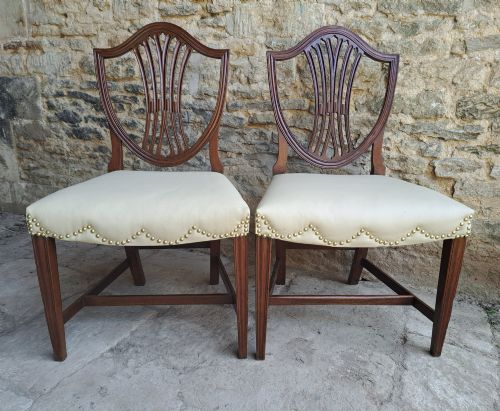


Eighteenth Century Mahogany Chair
An eighteenth century mahogany chair brings undeniable timber depth and classic proportion to a room, offering both sturdy everyday service and lasting design lineage.
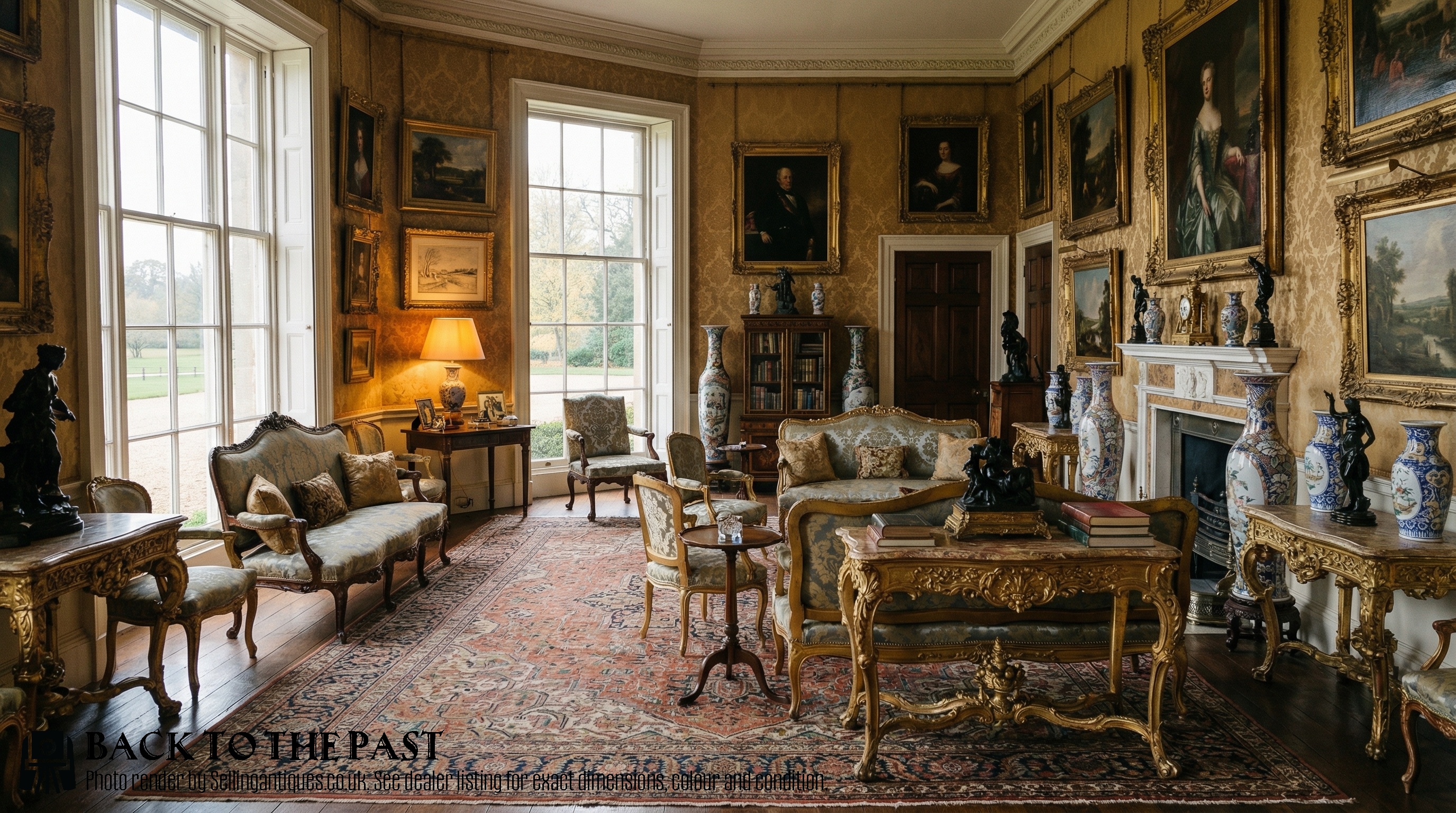
Eighteenth Century Mahogany Chair
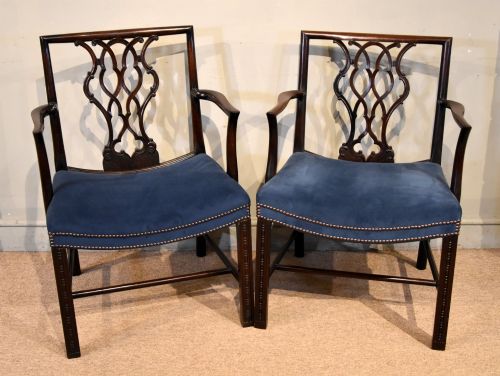
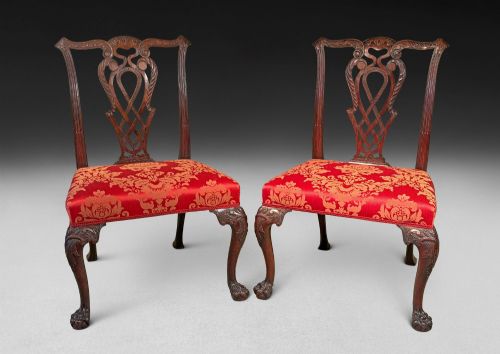
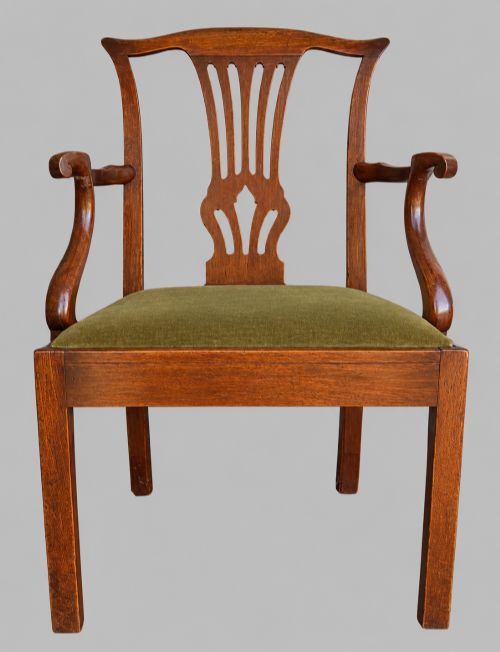
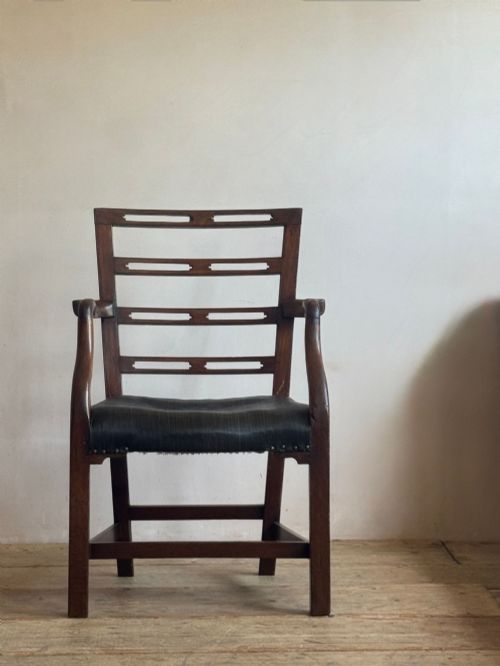
When you search for an eighteenth century mahogany chair, you are looking at substantial seating built primarily during the Georgian period, alongside later revivals and interpretations. These items span formal dining chairs, open elbow chairs, armchairs, and settees originating from English and Dutch workshops.
The selection encompasses both single items and matched sets, offering versatile options for domestic interiors. Each piece demonstrates the enduring utility of hardwood framing paired with various period upholstery styles.
How they were made
Makers constructed these chairs predominantly using solid mahogany and Cuban mahogany, valued for dense grain patterns and structural strength. Carved details adorn backs and arms, executed by hand using traditional cabinet-making tools.
Upholstery methods involved textile, velvet, leather, and fabric coverings secured over supportive stuffing, sometimes accented with brass detailing. Frames rely on traditional joinery techniques rather than modern mechanical fasteners to ensure long-term stability.
Eighteenth Century Mahogany Chair Retail Price Guide 2026
Typical asking prices for eighteenth century mahogany chair among the pieces listed under this phrase on Sellingantiques today, from the lower quarter to the upper quarter. They describe what is for sale here now, not the wider market.
Some chairs spent centuries observing family arguments from the exact same corner without ever offering an opinion.
What varies in quality
The distinction between standard examples and superior pieces rests in the crispness of hand-carved ornamentation and the selection of timber figures. Richly grained Cuban mahogany and deeply carved George II or Chippendale motifs elevate a piece well above plain utility.
Proportion and structural integrity also define the upper tier of these items, where balanced lines and original joinery remain undisturbed by extensive rebuilding. The weight and depth of the timber indicate the tier of the workshop responsible for production.
The Eighteenth Century Mahogany Chair Glossary
- Cuban mahogany
- A dense and heavily figured hardwood species utilised for premier eighteenth-century cabinet-making. It is prized for deep colour and exceptional resistance to wear.
- Chippendale
- A classic eighteenth-century design style associated with elaborate carved details and interlaced splats. Pieces in this tradition often feature intricate openwork back designs.
- Hepplewhite
- A lighter furniture style characterised by shield backs and tapered legs. This aesthetic gained popularity during the late eighteenth century.
- Elbow chair
- An armchair featuring open sides and supportive armrests designed for desk or parlour use. These forms often accompany larger dining suites.
- Settee
- A wide timber seat designed to accommodate multiple occupants with a shared upholstered backrest. They share matching design motifs with contemporaneous chairs.
Eighteenth Century Mahogany Chair: Frequently Asked Questions
How do I identify a genuine eighteenth-century piece?
Examine the timber underneath for tool marks, patina, and construction methods consistent with period hand-working techniques. Genuine examples display natural wear patterns accumulated over generations of domestic use.
Compare the joinery and timber density against known examples from the Georgian era to confirm authenticity.
Can I use these chairs for daily dining?
Many solid mahogany dining chairs remain structurally sound for regular seating when handled with reasonable care. Robust joinery and dense hardwood frames ensure they continue to perform their original function.
Consider the seat height and upholstery condition to ensure comfort during extended periods of use.
What is the difference between George II and Chippendale styles?
George II pieces typically feature heavier proportions, cabriole legs, and ball-and-claw feet. They reflect an earlier, robust phase of English furniture design.
Chippendale designs introduce more refined pierced splats, fretwork, and sometimes French or Gothic influences popularised pattern books.
How should I care for antique mahogany timber?
Maintain the finish by applying natural beeswax occasionally and buffing with a soft cloth. Avoid placing timber furniture near direct heat sources or strong sunlight.
Dust regularly with a dry cloth to prevent particulate accumulation from dulling the polished surface.