

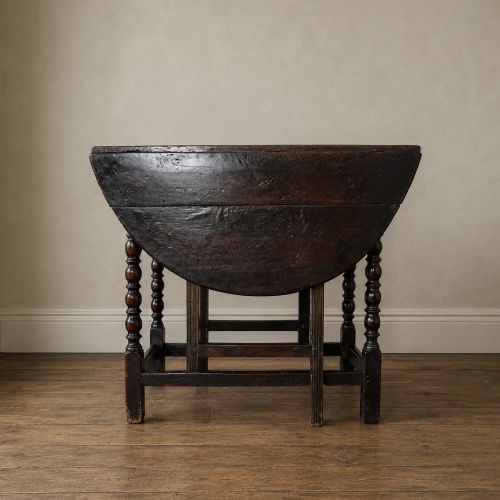
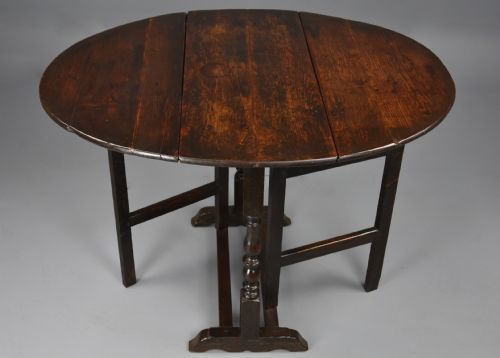
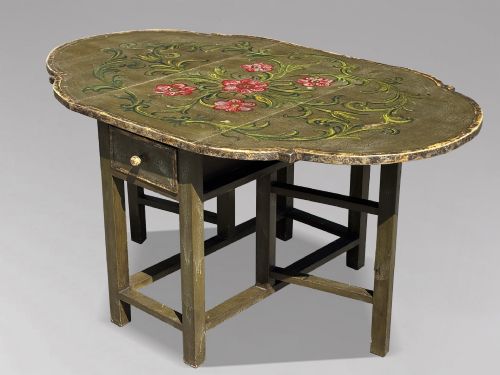
Vintage Gateleg Side Table
A vintage gateleg side table offers clever folding versatility for compact spaces, pairing period timber with practical drop leaves.
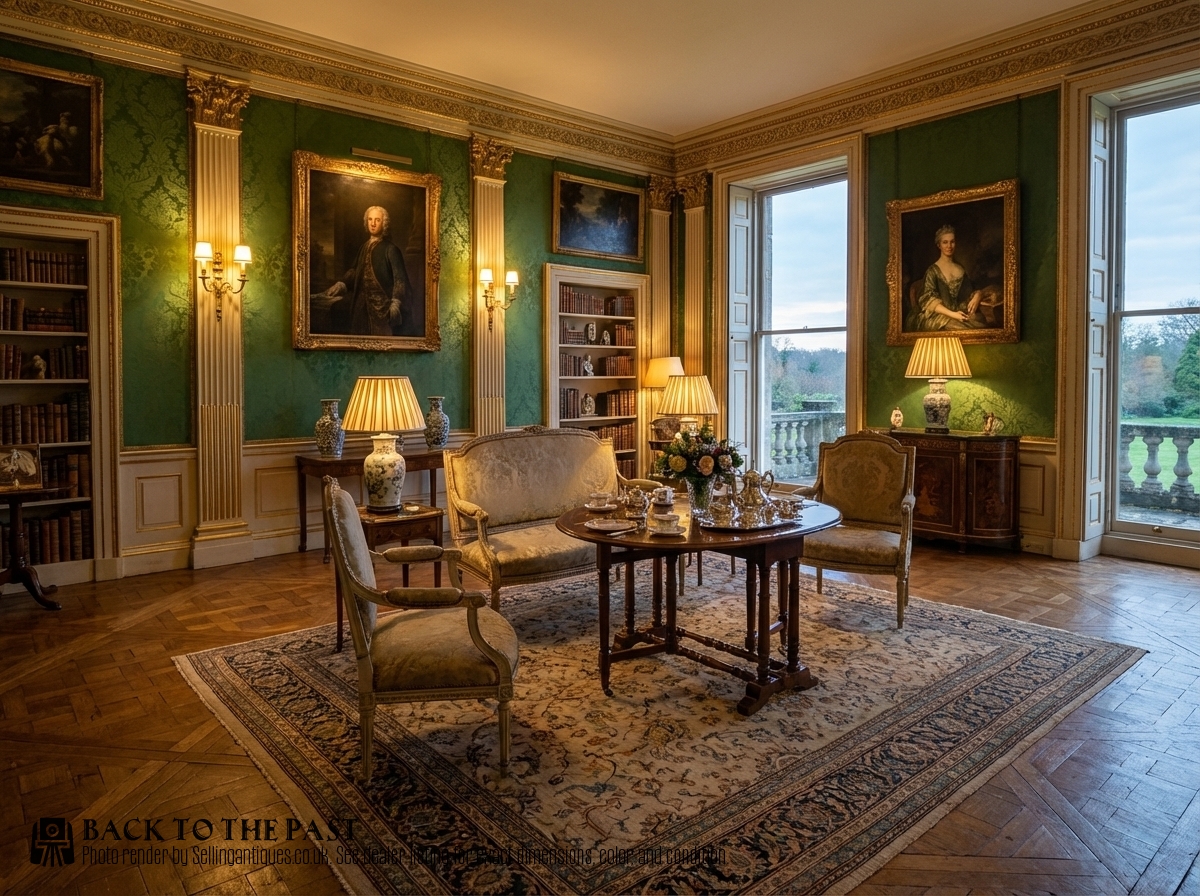
Vintage Gateleg Side Table
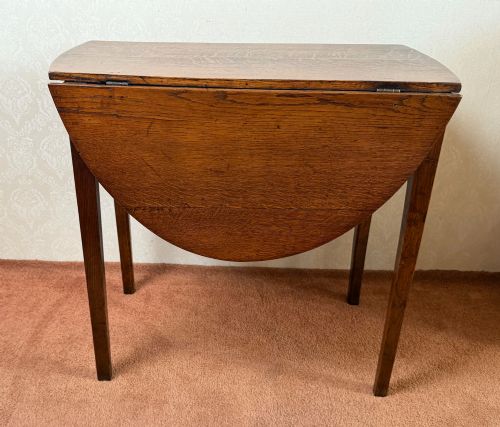
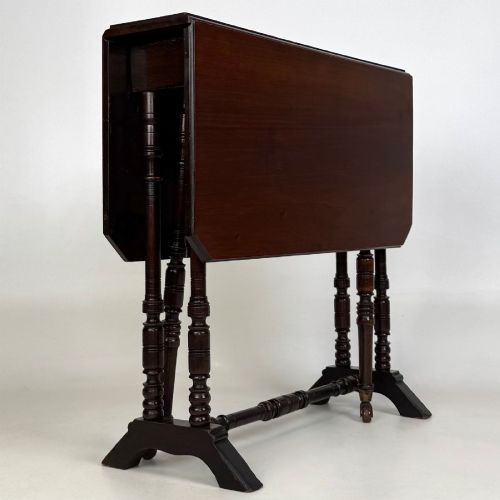
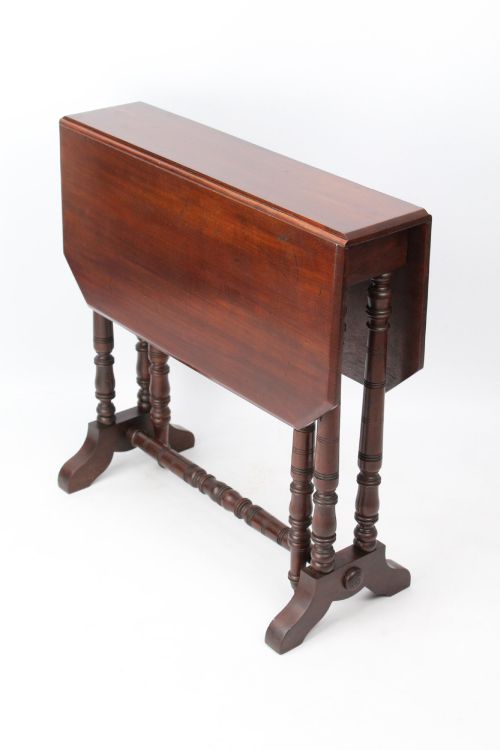
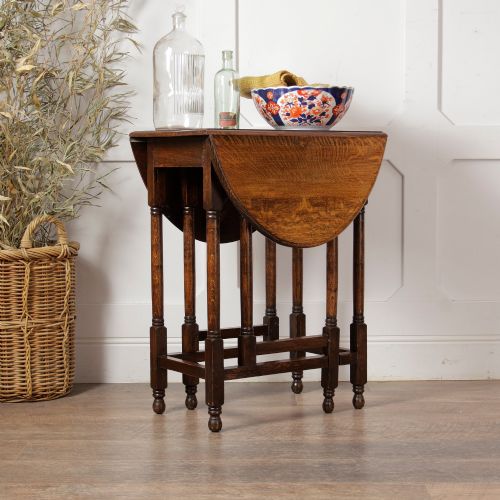
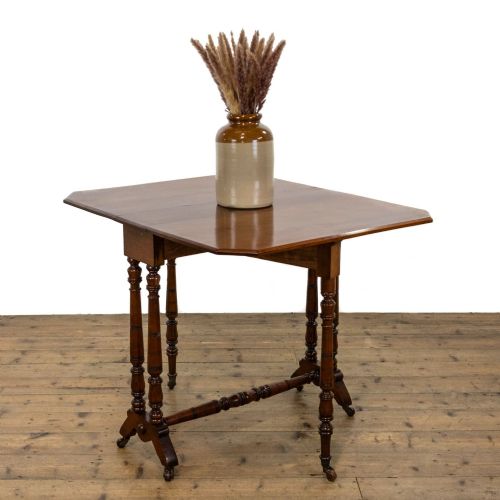
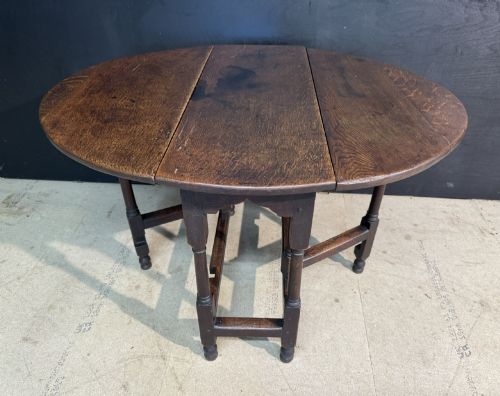
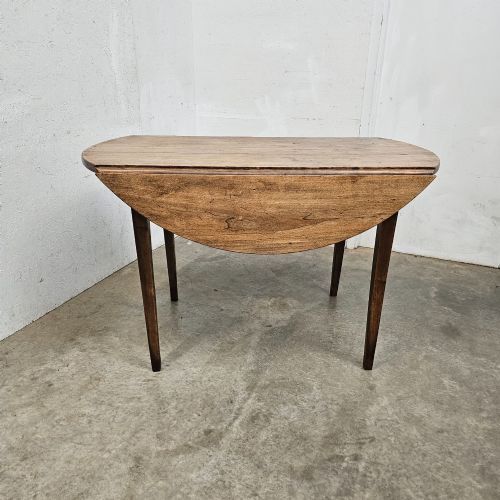
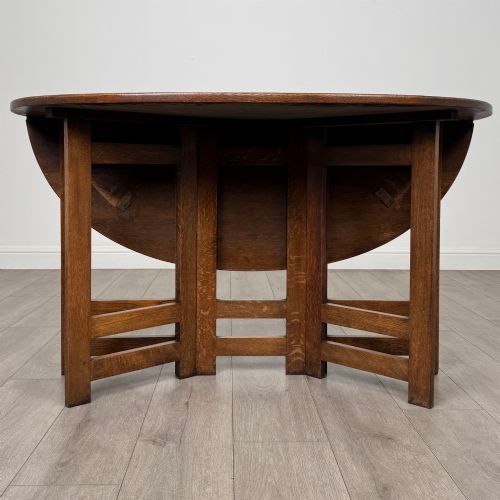
A vintage gateleg side table combines a fixed central frame with hinged leaves supported by swing-out legs, creating an adaptable surface that expands when needed and tucks away neatly against a wall.
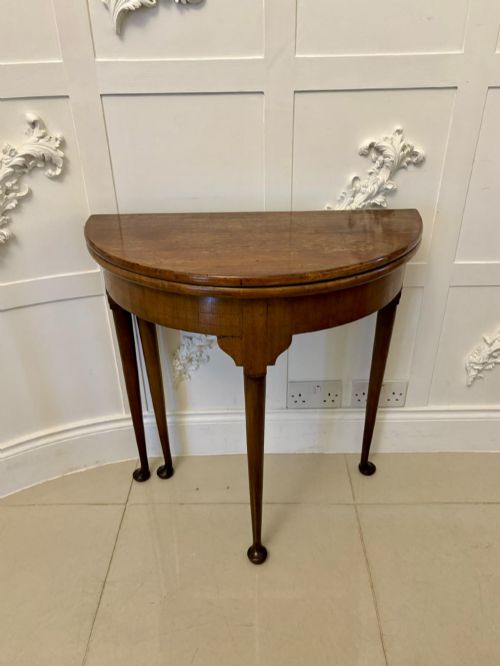
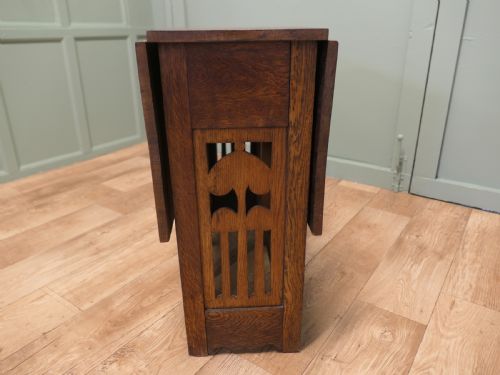
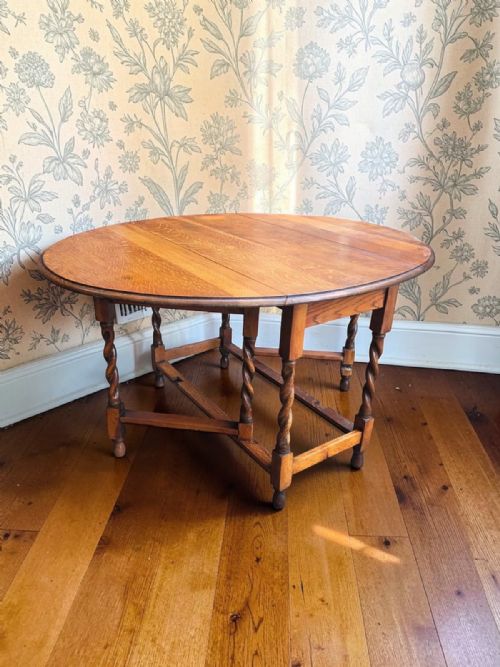
The selection ranges from seventeenth-century oak examples featuring bobbin turnings through to Edwardian mahogany designs and honey oak pieces from the nineteen-twenties.
Compact occasional tables and narrow drop-leaf formats dominate this grouping, offering surface space suited to hallways, drawing rooms and sitting areas.
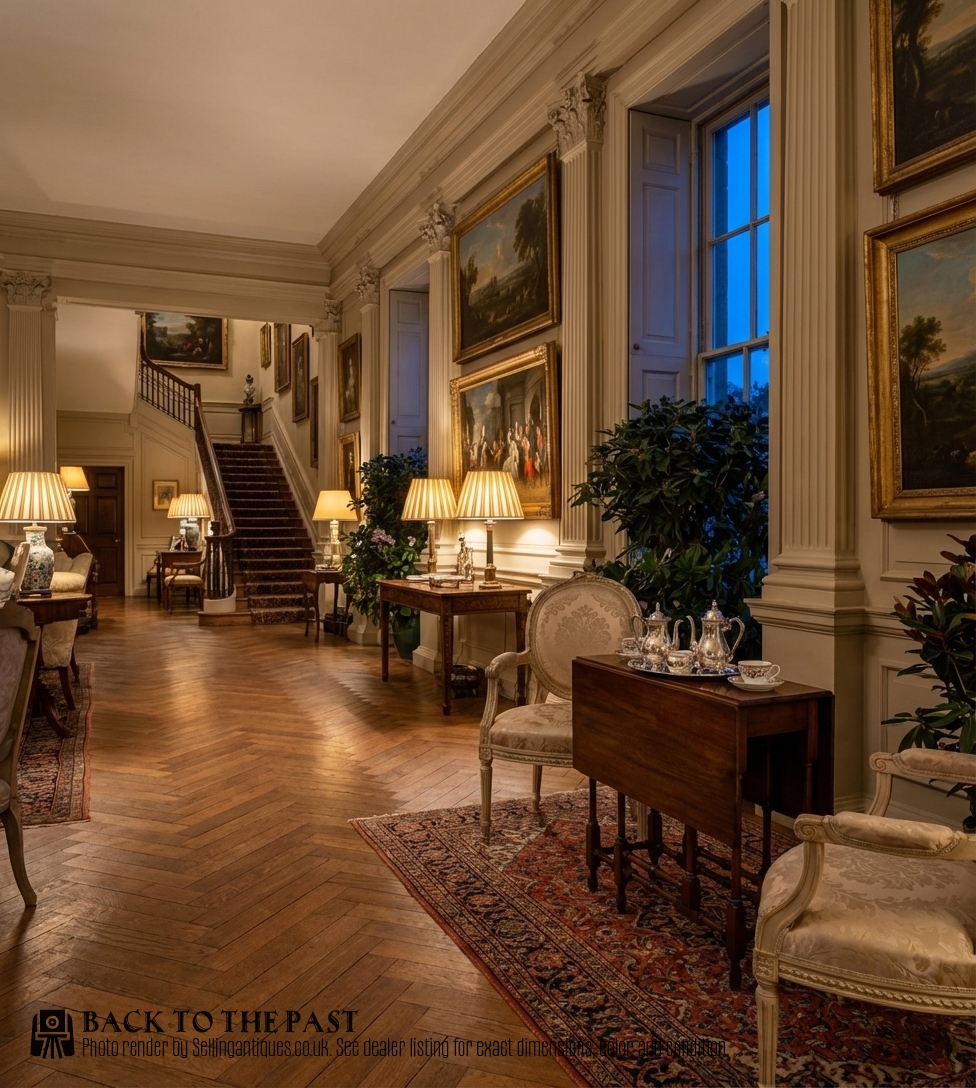
Materials and Construction
Cabinetmakers constructed these tables primarily in solid oak, walnut and mahogany, occasionally employing ash, pine, satinwood or burr walnut veneers for decorative contrast on tabletops.
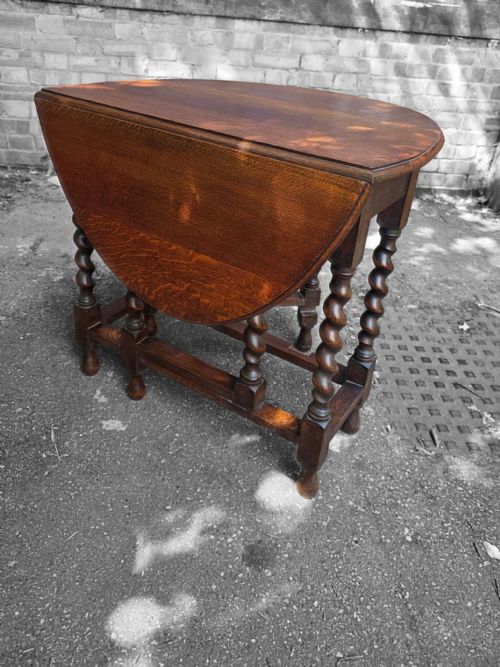
Legs and underframes frequently showcase turned details such as barley twists or bobbin shapes, jointed securely to support the pivoting drop leaves under daily use.
Some seventeenth-century gatelegs are built so remarkably small they look like furniture made for a gracious dollhouse.
Grading Quality
Quality rests upon the crispness of the timber turnings, the integrity of the hinged gate mechanism and the preservation of original patination on the wood surfaces.
Earlier seventeenth-century examples derive distinction from untouched timber colour and small proportions, whereas later Edwardian and twentieth-century versions rely on refined mahogany or satinwood inlays and balanced proportions.
Maple & Co
The Vintage Gateleg Side Table Glossary
- Gateleg table
- A table featuring hinged leaves supported by one or more legs that swing outward like a gate to hold the flaps in place.
- Sutherland table
- A narrow style of drop-leaf table featuring exceptionally slender legs and leaves that fold down almost vertically.
- Barley twist
- A spiral turning carved into furniture legs and stretchers, popular in seventeenth-century joinery and revived during the Edwardian era.
- Bobbin turning
- A form of lathe-turned leg resembling a string of spools or bobbins, characteristic of seventeenth-century English tables.
- Drop-leaf
- A tabletop design incorporating hinged flaps that lower to reduce the overall footprint of the furniture when not in use.
Vintage Gateleg Side Table: Frequently Asked Questions
How do I use a gateleg side table in a small room?
Keep both leaves folded down against the wall to use the piece as a narrow console or hallway surface, pulling it out and raising the flaps only when you need extra tabletop space for lamps or tea.
The hinged gate swing underneath takes seconds to position securely, making the transition between compact storage and full surface area effortless.
How can I tell an older oak table from an Edwardian revival piece?
Seventeenth-century examples display hand-tool marks, pegged mortise-and-tenon joints, and deep natural patination acquired through centuries of wax polishing and use.
Twentieth-century revival pieces often feature machine-turned barley twist legs and standardised hardware that reveal a later nineteenth or twentieth-century workshop origin.
Are these tables strong enough for daily use?
Solid timber construction and sturdy pivot gate mechanisms make these tables well-suited for holding books, lamps, and daily household items without instability.
Checking that the swing leg moves smoothly on its hinges ensures the leaves remain fully supported during regular use.