

Vintage Fruit Plate
A vintage fruit plate brings hand-painted botanicals and fine porcelain to the table, offering a glimpse into centuries of dining tradition.
Vintage Fruit Plate
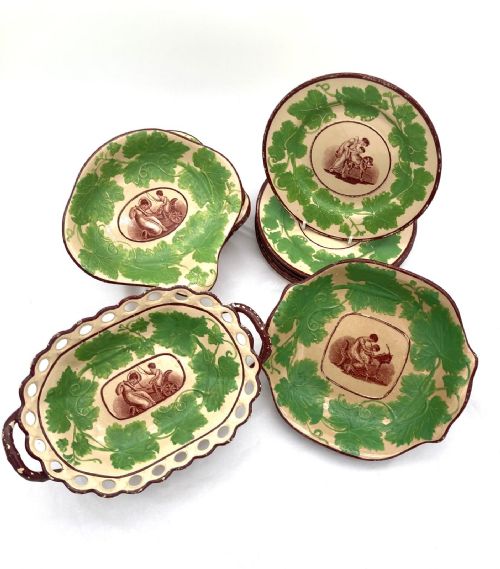
When you search for a vintage fruit plate, you encounter items designed specifically for serving dessert or displaying seasonal produce at the conclusion of a meal. These pieces range from individual cabinet plates to larger serving dishes and complete dessert services intended for formal dining rooms.
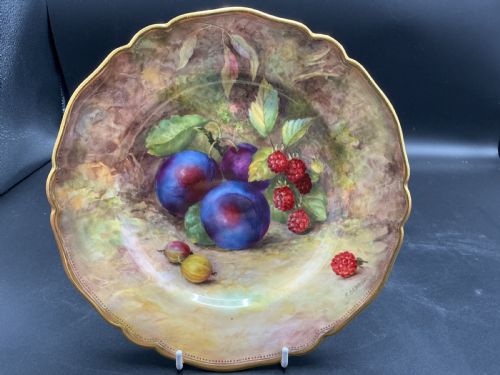
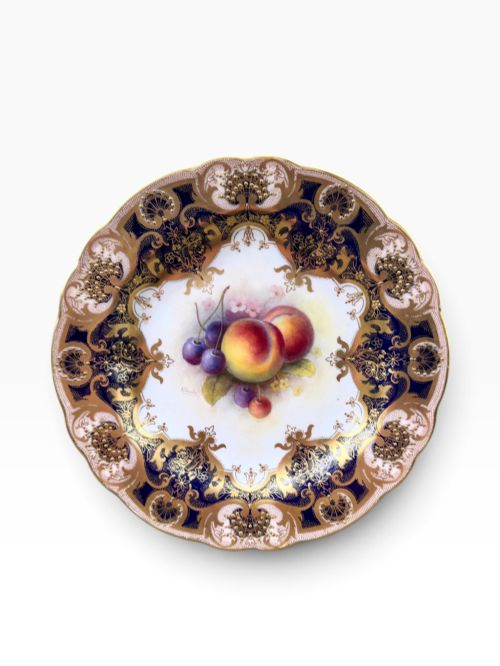
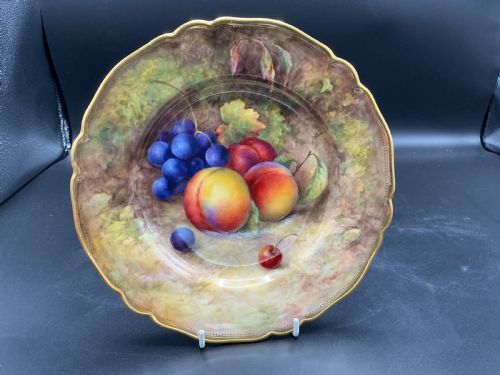
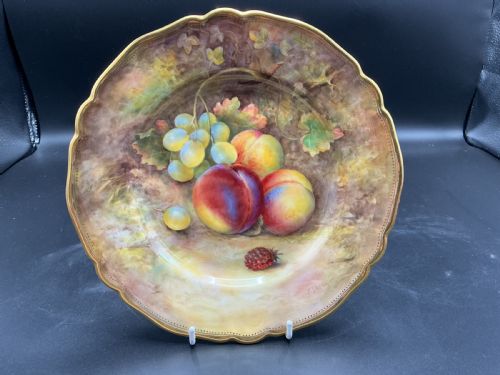
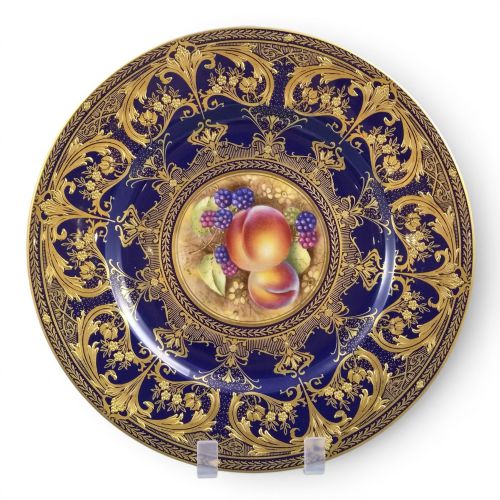
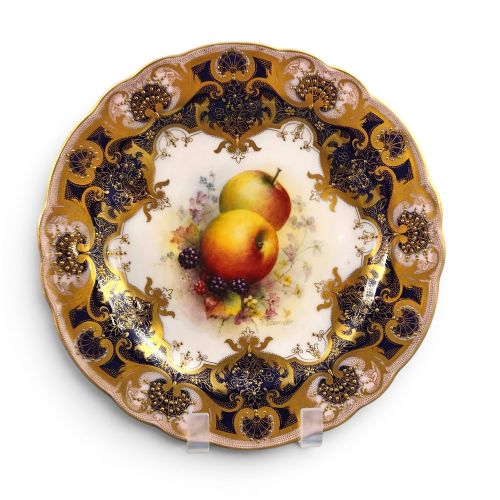
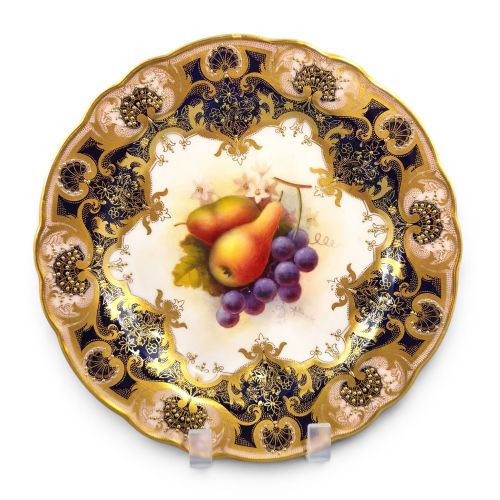
The versions you meet most frequently on this page originate from the nineteenth and twentieth centuries, spanning Victorian, Edwardian, and Art Deco periods. Many take the form of porcelain cabinet plates adorned with painted studies of apples, pears, and berries by notable porcelain artists.
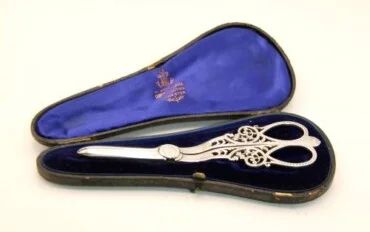
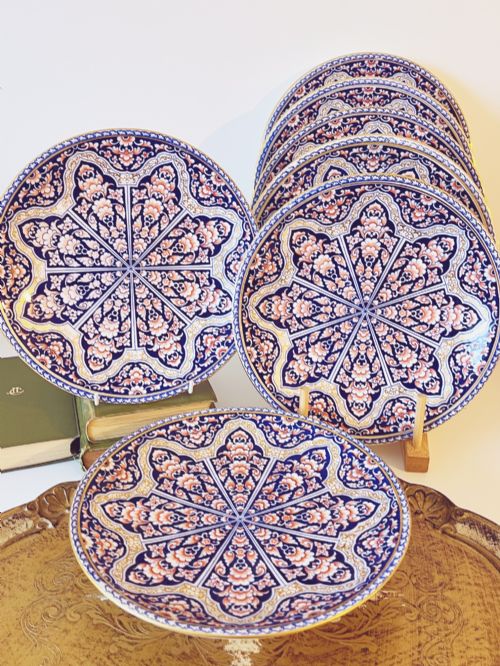
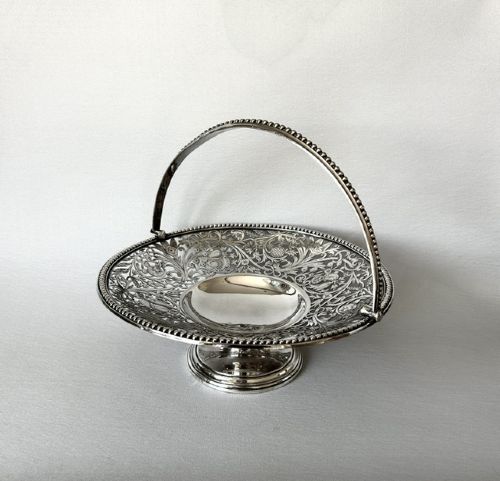
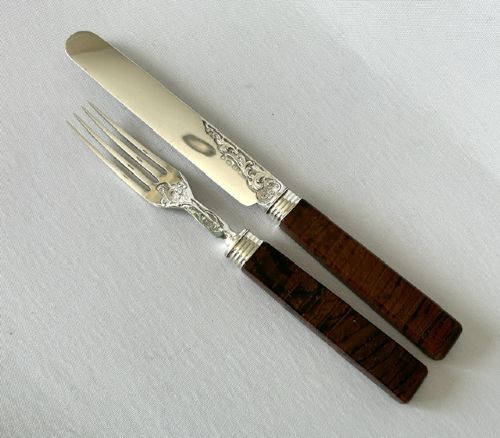
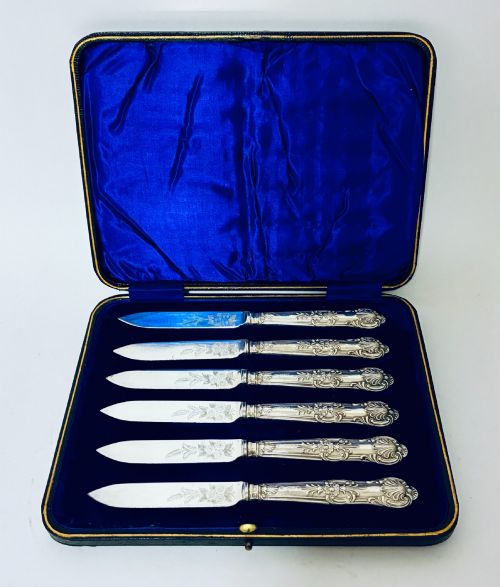
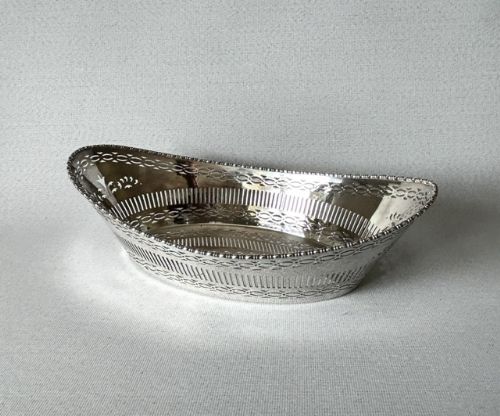
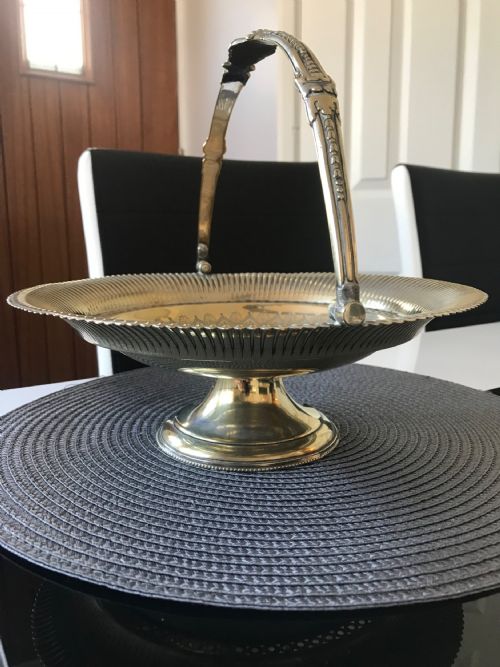
Alongside porcelain, the selection includes silver plate, bone china, and enamel forms such as baskets, bowls, and specialised cutlery like knives, forks, and spoons. These diverse objects reflect how deeply the Victorians and their successors valued decorative presentation during dessert courses.
Materials and construction methods
Porcelain and bone china pieces rely on high-firing ceramic techniques before receiving hand-painted enamel illustrations and touches of gold leaf or gilding. Factories employed specialist artists to render realistic fruit studies directly onto the ceramic surface, often finishing plates with rope-edge borders or moulded rims.
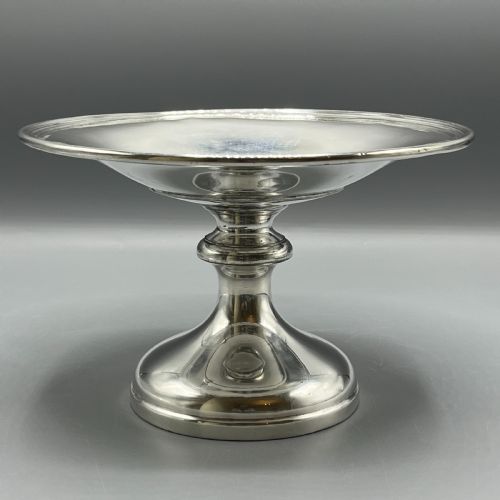
Metal items utilise silver plate, sterling silver, or Old Sheffield plate formed into wirework baskets, swing-handle bowls, and neo-classical fruit dishes. Artisans applied floral repoussé ornamentation, chased details, and applied crests to shape the heavy metal surfaces.
Vintage Fruit Plate Retail Price Guide 2026
Typical asking prices for vintage fruit plate among the pieces listed under this phrase on Sellingantiques today, from the lower quarter to the upper quarter. They describe what is for sale here now, not the wider market.
Listings feature porcelain, bone china, silver plate, wood, and enamel, spanning the eighteenth century through to the nineteen-sixties.
Evaluating craftsmanship and artistry
The distinction between standard tablewares and top-tier cabinet pieces rests primarily upon the skill of the painter. Plates bearing signed brushwork by established ceramic artists command greater attention than unsigned factory productions.
Weight, balance, and the crispness of moulded or chased decoration separate fine metal baskets and bowls from simpler utilitarian vessels. The preservation of delicate gilding and vibrant enamel colours also dictates the standing of an individual ceramic item.
Royal Worcester·Royal Crown Derby·Mappin and Webb·Hukin and Heath·Elkington·Tiffany and Co
The Vintage Fruit Plate Glossary
- Cabinet plate
- A decorative ceramic plate intended for display in a cabinet rather than for everyday dining. These items frequently feature elaborate painted scenes.
- Dessert service
- A matching set of plates, comports, and serving pieces designed for the final course of a formal meal. Services often include specialised cutlery.
- Old Sheffield plated
- An early method of fusing a thin sheet of silver to a thicker copper base by heat and pressure. This technique predates modern electroplating.
- Repoussé
- A metalworking technique where the artisan hammers the design from the reverse side to form a raised pattern on the front. It creates tactile floral rims on bowls and baskets.
- Comport
- A raised dish or bowl set upon a stem, utilised historically for serving fruit or sweets as the centrepiece of a dessert table.
Vintage Fruit Plate: Frequently Asked Questions
What is a vintage fruit plate used for?
These plates were historically utilised for serving dessert courses, specifically fresh fruit, sweetmeats, or pastries at the end of a formal dinner.
Today, collectors frequently display them on walls or within cabinets as decorative art rather than putting them to daily culinary use.
How do I care for silver plated fruit baskets?
Silver plated items require gentle cleaning with a soft cloth and proprietary metal polish designed specifically for plated wares to avoid wearing away the thin silver layer.
Store them in dry environments away from direct sunlight and dampness to prevent tarnish and protect any wooden or fabric components.
Can I use antique porcelain plates for food?
While these pieces were originally functional dining wares, older glazes and painted surfaces may be sensitive to modern dishwashers, abrasive detergents, and acidic foods.
Hand washing in lukewarm water with mild soap preserves the delicate enamel paints and gold gilding found on most antique cabinet plates.
How do I date a Royal Worcester fruit plate?
Royal Worcester pieces often feature specific date ciphers, dots, or symbols stamped onto the underside of the ceramic base during manufacturing.
Comparing these maker marks and artist signatures against established factory records allows you to pinpoint the exact year or decade of production.