

Vintage French Side Lamp
A vintage french side lamp brings warmth and Continental character to a room, functioning as both a practical light source and a decorative focal point.
Vintage French Side Lamp
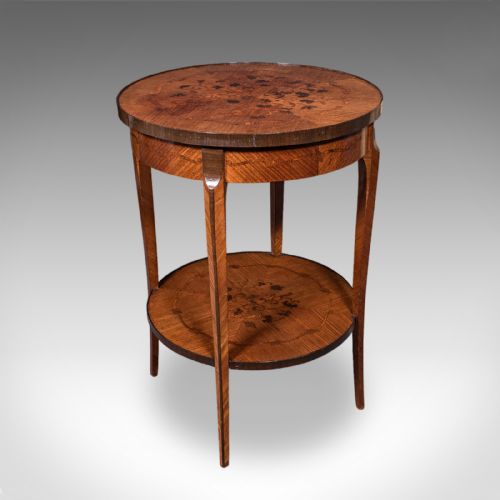
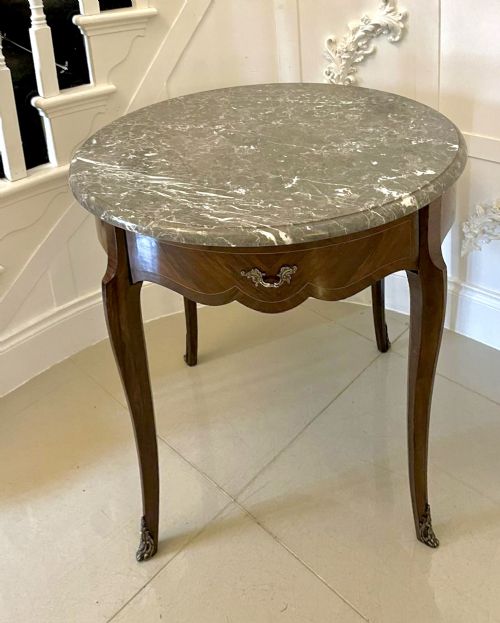
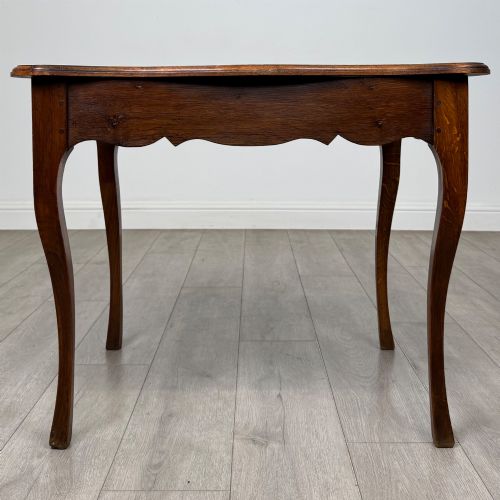
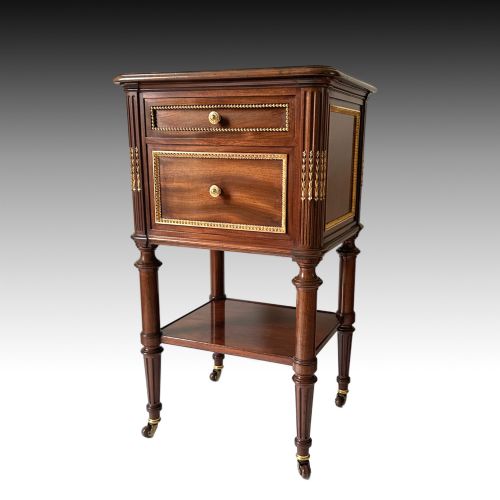
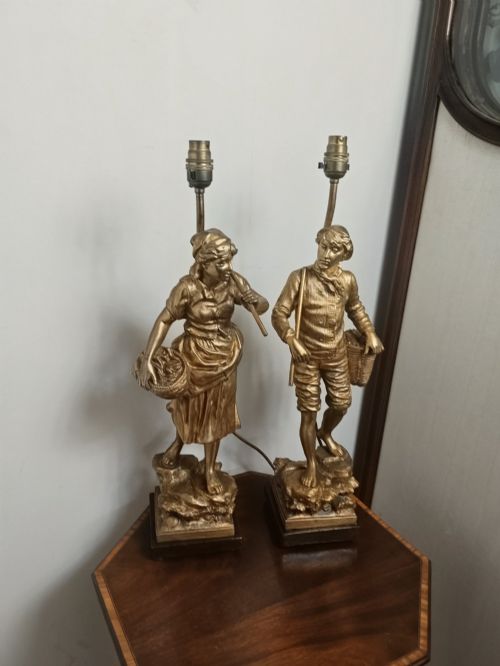
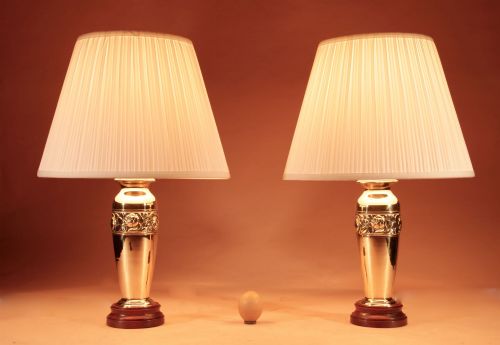
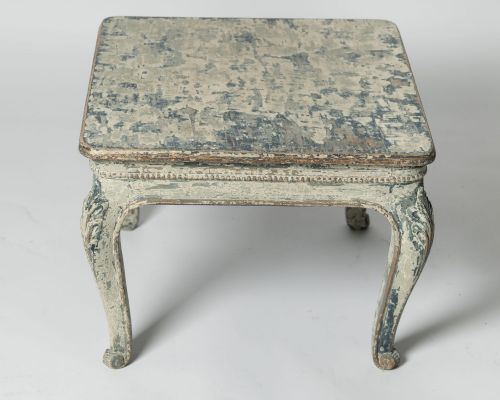
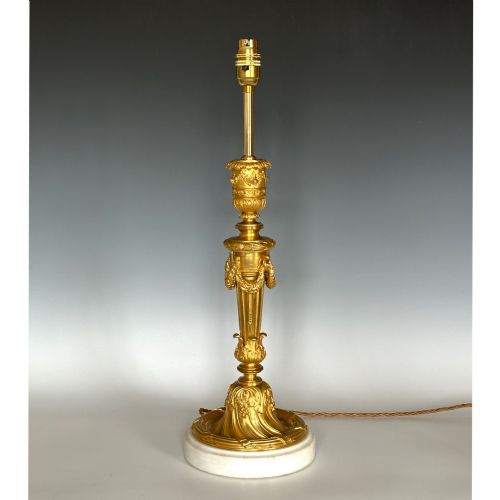
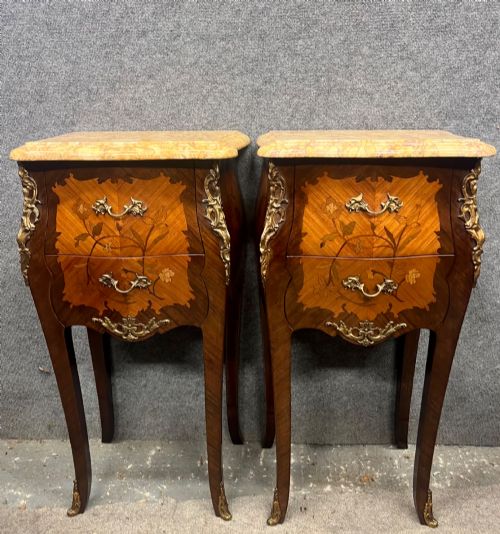
A vintage french side lamp encompasses a variety of lighting fixtures and small support tables designed to hold illumination, drawn from periods spanning the nineteenth and twentieth centuries. Buyers encounter items ranging from cast bronze figural lamps and converted candelabra to marble-topped gueridon tables and occasional furniture adapted for lamps.
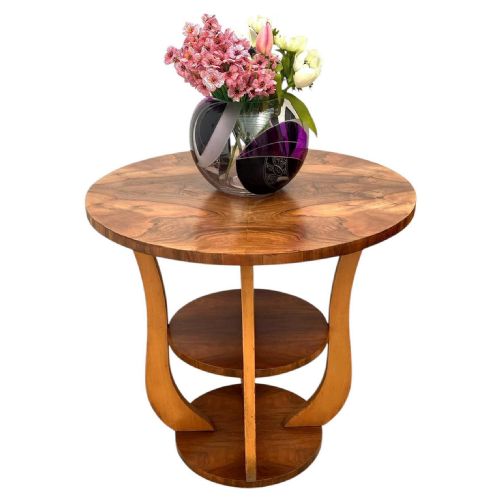
The selection on this page demonstrates strong representation of Art Deco designs alongside earlier revivals such as Louis XV and Louis XVI styles. Pieces often integrate functionality with ornate decorative elements, reflecting the distinct craftsmanship of their respective eras.
How they were made
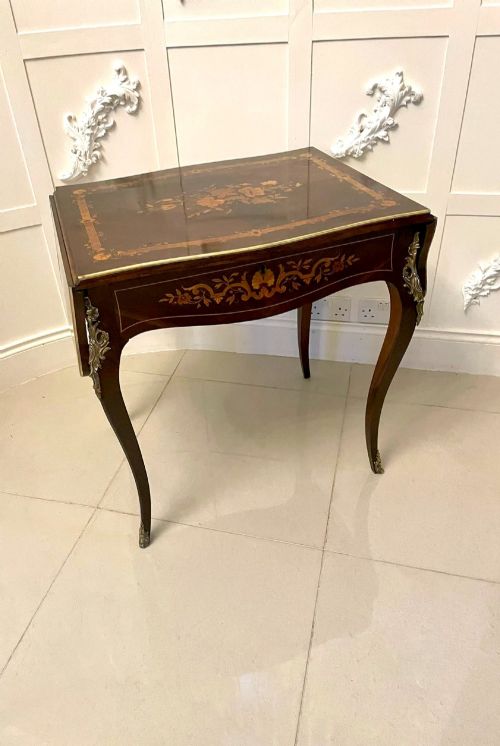
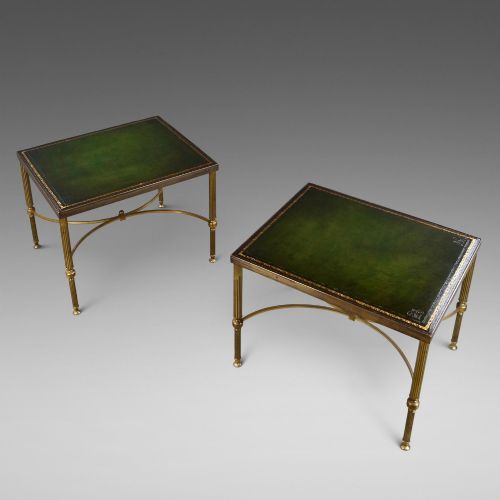
Makers utilised a rich palette of materials including brass, ormolu, gilt bronze, and marble for structural integrity and decorative splendour. Cabinet furniture incorporates hardwoods such as walnut, kingwood, rosewood, and mahogany, frequently embellished with marquetry inlay.
Lighting pieces combine metal casting and chasing with glass elements, including mottled and enamelled glass shades. Tables feature detailed parquetry, Ormolu mounts, and fitted marble tops supported by carved wooden frames.
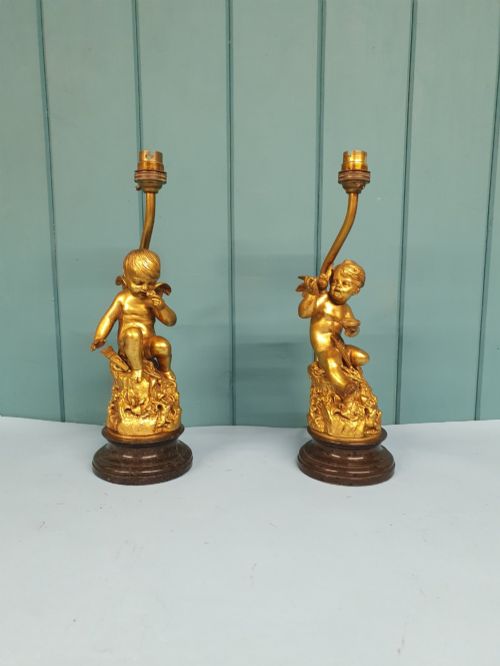
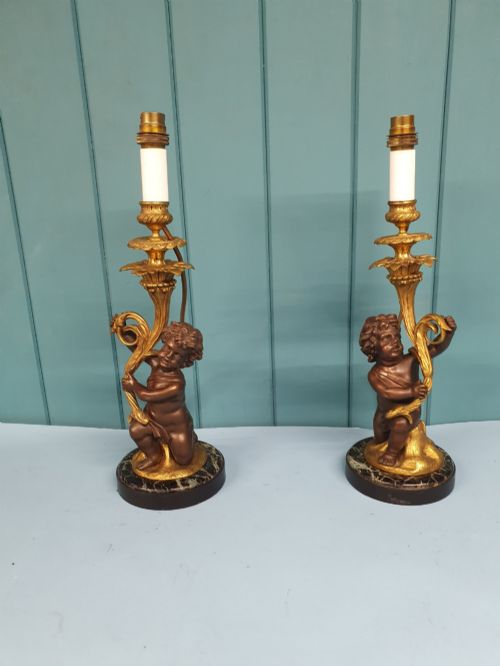
Several pieces feature watchful cast cherubs holding aloft illumination, ensuring your room is guarded by small, permanent metal deities.
What varies in quality
Quality reveals itself in the crispness of bronze chasing, the weight and grain selection of timber veneers, and the integration of ormolu mounts. Finer examples display meticulous attention to detail in marquetry patterns and the solidity of marble tops.
The distinction between standard production and top tier pieces lies in the depth of hand-finishing, the purity of cast metal components, and the preservation of original patination on wood and metal surfaces.
E Rousseau·François Linke·Charles Schneider
The Vintage French Side Lamp Glossary
- Ormolu
- Gilt bronze mounted onto furniture or serving as the primary material for decorative lamps. This technique involves applying a finely ground gold-mercury amalgam to bronze.
- Gueridon
- A small round table, often with a marble top and three or more legs, frequently utilised for holding lamps or ornaments. Originating in the seventeenth century, these tables remain popular in French interiors.
- Marquetry
- Decorative veneer work where small pieces of wood, shell, or ivory are arranged in geometric or pictorial patterns. Craftsmen apply these intricate designs to the surfaces of side tables and bedside chests.
- Etagere
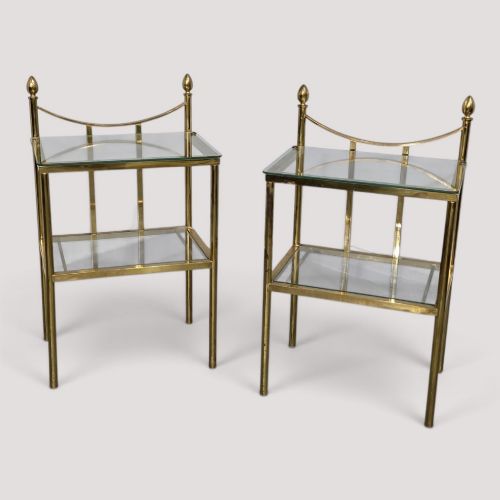
- A set of open shelves for displaying small objects or supporting table lamps. These tiered pieces offer multiple display surfaces within a compact footprint.
Vintage French Side Lamp: Frequently Asked Questions
What defines a vintage french side lamp?
These items comprise lighting fixtures and small support furniture originating from French workshops across the nineteenth and early twentieth centuries. They combine practical illumination with decorative artistry characteristic of periods like Art Deco and Louis XV revival.
Materials commonly involve cast metals, fine timbers, and marble tops, reflecting the aesthetic priorities of French interior design.
How do I identify the period of a lamp?
Dating relies on stylistic markers such as the geometric lines of Art Deco or the flowing curves typical of Louis XV and Rococo revival pieces. Examining the construction techniques and materials also provides clear chronological indicators.
Cabinetry often exhibits period-specific wood veneers like kingwood and rosewood, whilst lighting utilises cast bronze or brass characteristic of specific decades.
Where should I place a side lamp?
These pieces suit placement beside seating areas, on bedside cabinets, or atop occasional and centre tables. Their compact dimensions allow them to function effectively in both large reception rooms and intimate spaces.
Matching a lamp with an appropriate table creates a cohesive surface arrangement that enhances the surrounding interior.
How do I care for marble and wood surfaces?
Maintenance requires gentle cleaning with soft, dry cloths to protect polished timber veneers and gilt metal mounts. Marble tops benefit from prompt wiping of spills to prevent staining on the porous stone.
Avoiding harsh chemical cleaners ensures the preservation of original patinas and finishes on antique surfaces.