




Silver Accent Light
A silver accent light brings character and a bright gleam to a room, drawing on decades of period craftsmanship from the nineteenth century into the mid-twentieth century.
Silver Accent Light
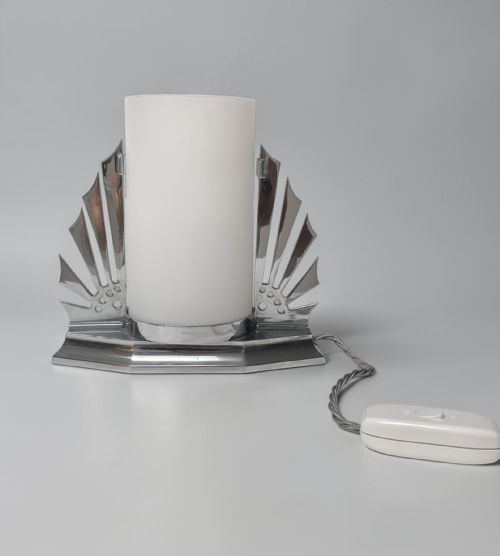
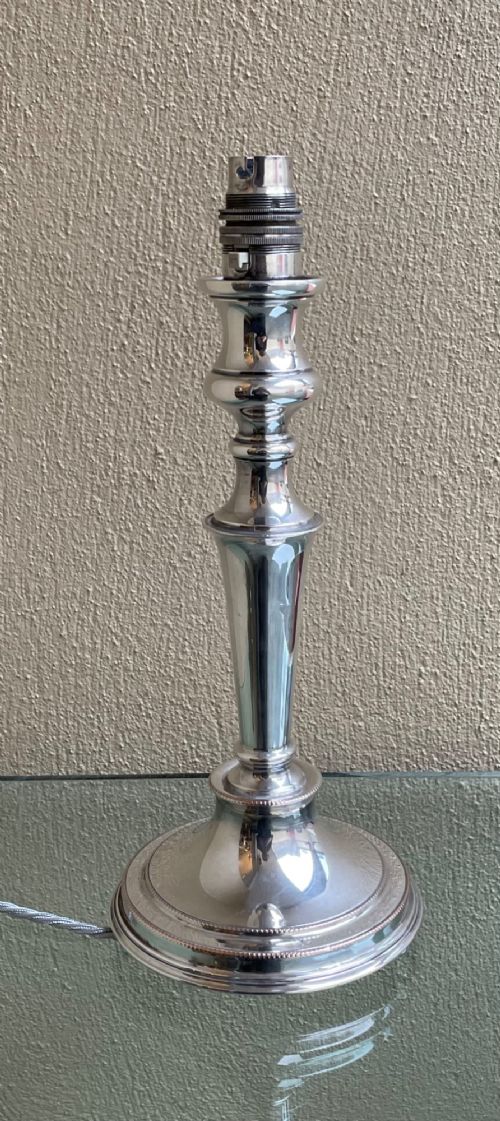
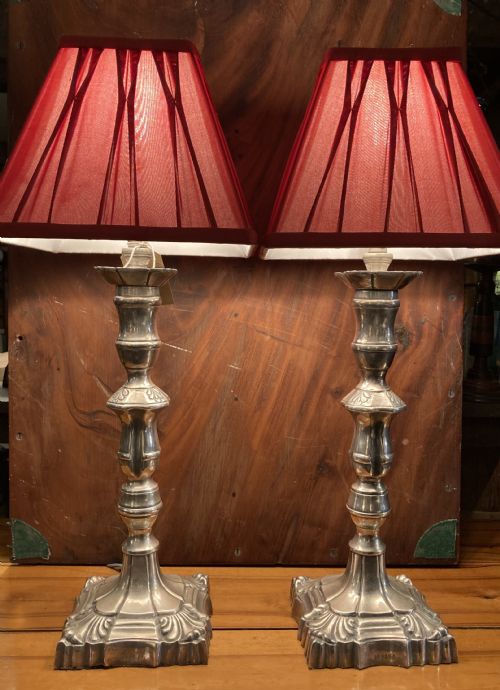
When you search for silver accent light, you encounter a selection of table lamps, candlesticks, and figural lighting forms designed to illuminate interiors with metallic sheen. The most common examples on this page date from the nineteen-twenties and nineteen-thirties, embodying distinct twentieth-century design sensibilities.
The objects span multiple eras, stretching from nineteenth-century productions through Edwardian pieces up to nineteen-forty items. These take the form of columnar candlesticks, geometric table lamps, and figurative double lady designs that serve both practical and decorative functions.
How they were made
These items rely heavily on metalwork techniques applied to silver plate, chrome, nickel-plated bronze, and standard metal bodies. Bases often combine these metallic elements with contrasting components like carved alabaster or frosted glass shades.
Manufacturers integrated electrical components or candle sockets into durable metal structures, sometimes incorporating fabric shades or specialised glass elements such as Muller Bros shades to diffuse the glow.
Listings feature items from the nineteenth century, nineteen-ten, Edwardian period, nineteen-twenty, nineteen-thirty, and nineteen-forty using chrome, silver plate, alabaster, and glass.
What varies in quality
Quality rests upon the crispness of the casting and the integrity of the underlying metalwork, whether executed in heavy silver plate, polished chrome, or nickel-plated bronze. Finer examples retain their original surface finishes and specialised shade components without replacement.
The sophistication of the design dictates distinction, moving from straightforward Corinthian columns and twist lamps to complex figural groupings like the double lady lamp or nautical sail yacht forms.
Barker Ellis·Muller Bros·Palmer & Co
The Silver Accent Light Glossary
- Silver Plate
- A base metal coated with a thin layer of silver. This technique offered the visual appeal of solid silver at a more accessible cost during the nineteenth and twentieth centuries.
- Chrome
- Chromium plating applied to metal surfaces to provide a durable, highly reflective finish. It became a defining material for modern industrial and twentieth-century design.
- Alabaster
- A fine-grained, translucent stone used for lamp bases and decorative panels. It diffuses light softly when illuminated from within or above.
- Corinthian Column
- A classical architectural style featuring ornate capitals decorated with acanthus leaves. It was frequently adapted for nineteenth-century and Edwardian candlestick and lamp standards.
Silver Accent Light: Frequently Asked Questions
What materials make up a silver accent light?
These lights incorporate silver plate, chrome, nickel-plated bronze, and standard metal alongside glass, frosted glass, alabaster, and fabric.
Makers combined these elements to create reflective surfaces and contrasting textures for domestic illumination.
How do I date a silver accent light?
Dating relies on stylistic clues and material choices associated with periods from the nineteenth century through the nineteen-forties. Edwardian pieces often feature classical motifs like columns, while nineteen-twenties and thirties items lean into geometric or figural designs.
Examining the manufacturing techniques and any maker markings helps narrow the production era further.
Where were these lights used?
Owners placed these pieces on tables, sideboards, and desks to provide localized illumination and decorative accentuation in period rooms.
They functioned both as practical light sources and as sculptural focal points within domestic interiors.
Are these lights electrified or for candles?
The selection includes both electrified table lamps and traditional candlesticks meant for wax tapers. Many twentieth-century examples were built specifically for electrical wiring, while others adapt earlier candlestick forms.
Checking the hardware reveals whether a piece requires rewiring or holds standard candles.