


Vintage French Rococo Mirror
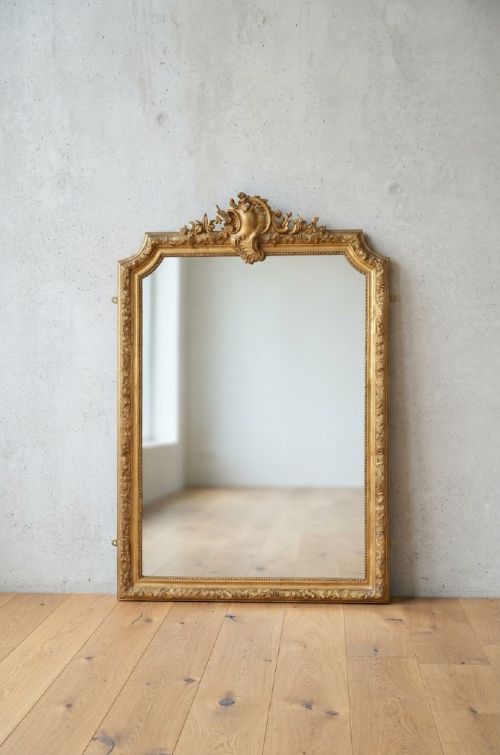
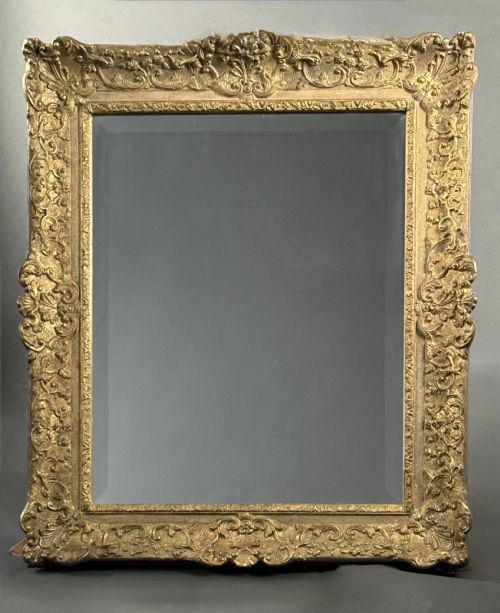
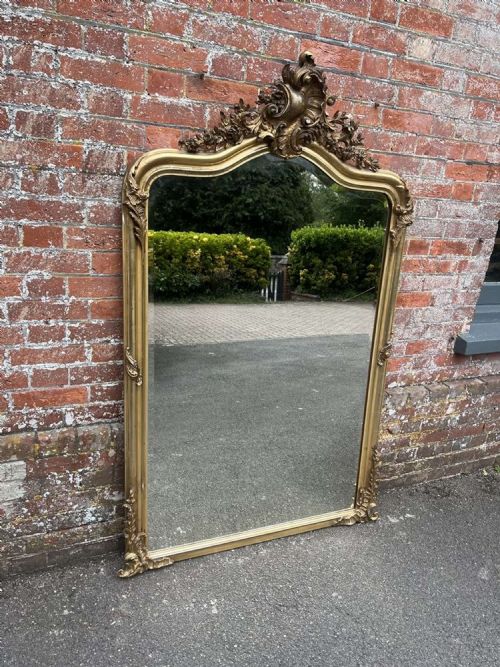
A vintage french rococo mirror brings organic curves, rich gilding and ornate carved detail into a room, drawing the eye instantly.
Vintage French Rococo Mirror
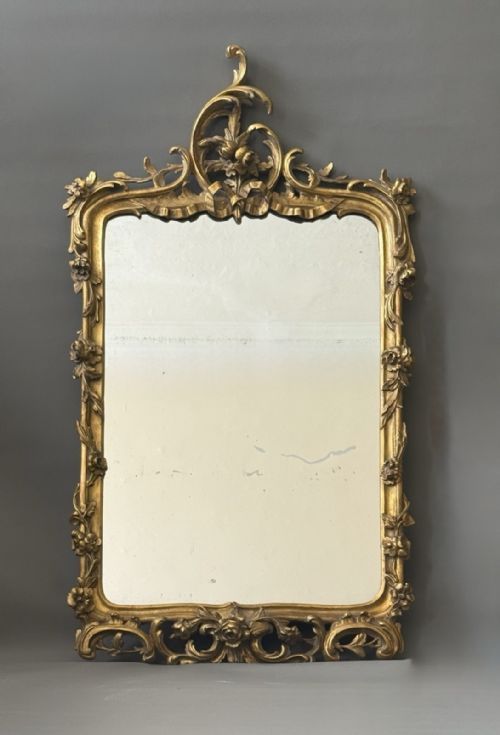
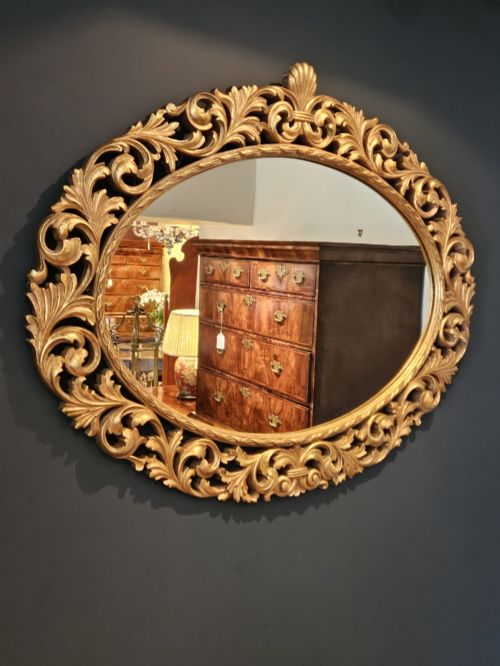
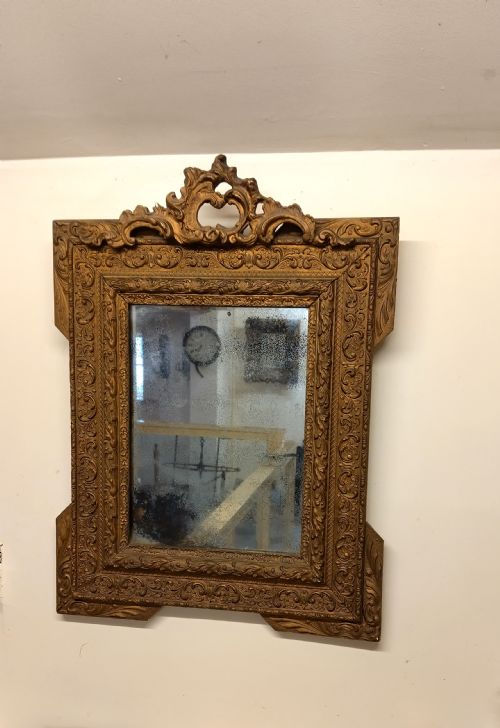
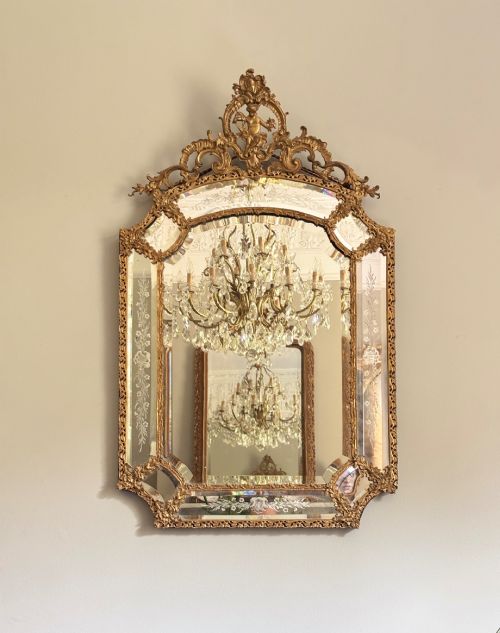
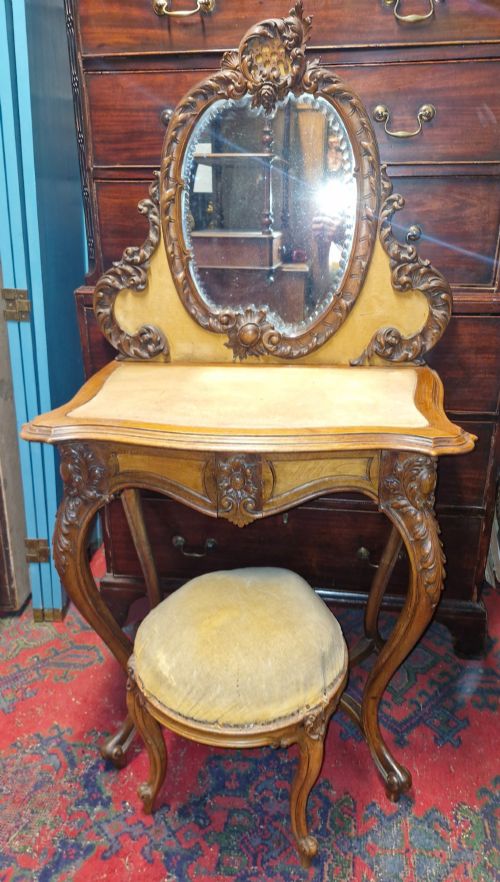
When someone searches for a vintage french rococo mirror, they encounter exuberant frames dominated by asymmetrical scrolls, C-scrolls and naturalistic floral motifs. The selection spans grand overmantels, smaller wall mirrors and dressing table pieces originating primarily from the nineteenth and early twentieth centuries.
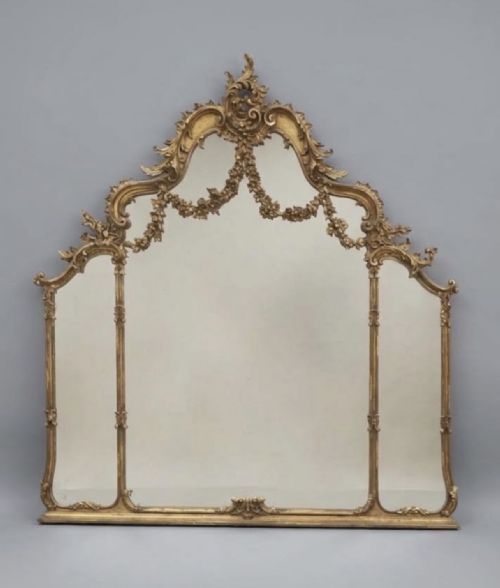
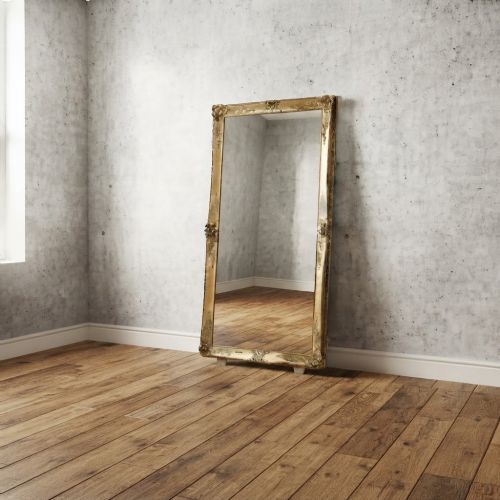
The most common examples on this page date from the nineteenth century, often reflecting the Victorian revival of earlier French tastes or the Napoleon III period. These pieces range from substantial giltwood overmantels designed to hang above a fireplace to leaner mirrors intended for full-length placement.
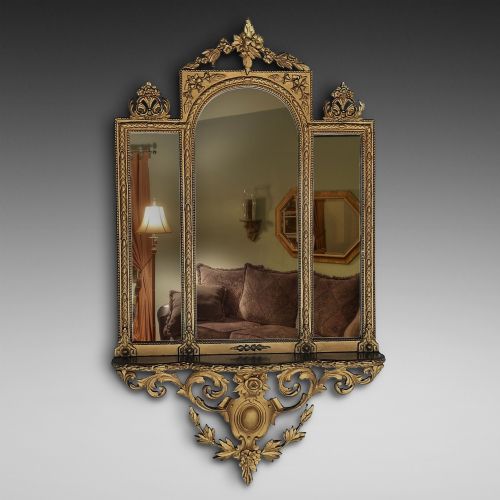
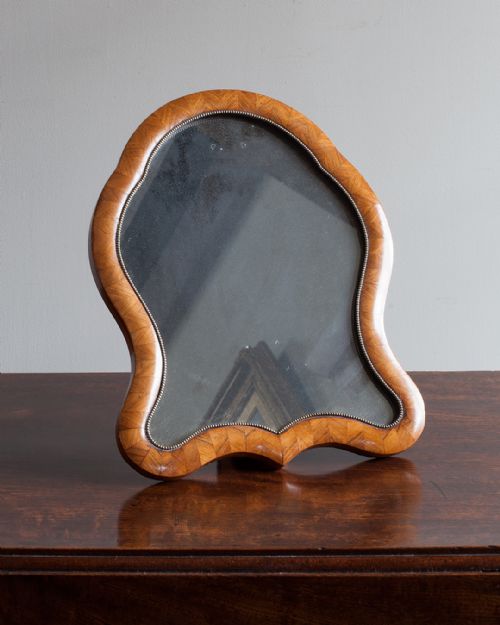
Forms extend beyond standard wall mirrors to include table mirrors, trumeau panels and occasional frames incorporating carved timber or oak. Each piece carries the distinct ornamentation associated with rococo revival styles, linking twentieth-century interpretations back to eighteenth-century roots.
How they were made
Carved timber and wood form the foundational structure for many of these frames, providing the strength required for large overmantel and leaner formats. Artisans applied layers of gesso over the wood substrate to build up relief details before applying gold leaf, silver leaf or paint.
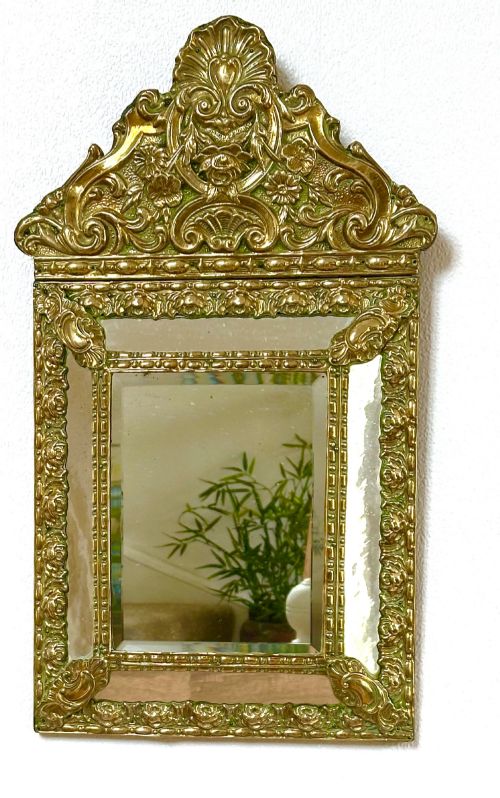
Giltwood and parcel gilt finishes involve hammering or laying thin sheets of metal onto the prepared surface to achieve a reflective, luminous sheen. Brass, bronze and gilt metal also appear in smaller table pieces, offering alternative metallic structures.
Mirror plates within these frames often show the characteristics of older glass production, sometimes featuring antique or bevelled plates set securely into the carved rebated edges.
Listings feature 19th-century pieces alongside 18th-century examples, utilising materials including gesso, giltwood, brass, oak and kingwood.
What varies in quality
The depth and crispness of the hand-carved relief work separates standard frames from superior examples, as skilled carvers achieved fluid, undercut foliage rather than shallow moulding. The intricacy of the gesso application beneath the gilding determines how sharply the decorative motifs hold their definition.
Materials and finish application dictate longevity and visual weight, with genuine gold leaf ageing with a softer warmth than modern metallic paints. The integrity of the underlying timber frame and the originality of the mirror plate further distinguish exceptional specimens from later reproductions.
The Vintage French Rococo Mirror Glossary
- Giltwood
- Wood carved and coated with leaf gold or powdered gold. This finish creates a rich surface that catches candlelight and natural illumination.
- Gesso
- A plaster mix applied to wood surfaces to create a smooth base for gilding or painting. It allows craftsmen to model high-relief ornamentation.
- Overmantel mirror
- A large mirror designed to hang specifically above a fireplace mantel. These pieces often span the width of the hearth and anchor the room's proportions.
- Trumeau mirror
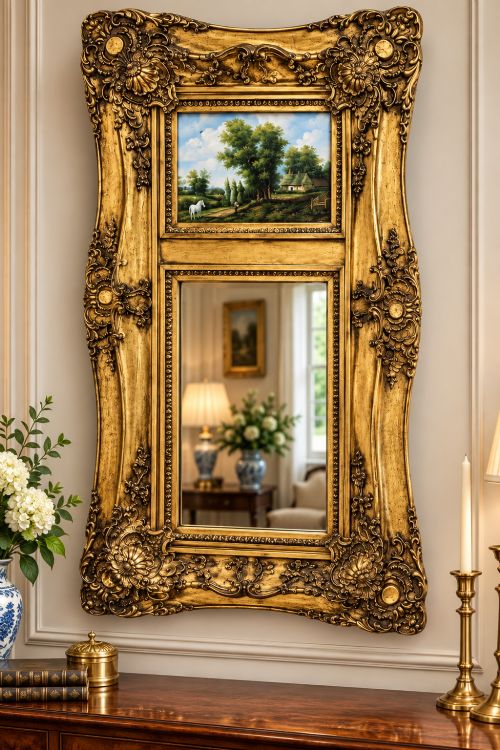
- A decorative wall mirror combined with a painted panel or artwork above the glass. This style originates from eighteenth-century interior decoration.
- Bevelled plate
- Glass with an angled edge ground down to a thinner border. This technique refracts light at the perimeter of the mirror.
Vintage French Rococo Mirror: Frequently Asked Questions
How do I hang a heavy overmantel mirror safely?
Heavy overmantel mirrors require secure fixings anchored directly into wall studs or masonry using substantial brackets suited to the frame weight. Professional installation ensures the substantial load is distributed correctly across the structure.
Position the mirror at a height that reflects natural light from windows or balances the proportions of the mantelpiece below it. Ensure the hanging wire or integrated D-rings match the heavy timber and gesso construction.
What is the difference between rococo and rococo revival?
Original rococo pieces date primarily from the eighteenth century, characterised by fluid asymmetrical lines and hand-carved details created during the reign of Louis XV. These authentic period items carry distinct signs of age in the wood and glass.
19th-century rococo revival pieces replicate these curved motifs during later periods such as the Victorian era or Napoleon III reign. These later interpretations often combine traditional wood and gesso techniques with machine-assisted preparation.
Can these mirrors be used in a bathroom?
High humidity and fluctuating bathroom temperatures subject antique wood, gesso and mirror plates to accelerated deterioration. Moisture softens the traditional gesso ground and causes the silvering on older plates to degrade.
Dry living areas, hallways, bedrooms and mantle spaces provide the stable environment needed to preserve antique frames and original glass plates.