
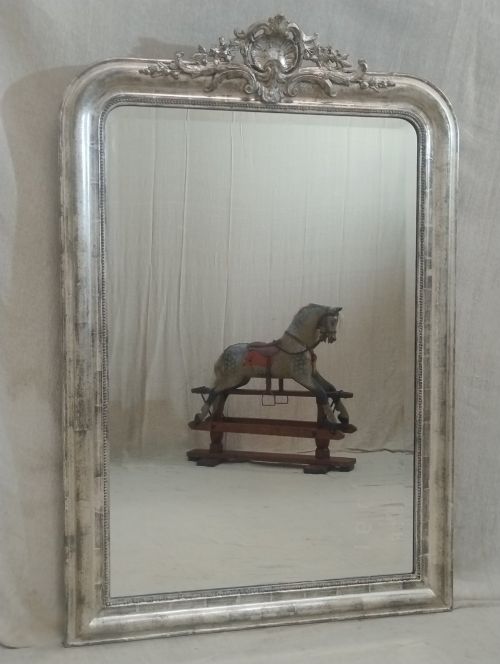
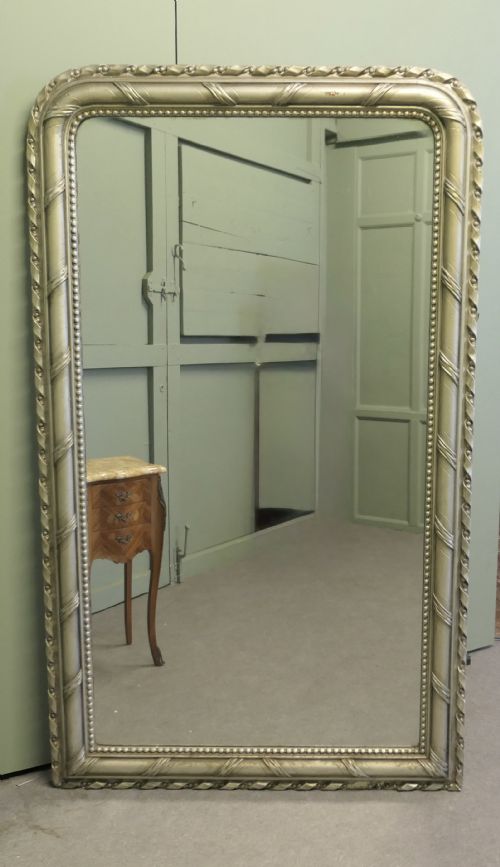


Louis Philippe Silver Mirror
A louis philippe silver mirror brings nineteenth-century French architectural presence into a room, offering generous proportions and softened corners that suit modern interiors.
Louis Philippe Silver Mirror
When you search for a louis philippe silver mirror, you are looking at substantial nineteenth-century wall and overmantel looking glasses originating from France. The items on this page span the 19th century, with notable examples from the eighteen-seventies and eighteen-eighties alongside later historical revivals.
The form is defined by an arched top paired with gentle, rounded upper corners, creating a silhouette that feels less severe than traditional rectangular frames. These pieces function primarily as tall wall mirrors or wide overmantels designed to sit above a fireplace, reflecting light deep into the room.
Most entries combine French chateau styling with robust framing, often reaching impressive heights up to six feet. They bridge domestic utility and ornamental presence, serving as focal points within both period and contemporary settings.
Materials and Construction
Makers built the structural carcases of these pieces from carved wood, applying layers of gesso to build up the smooth surfaces and decorative profiles. Artisans then finished these wooden frames using silver leaf, silver gilt, gold leaf, or ebonised wood to achieve the metallic sheen.
The glazing relies on heavy mirror glass, occasionally incorporating mercury glass or original silvered plates that show gentle ageing. Frames frequently combine silver tones with contrasting black or gilt highlights, securing the glass within arched wooden rabbets.
The listings show materials spanning gesso, ebonised wood, silver leaf, and gold leaf across nineteenth-century wall and overmantel forms.
Assessing the Range
The distinction between standard examples and the finest pieces rests upon the crispness of the carved wood and the depth of the applied gesso mouldings. Superior items retain their original silvered finishes and complex surface treatments without heavy modern intervention.
Proportions also dictate the hierarchy of these objects, where exceptionally tall formats or well-balanced overmantel dimensions command greater visual weight. The integrity of the original mirror plate, whether clear or showing period foxing, completes the assessment of quality.
The Louis Philippe Silver Mirror Glossary
- Gesso
- A plaster-based mixture applied to wood frames to create a smooth surface for gilding or silvering. It allows for crisp detailing along the arched borders.
- Overmantel Mirror
- A wide looking glass specifically proportioned to hang on the wall directly above a fireplace mantel. These pieces often feature extended horizontal formats.
- Silver Gilt
- A technique involving the application of thin silver leaf to a surface, occasionally warmed with gold leaf or tinted finishes. This creates a complex metallic tone rather than a flat silver appearance.
- Mercury Glass
- An older type of double-walled glass created by pouring a silvering mixture between two layers of glass. It produces a distinctive speckled reflection.
- Ebonised Wood
- Timber treated to imitate high-value ebony, creating a dark, uniform contrast against silver leaf details. This finish became popular in late nineteenth-century French design.
Louis Philippe Silver Mirror: Frequently Asked Questions
How do I hang a heavy nineteenth-century mirror?
These large frames require secure fastening directly into wall studs using heavy-duty brackets suited to the weight of wood and glass.
Professional installation is recommended for oversized pieces, particularly tall formats exceeding six feet.
Are the mirror plates original?
Many surviving pieces retain their original glass, which often displays authentic oxidation, dark spots, or light foxing.
Some items feature mercury glass, identifiable by its soft, uneven reflection and historical ageing patterns.
Where should I place an overmantel mirror?
Traditionally hung above a fireplace, these mirrors also function effectively on large, empty dining room or hallway walls.
Their height allows them to draw natural light across the room and create an illusion of expanded space.
How do I clean the silver leaf frame?
Dust the carved wood and gesso gently with a dry, soft brush to protect the delicate metallic leaf and historic finish.
Avoid liquid cleaners or chemical polishes, which can strip the silver gilt or damage the distressed surface.