




Vintage French Oil Landscape
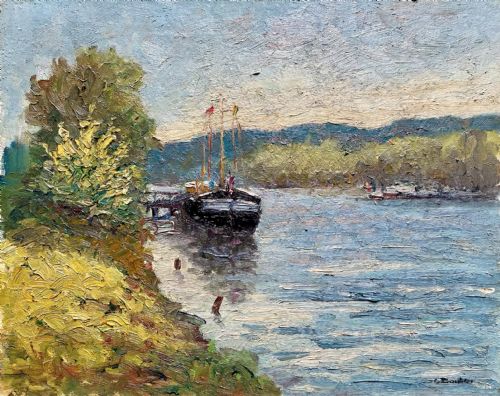
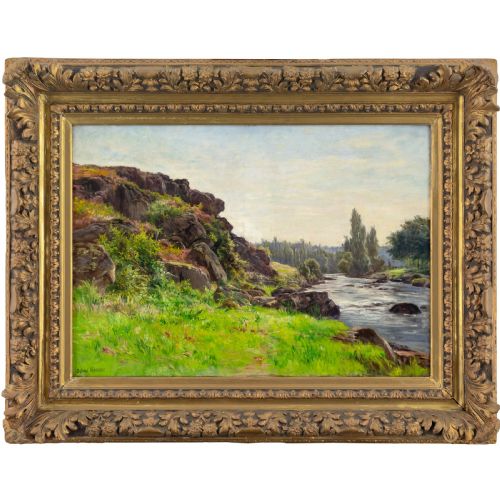
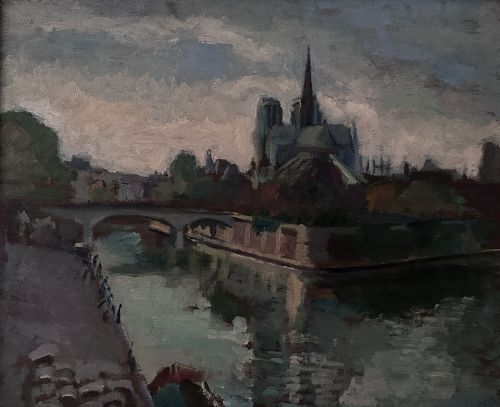
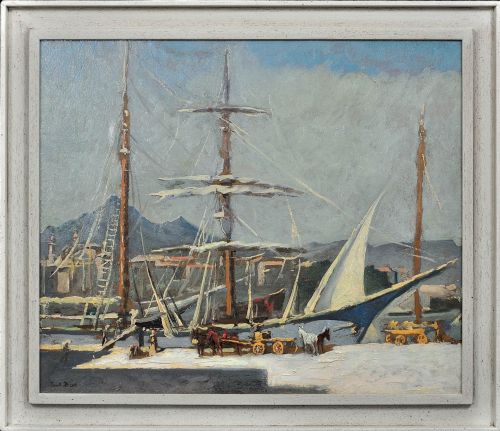
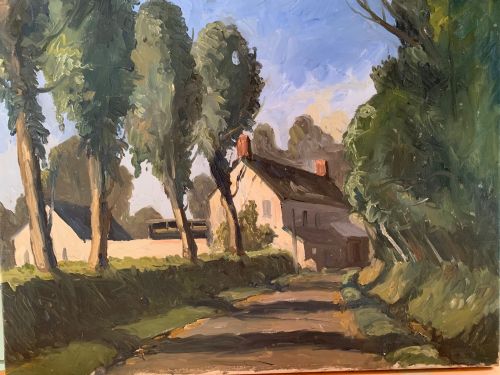
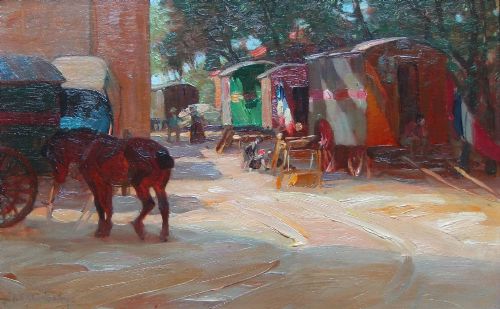
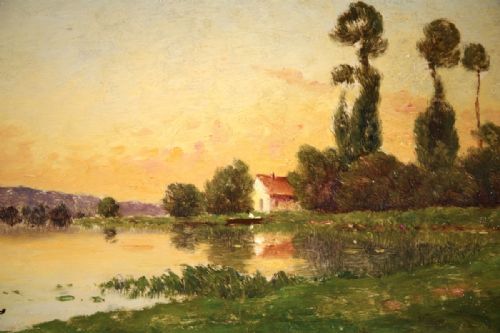
When you search for a vintage french oil landscape, you open a window onto riverbanks, city streets and coastlines captured in rich oil paint across decades of changing European art.
Vintage French Oil Landscape
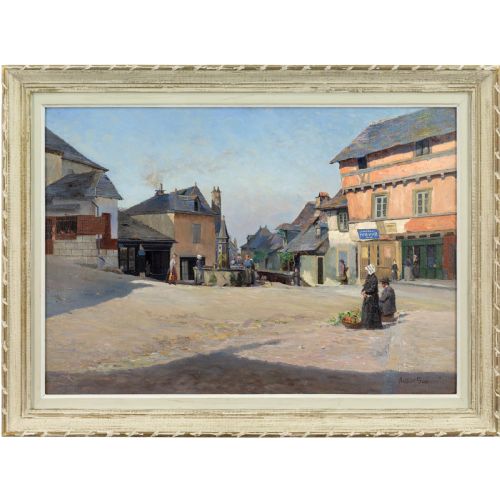
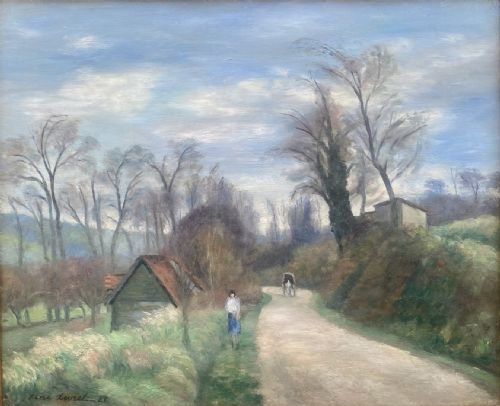
A vintage french oil landscape brings the light and atmosphere of rural Normandy, Parisian boulevards, and Mediterranean shores directly onto a wall. Buyers searching this phrase encounter works ranging from nineteenth-century academic studies to mid-century impressionistic interpretations.
The selections span distinct periods from the late eighteen-hundreds through the nineteen-sixties, capturing rural fields, busy ports, and quiet squares. Canvas and panel form the primary supports for these regional views.
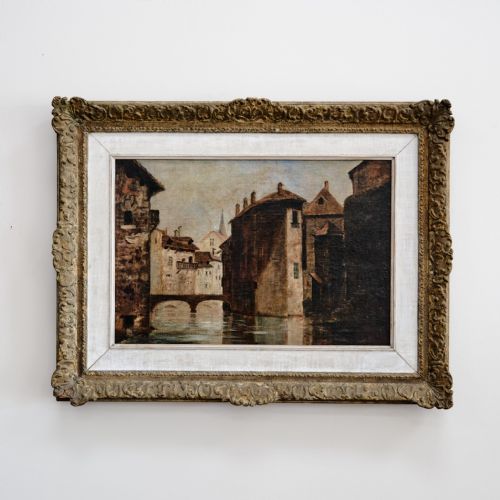
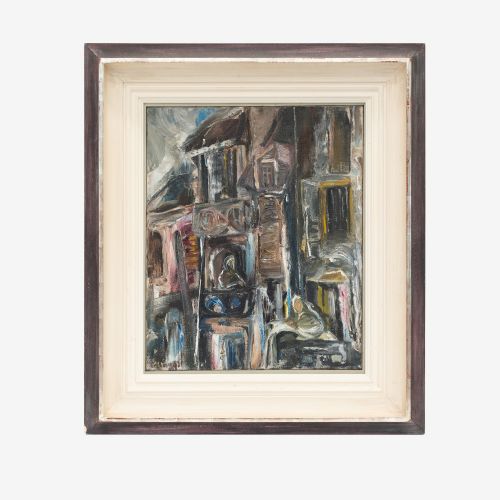
Many examples arrive housed in period wooden frames, often featuring gesso mouldings or gilt finishes that complement the painterly brushwork. Subjects extend from quiet river bends to bustling city markets.
Materials and methods
Artists relied primarily on oil paint applied to stretched canvas or prepared wooden panels, building texture with layered brushstrokes or subtle knife work. This medium allowed creators to capture changing light conditions across Normandy, Paris, and the Riviera.
Surrounding the artworks are frames constructed from wood, frequently ornamented with applied gesso and finished with gilding. These surrounds protect the edges of the canvas while framing the painted composition.
Materials recorded in the inventory include oil paint, canvas, wood panels, gesso, and gilded wooden frames.
Distinctions in quality
Quality rests in the confidence of the brushwork and the artist's command of light and perspective within the composition. Stronger pieces display deliberate handling of tone that brings depth to water, foliage, and stone structures.
The preservation of the original paint surface and the harmony between the canvas and its period frame influence the overall character of the piece. Subtle colour retention and stable pigment layers distinguish the finest examples.
Gabriel Mathieu·Arthur Gué·Henri Ottmann·Rene Levrel·Paul Ehrenberg·Caroline Burnett·Charles Clair·Henri Jaques Delpy·Gabriel Dauchot·Mario Pinetti
The Vintage French Oil Landscape Glossary
- Canvas
- A heavy woven fabric stretched across a wooden frame to serve as a sturdy foundation for oil paintings. It provides a slightly textured surface that grips pigment effectively.
- Gesso
- A plaster-like mixture applied to wood or canvas to prepare a smooth surface for painting or framing. It takes gilding and moulding exceptionally well.
- Impressionism
- A nineteenth-century painting style focusing on accurate depiction of light and fleeting moments. Artists utilised visible brushstrokes and unblended colours.
- Post-Impressionism
- An art movement extending impressionist techniques while emphasising geometric forms and expressive use of colour. Creators pushed beyond optical realism into more personal visions.
- Giltwood
- Wood coated with a thin layer of gold leaf or metallic powder. It brings a reflective, warm border to antique picture frames.
Vintage French Oil Landscape: Frequently Asked Questions
How do I identify the period of a landscape?
Study the painting technique, the style of the brushwork, and the framing materials used by the artist. Mid-century works often show freer application, while nineteenth-century pieces tend toward tighter academic detail.
The backing materials, canvas stamps, and stretcher construction also offer clear clues to the decade of creation.
Are these paintings usually framed?
Many examples retain their original or period-appropriate wooden frames, often featuring decorative gesso and gilt finishes. These surrounds were chosen to complement the specific palette and subject of the artwork.
Checking the fit between the canvas and the rabbet helps determine if the pairing is contemporary to the painting.
Where were these scenes typically painted?
Artists painted across diverse regions of France, from the Normandy coast and the banks of the Seine to Parisian streets and Mediterranean ports. Each location offered distinct atmospheric qualities and architectural backdrops.
Inscriptions on the reverse or the title often record the specific town, river, or region depicted.
What is the difference between canvas and panel supports?
Canvas provides a flexible, textured surface stretched over wooden bars, common in larger landscape formats. Panels offer a rigid wooden support that resists flexing and suits smaller, immediate outdoor studies.
Both materials appear frequently across the different eras represented in these collections.