

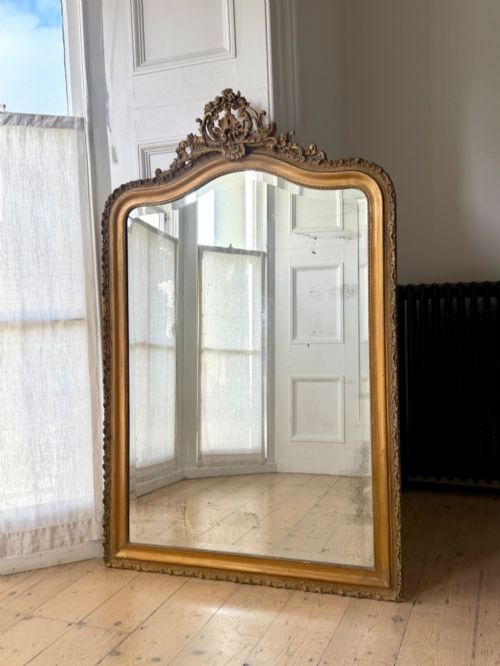
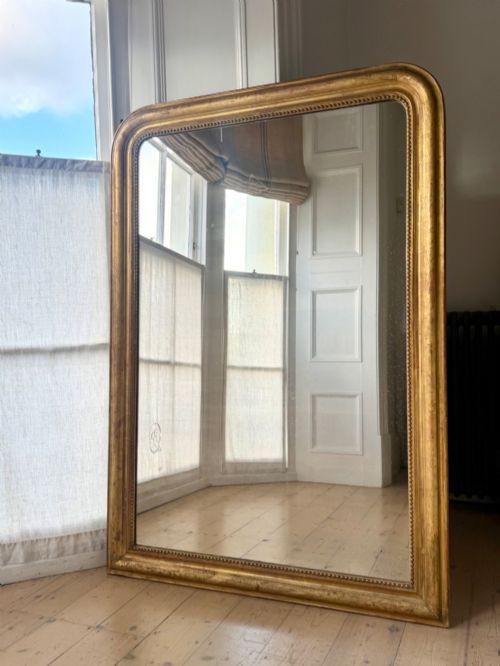
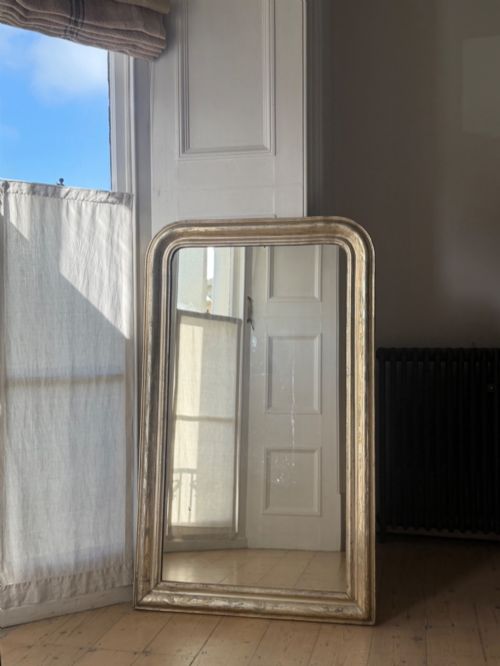
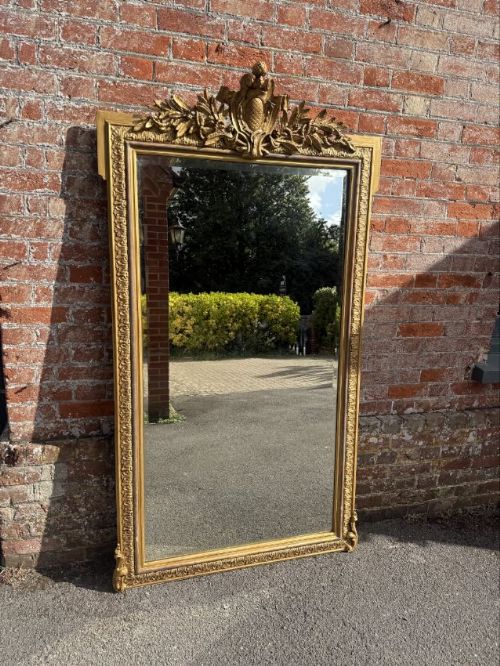
Vintage French Floor Mirror
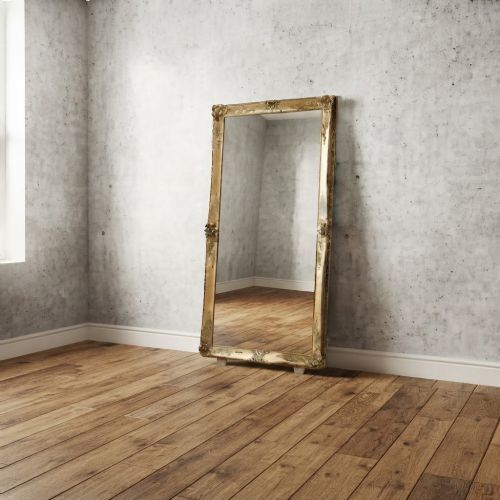
A vintage french floor mirror brings height and reflected light to a room, working best when leaned against a tall wall.
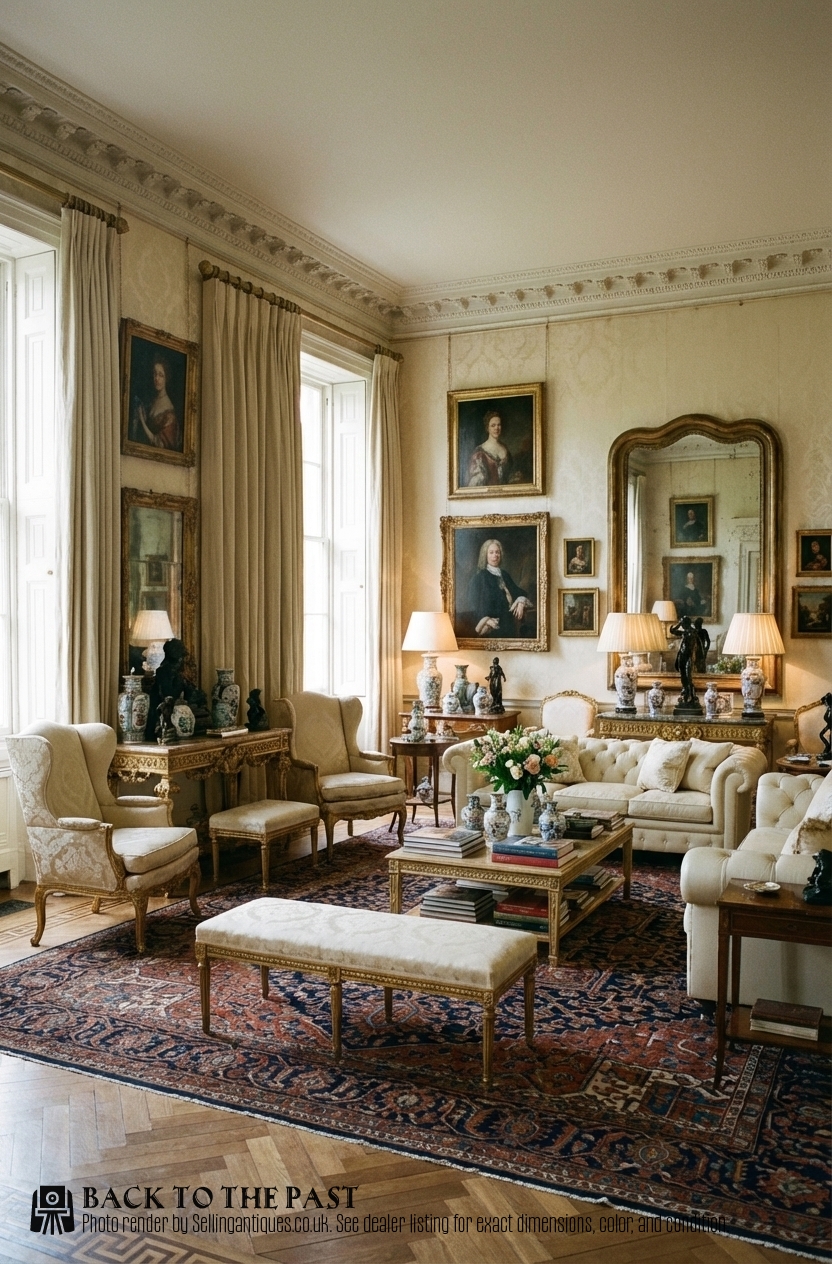
Vintage French Floor Mirror
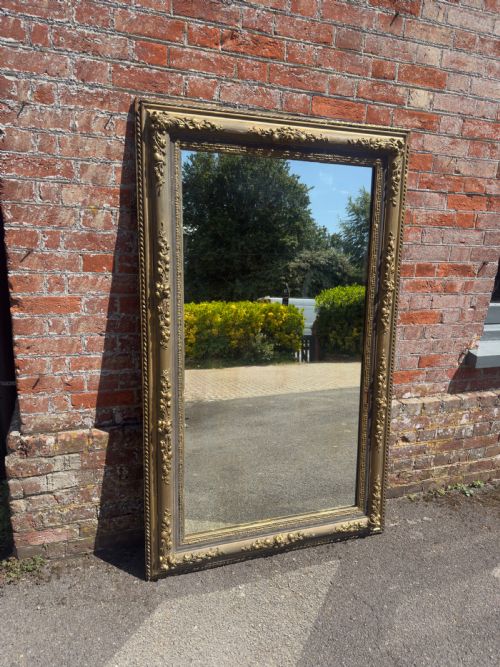
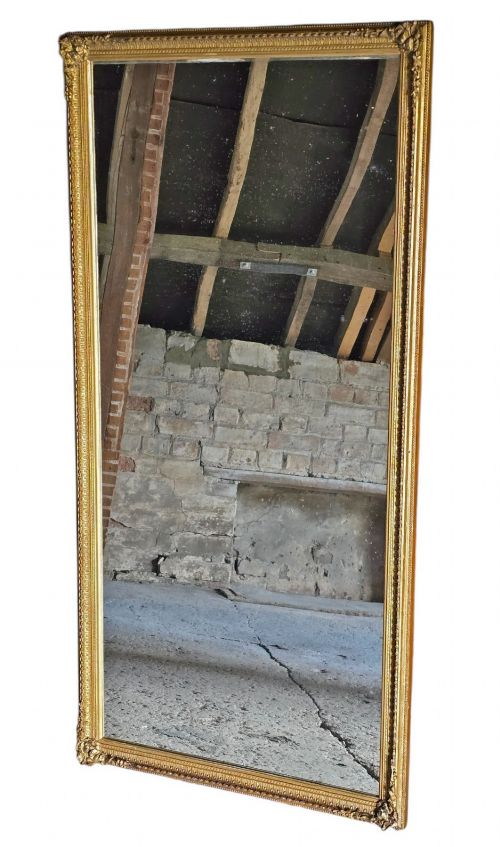
A vintage french floor mirror provides a tall reflective surface designed to stand upright on the floor or lean securely against a wall. When searching for a vintage french floor mirror, buyers encounter grand proportions from the nineteenth century alongside later examples from the early twentieth century.
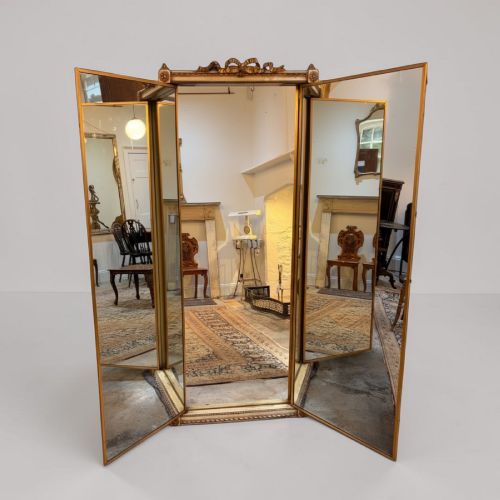
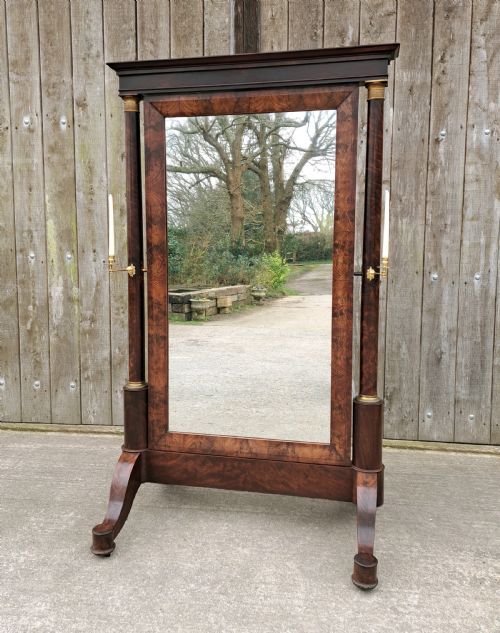
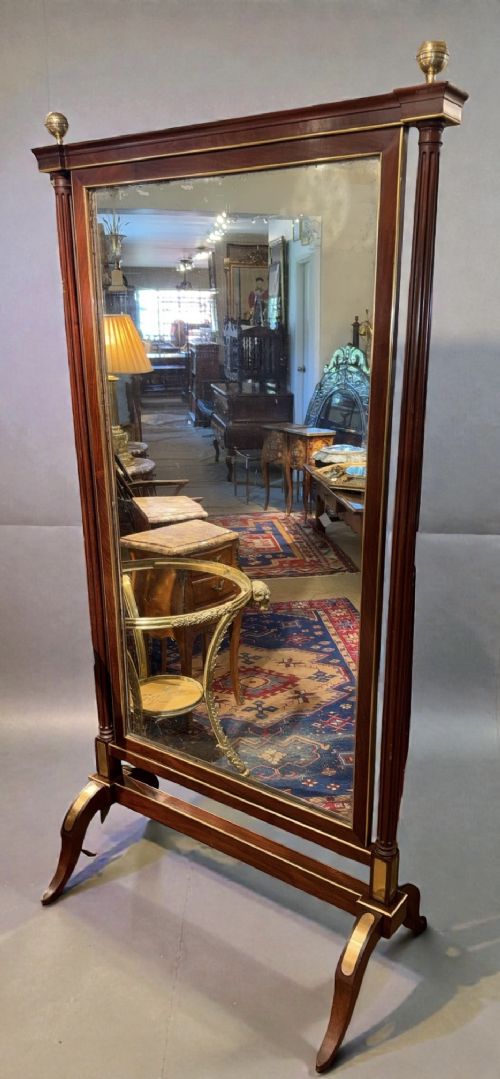
The dominant forms include substantial leaner mirrors and freestanding cheval mirrors mounted on pivots. These pieces originate primarily from nineteenth century and early twentieth century workshops, spanning styles from Louis Philippe to Rococo Revival.
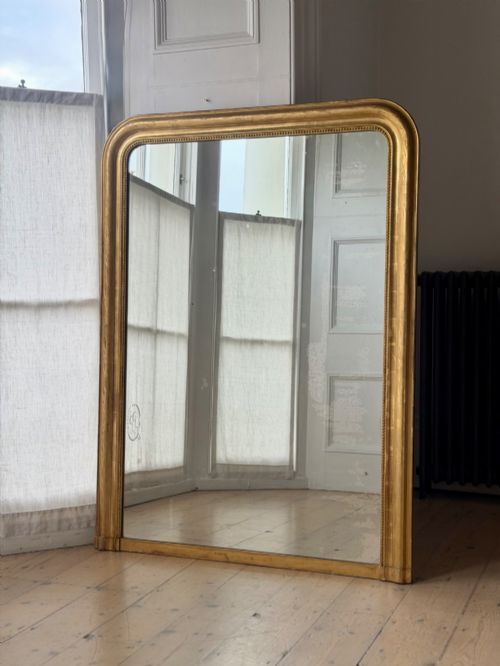
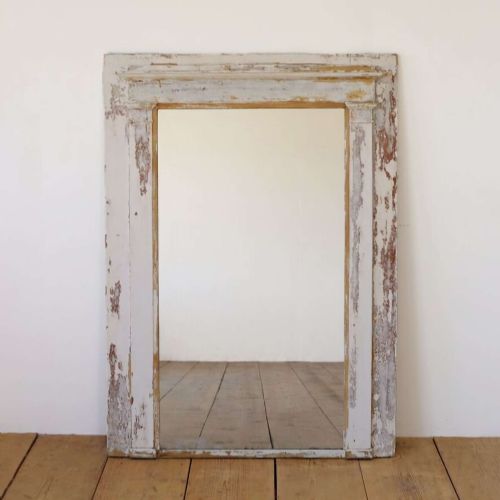
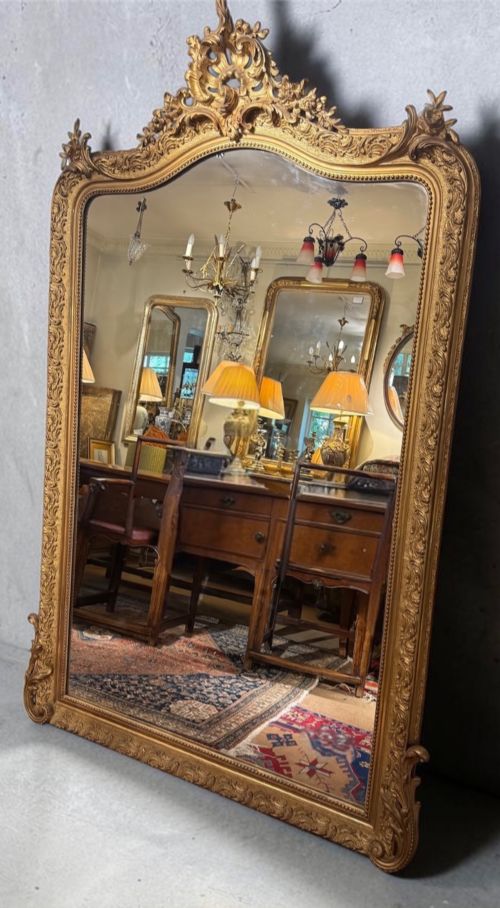
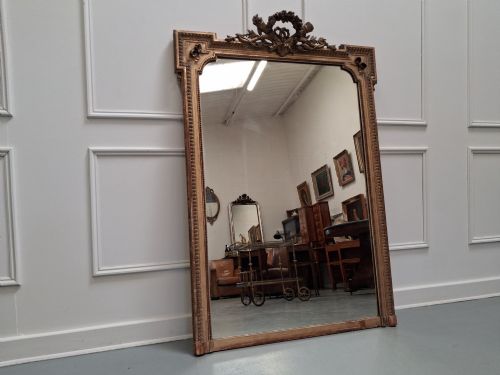
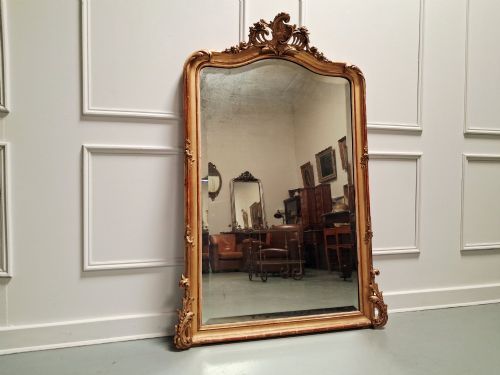
Makers utilised architectural frames and arched tops to create commanding focal points in domestic interiors. The selection ranges from giltwood frames to painted wooden constructions.
Materials and construction
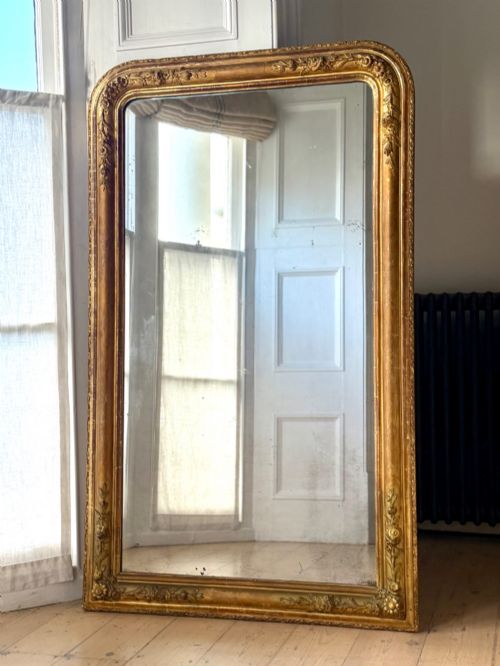
Carpenters built the structural frames using solid woods such as mahogany or pine before applying ornamental layers. Gesso was moulded over the timber base to create intricate relief decoration before gilding with gold leaf or silver leaf, or finishing with paint.
Mirrors relied on heavy glass sheets held within the rebated frame. Many freestanding cheval mirrors incorporated brass hardware, including adjustable pivots and candle holders.
Vintage French Floor Mirror Retail Price Guide 2026
Typical asking prices for vintage french floor mirror among the pieces listed under this phrase on Sellingantiques today, from the lower quarter to the upper quarter. They describe what is for sale here now, not the wider market.
Certain mahogany cheval mirrors include brass articulated candle holders, ready for illuminating an eighteenth century outfit by candlelight.
Distinctions in quality
Quality rests in the depth and sharpness of the hand-carved wood and gesso ornamentation. Superior examples display crisp relief work where the moulding remains distinct and well-defined across the arched top and corners.
The choice of finish dictates the visual impact, from heavy gold leaf gilding to carefully layered original paint. Substantial timber frames with tight joinery and stable backing boards support the weight of large glass plates over decades of use.
The Vintage French Floor Mirror Glossary
- Cheval mirror
- A freestanding full-length mirror suspended on a frame with vertical pivots allowing it to tilt. This form gained popularity for bedroom dressing during the nineteenth century.
- Gesso
- A plaster-like mixture applied to wooden frames and carved or moulded into ornamental relief details. It provides a smooth base for subsequent gilding or painting.
- Louis Philippe
- A nineteenth century French style characterised by understated elegance, simple rectangular proportions, and often a gentle upper arch. It strips away excessive ornamentation in favour of clean architectural lines.
- Trumeau
- A decorative wall mirror paired with a painted panel or carved artwork above the glass. These were traditionally designed to fit the space between room windows.
- Pier mirror
- A tall narrow mirror specifically designed to hang on the wall space between two windows. They often stand above low console tables or piers.
Vintage French Floor Mirror: Frequently Asked Questions
How do I secure a heavy floor mirror?
Leaner mirrors require adequate floor friction and robust wall fixings near the top to prevent tipping. Professional mirror brackets anchor the upper frame securely to the masonry or studwork.
Heavier nineteenth century frames demand careful weight distribution against a flat wall surface to ensure long-term stability.
What is a cheval mirror used for?
A cheval mirror functions as a freestanding dressing glass that tilts on vertical pivots to adjust the viewing angle. It allows a person to see their entire outfit from head to toe without requiring wall mounting.
These pivoting mirrors commonly appear in bedrooms and dressing rooms alongside mahogany or gilt furniture.
How do I identify a Louis Philippe mirror?
Louis Philippe mirrors typically feature simple rectangular frames with rounded upper corners and a subtle arched crest. The decoration remains restrained compared to earlier Rococo styles.
These pieces rely on clean proportions and often feature gilded or painted wooden mouldings suited to traditional and modern interiors alike.
Can these mirrors be wall mounted?
Many tall mirrors described as floor mirrors also feature hardware for wall hanging. The heavy wooden frames require substantial wall anchors capable of supporting considerable weight.
Checking the rear structure confirms whether the original hanging loops or added brackets can safely bear the vertical load.