


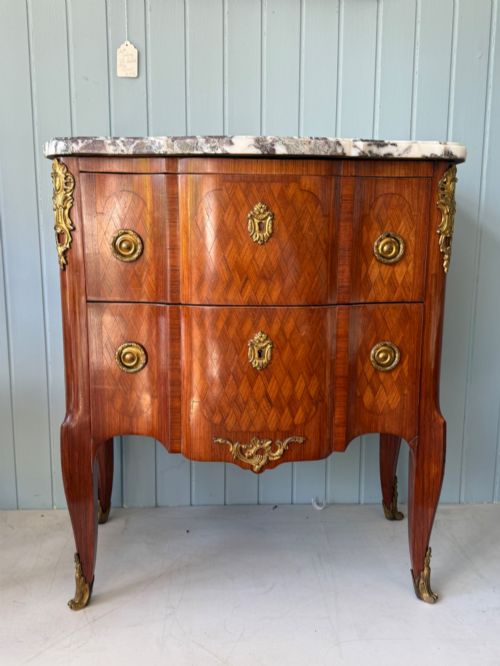
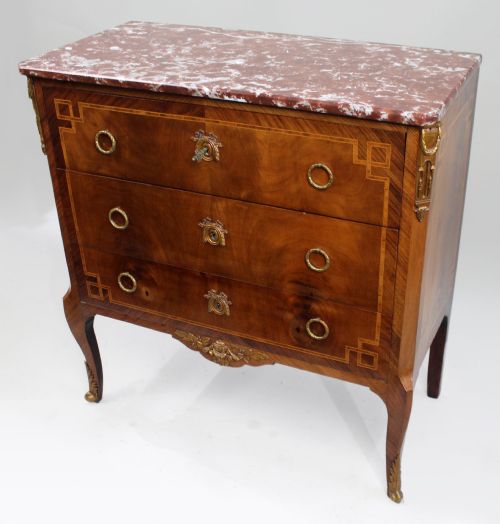
Vintage French Chest
A vintage french chest brings enduring proportion and timber grain to a room, ranging from walnut commodes to leather trunks.
Vintage French Chest
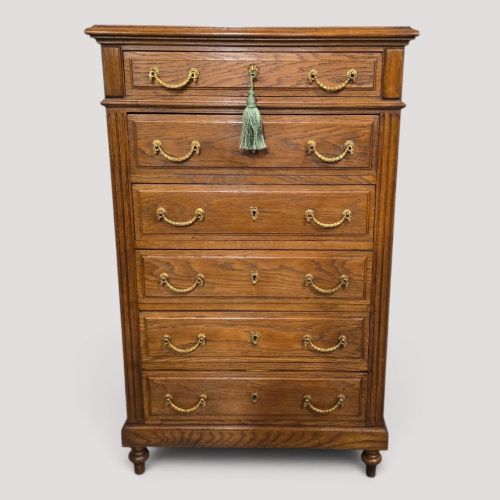
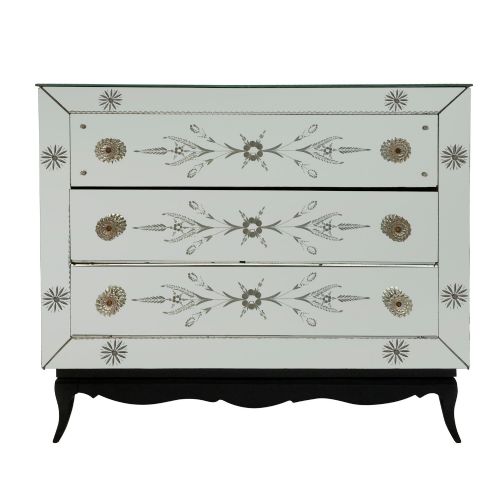
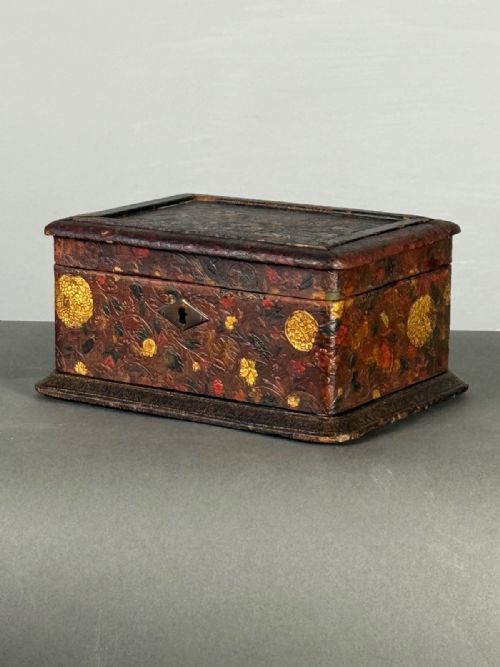
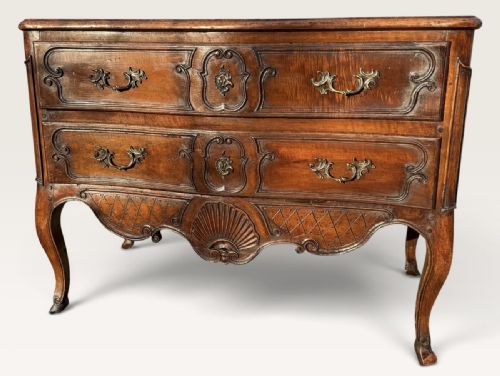
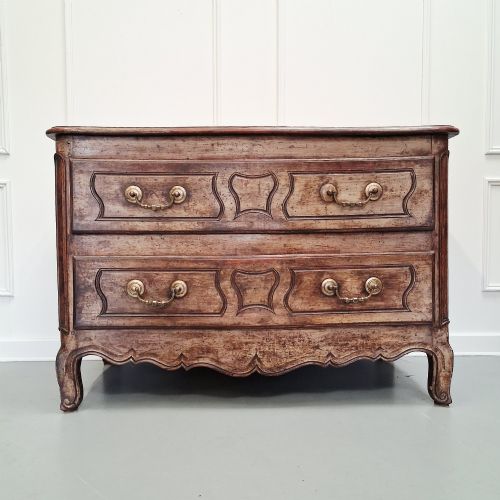
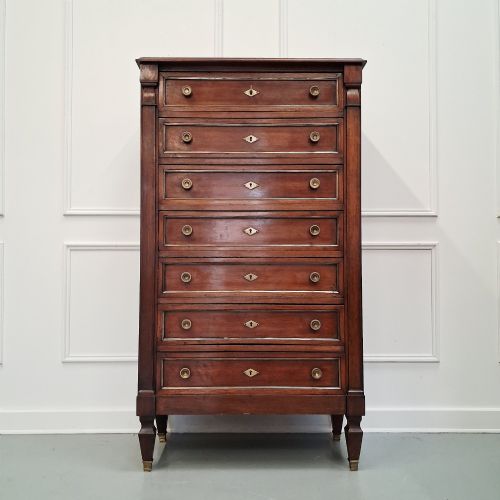
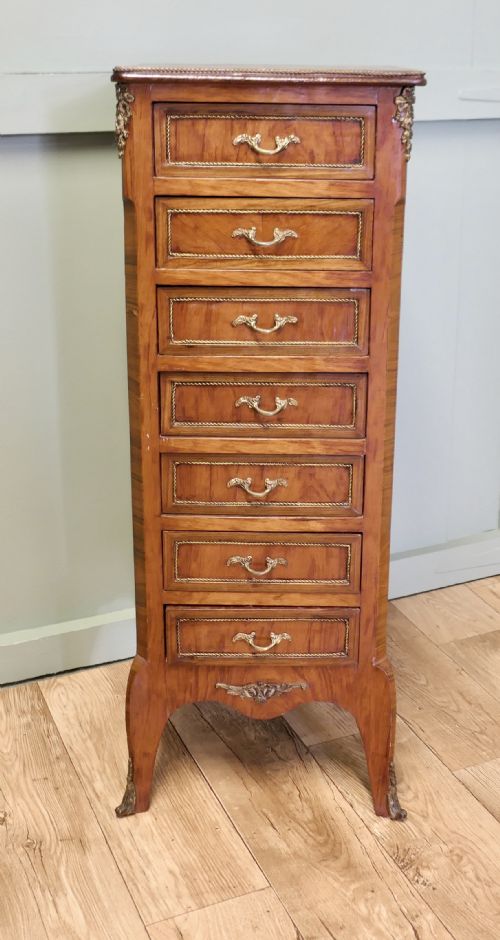
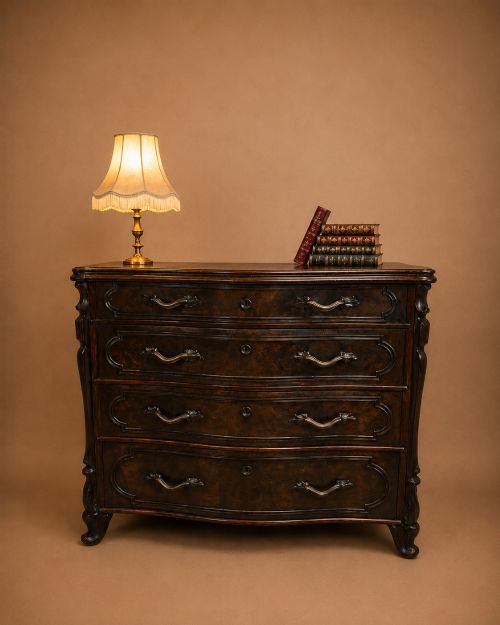
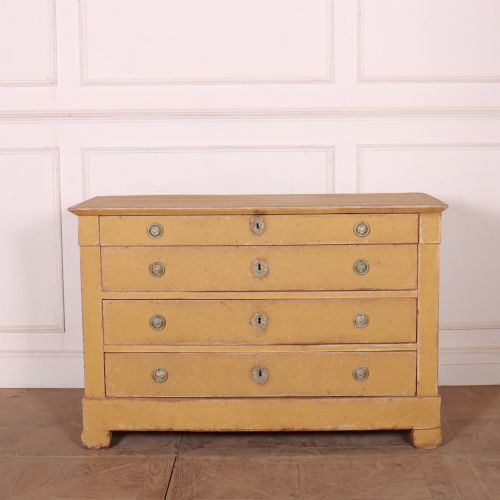
A vintage french chest encompasses a broad sweep of utilitarian and formal furniture found across rural and urban interiors, matching the phrase vintage french chest. The forms include bedside cabinets, tall semainiers, and serpentine commodes spanning the eighteenth century to the nineteen-thirties.
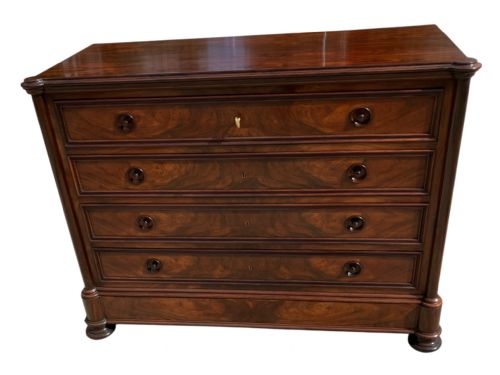
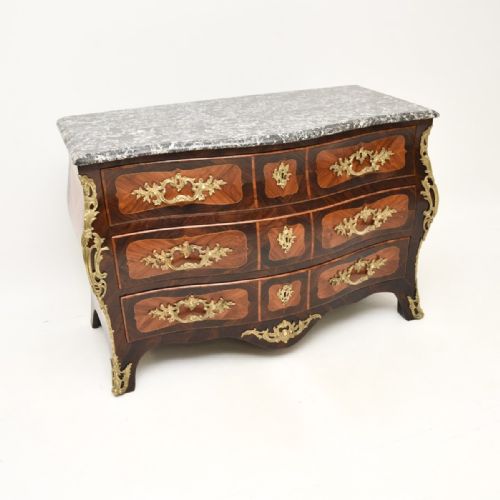
Walnut, oak, and mahogany form the structural core of these pieces, alongside painted pine and exotic veneers like kingwood and palisander. Marble tops in grey and rouge sit frequently upon these frames, alongside brass handles and ormolu mounts.
Stylistic revivals dominate the selection, particularly Louis XV and Louis XVI designs, alongside French Provincial work and Art Deco pieces. Makers such as Jacques Bircklé and Susse Frères represent the finer end of Parisian craftsmanship preserved in these survivals.
Materials and Technique
Cabinet makers utilised solid timbers such as walnut, oak, and mahogany for structural integrity, often applying marquetry and parquetry in kingwood and satinwood to drawer fronts and tops. Metal bindings, brass hardware, and ormolu mounts complete the structural assemblies.
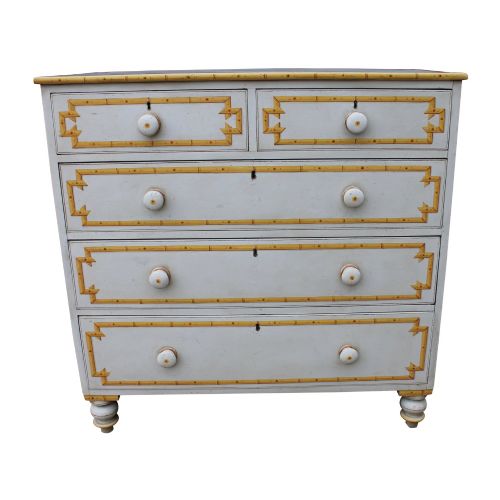
Heavy marble slabs in grey, white, and rouge rest atop many commodes, requiring robust framing to support the stone weight. Leather and metal bindings reinforce trunks, while painted finishes decorate pine and fruitwood pieces.
Joinery techniques span dovetail drawer construction and panel framing, adapted to serpentine, bow front, and straight profiles across different decades and workshops.
Several pieces include secret cocktail compartments and music cabinets designed to keep evening entertainment discreetly locked away.
Evaluating the Pieces
The refinement of the timber selection and the precision of marquetry inlay set the standard for these chests. Finely figured walnut, kingwood, and palisander display natural grain patterns that elevate the visual weight of a commode.
The integration of heavy marble tops and the quality of cast ormolu and brass mounts indicate the original workshop ambition. Crisp carving on French Provincial frames and balanced serpentine proportions distinguish superior cabinet work from simpler vernacular pieces.
Jacques Bircklé·Susse Frères·Louis Vuitton
The Vintage French Chest Glossary
- Commode
- A low French chest of drawers, typically featuring multiple drawers and standing on short legs. They frequently incorporate marble tops and elaborate veneer work.
- Semainier
- A tall, narrow chest of drawers traditionally designed with seven drawers, one for each day of the week. This form maximises vertical storage space in bedrooms.
- Ormolu
- Gilt bronze mounts applied to furniture edges and handles, providing decorative contrast to timber surfaces. The technique involves mercury gilding on bronze.
- Marquetry
- Decorative veneer patterns assembled from thin slices of wood, shell, or ivory to form pictorial or geometric designs. Craftsmen apply these to drawer fronts and cabinet tops.
- Serpentine
- A furniture front or top shaped with a convex centre flanked by concave curves, creating a gentle wave effect. This contour demands advanced woodworking skill.
Vintage French Chest: Frequently Asked Questions
What is a commode?
A commode is a low chest of drawers originating in France, traditionally finished with a marble top and decorative veneer work. These pieces served as principal storage furniture in domestic bedchambers.
Over time, the form evolved through various stylistic revivals, incorporating serpentine fronts, marquetry, and gilt bronze mounts while retaining its low, substantial proportions.
How do I style a bedside cabinet?
Bedside cabinets and nightstands provide enclosed storage alongside a compact surface for lamps and small objects. Matching pairs offer symmetry flanking a bed, while single pieces function as lamp tables.
The marble or timber tops withstand everyday use, while the drawers and cupboards conceal modern bedside items within a period silhouette.
What timber was used?
Cabinet makers relied primarily on native European hardwoods such as walnut, oak, mahogany, and pine for carcases and structural frames. These timbers offered stability and durability for heavy daily use.
Exotic and decorative woods including kingwood, palisander, and satinwood appeared as veneers for intricate marquetry and parquetry patterns on formal display pieces.
How do I date a trunk?
Trunks and portmanteaus reveal their origins through construction methods, locking mechanisms, and exterior materials. Leather, canvas, and metal bindings evolved from early nineteenth-century stage travel to twentieth-century steamship voyages.
Maker labels, interior lining fabrics, and hardware patination help pinpoint the manufacturing era of uncompromised travel pieces.