
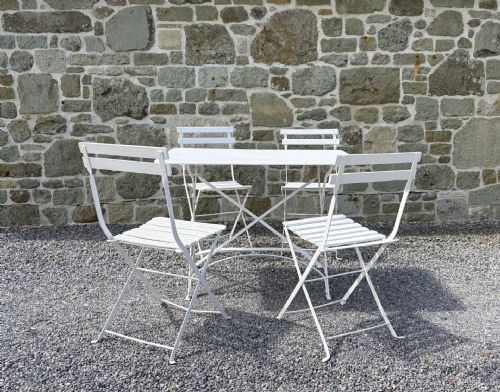
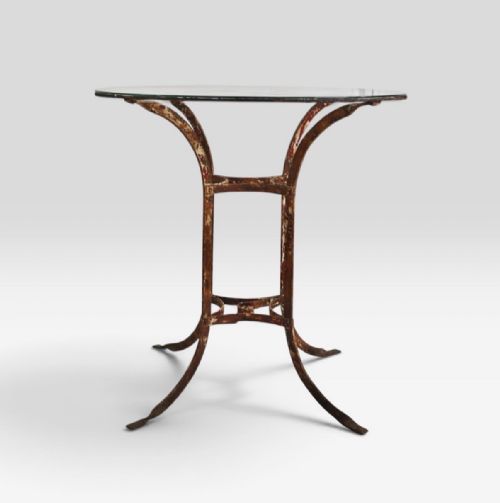
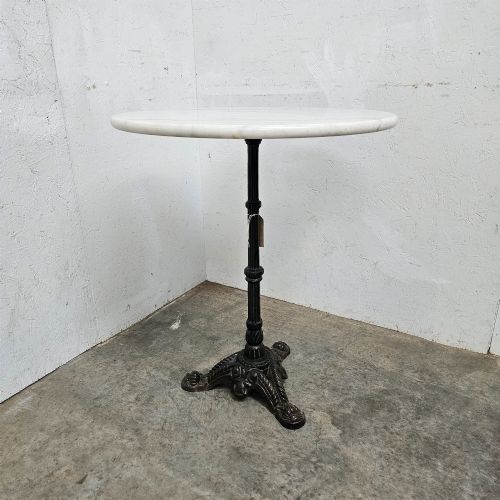
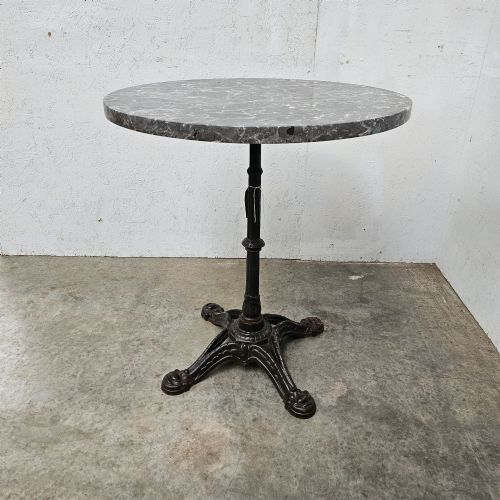

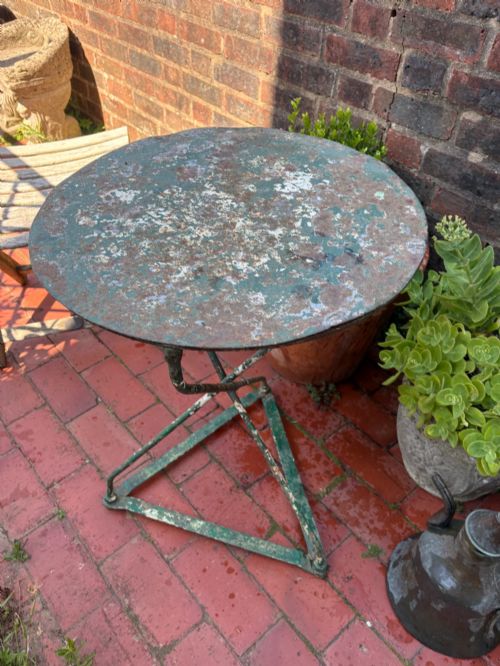


Vintage French Cafe Table
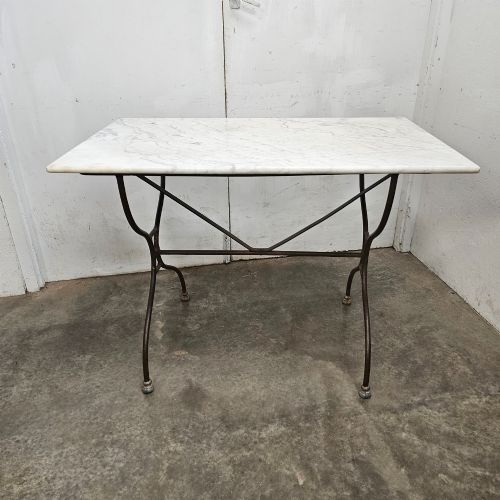
A vintage french cafe table brings immediate everyday charm to a room, offering sturdy metal frames and stone tops built for daily use.
Vintage French Cafe Table
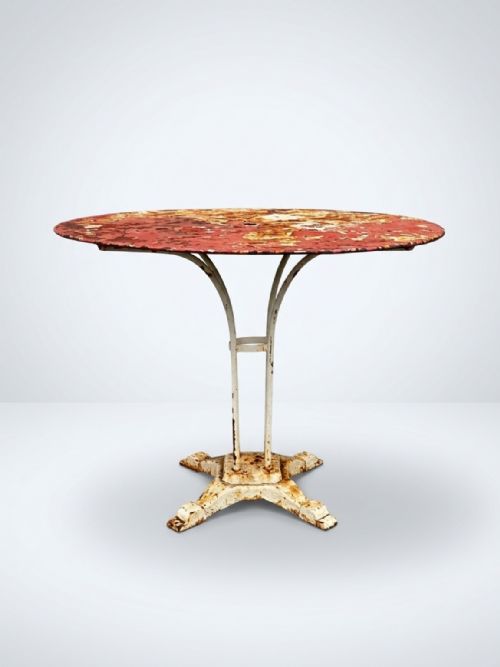
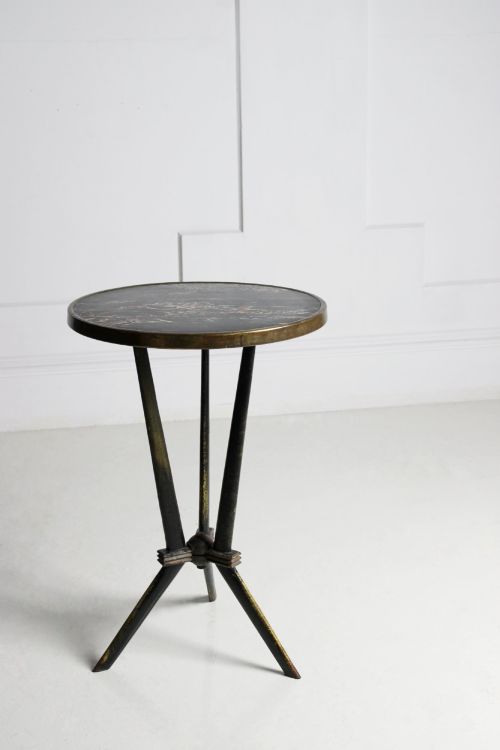
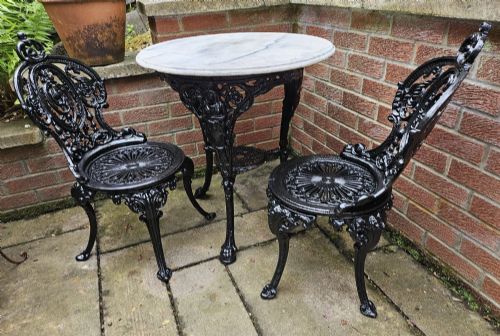
When you search for a vintage french cafe table, you encounter practical dining and garden furniture originating from France across the nineteenth and early twentieth centuries. These pieces encompass bistro tables, side tables, and garden tables that served commercial cafes and private terraces alike.
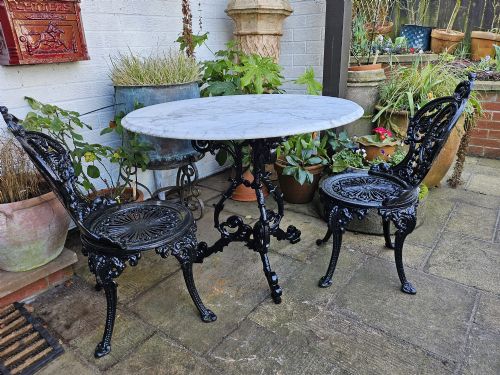
The version you are most likely to meet on this page combines a heavy metal base with a smooth stone surface, frequently rendered in styles such as French bistro, French country, and industrial.
Makers designed these items for robust daily service in outdoor and indoor hospitality spaces, resulting in surviving examples that display honest wear from decades of public and private use.
Construction and materials
Foundries manufactured the structural elements using cast iron and wrought iron, often shaping sturdy three-legged or four-legged bases to provide reliable stability on uneven ground.
Workers mounted polished marble, frequently green or white, onto these metal frames to create hygienic surfaces that withstood constant wiping and outdoor elements.
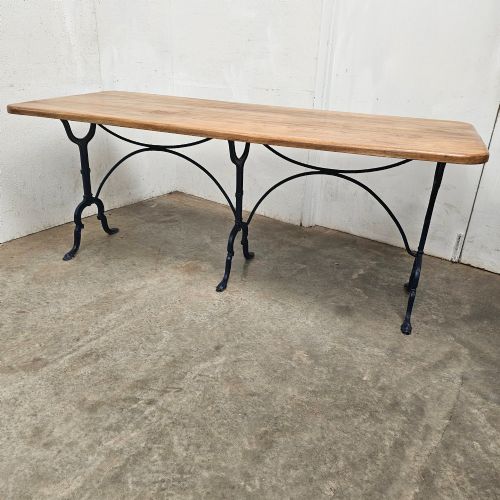
Alternative iterations incorporate solid timber surfaces such as oak and elm, secured to iron or brass frameworks using traditional mechanical fixings.
Listings feature pieces spanning the nineteenth century through the 1930s, utilising cast iron, marble, oak, and brass.
Assessing quality and proportion
The distinction between standard utility items and finer examples rests upon the intricacy of the metal casting and the thickness of the stone top. Heavy marble slabs and detailed ironwork indicate superior initial investment by the original proprietors.
Proportion and scale dictate the visual weight of each piece within a modern interior, where slender cast iron stems and well-proportioned circular tops achieve greater harmony than heavier, utilitarian counterparts.
The Vintage French Cafe Table Glossary
- Bistro Table
- A small dining table traditionally used in public drinking and eating establishments. These compact tables maximise seating capacity in restricted spaces.
- Cast Iron
- An iron-carbon alloy poured into moulds to create complex structural shapes. This material provides the substantial weight necessary to prevent cafe tables from tipping.
- Gueridon
- A small round table supported by one or more central columns. French makers often utilised this form for side tables and intimate cafe settings.
- Marble
- A metamorphic rock prized for its cool touch and decorative veining. It remains the classic material for French cafe table surfaces due to its durability.
Vintage French Cafe Table: Frequently Asked Questions
Where did these tables originate?
These tables originate from French cafes, bistros, and gardens dating from the nineteenth and early twentieth centuries. Makers constructed them for commercial hospitality use outdoors and indoors.
Over decades of service, these sturdy iron and stone pieces migrated from pavement seating into domestic kitchens, sunrooms, and gardens.
Can I use these tables outside?
Many examples were originally built for outdoor terrace use, combining weather-resistant cast iron frames with stone tops. However, prolonged exposure to harsh frost can affect certain marbles and paints.
Protecting the ironwork and stone during severe winter weather helps preserve the original patina and structural integrity of the piece.
How do I clean a marble top?
Routine maintenance requires only a damp cloth and mild, neutral soap to remove surface dust and everyday marks. Avoid acidic cleaners that etch the polished stone.
Allowing the marble to age naturally maintains the authentic character developed through years of active cafe service.
How do I date a cast iron base?
Examining the construction methods, bolt types, and foundry marks provides clues to the manufacturing era. Nineteenth-century examples typically feature heavier sand-cast components and hand-forged elements.
Later pieces from the early twentieth century often show more standardised industrial production while retaining traditional forms.