
Vintage French Bronzes
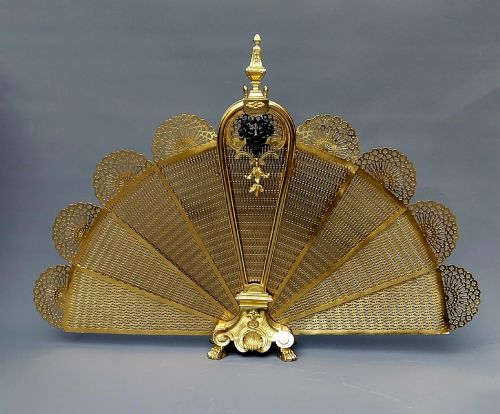
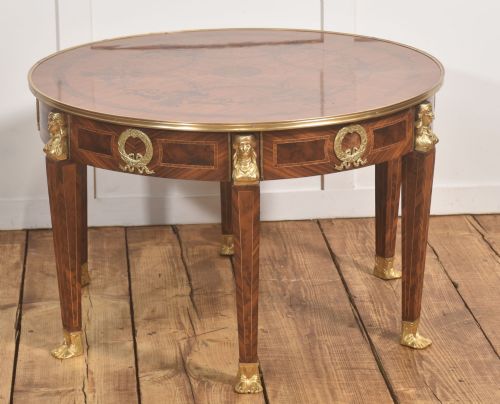
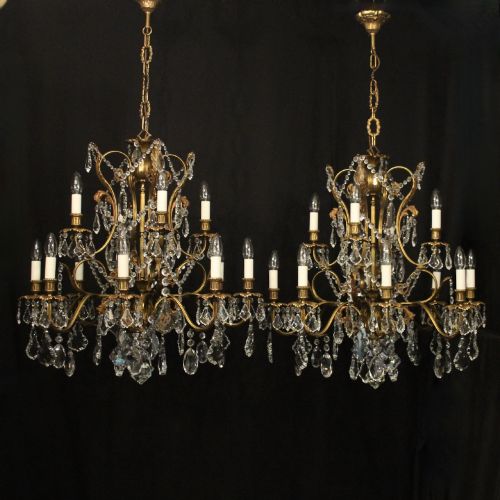
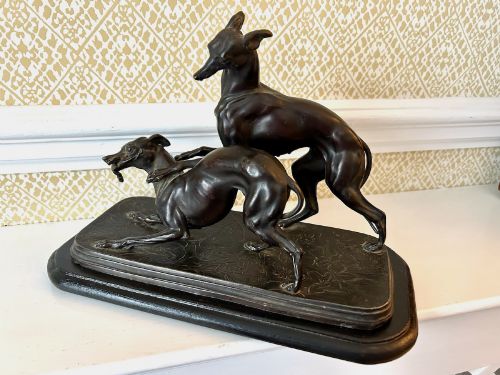
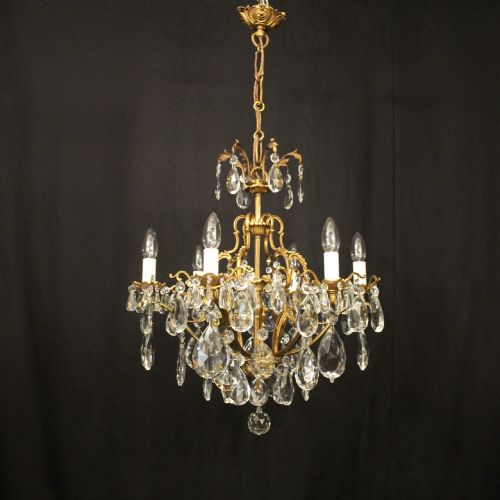
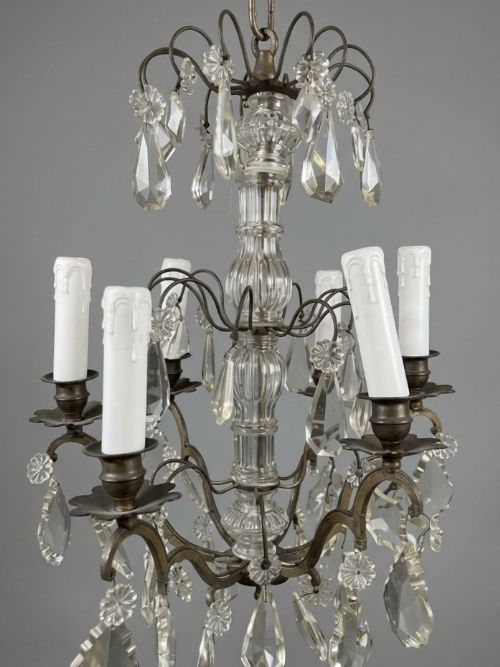
These vintage french bronzes bring warmth and decorative weight to a room through cast metal, marble, and crystal.
Vintage French Bronzes
When searching for vintage french bronzes, buyers encounter a diverse range of objects spanning lighting, timepieces, and decorative sculpture. The selection here leans heavily towards nineteenth and early twentieth-century creations, reflecting the enduring popularity of classical and revival motifs.
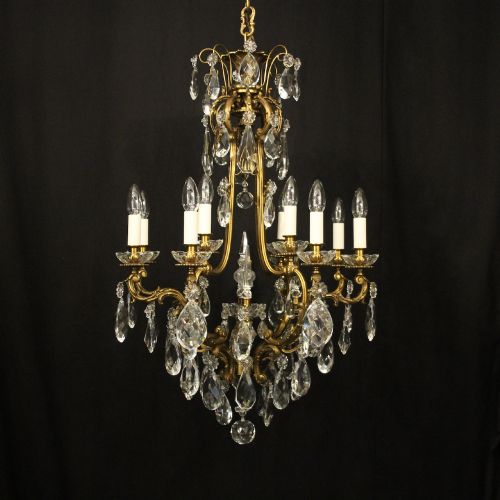
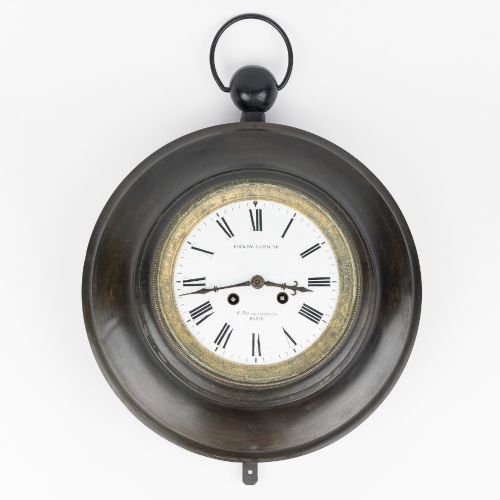
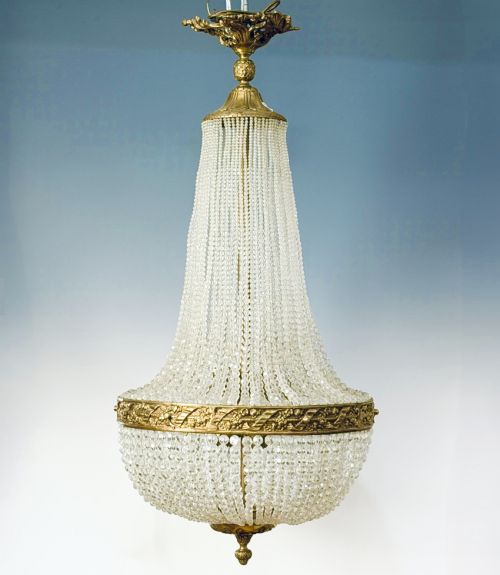
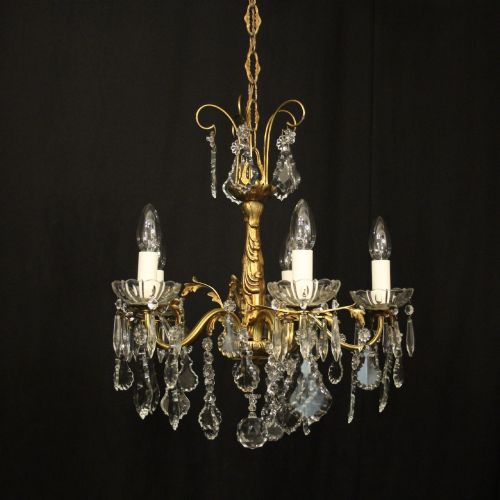
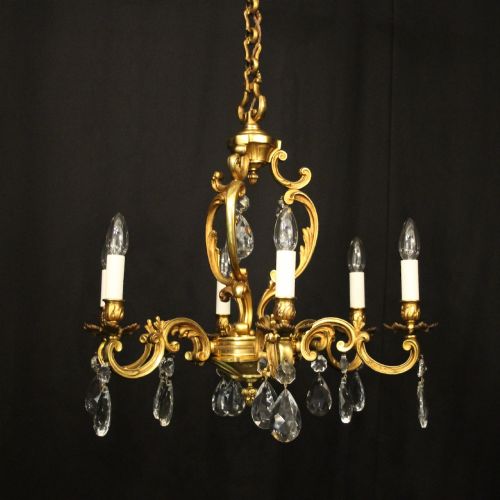
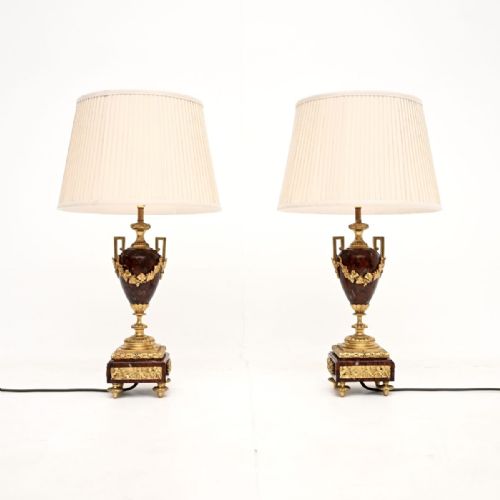
Lighting forms a substantial part of the offering, including multi-arm chandeliers, wall sconces, and table lamps often paired with marble or onyx. Alongside these functional items, sculptural works and mantel clocks display the intricate casting typical of continental ateliers from the period.
Stylistic influences range widely across the items, encompassing French Rococo, Neoclassical, Art Deco, and Empire designs. This variety ensures that whether the goal is a restrained mantel clock or an ornate multi-light chandelier, the pieces remain anchored in traditional continental craftsmanship.
Factors of Quality
The choice of secondary materials also dictates standard, with high-grade pieces utilising solid bronze rather than spelter, alongside heavy crystal drops and genuine marble bases rather than synthetic alternatives. Surface treatments such as fire gilding retain a warmer lustre over time compared to flat modern lacquers.
Several cherubs double as illumination sources, holding out wall sconces and lamps as if offering light to the room.
Jacques Bircklé·P J Mêne·Pierre le Faguays·François Linke·Raymond Subes·E Rousseau
The Vintage French Bronzes Glossary
- Ormolu
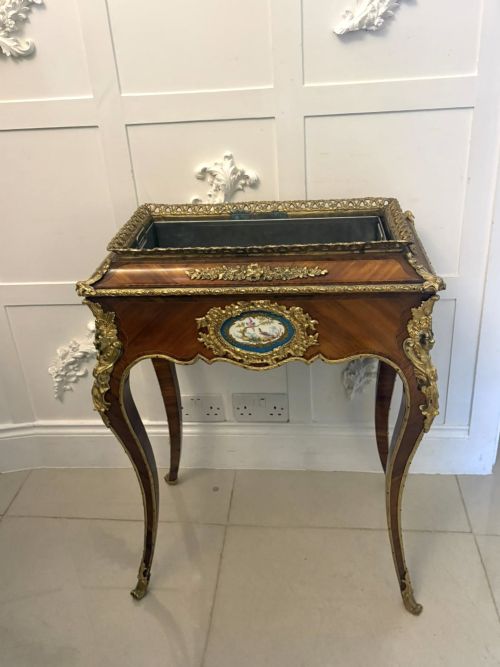
- Gilded bronze, usually referring to finely chased and gilt-metal mounts applied to furniture, clocks, and decorative objects. The term derives from the French for ground gold.
- Champlevé
- An enamelling technique where troughs or cells are sunk into the surface of a metal object and filled with vitreous enamel powder before firing. This method creates colourful geometric or floral patterns.
- Animalier
- A nineteenth-century artistic movement focused on the realistic depiction of animals, particularly in bronze sculpture. Practitioners often captured subjects in motion or during predatory encounters.
- Spelter
- A zinc alloy frequently used as a cheaper substitute for bronze in decorative figures and lamps, often given a bronze-coloured finish. It is softer and lighter than true bronze.
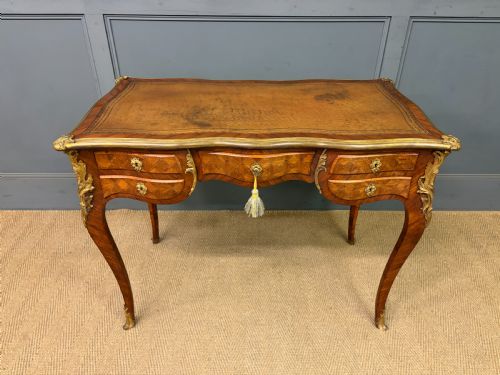
- Bureau Plat
- A freestanding double-sided writing desk featuring a flat top, typically inset with leather and mounted with gilt-metal edging.
Vintage French Bronzes: Frequently Asked Questions
What is the difference between bronze and spelter?
Bronze is a durable copper alloy that takes fine detail and holds a rich patina over centuries of handling.
Spelter is a softer, lighter zinc-based metal that was used for more affordable decorative figures and light fittings.
Are these clocks and lamps in working order?
Many historical timepieces and lighting fixtures have been restored for modern use, though internal wiring or movements may vary.
It is advisable to have electrical items checked by a qualified professional before plugging them into a mains supply.
How can I tell a Rococo Revival piece from an original 18th-century item?
Nineteenth-century revival works often display heavier casting techniques and assembly methods distinct from eighteenth-century originals.
Examining the underlying construction, screw types, and wear patterns helps clarify the actual period of manufacture.