

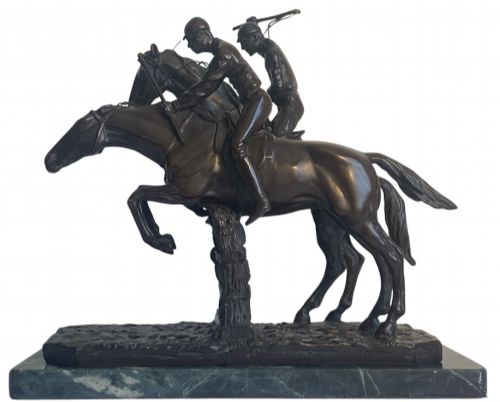
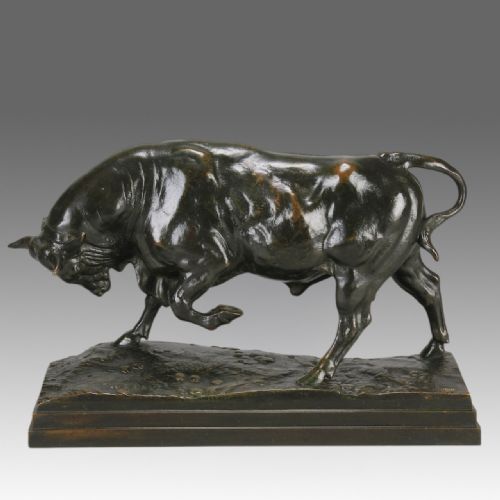
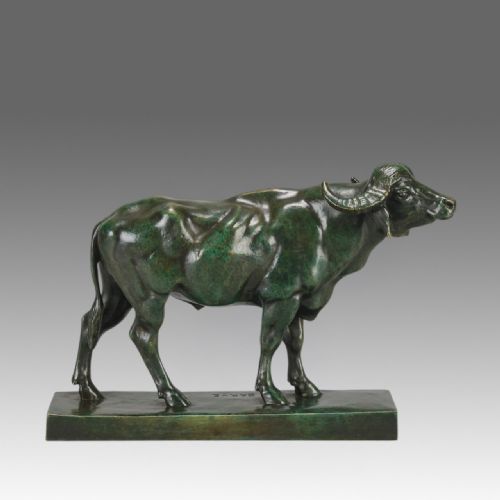
Vintage French Bronze Statue
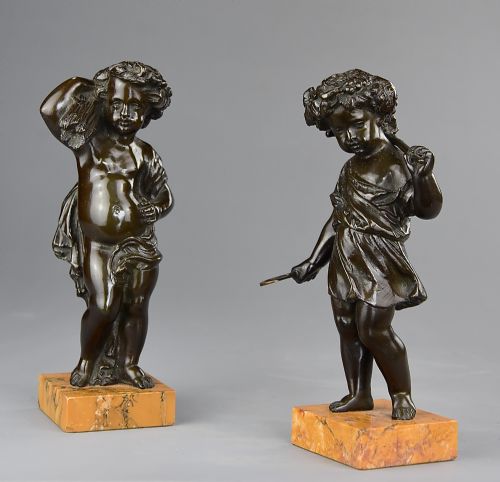
When you buy a vintage french bronze statue, you are acquiring a cast metal figure that brings physical presence and historical weight to a room.
Vintage French Bronze Statue
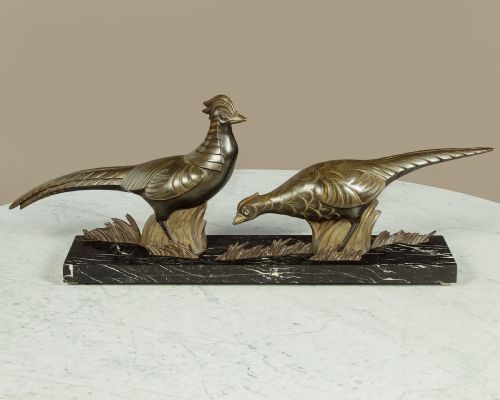
A vintage french bronze statue encompasses small-scale sculptures, animal studies, human figures and allegorical groups produced across the nineteenth and twentieth centuries. These works emerge from distinct movements including nineteenth-century animalier realism, Art Nouveau and Art Deco, reflecting shifting tastes in interior decoration and fine art over decades.
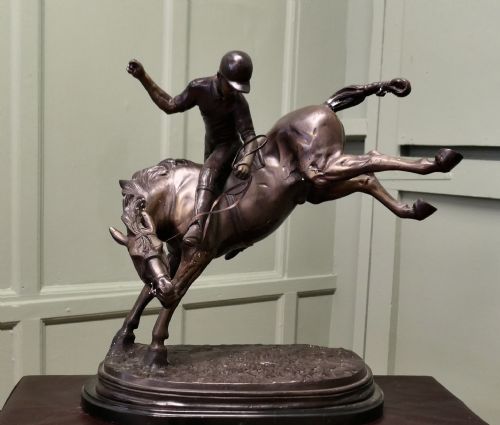
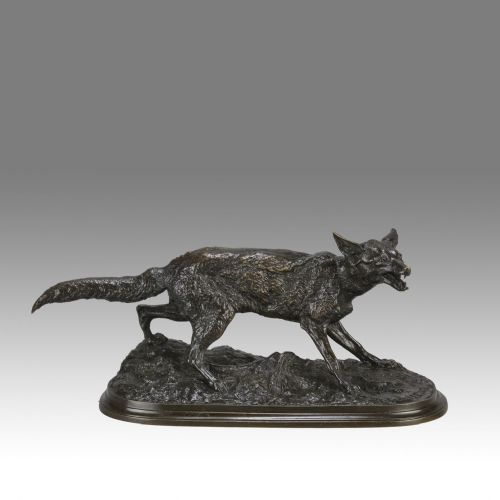
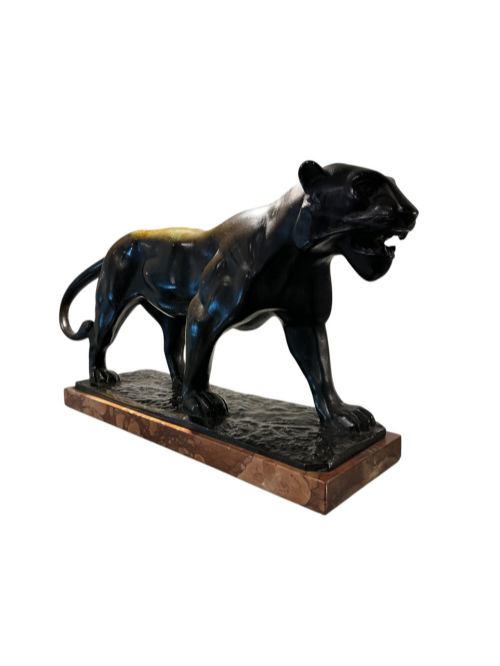
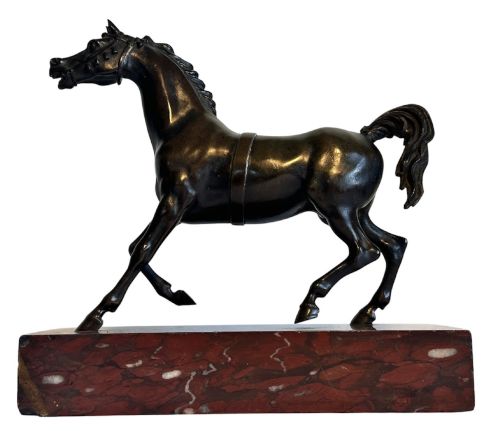
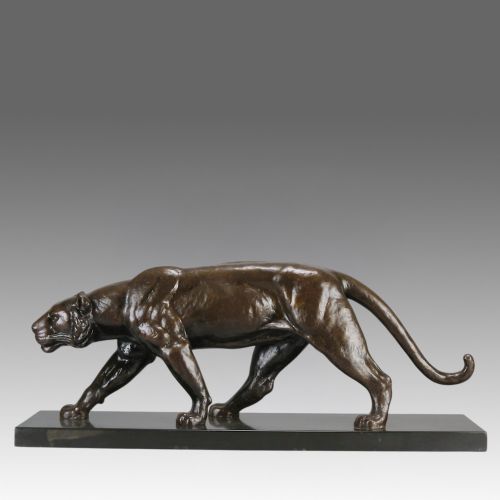
The versions most commonly met on this page date from the late nineteenth century through to the interwar Art Deco period of the 1920s and 1930s. Buyers frequently encounter representations of wildlife, domestic dogs, athletic humans and classical dancers mounted on heavy stone plinths.
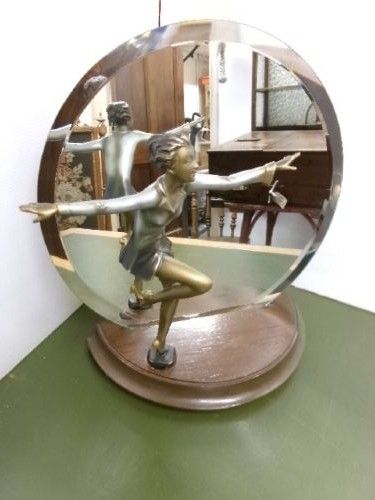
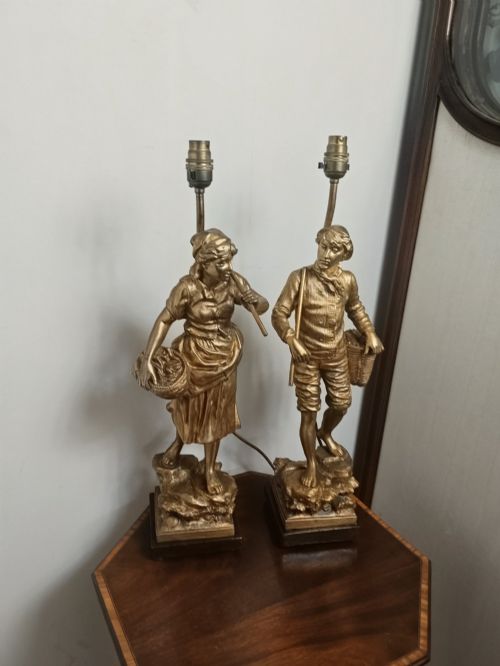
The materials paired with the metal vary across the decades, shifting from classical marble bases in the nineteenth century to onyx and wood during the later Art Deco era. Many examples stand independently as shelf sculptures, while others double as functional table lamps or advertising display figures.
Materials and Casting Techniques
The primary substance used across these pieces is cast bronze, alongside alternative alloy materials such as spelter and gilt metal found in decorative production. Founders shaped these metals using traditional casting methods before applying patination treatments to achieve dark, golden or nuanced surface tones.
Many sculptures incorporate substantial mounting bases made from carved marble, banded onyx or timber, providing structural stability and visual contrast to the metal figures above. Certain pieces also utilise cold-painted finishes or nickel plating to add surface colour and textural variety to the cast forms.
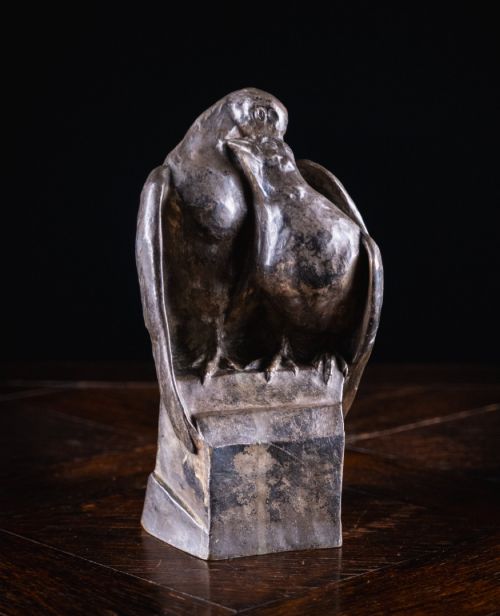
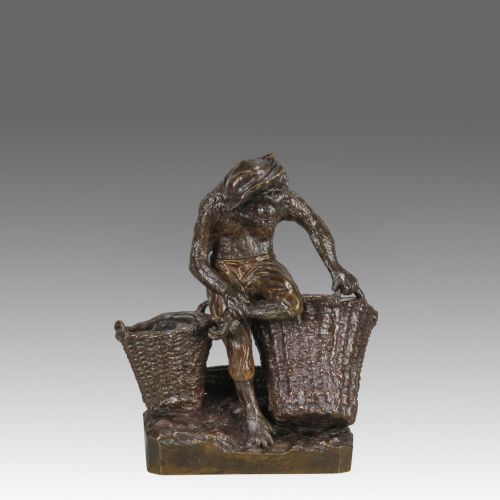
Seated French bulldogs, pigeon pairs and fighting bear cubs rub shoulders with racing cyclists and tennis players on their marble plinths.
Factors That Distinguish Quality
The integrity of the patination and the quality of the supporting stone base also influence the overall standard of the object. Heavier, well-fitted marble or onyx plinths that complement the proportions of the metal sculpture indicate a higher level of original craftsmanship.
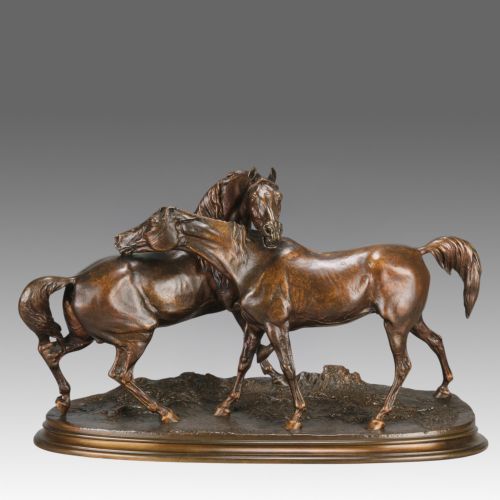
P J Mêne·Pierre le Faguays·Christophe Fratin·Antoine Louis Barye·Demetre Chiparus·Edouard Drouot
The Vintage French Bronze Statue Glossary
- Animalier
- A nineteenth-century artistic movement focused on the realistic depiction of animals, particularly horses, big cats and dogs. Sculptors in this tradition studied anatomy closely through direct observation.
- Patina
- The surface coloration and sheen developed naturally over time or applied chemically by the founder. This treatment protects the metal and defines the visual depth of the sculpture.
- Spelter
- A zinc-based alloy frequently utilised as a cost-effective alternative to bronze in decorative figures. It is softer than bronze and often finished with metallic paint or patination.
- Cold Painted
- A technique where paint is applied to the surface of a metal sculpture after casting without subsequent firing. This method allows for multi-coloured garments and realistic natural details.
- Chasing
- The manual finishing process where a metalworker refines the cast surface using chisels and punches. Skilled chasing removes casting flaws and restores fine details.
Vintage French Bronze Statue: Frequently Asked Questions
How do I clean a bronze statue?
Dust the surface regularly with a soft, dry brush to prevent particle buildup. Avoid harsh chemical cleaners or water, which can strip the historic patina from the metal.
Applying a very light coat of microcrystalline wax periodically helps protect the bronze from atmospheric moisture. Buff the wax gently with a clean cloth to maintain a subtle, protective sheen.
Are these statues solid bronze?
Many sculptural figures are cast using the hollow bronze method to reduce weight and material costs. This traditional technique produces a robust outer shell supported by internal armature.
Alternative pieces on the market may utilise solid spelter or gilt metal rather than copper alloy. Checking the weight and underside of the sculpture helps reveal the internal construction.
What is an animalier bronze?
An animalier bronze is a nineteenth-century sculpture focused specifically on the dynamic behaviour and anatomy of animals. These works capture creatures in motion, resting, or engaged in combat.
Artists in this genre prioritized biological accuracy and expressive posture over human narratives. Collectors prize these pieces for their careful observation of wildlife and domestic animals.
How do I distinguish bronze from spelter?
Bronze is a dense, heavy copper alloy that feels cold to the touch and rings clearly when lightly tapped. Spelter is a lighter zinc alloy that feels softer and often shows grey metal underneath worn painted surfaces.
Examining the underside of the sculpture or the fixing points where the figure meets the base can reveal the underlying metal colour. Bronze will show a warm reddish-brown hue beneath the patina.