


Antique Athletic Figurine
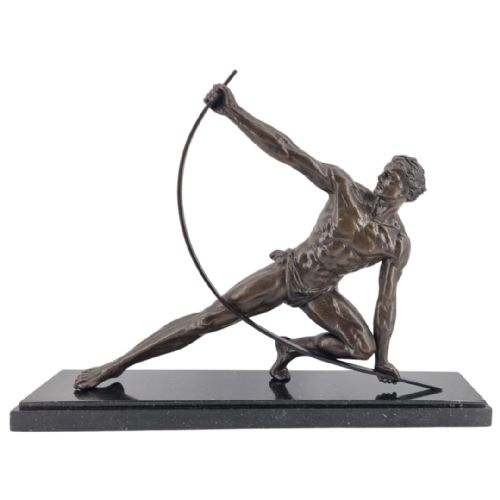
An antique athletic figurine captures human strength and physical prowess in metal, offering a striking display of classical form or modern motion.
Antique Athletic Figurine
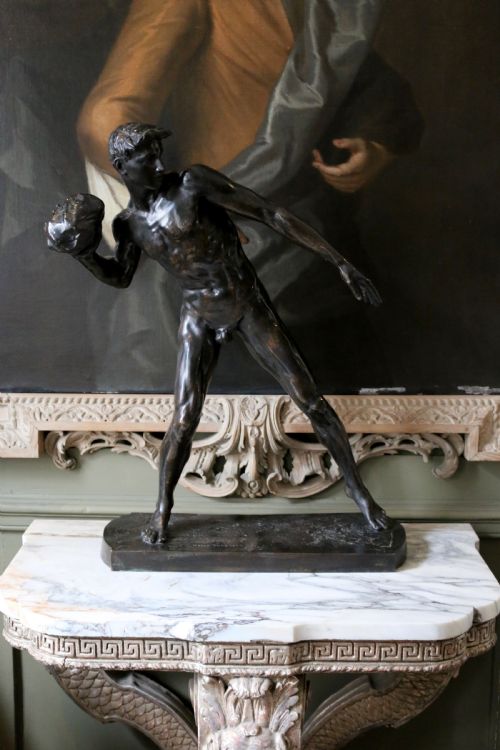
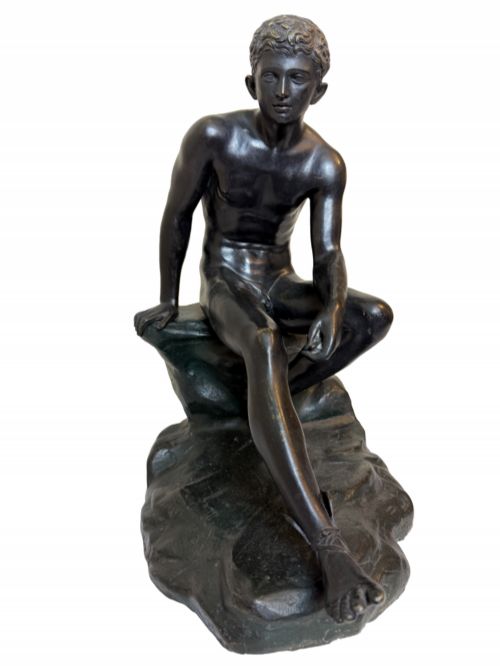
When you search for an antique athletic figurine, you encounter sculptural works depicting competitors, gladiators, and strongmen cast in bronze, patinated metal, and spelter. These figures range from Victorian interpretations of classical antiquity to dynamic Art Deco representations of tennis players, rugby stars, and powerlifters.
The pieces on this page span several distinct periods, most notably the nineteenth century and the 1930s. You will find grand tour bronze figures of resting male nudes alongside early twentieth-century depictions of fencers and wrestlers.
Materials and construction methods
The makers of these sculptures relied heavily on bronze, gilt bronze, and silver-plated metal alloys to capture the musculature and movement of their subjects. Many examples incorporate patinated bronze finishes to accentuate shadow and detail on the figures.
Marble frequently serves as the base material for these sculptures, providing a heavy, stable foundation that complements the metallic finish of the figures. Some works utilise spelter as a more accessible alternative to solid bronze while maintaining intricate surface detailing.
Even Roman gladiators occasionally needed to pause for breath, as demonstrated by the enduring popularity of ancient fighting cats cast in metal.
Factors that define quality
The finesse of the casting and the expressiveness of the musculature dictate the standing of an individual piece. Superior works display sharp chiselling on the metal surface and a convincing sense of anatomical tension.
The quality of the patina and the integration with materials like marble bases further distinguish finer sculptures from standard commercial output. Pieces bearing the signatures of established sculptors demonstrate a higher degree of artistic intent and finishing.
Hamo Thornycroft·H Risch·Desire Grisard·Rudolf Küchler·Claire Colinet·Bruno Zach·Eden Antony Paul Noel
The Antique Athletic Figurine Glossary
- Patinated bronze
- Bronze treated with chemical solutions to produce a specific surface colour or dark tone, enhancing the definition of the sculpture.
- Grand Tour
- The nineteenth-century tradition of acquiring small-scale classical bronzes as souvenirs of travel through Italy and Europe.
- Spelter
- A zinc or lead-based alloy commonly used as a cost-effective substitute for bronze, often painted or electroplated to resemble more expensive metals.
- Victorian New Sculpture
- A late nineteenth-century British artistic movement that revitalised sculpture through more dynamic and naturalistic representations of the human figure.
Antique Athletic Figurine: Frequently Asked Questions
What periods do these figures come from?
The pieces span from the nineteenth century through the early twentieth century, encompassing Victorian and Grand Tour examples alongside robust Art Deco designs from the 1930s.
Stylistic shifts reflect changing tastes, moving from classical Greco-Roman revivals toward stylised modern interpretations of athletes and sportsmen.
How do I identify a spelter figure from bronze?
Spelter is generally lighter than bronze and may show a greyish or white metal underneath any worn surface finish or plating.
Bronze exhibits greater weight, a resonant sound when tapped gently, and a warmer metallic hue where the patina has worn thin.
What subjects are most common?
Common subjects include ancient gladiators, classical resting nudes, and modern competitors such as tennis players, rugby players, and powerlifters.
Figures often celebrate specific feats of strength, combat, or athletic competition popular during their respective eras.
How should I display these sculptures?
These figures require a stable surface such as a heavy desk, mantelpiece, or dedicated display cabinet where their weight and material can be safely supported.
Keep them away from direct heat sources and moisture to protect the patinated bronze or silver-plated finishes.