



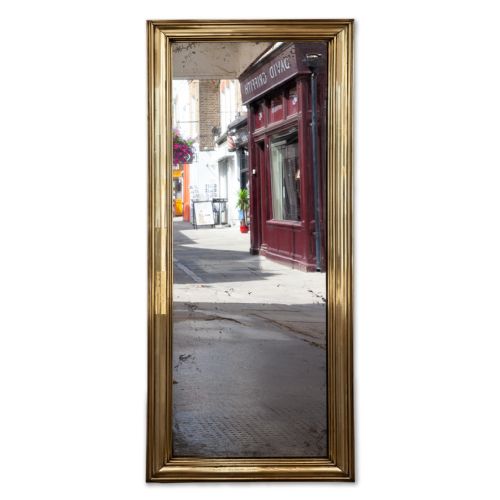


Vintage French Bistro Glass
Vintage French bistro glass brings heavy brass frames and aged mirror plates into the home, offering the patinated charm of nineteenth-century establishments.
Vintage French Bistro Glass
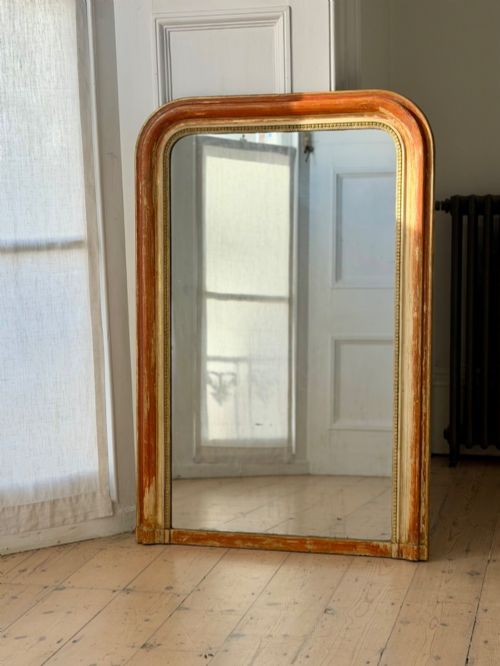
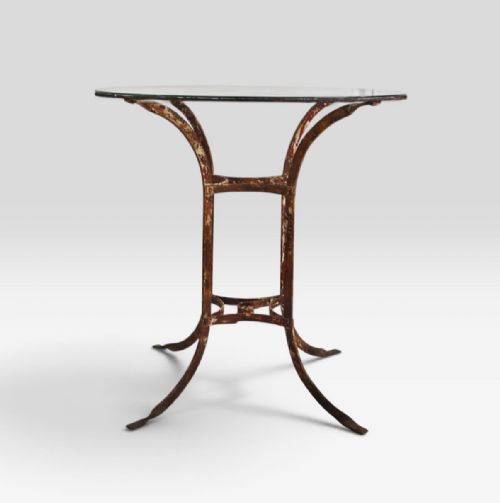
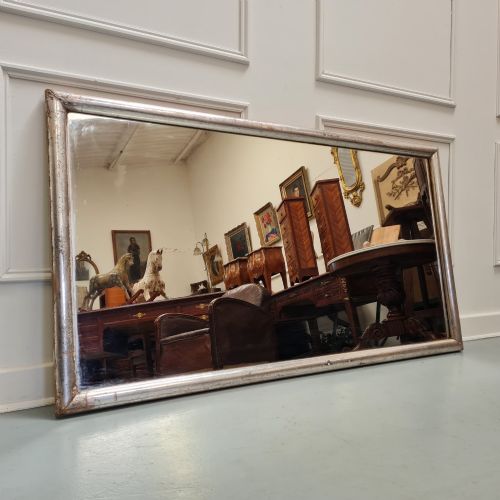
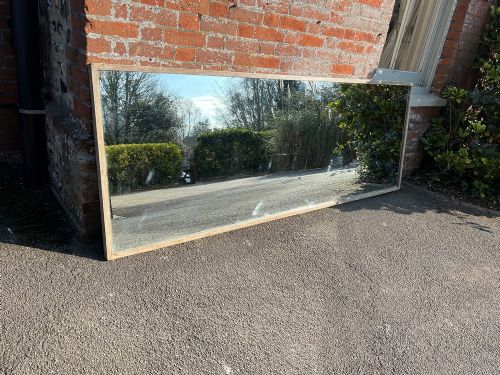
When buyers search for vintage french bistro glass, they encounter heavy framed mirrors, advertising boards, soda syphons and lighting fixtures originating from nineteenth and early twentieth-century France. The listings on this page consist predominantly of wall mirrors and pier mirrors framed in brass, carved wood, or gesso, alongside etched glass soda syphons and brass downlighters.
These items originate from commercial and domestic settings across France, spanning the Victorian era through the mid-twentieth century. The selection ranges from tall pier mirrors with distressed plates to heavy brass frames mounted on oak backing boards.
French provincial and brasserie styles dominate the selection, reflecting the robust functional design of Parisian establishments and rural homes alike. Buyers find pieces shaped by decades of commercial use, displaying genuine surface wear across both glass and framing materials.
Materials and construction
Frames combine brass, wrought iron, timber, and carved wood finished with gesso and paint, often housing original mirror plates. Wood and gesso frames feature carved decorative motifs, while brass surrounds provide sturdy housings for heavy glass.
Mirror plates display original distress, oxidation, and silvering loss acquired through long exposure to atmospheric conditions in European interiors. Soda syphons utilise thick moulded glass paired with metal spouts, carrying acid-etched branding from period makers.
Vintage French Bistro Glass Retail Price Guide 2026
Typical asking prices for vintage french bistro glass among the pieces listed under this phrase on Sellingantiques today, from the lower quarter to the upper quarter. They describe what is for sale here now, not the wider market.
Listings feature periods spanning from 1850 through to 1940, with materials including glass, brass, paint, wood, wrought iron, giltwood, mirror plate, and timber.
Assessing quality and preservation
Quality separates through the integrity of the original framing materials and the depth of age within the mirror plate. Heavier brass castings, substantial oak backing boards, and deeply carved wood and gesso frames indicate superior original manufacture.
The character of the glass plate influences value, particularly where original mercury or silver backing has aged uniformly without modern replacement. Complete pairings, such as matched pairs of brass-framed mirrors, represent higher levels of original survival.
The Vintage French Bistro Glass Glossary
- Pier mirror
- A tall, narrow mirror designed to hang on the wall between windows or above low furniture. These pieces often feature extended vertical proportions and heavy frames.
- Gesso
- A plaster-like mixture applied to wood frames as a base for paint or gilding. It allows for intricate decorative moulding before finishing.
- Soda syphon
- A heavy glass bottle fitted with a dispensing mechanism for carbonated water. Period examples feature acid-etched lettering denoting the bottler or location.
- Distressed plate
- A mirror glass showing spots of oxidation, darkening, and silver loss across the reflective surface. This wear develops naturally through age and humidity.
- Downlighter
- A ceiling or wall-mounted light fixture directed downwards. These units often utilise brass and metal components designed for commercial interiors.
Vintage French Bistro Glass: Frequently Asked Questions
Where were these glass and mirror pieces used originally?
These items populated nineteenth and twentieth-century cafes, brasseries, and homes across France. Mirrors hung on the walls of public dining rooms to amplify light and space, while soda syphons sat on counters for beverage service.
Commercial establishments required durable materials like heavy brass and thick glass to withstand daily hospitality use. Over decades, these utility items acquired distinctive surface wear and patination.
How do I hang a heavy French bistro mirror safely?
Heavy mirrors require substantial wall anchors fixed directly into masonry or wood studs rather than standard plasterboard fittings. The weight of brass frames and thick wooden backing boards demands robust load-bearing hardware.
Professional framing wire or integrated hanging brackets on the reverse must be inspected for strength before mounting. Ensuring the weight distributes evenly across multiple fixing points protects both the frame and the wall.
What causes the dark spots on vintage mirror plates?
Age, humidity, and atmospheric exposure cause the silvering behind the glass to oxidise and flake away over generations. This chemical breakdown creates the characteristic dark patches and mottled appearance valued by collectors.
Original plates display authentic deterioration that modern reproduction techniques cannot replicate. The extent of this wear varies depending on the environmental conditions the glass endured.
How should I clean a vintage brass frame?
Dust brass frames gently with a dry microfibre cloth to remove surface particles without disturbing the underlying patina. Avoid harsh commercial metal polishes that strip away the aged character accumulated over decades.
If cleaning is necessary, use a mild soapy solution on a damp cloth, drying the metal immediately afterwards. Preserving the dark tones and minor marks ensures the piece retains its historical appearance.