

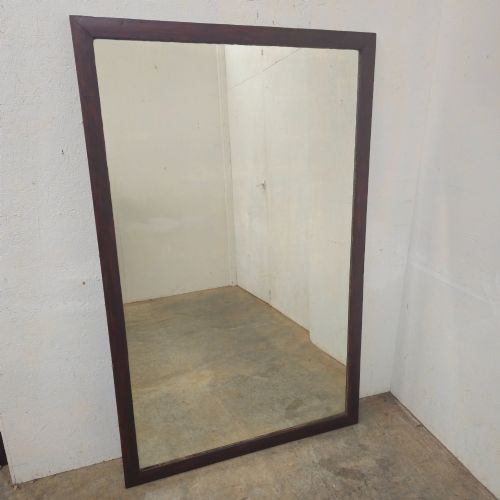


Antique Oversized Mirror
An antique oversized mirror anchors a room and bounces daylight into dark corners, offering immediate scale and presence.
Antique Oversized Mirror
On this page, you are most likely to meet nineteenth-century examples in various regional guises. They take the form of overmantel mirrors, pier mirrors, and wall mirrors originating from English and French traditions.
The aesthetic vocabulary spans several distinct styles rather than a single uniform look. French Chateau, French Empire, French Provincial, Rococo, and Victorian expressions all appear, often carrying the generous proportions typical of nineteenth-century reception rooms.
Materials and construction
Makers built the structural carcases of these large looking glasses using timber, carved wood, and painted wood. This heavy wooden framing provided the necessary rigidity to support vast expanses of glass without warping under their own weight.
Decorative surfaces frequently rely on gesso applied over wood, which was then gilded to create rich giltwood finishes or painted in muted tones. Glass and mirrored glass complete the construction, secured within deep rabbets behind sturdy timber backing.
Antique Oversized Mirror Retail Price Guide 2026
Typical asking prices for oversized mirror among the pieces listed under this phrase on Sellingantiques today, from the lower quarter to the upper quarter. They describe what is for sale here now, not the wider market.
Materials documented across the inventory include plain glass, mirrored glass, timber, painted wood, carved wood, gesso, and giltwood.
Judging quality and execution
The depth and crispness of the wood carving separates standard frames from finer works. Hand-carved ornament on timber and gesso shows deliberate undercut details rather than the soft, uniform contours typical of lower-grade production.
The integrity of the original giltwood or painted surface dictates the visual weight of the piece. Surviving gilding with natural ageing patination holds greater integrity than unsympathetically renewed metallic paint.
The Antique Oversized Mirror Glossary
- Overmantel mirror
- A large glass specifically designed to hang on the wall directly above a fireplace mantelpiece. These pieces often feature horizontal proportions or arched tops tailored to architectural chimney breasts.
- Pier mirror
- A tall, narrow looking glass traditionally placed on the pier of wall between two windows. Their vertical emphasis maximised light reflection in high-ceilinged nineteenth-century interiors.
- Giltwood
- Timber carved and surfaced with fine gold leaf applied over a prepared gesso ground. This technique creates a luminous metallic finish that catches ambient room light.
- Gesso
- A plaster-like mixture applied to wooden frames as a smooth base for subsequent gilding or painting. It allowed craftsmen to build up crisp relief ornaments before finishing.
- Bistro mirror
- A commercial-scale wall glass originating from French hospitality spaces. They typically feature simple painted wooden frames designed for everyday public interiors rather than grand domestic salons.
Antique Oversized Mirror: Frequently Asked Questions
Where should I hang an oversized mirror?
These large glasses suit principal reception rooms, hallways, and bedrooms where wall space allows for monumental scale. Positioning them opposite a window maximises natural light distribution across the room.
Due to their significant weight, secure installation requires fixing directly into structural wall studs or masonry using appropriate heavy-duty hardware.
How do I identify a nineteenth-century mirror?
Nineteenth-century examples display construction methods typical of the period, including heavy timber framing, hand-applied gesso, and traditional joining techniques. Examining the reverse often reveals aged timber boards and hand-cut fixings.
The silvering on older mirrored glass frequently shows characteristic age spots, subtle oxidation, and minor imperfections rather than modern flawless reflection.
Can these heavy mirrors hang safely on drywall?
Hanging frames of this scale on standard drywall alone is generally unsafe due to their substantial weight. Professional installation using wall anchors secured into timber studs or brickwork is essential.
Many of these pieces were originally designed as floor mirrors or heavy overmantels, meaning they rely on robust structural support.
What is the difference between pier and overmantel mirrors?
Pier mirrors are vertically proportioned to fit narrow wall spaces between architectural openings like windows. They make economical use of constrained wall spans to brighten dark corners.
Overmantel mirrors typically feature wider horizontal formats designed to span the architectural width of a fireplace breast, anchoring the decorative scheme of the hearth.