
Vintage French Bench
A vintage french bench brings timeless seating and rustic character to any room, offering both practical utility and elegant historical design.
Vintage French Bench
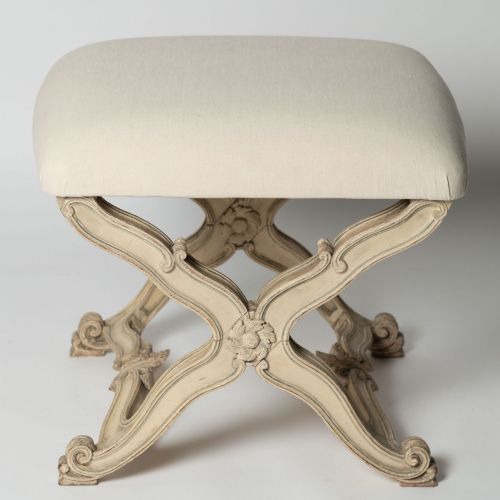
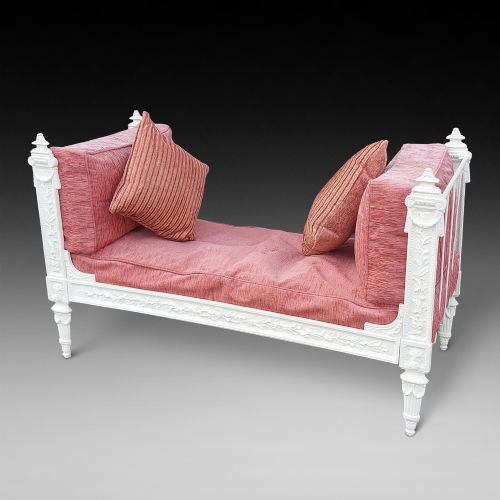
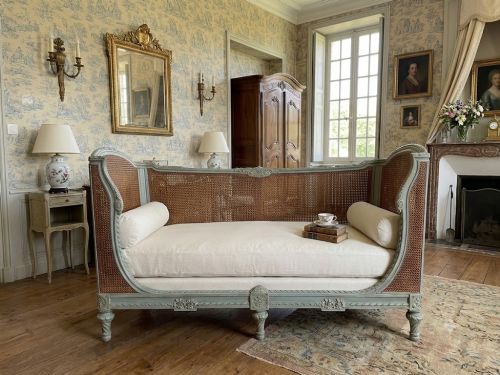
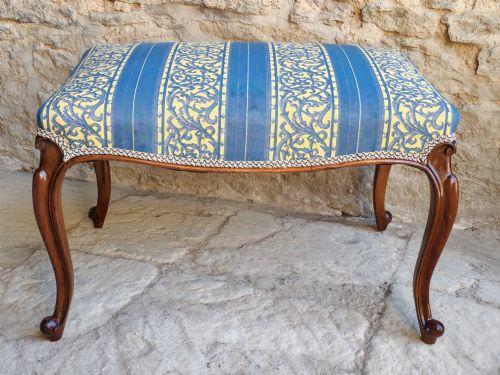
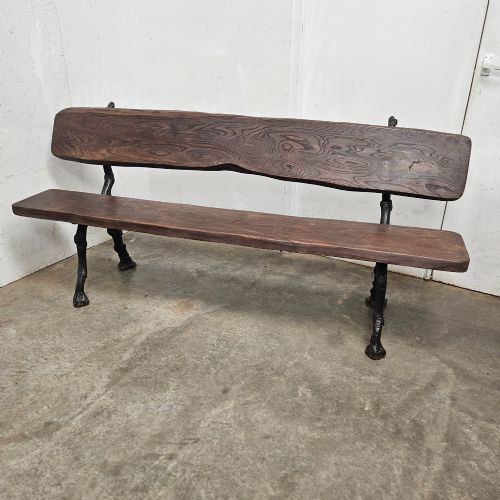
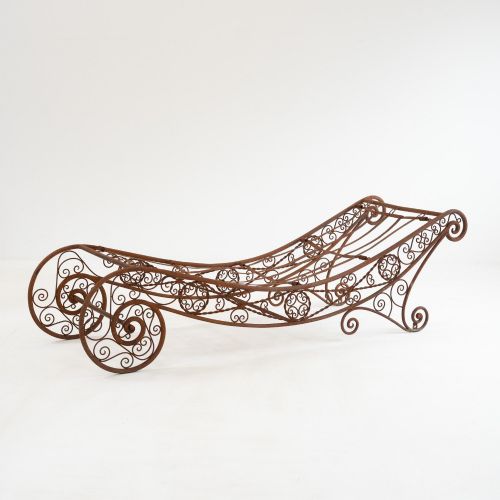
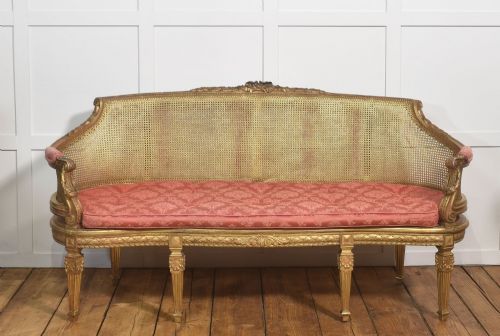
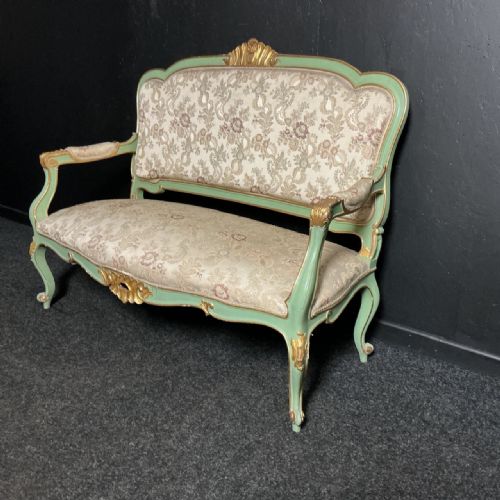
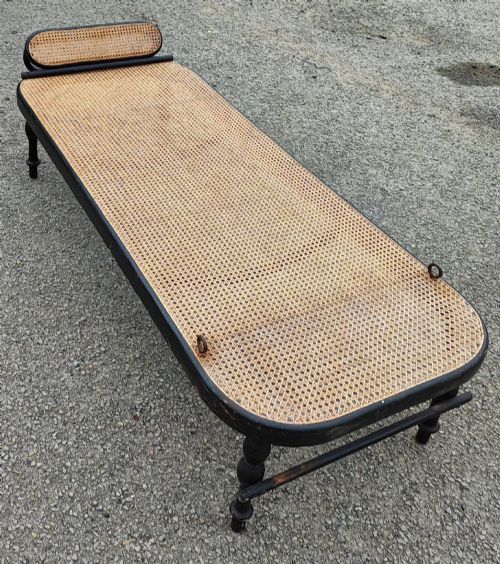
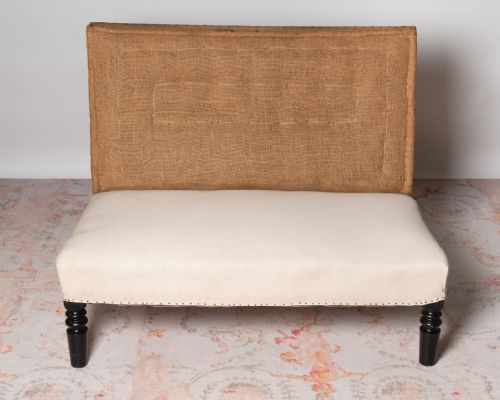
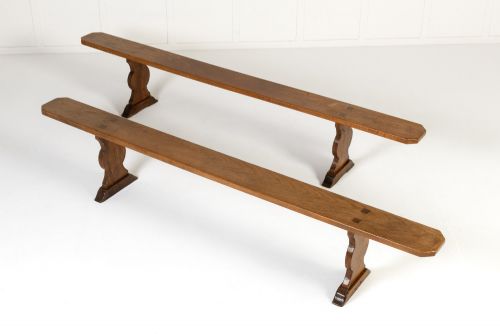
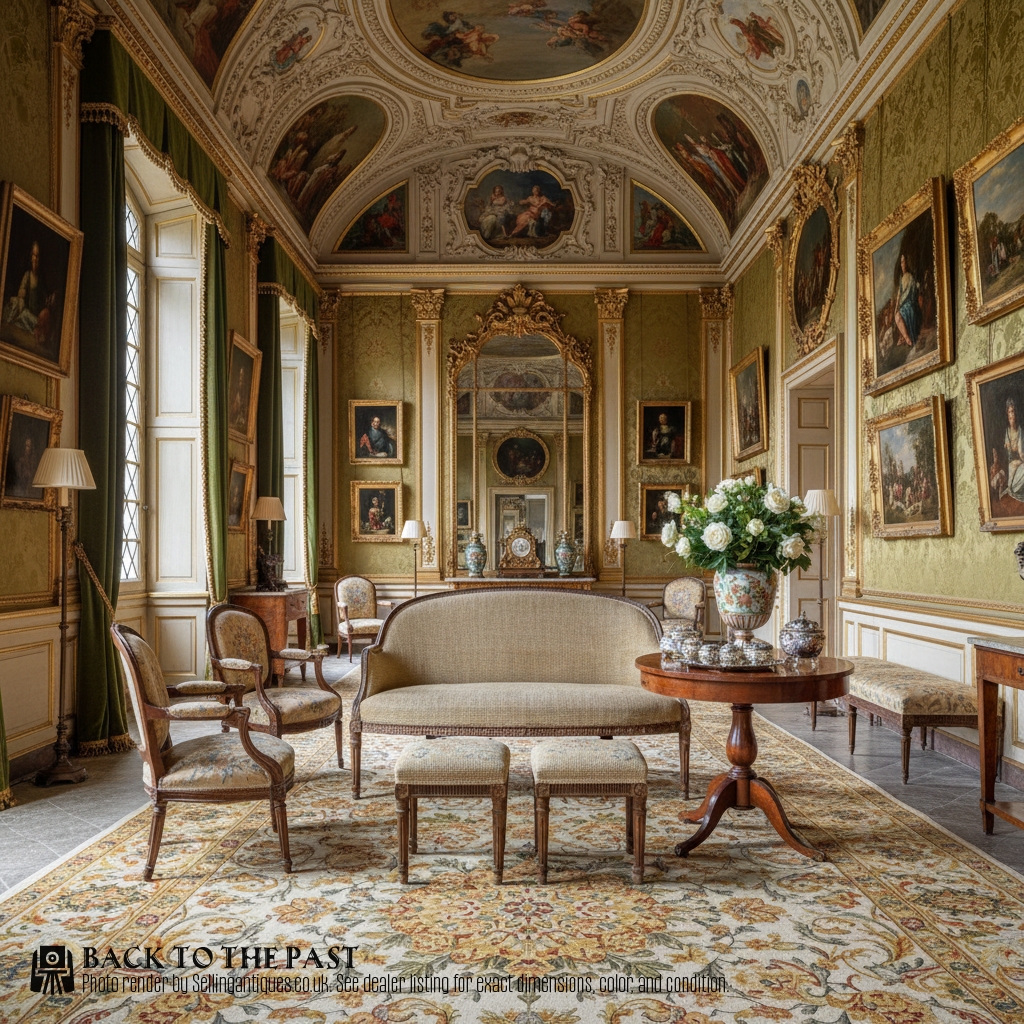
When you search for a vintage french bench, you encounter a diverse range of seating forms spanning the nineteenth and twentieth centuries. These pieces encompass everything from delicate salon daybeds and caned settees to robust elm and oak garden benches. The selection heavily reflects classic continental styles, including rustic farmhouse, Louis XVI, and French provincial designs.
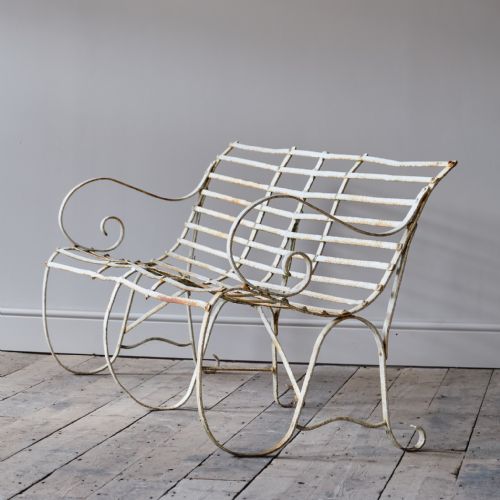
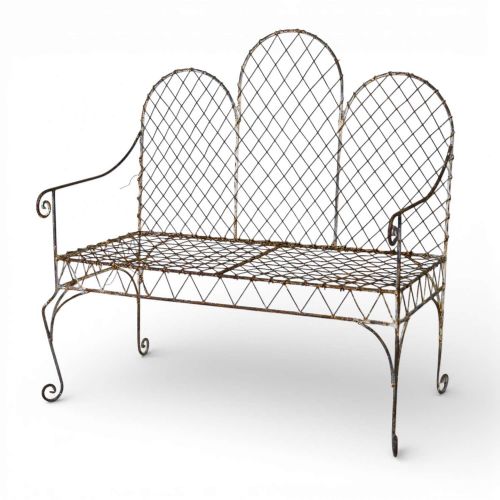
You are most likely to meet painted wooden seating, wrought iron garden pieces, and walnut framed settees on this page. Domestic interiors are served by banquettes, footstools, and window seats, while exterior spaces feature metal strap work and faux bois garden structures. Each piece carries the distinct regional craftsmanship of its era.
Materials and construction methods
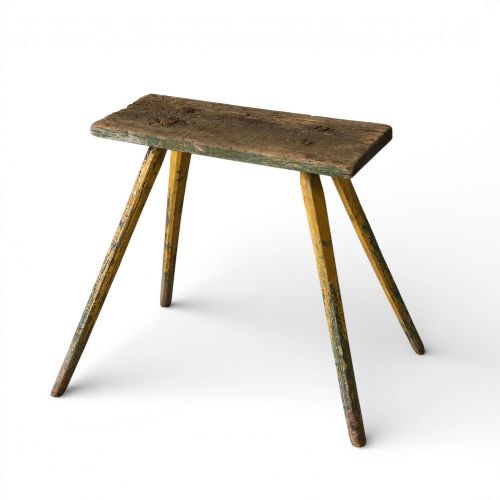
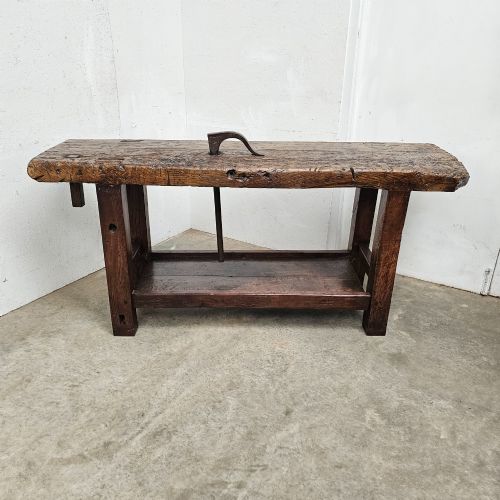
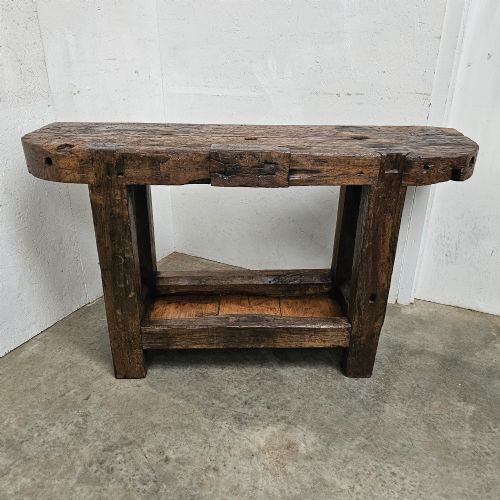
Makers utilised solid timbers like walnut, oak, elm, and cherrywood alongside painted surfaces and giltwood to build these frames. Joinery methods varied from primitive pegged construction in rustic workbenches to finely carved fluted legs on formal revival seating. Canework and upholstery with fabric, leather, or velvet frequently completed the seating surfaces.
Outdoor pieces rely heavily on durable metals, employing wrought iron, cast iron, and wirework to withstand the elements. Garden benches often incorporate strap work and faux bois techniques to mimic natural timber or provide sturdy structural support. Original paint finishes and patinated metal surfaces frequently survive on these exterior and interior examples.
Vintage French Bench Retail Price Guide 2026
Typical asking prices for vintage french bench among the pieces listed under this phrase on Sellingantiques today, from the lower quarter to the upper quarter. They describe what is for sale here now, not the wider market.
Materials recorded across the archive include cane, wrought iron, cherrywood, walnut, and giltwood.
Distinctions in quality and execution
The distinction between ordinary and exceptional pieces rests in the hand-carved detail of the woodwork and the integrity of the original materials. Superior examples display crisp moulding, refined proportions, and sophisticated styling such as Louis XV or Régence flourishes. Lesser pieces may offer simpler construction, though utilitarian items like workbenches derive their merit from honest wear and robust proportions.
The Vintage French Bench Glossary
- Canapé
- An upholstered French sofa or settee, often featuring an exposed wooden frame and decorative carved detailing.
- Banquette
- A long upholstered bench or seat, frequently found in domestic hallways or salon spaces.
- Faux bois
- A technique where makers shape concrete, metal, or plaster to imitate the natural appearance of wood.
- Giltwood
- Timber treated with gold leaf or gold paint to create a luxurious, reflective surface finish.
- Strap work
- Ornamental metalwork formed from flat strips, commonly seen on nineteenth-century garden benches.
Vintage French Bench: Frequently Asked Questions
How do I identify a Louis XVI style bench?
Look for straight fluted legs, symmetrical neoclassical lines, and geometric oval or rectangular backs.
These formal pieces frequently incorporate carved ribbon motifs and gilded or painted wooden frames that reflect eighteenth-century court aesthetics.
Are iron garden benches weatherproof?
Nineteenth-century wrought and cast iron garden pieces withstand outdoor conditions well, though they develop surface rust over time.
Regular maintenance and protective placement help preserve the structural integrity of strap work and wirework frames.
What is the difference between a settee and a daybed?
Settees are built primarily for upright sitting with backrests and arm support, accommodating multiple people.
Daybeds feature extended lengths designed for reclining, often combining the characteristics of a sofa and a chaise lounge.
How should I care for original painted wood?
Preserve delicate painted surfaces by dusting gently with a dry cloth and avoiding harsh chemical cleaning agents.
Keep these pieces away from direct sunlight and excessive moisture to prevent the historic paint from flaking.