


Vintage Framed Watercolour Art
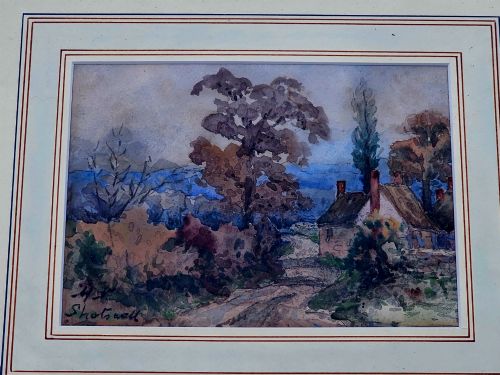
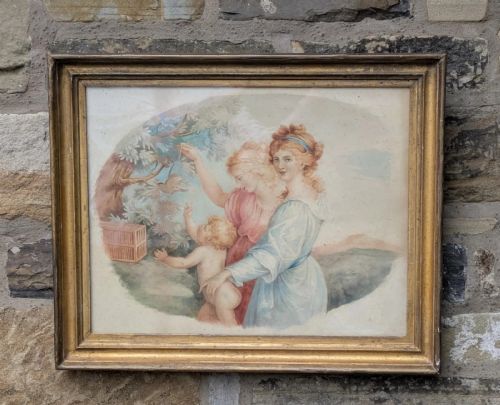
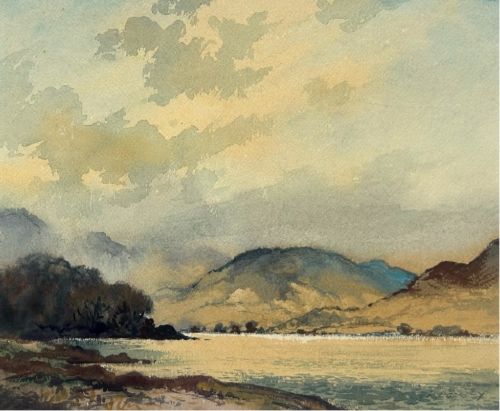
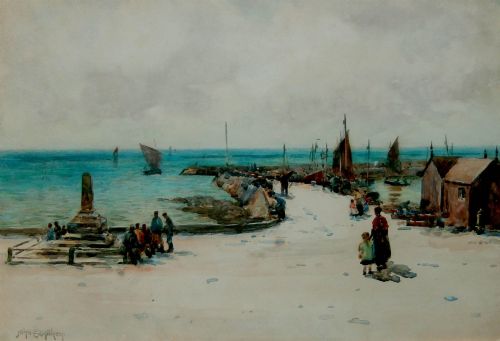
Vintage framed watercolour art brings historical scenes, coastal views and delicate botanicals into modern interiors through authentic hand-painted works on paper.
Vintage Framed Watercolour Art
Vintage framed watercolour art comprises original paper-based paintings executed in water-soluble pigments, capturing landscapes, maritime scenes, botanical studies and portraits. These works span the nineteenth century through the mid-twentieth century, encompassing periods such as the Victorian, Edwardian and Regency eras alongside British Impressionism and mid-century modern movements.
Buyers frequently encounter works signed by regional artists, traditional landscapes depicting Cornish harbours or Welsh rivers, and detailed botanical studies. Frames vary from period giltwood and rosewood to simple oak mouldings that enclose the glass and paper safely.
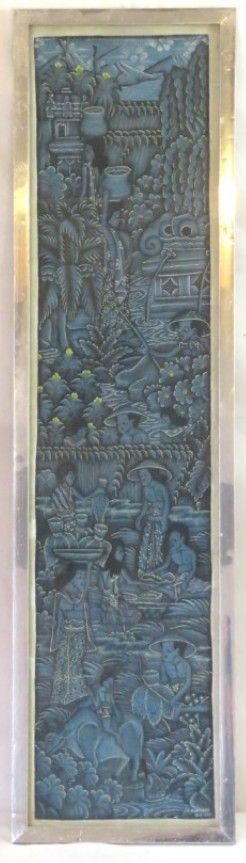
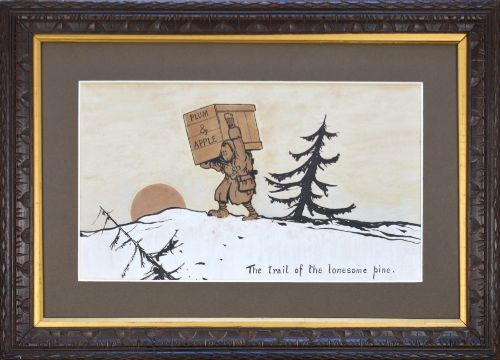
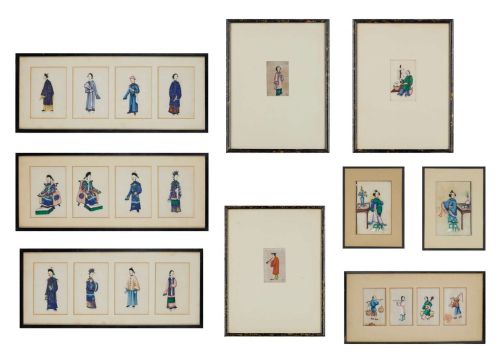
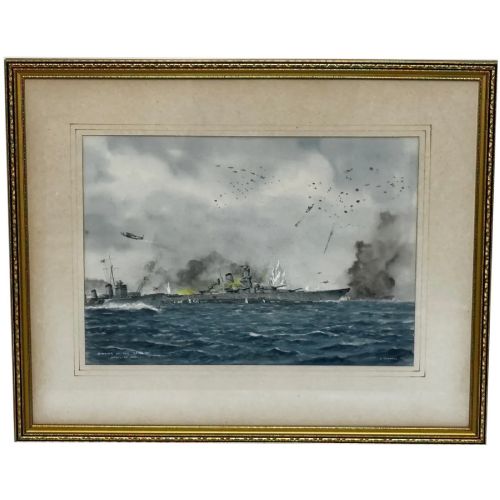
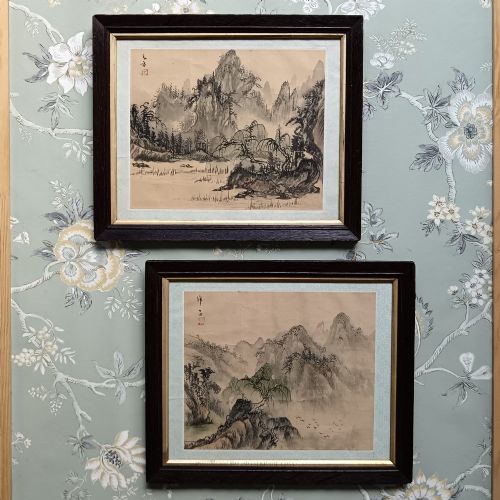
The category also embraces international pieces, including Chinese pith and silk paintings, alongside ink and watercolour drawings that record everyday scenes, military vessels and rural architecture from decades past.
Materials and construction
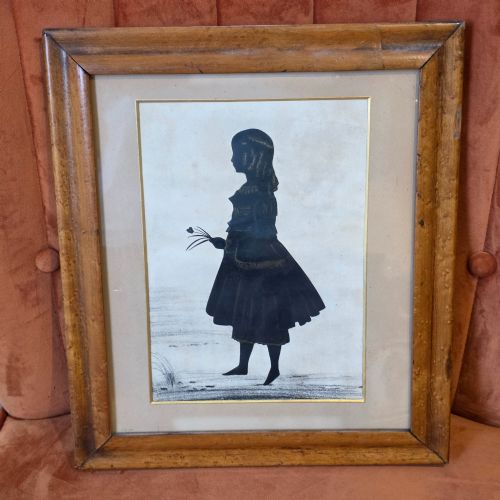
Artists painted primarily with watercolours and ink upon prepared paper or silk, sometimes incorporating bodycolour or cut-paper silhouettes to add depth and opacity. These delicate pigments rely on the absorbent qualities of the paper support to create luminous washes of colour.
Framing traditionally involves timber mouldings such as giltwood, rosewood and oak, protecting the fragile paper beneath a sheet of glass. Many pieces retain their original period frames, which contribute significantly to the historical context of the artwork.
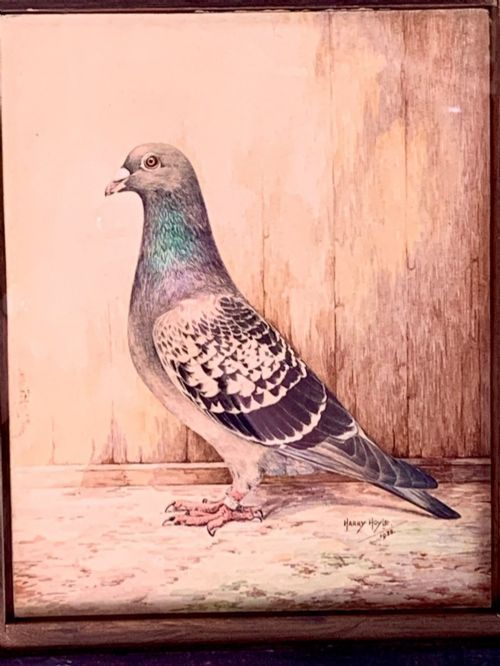
Keep an eye out for a victorious royal racing pigeon immortalised in paint alongside nineteenth-century botanical studies of fuchsias and wild roses.
Assessing quality and preservation
Quality rests upon the skill of the brushwork, the precision of line in ink and watercolour combinations, and the strength of the composition. Master painters achieve remarkable atmosphere and light with minimal pigment, whereas lesser works appear flat and heavy-handed.
Condition is paramount, as paper is susceptible to foxing spots, fading from sunlight, and moisture damage. Works that retain vibrant pigments, clean paper margins, and stable original framing represent the upper tier of the medium.
John Hassall·Robert Leslie Howey·Charles Edward Dixon·Frank Watson Wood·Frederick James Kerr
The Vintage Framed Watercolour Art Glossary
- Foxing
- Brown spots caused by chemical reactions in ageing paper. These spots frequently appear on nineteenth-century watercolours due to iron impurities in the pulp.
- Bodycolour
- Watercolour mixed with white pigment to make it opaque. This technique adds highlights and solid areas of colour to a transparent wash painting.
- Pith painting
- Artwork created on thin spongy slices of pith plant material. These fragile Chinese export pieces date predominantly to the nineteenth century.
- Provenance
- The documented history of ownership of an artwork. A clear provenance helps confirm the attribution and dating of signed paintings.
Vintage Framed Watercolour Art: Frequently Asked Questions
How should I display vintage watercolours safely?
Hang paintings away from direct sunlight to prevent the pigments and paper from fading over time. Keep them in rooms with stable humidity levels to protect the paper and wooden frames.
Ensure the glass does not press directly against the painted surface. Using archival mount board creates a small air gap that prevents moisture trapping.
How do I identify the age of a watercolour?
Examine the framing materials, backing boards and paper type for clues about the period. Handwritten inscriptions on the reverse often provide dates, locations and artist names.
Stylistic elements like clothing, architecture and painting techniques also point toward specific eras such as the Victorian or Edwardian periods.
What is foxing on old paper?
Foxing refers to the small brownish spots that develop on vintage paper over decades. It results from a reaction between environmental moisture and metallic impurities within the paper.
While light foxing is common in antique paper works, heavy spotting can obscure the painted details and requires professional conservation.
Are these paintings always signed by the artist?
Many works bear artist signatures or monogram ciphers, either within the painted composition or on the margins. Signed pieces often link to recorded historical painters.
Unsigned watercolours remain common, particularly in landscape and botanical studies where artists focused purely on the scene rather than personal branding.