

Vintage Framed River Painting
A vintage framed river painting brings the calm of open water and the weight of history straight onto your wall.
Vintage Framed River Painting
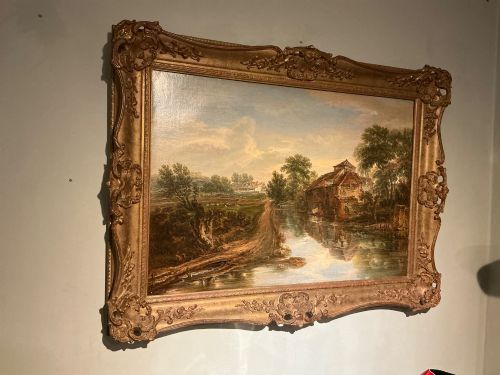
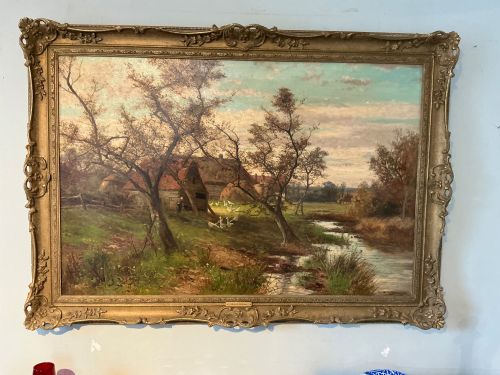
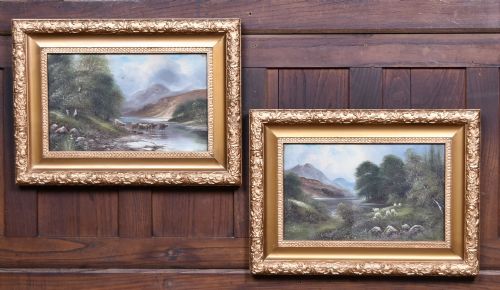
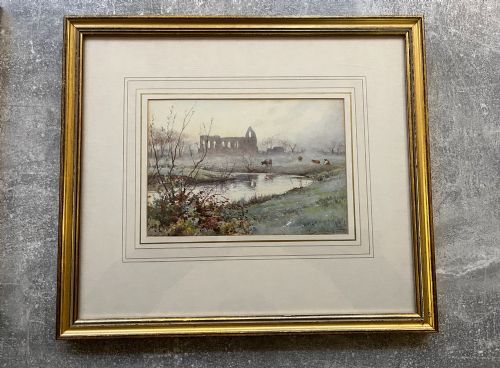
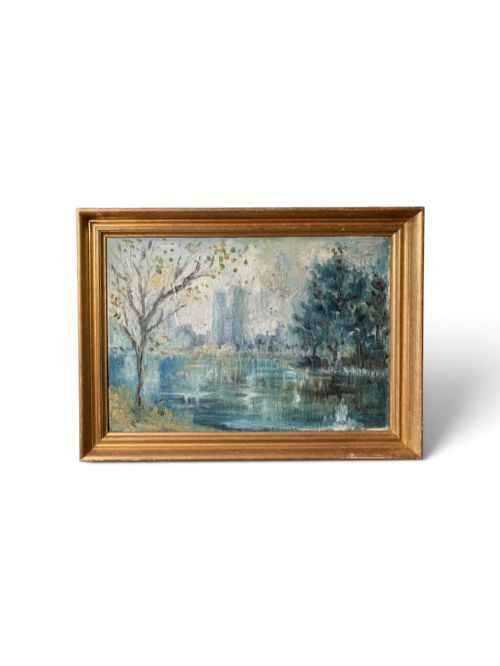
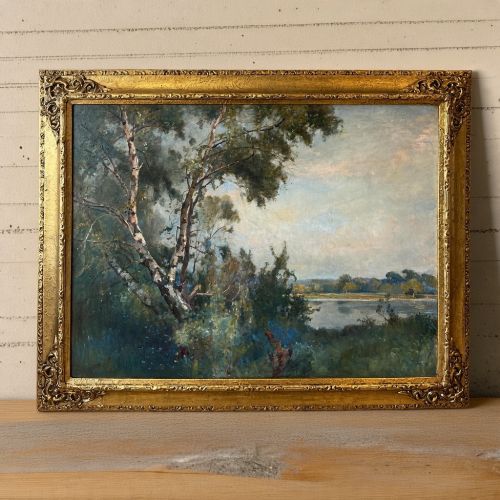
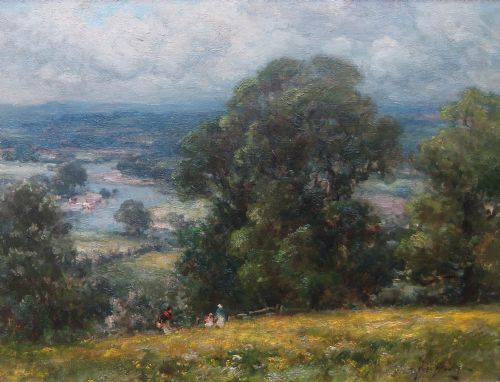
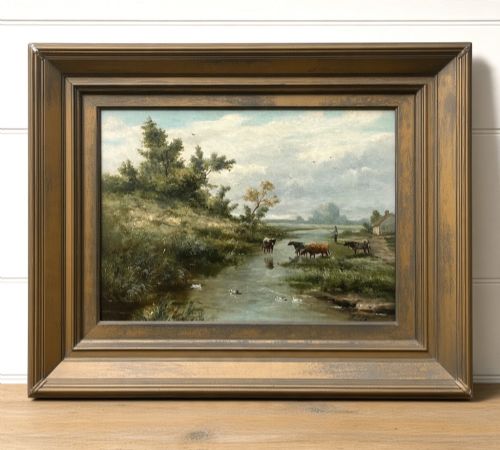
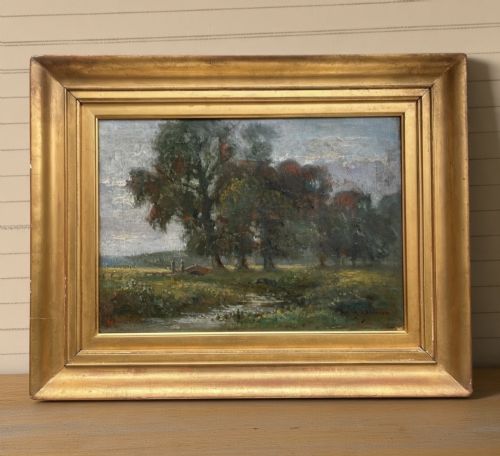
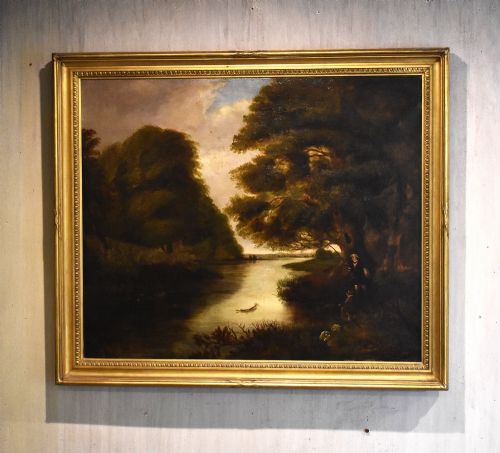
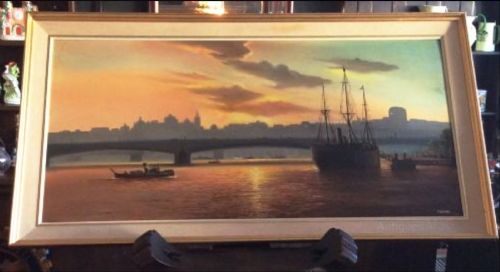
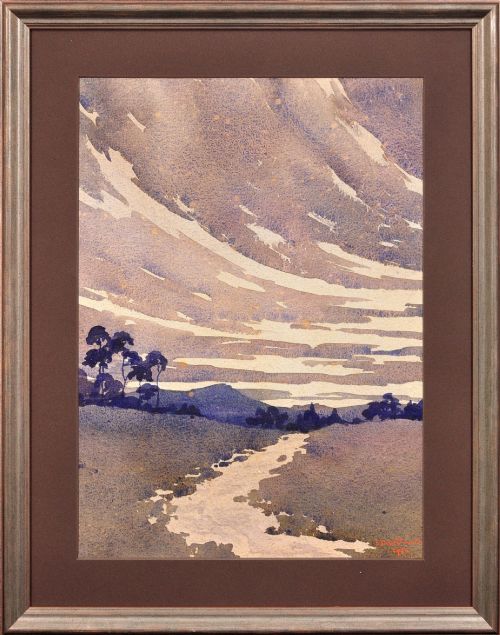
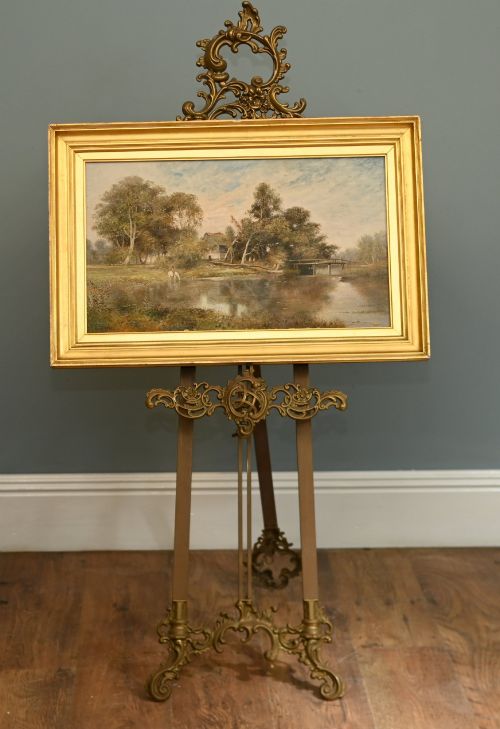
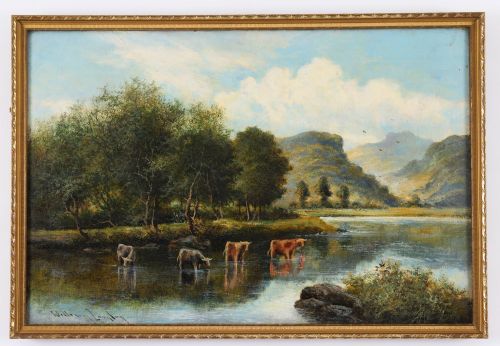
A vintage framed river painting captures rural streams, bustling city canals, and quiet pastoral banks across centuries of artistic tradition. When you search this phrase, you meet works that span from Victorian Naturalism and British Impressionism to mid-century Dutch school landscapes. The majority of these pieces present oil paint on canvas or panel, alongside delicate watercolours on paper housed within protective wooden frames.
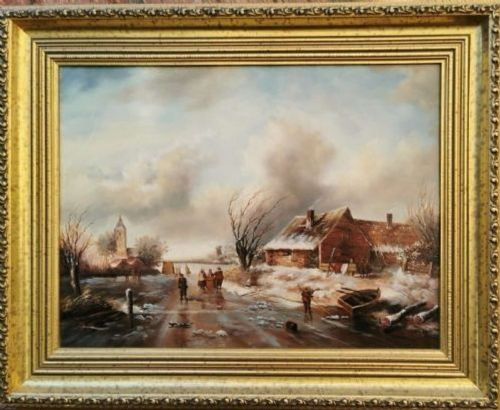
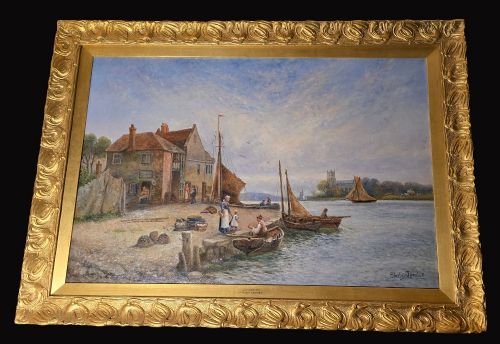
The subjects range widely, showing figures fishing from riverbanks, skaters gliding on frozen Dutch waterways, and panoramic urban bridge views along the Thames or the Seine. These compositions vary from intimate watercolour studies to large oil paintings signed by listed artists of the nineteenth and twentieth centuries. Each piece reflects the specific handling of light, atmosphere, and water characteristic of its period and regional school.
How they were made
Artists painted these works using oil paint applied to woven canvas, wooden panels, or heavy paper supports, often building texture with thick brushstrokes. Watercolours utilise fluid pigments on paper, capturing light through translucent washes rather than opaque layers. Wooden frames, frequently finished in gilt, enclose the works to protect the edges and complete the presentation.
The materials reflect the working methods of academic painters, plein-air Impressionists, and regional watercolourists active from the nineteenth century onward. Canvases are stretched over wooden frames, whilst panels provide a rigid support for smaller cabinet works. Gilt wood mouldings provide traditional framing that matches the period of the artwork within.
Vintage Framed River Painting Retail Price Guide 2026
Typical asking prices for vintage framed river painting among the pieces listed under this phrase on Sellingantiques today, from the lower quarter to the upper quarter. They describe what is for sale here now, not the wider market.
Several Victorian canvases patiently preserve tiny river gnats trapped forever in the drying oil paint by long-forgotten artists.
What varies in quality
Quality rests upon the artist's command of light, shadow, and atmospheric perspective when rendering moving water and reflections. Stronger works demonstrate confident brushwork and accurate proportions in figures, trees, and architecture, whereas weaker examples rely on formulaic repetition and stiff compositions.
The harmony between the painting and its frame influences the overall presentation, as original or period-appropriate gilt wood mouldings enhance the visual impact. The clarity of the artist's signature and documentation of provenance also elevate certain pieces above anonymous works from the same era.
Percy Robertson·William Miller Frazer·Owen Bowen·George Cole·Fred Solway Merriman·Henry Cooper·Samuel Timmins·Maurice Asselin·Stanley Leader·William Langley·Willem Bos·Henri Ottmann·Sydney Yates Johnson·Hubert Wellington
The Vintage Framed River Painting Glossary
- Canvas
- A heavy woven fabric stretched across a wooden frame to serve as a painting surface. Oil painters prefer it for its texture and durability.
- Gilt
- A thin layer of gold leaf or metallic paint applied to wood moulding. It frames many traditional paintings to catch and reflect room light.
- Impressionism
- An art movement focusing on transient effects of light and everyday subjects. Painters apply visible brushstrokes to capture outdoor scenes rapidly.
- Watercolour
- A paint made from water-soluble pigments applied to paper. It creates luminous washes that let the white paper reflect light through the colour.
- Panel
- A flat sheet of wood used as a rigid support for oil paint. It predates canvas and remains common in smaller landscape works.
Vintage Framed River Painting: Frequently Asked Questions
How do I hang a heavy oil painting safely?
Ensure your wall fixings match the weight of the wooden frame and canvas. Use two secure brackets anchored into wall studs rather than relying on standard plaster hooks alone.
Position the centre of the painting at eye level for the best viewing angle in your room. Keep the artwork away from direct heat sources and strong sunlight to protect the oil paint and canvas over time.
What is the difference between oil and watercolour river paintings?
Oil paintings feature thick, opaque pigments on canvas or wood panels, offering rich textures and deep colour blending. They usually require a substantial frame without glass.
Watercolours utilise translucent pigments on paper and require protective glass and matting to prevent moisture damage. They generally present a lighter, more delicate feel than oil works.
How can I tell a Victorian painting from a mid-century one?
Victorian river paintings often focus on detailed naturalism, narrative fishing scenes, and dark, varnished tones within ornate gilt frames. Artists signed works with nineteenth-century conventions.
Mid-century pieces embrace looser impressionistic brushwork, brighter palettes, and simpler framing styles. Subject matter shifts towards industrial waterways or abstracted rural landscapes.
Where should I display a river landscape painting?
Living rooms, studies, and hallways provide ideal settings where the calming blues and greens of water complement domestic furniture. Pair them with natural wood finishes to echo the frames.
Avoid damp spaces like bathrooms or kitchens where humidity can warp wooden panels and damage paper watercolours. Stable indoor temperatures preserve both canvas and paint layers.