


Vintage Framed Mezzotint Prints
Vintage framed mezzotint prints offer rich tonal depth and historic portraiture, bringing dark velvety shadows and eighteenth-century subjects to domestic walls.
Vintage Framed Mezzotint Prints
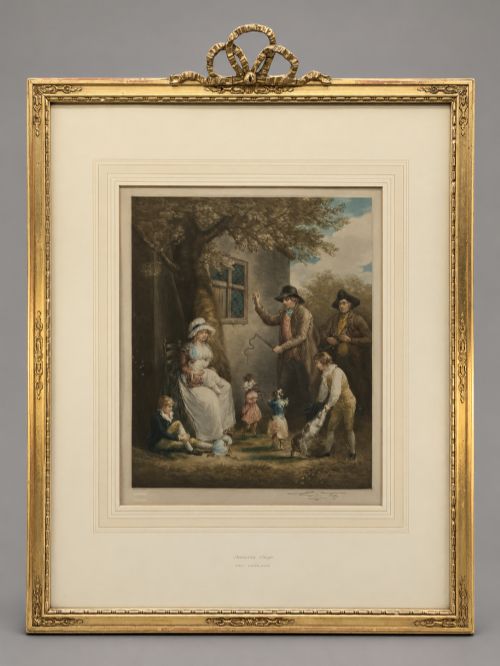
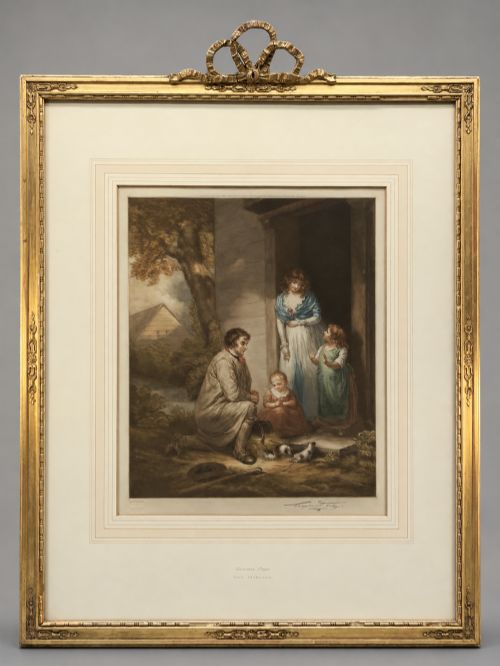
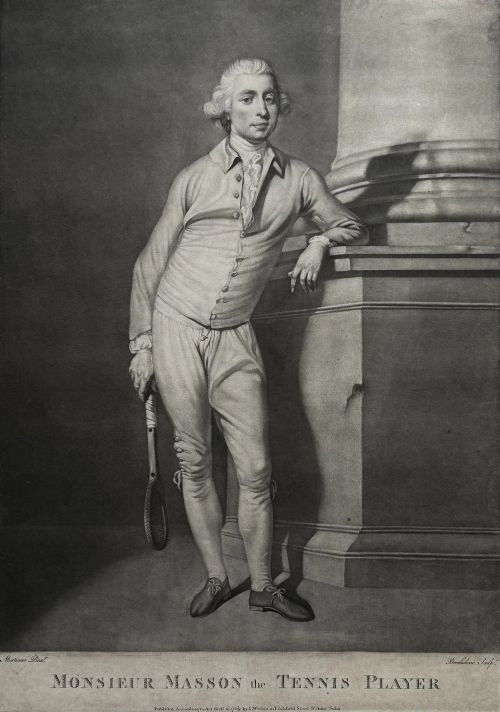
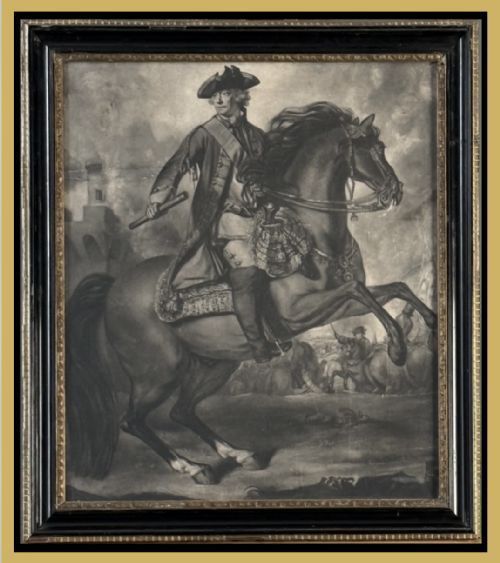
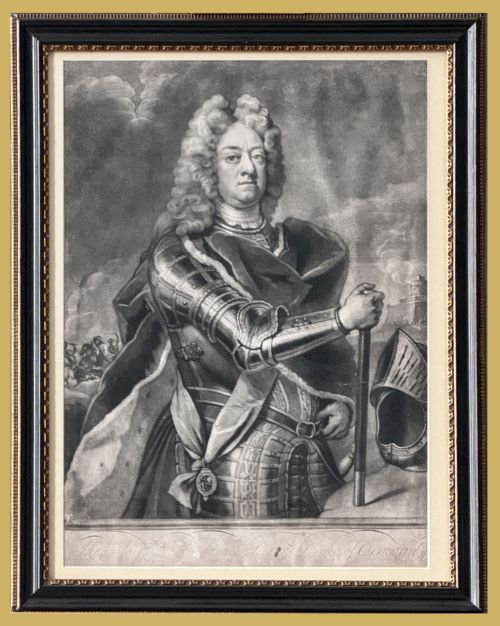
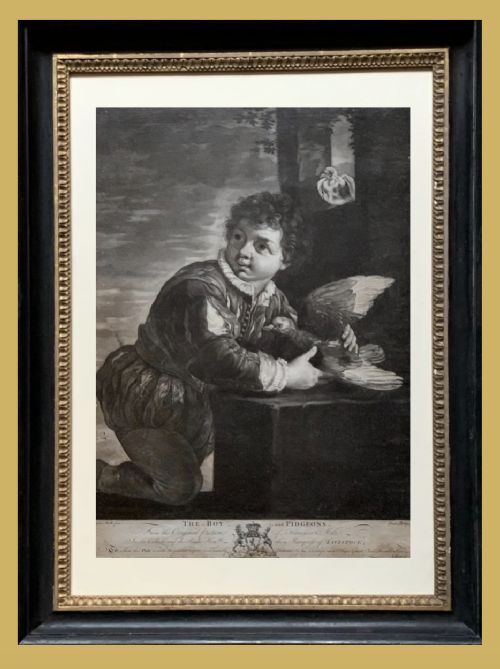
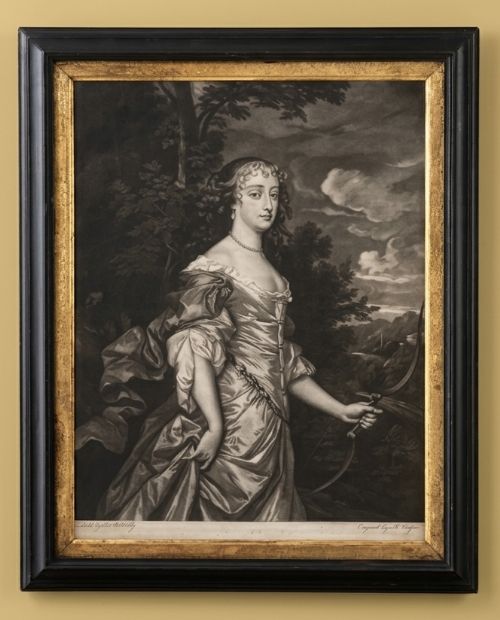
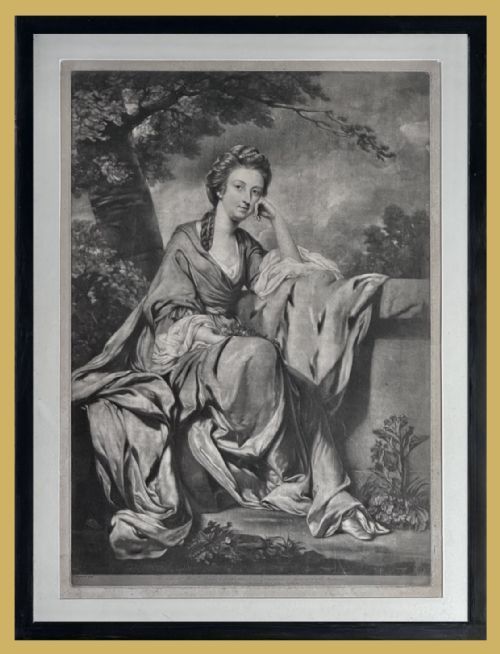
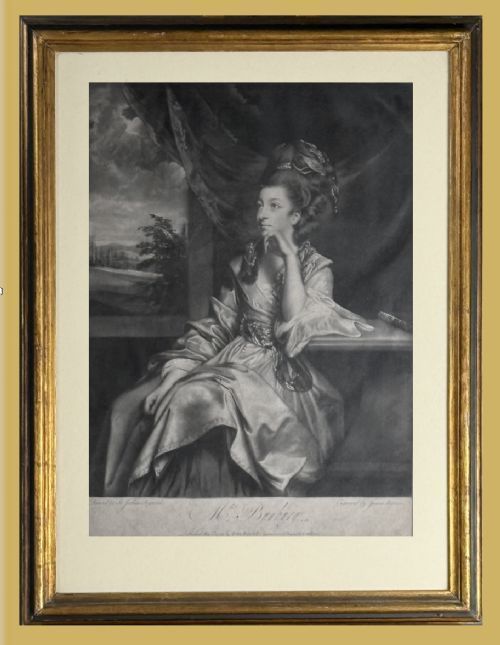
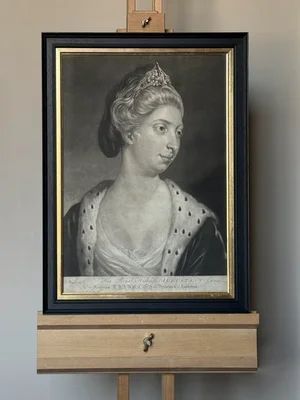
Vintage framed mezzotint prints are tonal intaglio engravings produced on paper, capturing portraits and genre scenes originating mostly from the seventeenth, eighteenth and nineteenth centuries.
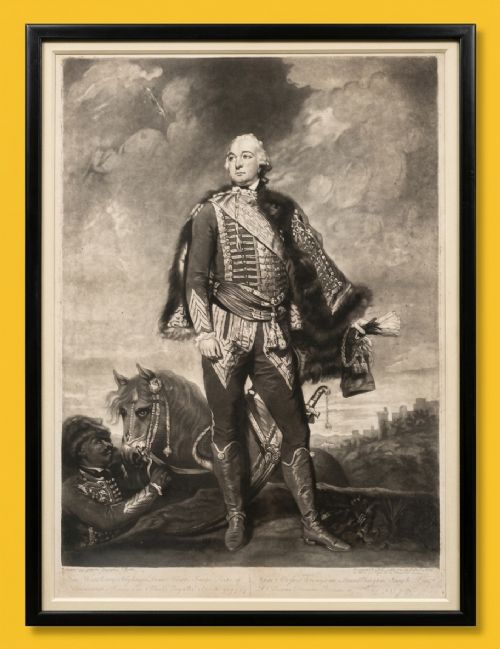
Buyers seeking vintage framed mezzotint prints frequently encounter works executed by prominent eighteenth-century engravers after painters like Sir Joshua Reynolds and Sir Peter Lely.
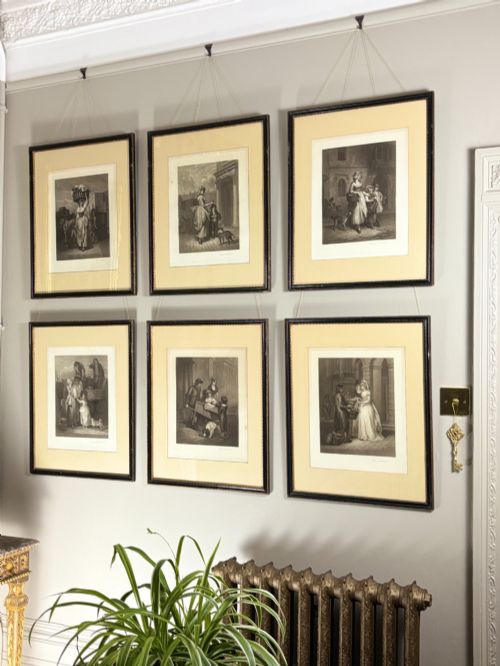
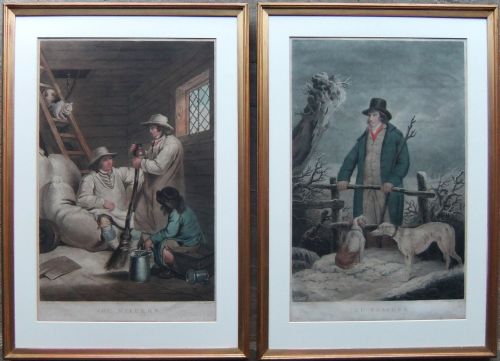
Framed examples on this page span from Georgian and Regency formats to later Edwardian revivals, retaining period wood and glass enclosures.
Materials and printmaking technique
The process begins with a copper plate roughened uniformly with a rocker to create a burr that holds ink, producing deep velvety blacks when pressed onto damp paper.
Lighter tones and highlights are scraped and burnished back onto the copper plate to let white paper show through, creating subtle gradients without using line etching.
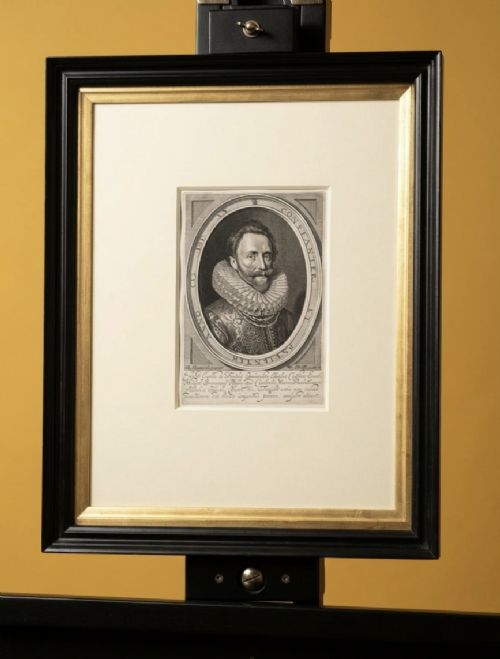
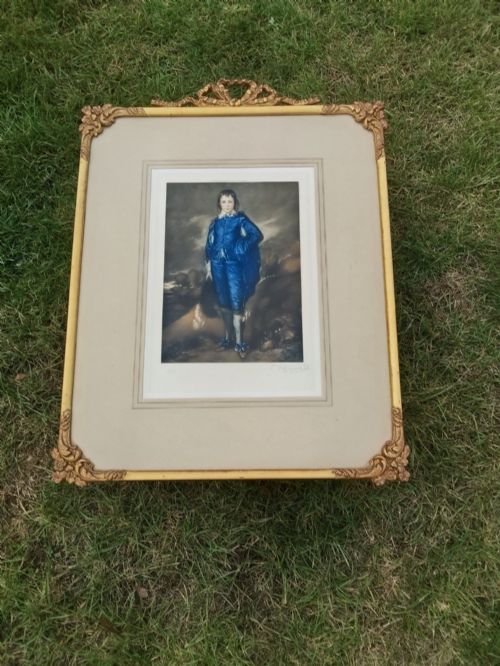
Finished sheets are mounted behind glass within timber frames, often utilising giltwood, gilt elements or dark Hogarth moulding.
Vintage Framed Mezzotint Prints Retail Price Guide 2026
Typical asking prices for vintage framed mezzotint prints among the pieces listed under this phrase on Sellingantiques today, from the lower quarter to the upper quarter. They describe what is for sale here now, not the wider market.
Several portraits capture stern historical figures peering out from behind centuries of soot and tea-stained paper.
Judging print quality and preservation
Quality rests upon the crispness of the impression, as copper plates wear down during printing and yield softer, muddier tones in later pulls.
The survival of original margins, clear publisher lettering and contemporary hand-colouring distinguishes superior impressions from heavily trimmed sheets.
Frame integrity matters greatly, with period giltwood mouldings and undisturbed early backing boards preserving the historical context of the artwork.
John Rafael Smith·Thomas Watson·John Simon·Edward Fisher·John Boydell·John Smith·James Watson·John Bowles·John Faber Jr·Robert Williams·James Macardell·Sydney Wilson·George Romney·Thomas G Appleton·Edward Stodart·W Bishop·G Morland·F Petitjean
The Vintage Framed Mezzotint Prints Glossary
- Mezzotint
- A printmaking process where a copper plate is roughened to hold ink for dark areas and scraped smooth for highlights. This technique allows for rich tonal gradations rather than relying on linear hatching.
- Artist Proof
- An impression printed for the artist to check progress before the main edition is run. These early pulls often command strong interest from collectors.
- Hogarth Frame
- A distinctive narrow wooden picture frame with a stepped or ogee profile, frequently finished in black and gilt. They are commonly associated with eighteenth and nineteenth-century prints.
- Giltwood
- Timber carved and coated with thin gold leaf or gilt preparation. It frames many period wall art pieces on this page.
- Intaglio
- A printmaking method where ink is held within incised or pitted lines and textures below the surface of the plate. Pressure transfers this ink onto paper.
Vintage Framed Mezzotint Prints: Frequently Asked Questions
What is a mezzotint print?
A mezzotint is a tonal printmaking method where a copper plate is roughened with a rocker to hold ink and create rich, velvety dark areas. Scrapers and burnishers are then used to lighten specific sections for shadows and highlights.
Unlike line engravings, mezzotints rely entirely on tone rather than hatching to build form and atmosphere.
How do I date these frames?
Dating relies on examining the construction methods of the wood, the type of glass, and the framing style. Hogarth mouldings and pegged giltwood frames often match the eighteenth or nineteenth-century period of the print inside.
Backboards, old nails, and historic framing labels also help determine whether the frame is original to the artwork.
Are these original prints?
The listings include period impressions pulled from copper plates in the seventeenth, eighteenth, and nineteenth centuries, alongside later Edwardian restrikes and artist proofs. Each entry specifies the active era of the engraver or publication date.
Checking the paper texture and impression depth helps confirm the era of the pull.
How should I hang them?
Mezzotints utilise paper and ink that remain sensitive to strong sunlight and excessive moisture. Hang them on interior walls away from direct windows using secure picture hooks suited to the weight of the timber frame.
Keeping room humidity stable prevents the paper from warping inside the antique glass.