



Antique Rural Genre Art
Antique rural genre art captures nineteenth-century country life through intimate paintings and watercolours that bring traditional pastoral scenes directly into your home.
Antique Rural Genre Art
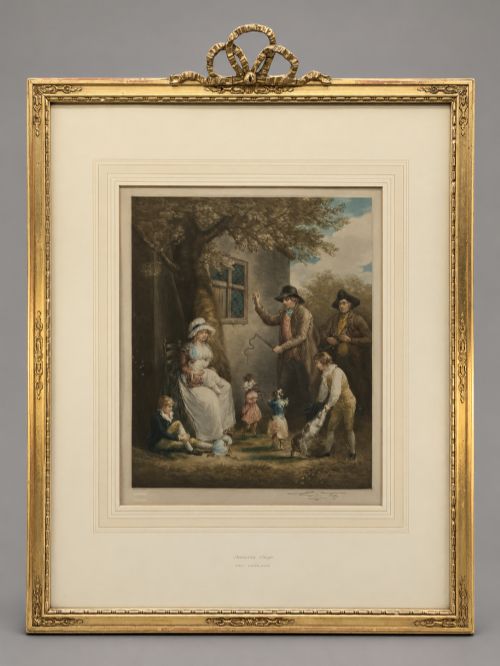
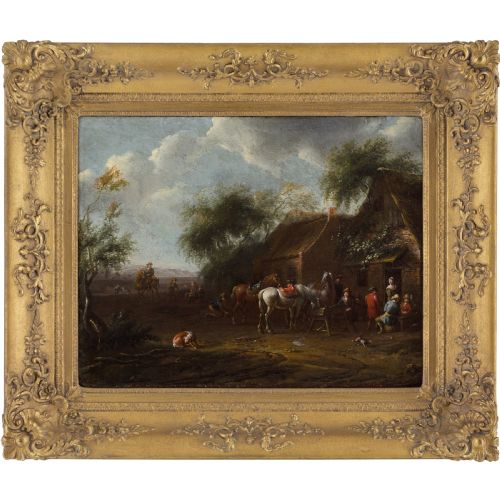
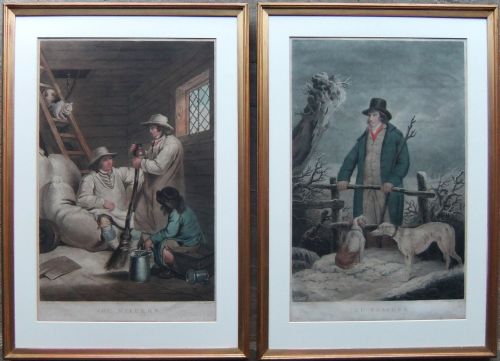
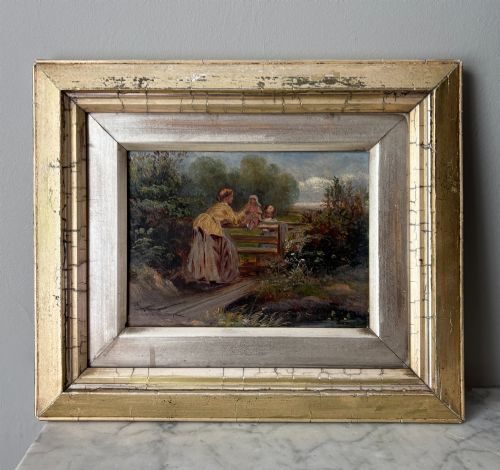
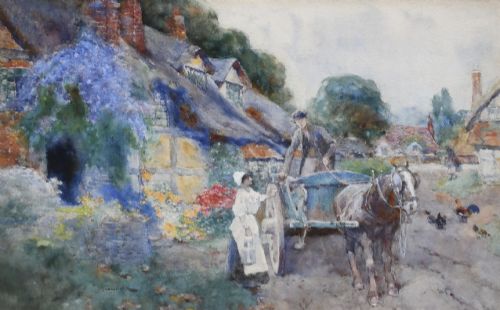
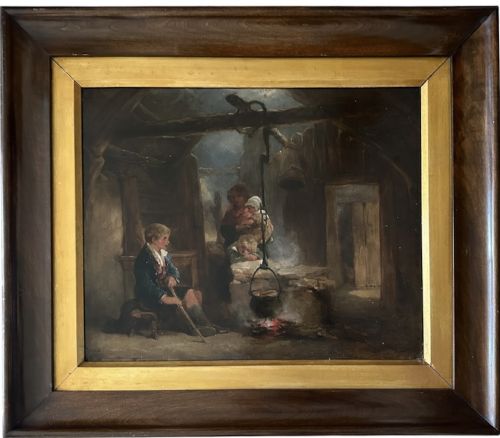
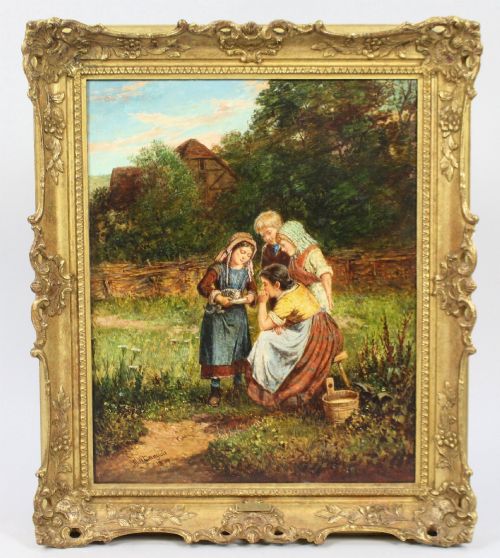
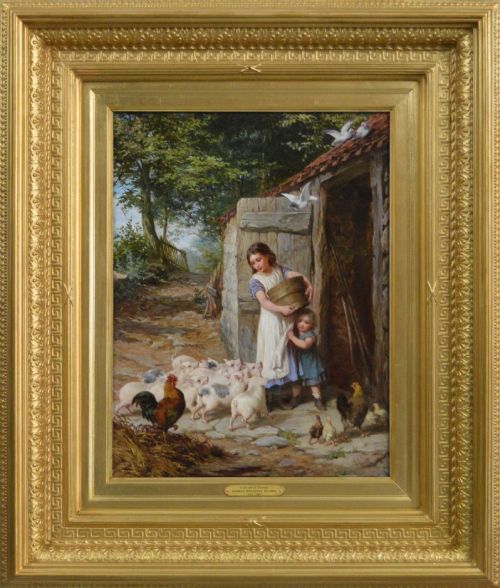
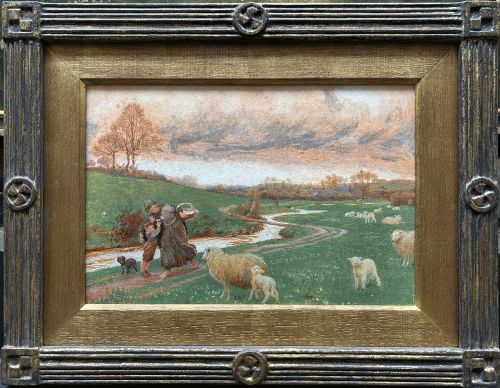
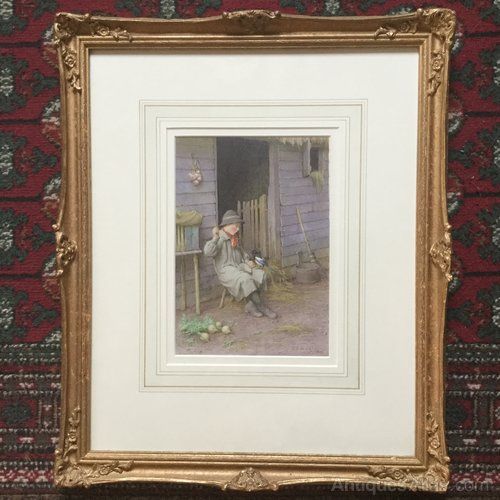
Antique rural genre art focuses on everyday country life, depicting farmyards, cottage doorways, and agricultural workers. These works record moments involving children, animals, and traditional trades such as blacksmithing.
The pieces appearing on this page date primarily from the nineteenth century into the early twentieth century. Victorians held a strong fascination for pastoral subjects, creating a steady output of framed watercolours and oil paintings.
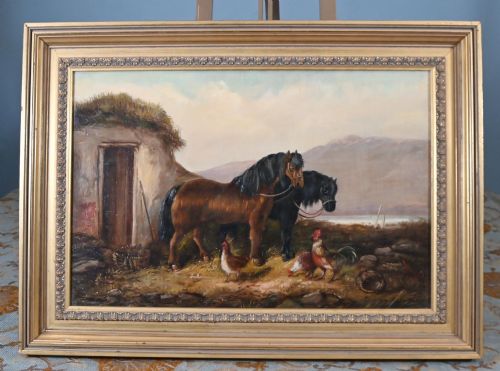
Compositions range from intimate watercolours of cottage gardens to large oil paintings on canvas depicting heavy horses and farm labourers. These works frequently arrive in their original gilt frames adorned with gesso mouldings.
How they were made
Artists of this period worked predominantly in oil paint on canvas or board, alongside delicate watercolours on paper. Oil pigments provided rich depth for farmyard scenes, while watercolours suited lighter cottage and garden subjects.
Support structures typically involved stretched canvas or prepared wooden boards, often framed in timber finished with gold leaf and moulded gesso decoration. These traditional mounting methods protect the fragile paper and painted surfaces over generations.
Antique Rural Genre Art Retail Price Guide 2026
Typical asking prices for rural genre art among the pieces listed under this phrase on Sellingantiques today, from the lower quarter to the upper quarter. They describe what is for sale here now, not the wider market.
Listings feature works spanning the eighteenth century through to the Edwardian period, executed in oil, watercolour, and lithograph.
What varies in quality
Quality in these rural paintings rests upon the artist's ability to render human figures and working animals with anatomical precision and expressive detail. Superior works capture convincing light across a farmyard, whereas lesser examples rely on formulaic compositions.
The handling of materials also distinguishes the collection, seen in the preservation of fine brushwork in oil paintings and the retention of vibrant pigment in watercolours. Original period framing significantly enhances the overall integrity of a piece.
George Morland·Miles Birkett Foster·David Woodlock·George Whitton Johnstone·Mark William Langlois·George Augustus Holmes·Frederick Walker·Charles Henry Slater·Charles Edward Wilson·James Kyd·James Hardy Junior·Arthur Longley Vernon·Helena Maguire·Edward Brice Stanley Montefiore·John Henry Dell·Ralph Hedley·Jane Maria Bowkett·George Kilburne·Vernon Stokes·Daniel Pasmore·Alfred Banner·John Frederick Herring Jnr·Edward Killingworth Johnson·Robert McGregor·Arthur Claude Strachan
The Antique Rural Genre Art Glossary
- Genre painting
- Artwork depicting scenes from ordinary daily life, commonly featuring people engaged in domestic or agricultural tasks. This style became immensely popular during the Victorian era.
- Gesso
- A plaster mixture applied to wood or canvas frames before gilding, allowing craftsmen to carve ornate decorative patterns. It provides a durable foundation for gold leaf application.
- Watercolour
- A painting method where coloured pigments are suspended in a water-based solution on paper. Artists utilised this technique to achieve translucent effects in pastoral landscapes.
- Mezzotint
- A printmaking process of the intaglio family where artists work from dark to light on a roughened copper plate. This method produces rich tonal gradations suited to reproducing fine art.
Antique Rural Genre Art: Frequently Asked Questions
What subjects appear in antique rural genre art?
These works depict traditional agricultural activities, farmyard animals, and domestic cottage scenes involving children and labourers. Artists focused on recording the daily realities of nineteenth-century country life.
Common motifs include horses near barns, women gathering berries, and blacksmiths at work. Every piece offers a window into rural history.
How do I identify a Victorian watercolour?
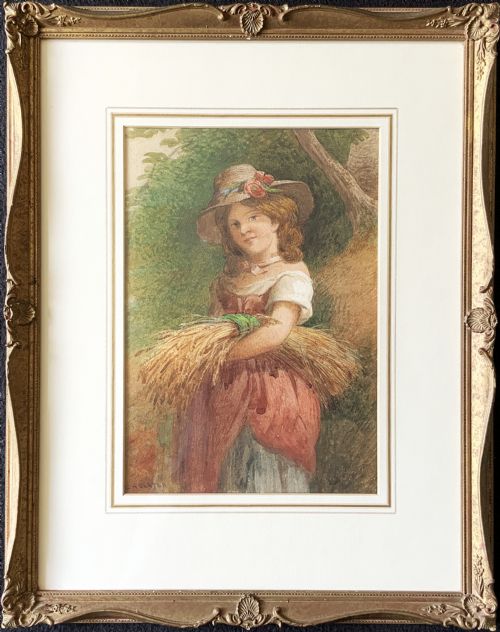
Victorian watercolours utilise water-based pigments on paper surfaces, often protected beneath glass within a gilt frame. They showcase delicate washes that highlight pastoral subjects and cottage gardens.
Closer inspection often reveals artist signatures, dates, or period framing techniques typical of the nineteenth century.
Where should I hang a framed oil painting?
Display oil paintings away from direct sunlight and damp environments to protect the canvas and the original gesso frame. Stable room temperatures prevent the wooden boards and canvas from warping over time.
Ensure the wall fixings safely support the combined weight of the heavy wooden frame and canvas.
How do I care for antique paper art?
Watercolours and lithographs on paper require protection from direct sunlight to prevent the pigments from fading. Framing with acid-free mounts keeps the paper away from the glass.
Maintain consistent indoor humidity levels to safeguard both the delicate paper and the surrounding wooden frame.