

Vintage Framed Lithograph
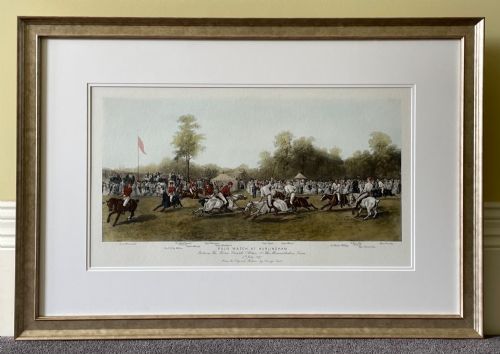
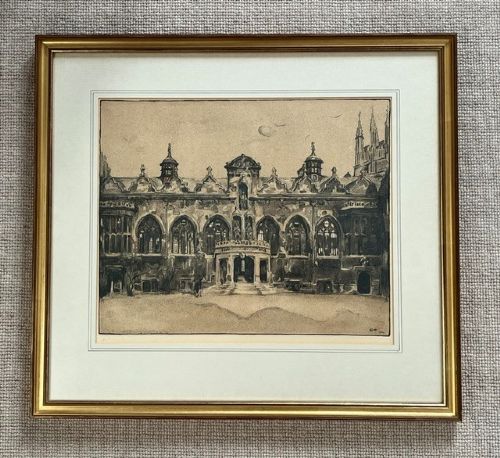
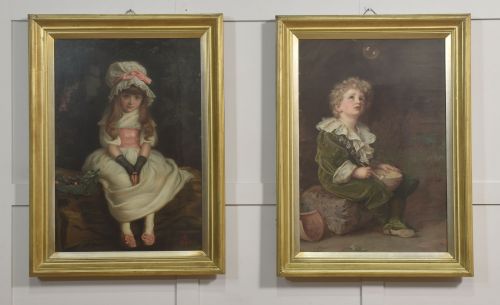
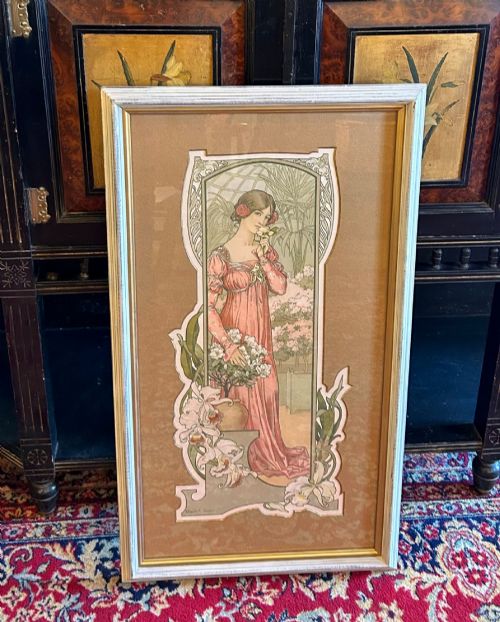
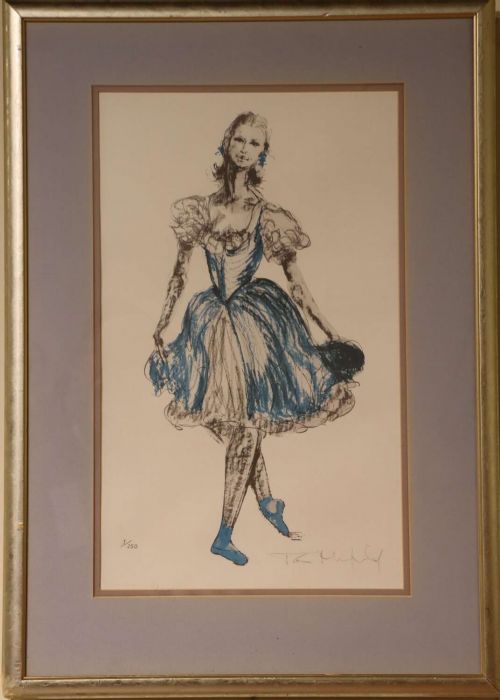
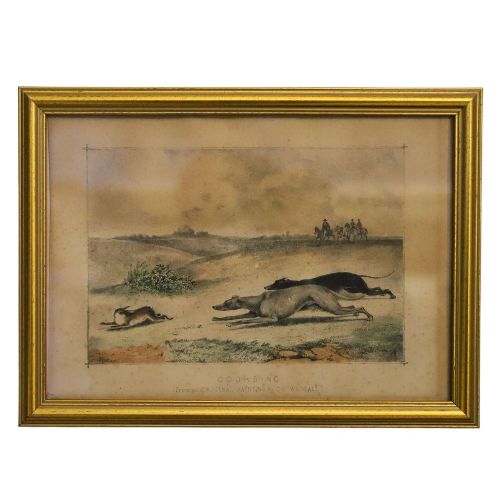
These vintage framed lithograph pieces bring period illustration to the wall, ranging from Victorian sports scenes to mid-century modern abstracts.
Vintage Framed Lithograph
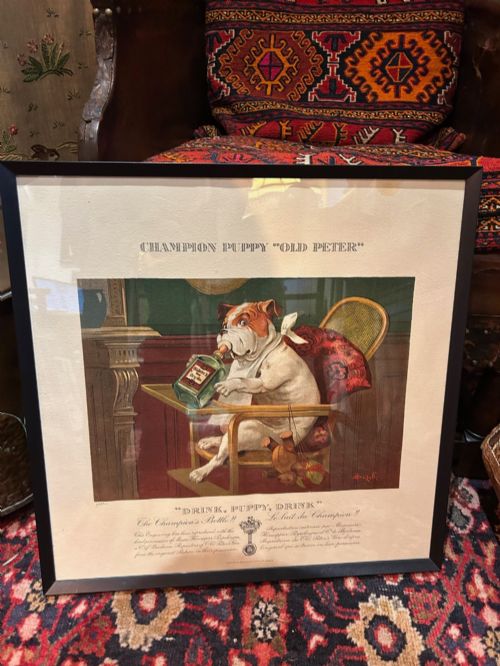
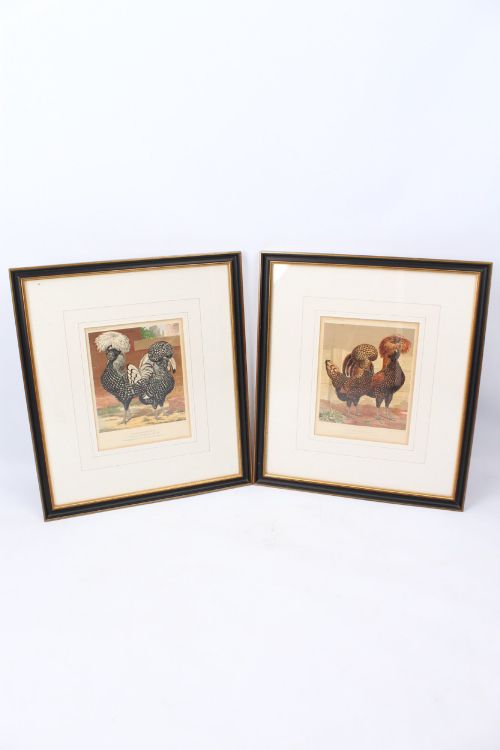
A vintage framed lithograph covers printed wall art produced across the nineteenth and twentieth centuries, spanning Victorian, Edwardian, and mid-century modern eras. When searching for a vintage framed lithograph, buyers encounter diverse subjects such as architectural plans, animal studies, advertising prints, and sporting scenes.
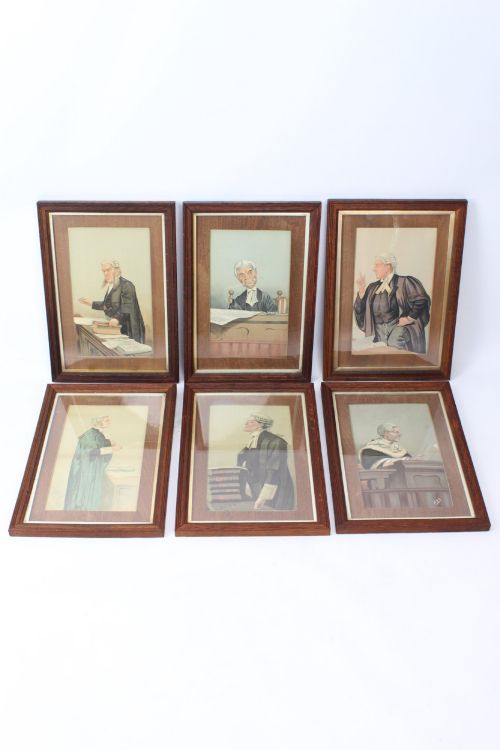
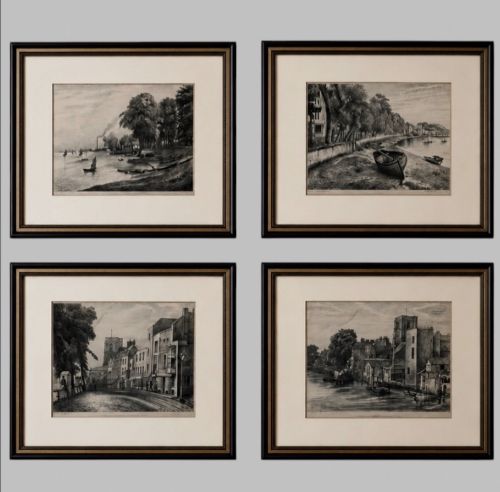
The selection here encompasses framed art prints originating from British, French, and international makers, utilising paper mounted behind glass and held within wood or giltwood frames. Pieces vary from single nineteenth-century plates to sets of Edwardian prints and twentieth-century limited editions.
Materials and production
These works rely on ink applied to paper surfaces through lithographic processes, sometimes enhanced by hand-colouring or chromolithography to build richer tones. Finished sheets are protected behind glass and mounted in wood, gilt wood, or giltwood frames, frequently secured with metal fixings.
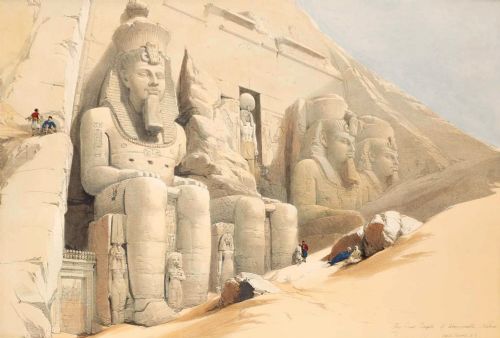
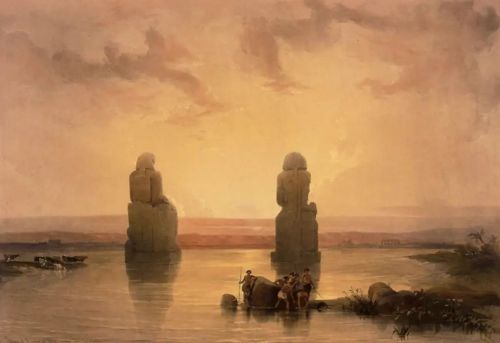
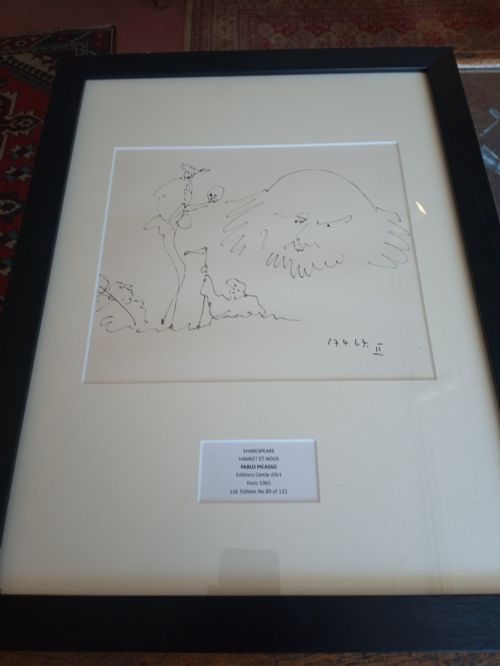
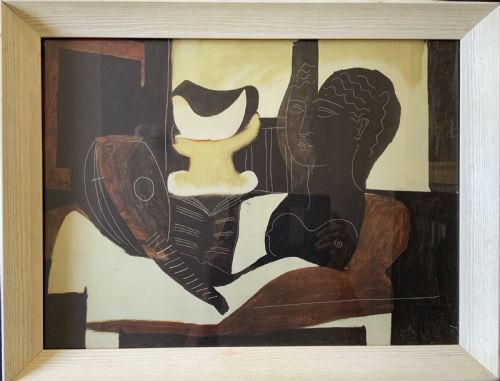
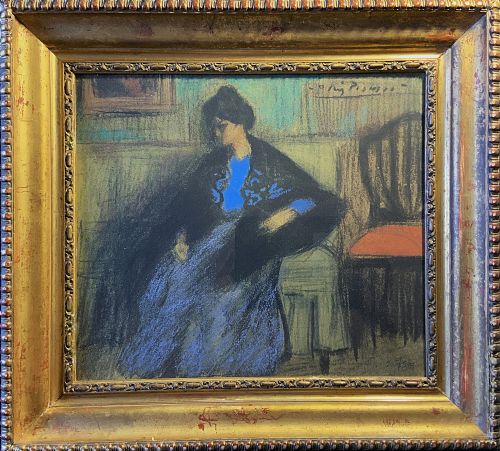
Makers of these prints utilised stone or metal plates to transfer detailed imagery, capturing the nuanced strokes of artists like Pablo Picasso, David Roberts, and Louis Wain. Framing techniques evolved from simple nineteenth-century mouldings to mid-century modern profiles, keeping the paper flat and stable.
Listings span the 19th Century, Victorian, Edwardian, and Mid-Century Modern periods, utilising paper, glass, wood, and gold leaf.
Assessing the work
Quality rests in the crispness of the ink transfer and the fidelity of the print to the original artwork, distinguishing delicate lines from muddy impressions. Hand-coloured examples and chromolithographs with registration accuracy achieve greater visual depth than standard monochrome runs.
The composition of the framing materials also dictates standard, where period giltwood and solid timber frames complement the age of the print better than modern replacements. Limited edition status and artist signatures elevate certain twentieth-century pieces above open-run decorative plates.
Donald Grant·Sir William Nicholson·Elisabeth Sonrel·Marcellin Auzolle·David Roberts·John Meredith·Pablo Picasso·C. H. Weigall·J.C Burgess·William Day·Horatio Henry Couldrey·Edwin Henry Landseer·Titian·Toulouse Lautrec·Charles Edward Wilson·Louis Wain
The Vintage Framed Lithograph Glossary
- Lithograph
- A print produced by drawing on stone or metal with a greasy substance so that ink adheres only to the designed areas. This technique allows for fine tonal gradations and faithful reproductions of paintings.
- Chromolithograph
- A multi-coloured print created using separate lithographic stones for each colour layer. This method produced vibrant advertising posters and book illustrations throughout the nineteenth century.
- Pochoir
- A stencil-based printing process used to apply hand-coloured details in crisp layers. It often appears alongside lithography in French art publications.
- Giltwood
- Wood carved and coated with a thin layer of gold leaf or metallic paint. It provides a reflective, ornate border for traditional frames.
Vintage Framed Lithograph: Frequently Asked Questions
How do I hang a heavy framed lithograph safely?
Use wall fixings rated for the combined weight of the wood frame, glass, and paper print. Secure the piece into wall studs or utilise appropriate cavity anchors.
Ensure picture wire or brackets are evenly balanced to prevent the frame from leaning or slipping over time.
What lighting protects vintage paper prints?
Position prints away from direct sunlight to prevent the ink and paper from fading. Utilise low-UV LED bulbs for interior illumination.
Filtered light preserves the delicate pigments found in nineteenth-century chromolithographs and twentieth-century advertising posters.
Can I remove a print from its original frame?
Original nineteenth and twentieth-century frames often form an integral part of the piece's historical context. Opening the backing risks damaging fragile paper and exposing the lithograph to dust and humidity.
Consult a professional restorer before attempting to separate the glass, mount, and frame.
How do I distinguish a lithograph from a modern digital print?
Examine the ink surface under a magnifying glass to check for the continuous tones or distinct stone grain of lithography. Modern digital prints display uniform dot patterns from inkjet or laser printers.
Vintage lithographs also show plate marks or paper characteristics consistent with nineteenth and twentieth-century manufacturing.