


Antique Satire Print
An antique satire print catches the eye with sharp wit and biting social commentary, offering a direct window into past political and cultural life.
Antique Satire Print
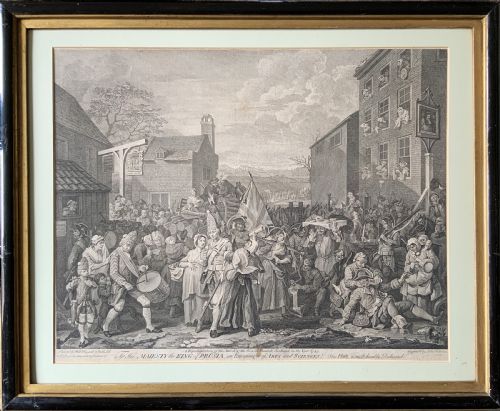
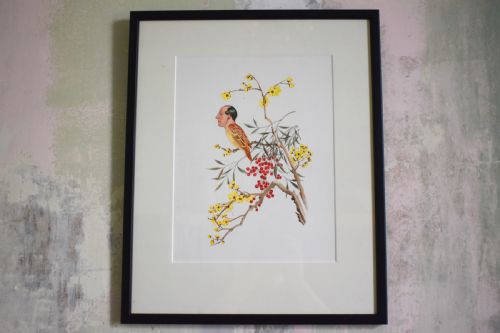
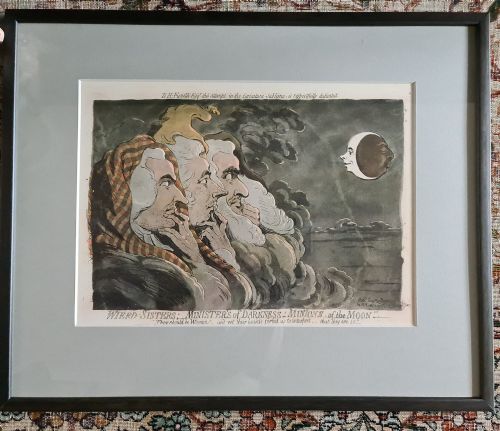
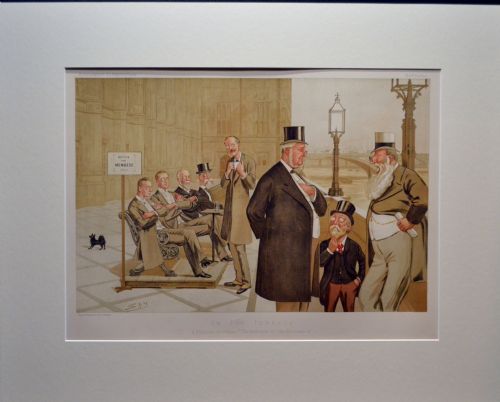
An antique satire print captures the biting humour and political critique of past centuries, typically taking the form of framed engravings, copperplate prints, and hand-coloured caricatures. These pieces range from the sharp social observations of the Georgian era to Victorian Vanity Fair portraits and early twentieth-century caricatures.
The selection here draws heavily from the eighteenth and nineteenth centuries, featuring notable works by William Hogarth alongside political subjects and social satires. Buyers frequently encounter framed examples rendered in ink and watercolour on paper, often mounted within period wooden frames such as maple.
How they were made
Makers produced these works using traditional techniques like copperplate engraving on paper, applying carbon ink to create the fine lines essential for detailed caricature. Many examples also incorporate hand colouring using watercolour ink to enhance the visual impact of the satire.
Framing played an integral role in the presentation of these prints, with workshops utilising wood, including maple, to house the paper sheets and protect the delicate ink work from environmental damage.
Early satirists targeted everything from periwigs to politicians, proving that eighteenth-century social critique was just as biting as today's memes.
What varies in quality
The clarity of the impression on the paper separates a sharp, early copperplate strike from a worn later impression that has lost its fine detail. Strong contrasts in the ink and precise hand colouring elevate the visual presence of the satire.
The condition of the paper surface and the preservation of the original framing materials also dictate the standing of the piece. Clean margins, minimal toning, and intact period frames preserve the historical integrity of the artwork.
William Hogarth·Luke Sullivan·E.L. Riepenhausen·Thomas Rowlandson·Thomas Worth
The Antique Satire Print Glossary
- Copperplate engraving
- A printmaking technique where an artist cuts an image into a copper sheet with a burin. Ink is applied to the plate and transferred to paper under pressure.
- Caricature
- A rendered portrait or scene that exaggerates its subjects for humorous or satirical effect. These illustrations target public figures, social trends, and political institutions.
- Hand colouring
- The deliberate addition of watercolour or other pigments to a monochrome printed image by hand. This process brings vibrancy and specific tonal depth to the subject matter.
- Marbled paper
- Paper decorated with a colourful pattern that resembles marble or stone. Binders often used this material for endpapers or portfolio covers.
Antique Satire Print: Frequently Asked Questions
How should I hang an antique satire print?
Protect the paper from direct sunlight by placing the framed print on an interior wall away from harsh windows. Consistent indoor temperatures prevent the paper from warping and protect the wood frame.
Ensure the frame hangs securely from appropriate wall fixings to support the weight of the glass and wooden moulding. Keep the piece at a comfortable eye level to appreciate the fine details of the engraving.
Can I remove the print from its frame?
Removing the print risks damaging fragile antique paper and disturbing historical framing elements that contribute to the piece's character. Many early prints are affixed to backing boards or acid-prone mounts that require specialist conservation care.
Leave the artwork undisturbed within its housing to maintain its structural stability and historical context. Consult a professional paper conservator if the frame requires urgent repair.
What subjects appear in these prints?
These works depict a wide range of social commentary, including Georgian moral progress stories, political elections, and military figures. Satirists targeted the fashions, follies, and political scandals of their respective eras with sharp visual wit.
Subjects extend from theatrical scenes and domestic satires to portraits of prominent statesmen and military generals from the First World War.
How do I identify a copperplate engraving?
Look closely at the paper surface for a distinct plate mark, which is an indented impression left by the edge of the copper sheet during the printing process. The ink lines will often sit slightly proud of the paper surface under magnification.
Examine the fine cross-hatching and dot work characteristic of skilled eighteenth-century engraving techniques. These details distinguish hand-pulled copperplate prints from later mechanical reproductions.