



Vintage Foot Stool
These vintage foot stool examples offer compact comfort, bringing period timber frames and tactile upholstery together for daily fireside use.
Vintage Foot Stool
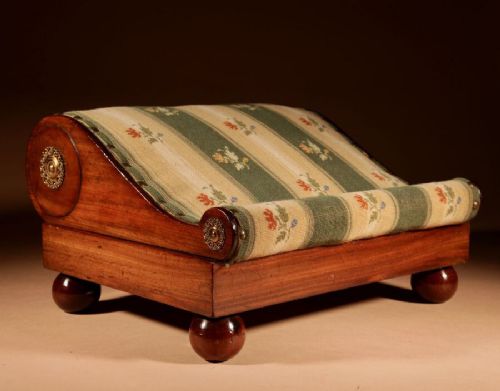
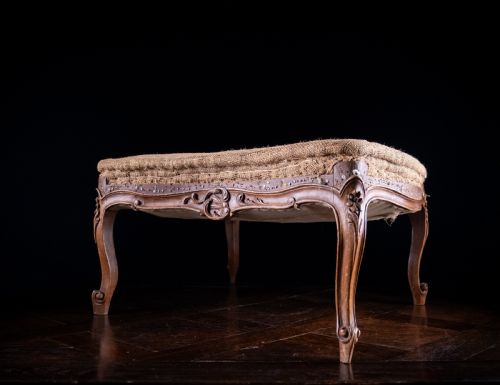
A vintage foot stool serves as a low, portable rest for the feet, appearing across numerous historical periods and decorative styles. These small seats span several centuries of design, ranging from straightforward country timber forms to elaborate revival pieces.
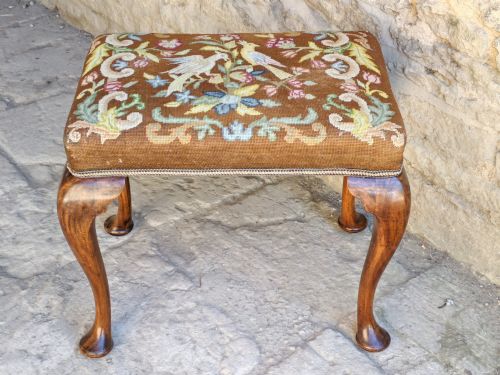
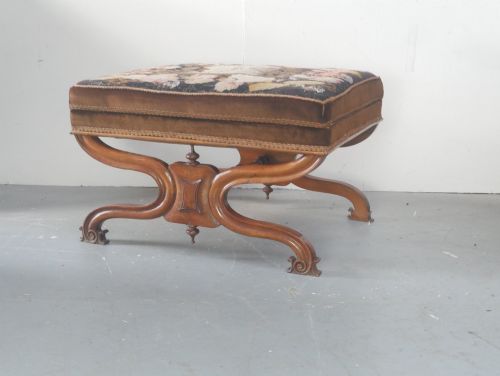
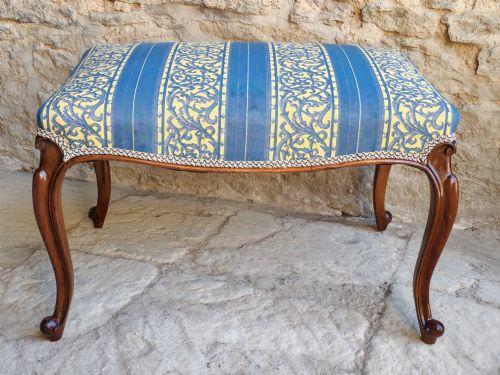
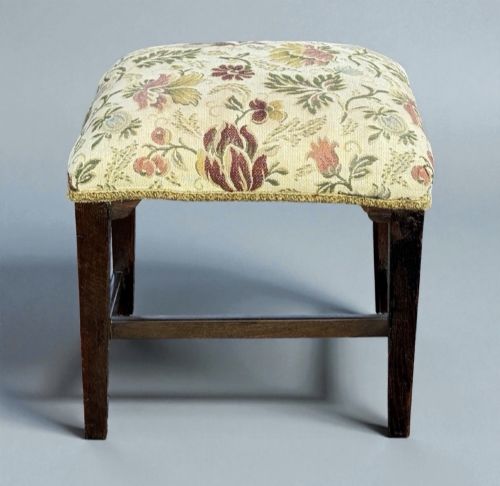
Most examples encountered here date from the nineteenth century or the Victorian era, utilising rich hardwoods and traditional upholstery. Buyers frequently find walnut and mahogany frames paired with needlepoint, tapestry, or velvet coverings.
Beyond standard low footstools, the selection includes piano stools, ottomans, and specialised carriage foot warmers. These diverse forms reflect how domestic comfort evolved from the Georgian period into the early twentieth century.
How they were made
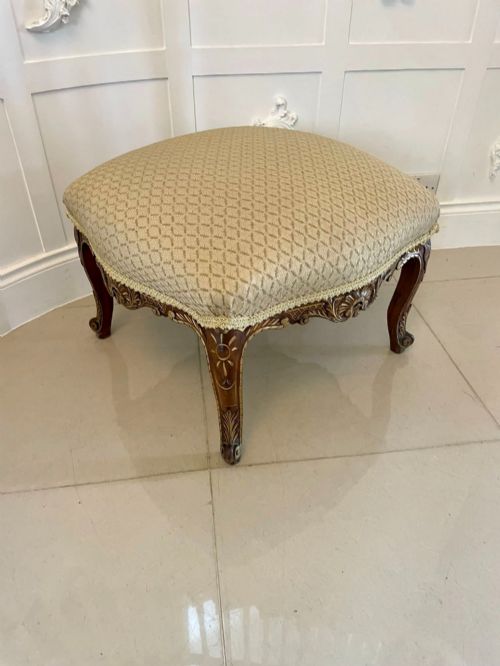
Cabinetmakers constructed the supportive frames using dense timbers such as walnut, mahogany, oak, and beech. These woods were frequently carved, turned, or gilded to align with prevailing regional and historical fashions.
Upholstery techniques involved durable webbing and stuffing beneath decorative textiles, including gros point tapestry, needlepoint, velvet, and leather. Brass detailing and specialised foot hardware frequently completed the construction of finer examples.
Upholstered styles range from Victorian needlepoint and tapestry to Art Deco frames and Georgian brass accessories.
What varies in quality
The sophistication of the timber carving and the architectural integrity of the frame dictate the standing of an individual piece. Superior examples exhibit crisp joinery, thoughtful proportions, and robust structural timbers that withstand regular weight.
The retention of original textile work or period-appropriate replacement needlepoint significantly elevates the character of the object. Finer pieces demonstrate meticulous hand-stitching and high-grade upholstery materials that complement the underlying woodwork.
Howard & Sons·Miles & Edwards
The Vintage Foot Stool Glossary
- Needlepoint
- A type of canvas work embroidery traditionally used to cover footstool tops with intricate floral or geometric patterns. These durable stitched surfaces define many period pieces.
- Footman
- A metal stand placed near a hearth to keep items warm, closely related to domestic fireside accessories. These brass items share the domestic spaces inhabited by low stools.
- Ottoman
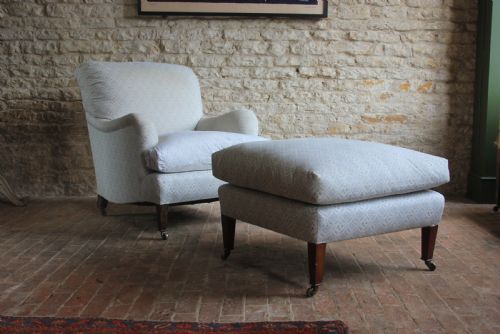
- A larger upholstered seat or footstool lacking arms or a back, designed for reclining or shared seating. These substantial pieces offer expanded surface area compared to standard stools.
Vintage Foot Stool: Frequently Asked Questions
How do I style a vintage foot stool?
Place a low timber stool beside an armchair or sofa to introduce texture and a functional resting place. They fit easily into sitting rooms and studies without dominating the floor space.
Combine contrasting upholstery patterns with neutral room schemes to highlight the historical textile work. Smaller stools also function well as display surfaces for books or decorative objects.
What is the difference between a footstool and an ottoman?
A footstool is typically designed for a single person to elevate their feet near a chair. They feature compact proportions and straightforward timber frames.
An ottoman offers a much larger surface area and can seat multiple people or serve as a low centre table. Both share similar upholstered construction methods across various historical periods.
Are these stools suitable for daily use?
Most solid wood frames remain remarkably sturdy and well-suited for everyday sitting or resting feet. Traditional joinery ensures these pieces endure continuous domestic activity.
Consider having fragile antique tapestries professionally protected if the stool receives heavy daily contact. Sturdier leather and velvet upholstery handles frequent use with minimal upkeep.
How do I identify the period of a stool?
Examine the timber species, leg turning style, and carving motifs to determine the likely era of manufacture. Georgian pieces often display mahogany and restrained lines, whereas Victorian items favour walnut and ornate revival carving.
Look for construction marks, original upholstery webbing, and secondary woods underneath the piece. These hidden structural clues reveal the manufacturing techniques of nineteenth and early twentieth-century workshops.