

Vintage Folding Tea Table
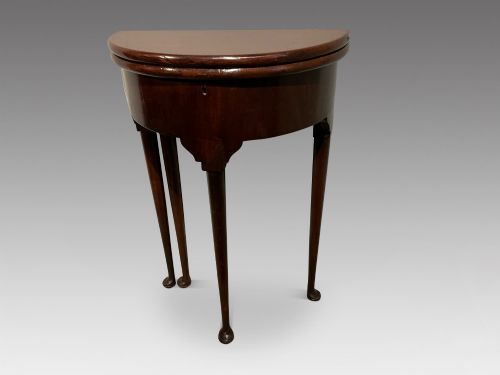
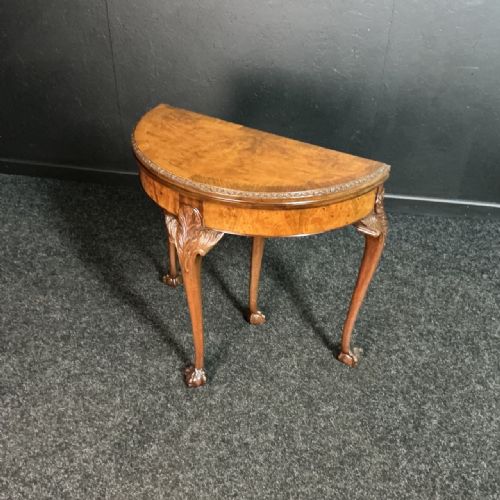
These vintage folding tea table pieces are practical collapsible surfaces designed for hosting, often taking the form of card tables, tray tables, and occasional tables.
Vintage Folding Tea Table
A vintage folding tea table serves as a versatile piece of furniture designed to expand when needed and fold away for storage. When you search for this phrase, you encounter various iterations spanning the eighteenth century through the twentieth century, with Edwardian examples frequently appearing.
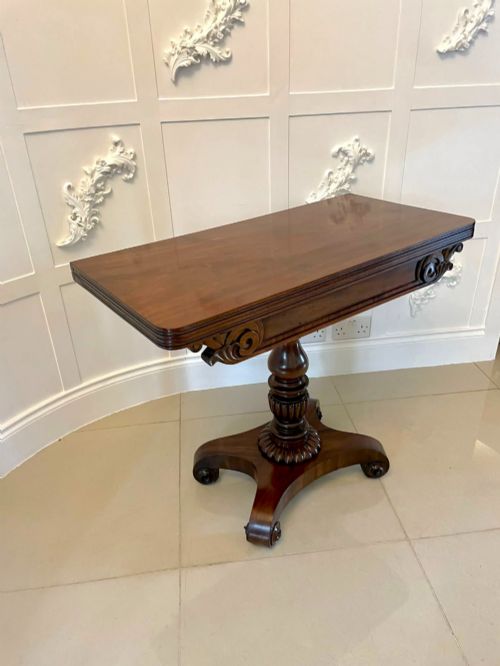
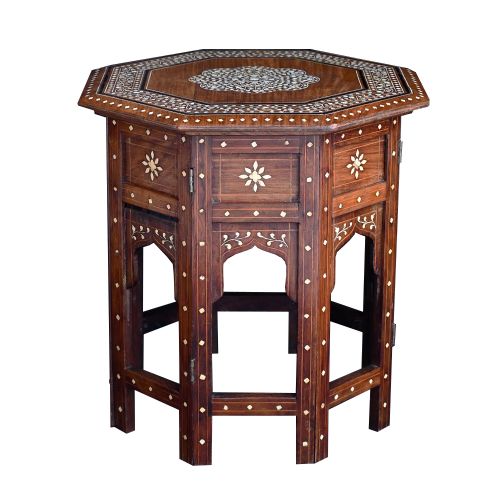
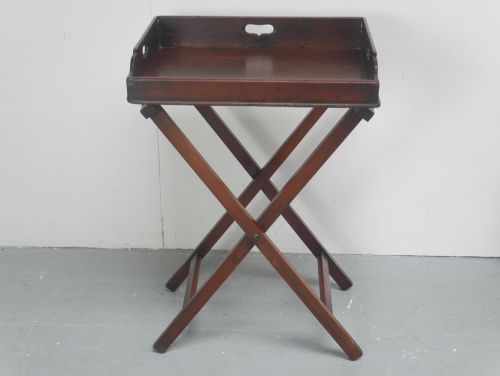
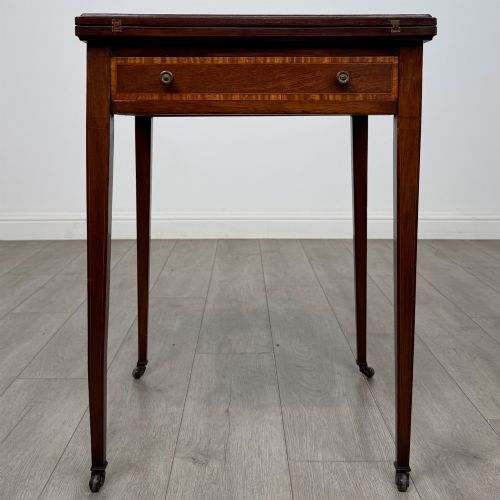
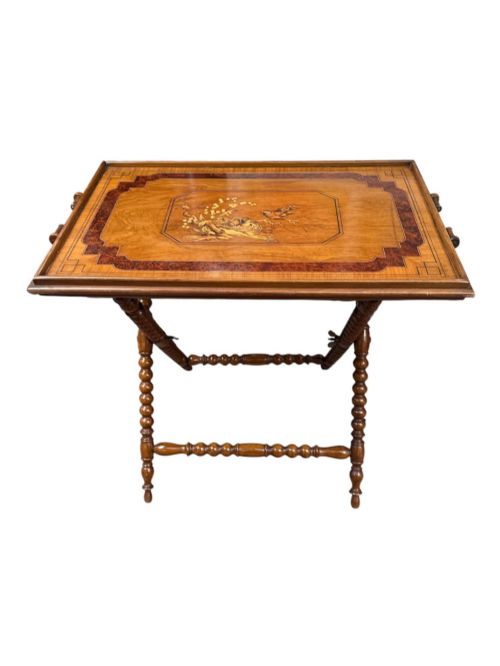
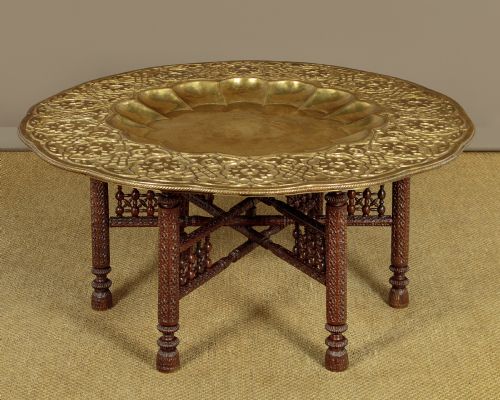
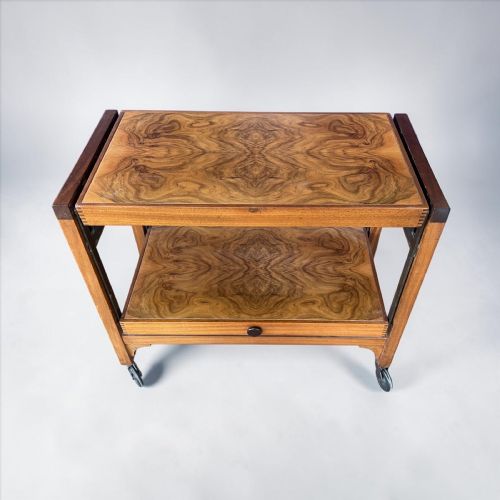
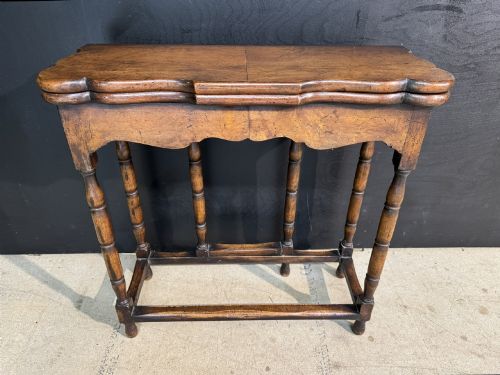
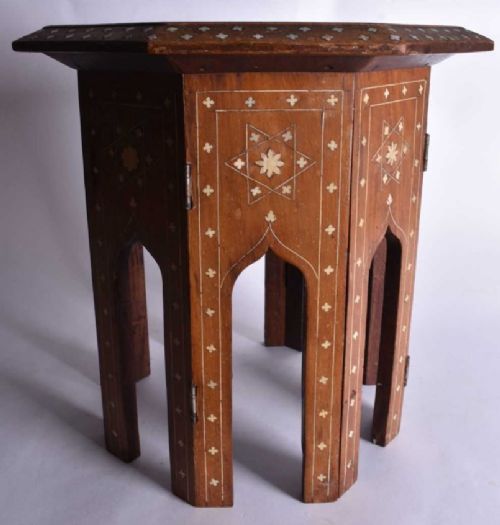
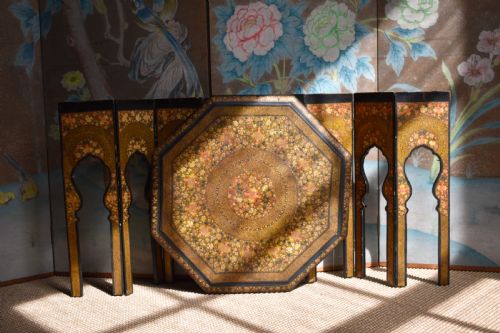
The selections on this page range from walnut and mahogany card tables to inlaid occasional tables and octagonal folding Damascus pieces. Many versions incorporate drop leaves, gateleg mechanisms, or removable trays set upon folding wooden stands.
Makers and craftsmen across different periods utilised specific regional styles, including Anglo-Indian carvings, Sorrento ware marquetry, and Queen Anne revivals. These tables reflect the social habits of their respective eras, accommodating tea service, card games, and everyday parlour use.
Materials and Construction
Cabinetmakers constructed these pieces primarily using hardwoods such as mahogany, walnut, burr walnut, and teak, occasionally incorporating satinwood for contrast. Surfaces frequently feature detailed inlay, mother of pearl, marquetry, or brass ornamentation.
Structural integrity relies on specialised folding mechanisms, including gateleg frames, hinge-supported leaves, and removable tray stands. Joinery methods varied from traditional cabinet framing to intricate hand-carved panels found in Anglo-Indian and Hoshiarpur work.
Some tables double as monoplane cake stands for daring aviators of the early twentieth century.
Assessing Quality and Execution
The distinction between standard examples and finer pieces lies in the crispness of the carving, the selection of figured timber veneers, and the precision of the inlay work. Superior items exhibit seamless joints when folded and stable, well-balanced frames when opened.
Hardware quality also dictates overall merit, as original brass hinges, locks, and folding brackets indicate careful initial manufacture. Finer pieces maintain balanced proportions and clean joinery whether displayed open or folded flat.
Epstein and Co
The Vintage Folding Tea Table Glossary
- Sutherland table
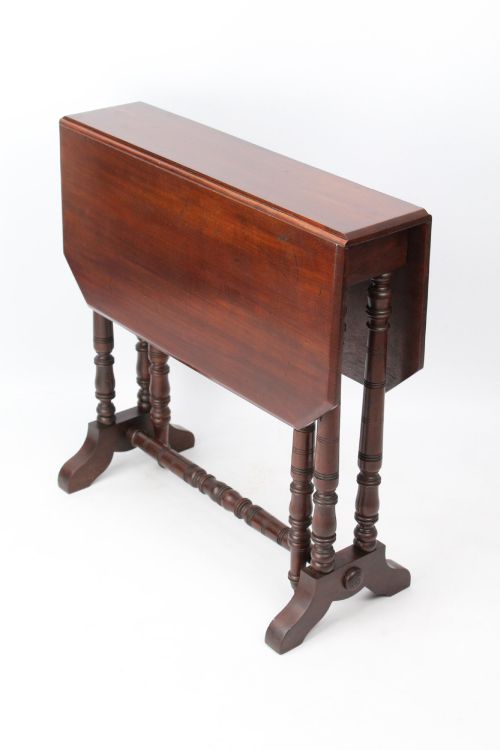
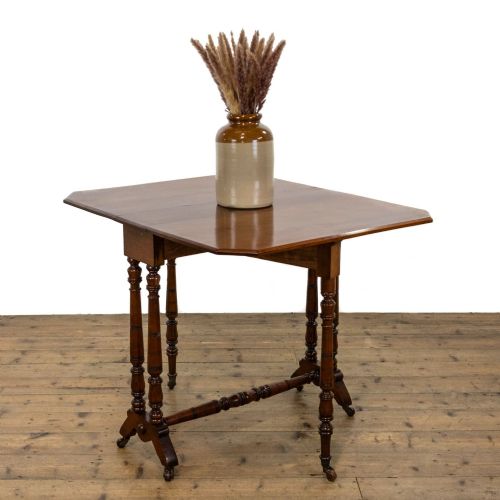
- A narrow drop-leaf table featuring exceptionally slender gatelegs that support the leaves when raised. It folds down to a very compact footprint.
- Card table
- A folding table designed specifically for gaming, usually featuring a hinged top that opens to reveal a baize-lined surface. Many examples date from the Georgian and Edwardian periods.
- Sorrento ware
- Woodware decorated with intricate micro-mosaic marquetry, originating from the Italian town of Sorrento. It often appears on nineteenth-century tray tops and small tables.
- Gateleg table
- A table with hinged leaves supported by legs that swing out like a gate. This mechanism provides sturdy support for the extended surface.
- Demifine
- A term sometimes associated with semi-circular furniture shapes like demi-lune console tables. These fit flat against a wall before opening out.
Vintage Folding Tea Table: Frequently Asked Questions
How do I operate a folding tea table?
Most folding tea tables rely on hinged leaves supported by swing-out legs, rotating tops, or separate folding stands.
Lifting the surface or swinging the supporting gateleg into position locks the table into a rigid format for use.
Where were these tables used originally?
These pieces served primarily in drawing rooms, parlours, and sitting rooms for entertaining guests.
Their collapsible nature allowed households to clear floor space quickly when tea service or card games concluded.
How do I date an Edwardian folding table?
Edwardian examples typically date between 1901 and 1910, often displaying revival styles like Hepplewhite or Queen Anne.
Examination of the timber grain, interior secondary woods, and hardware construction helps confirm the manufacturing era.
Can I use a vintage card table daily?
These tables handle normal decorative placement and occasional service use quite well when treated with care.
Avoid placing excessive weight on the folding leaves and protect polished wood surfaces from moisture.