



Vintage Folding Mirror
A vintage folding mirror brings adjustable light and practical elegance to a dressing space, spanning portable travel pieces to grand table trios.
Vintage Folding Mirror
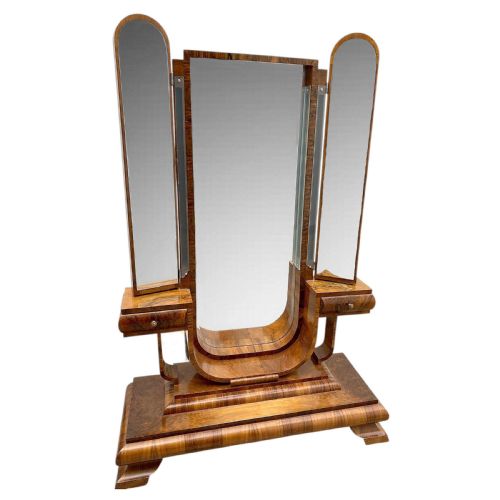
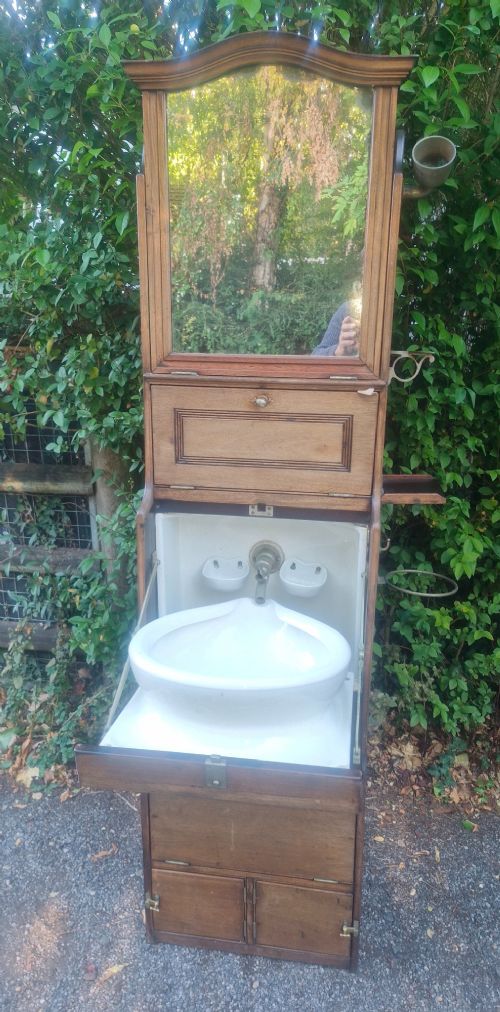
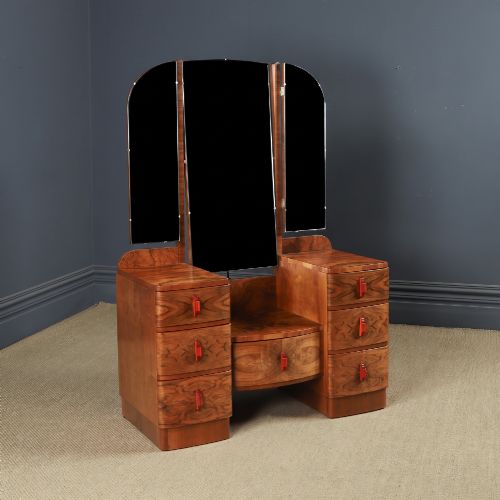
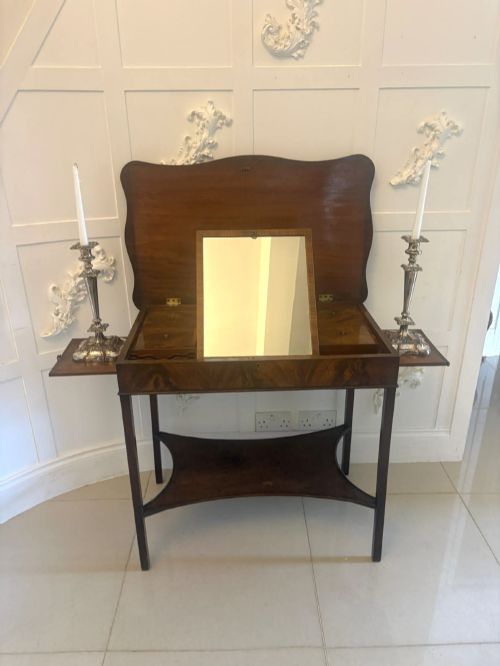
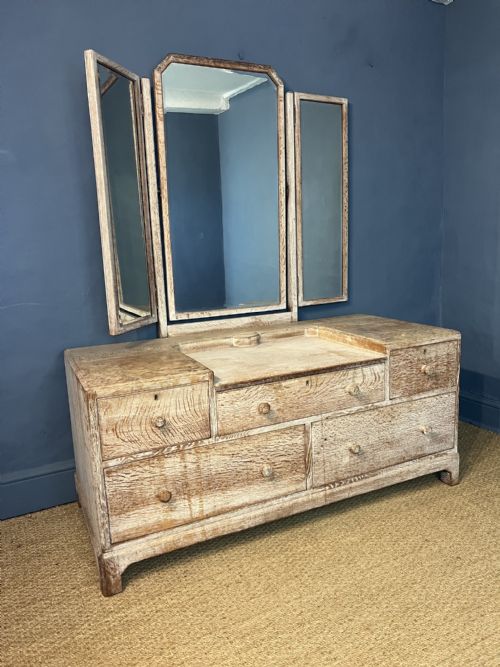
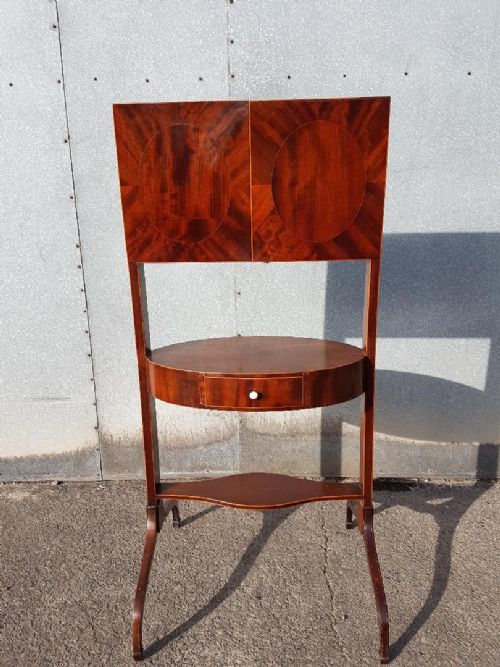
When you search for a vintage folding mirror, you encounter everything from compact travel companions to substantial dressing table trios. The form adapts across centuries, appearing on campaign stands, washstands, and dedicated vanity tables.
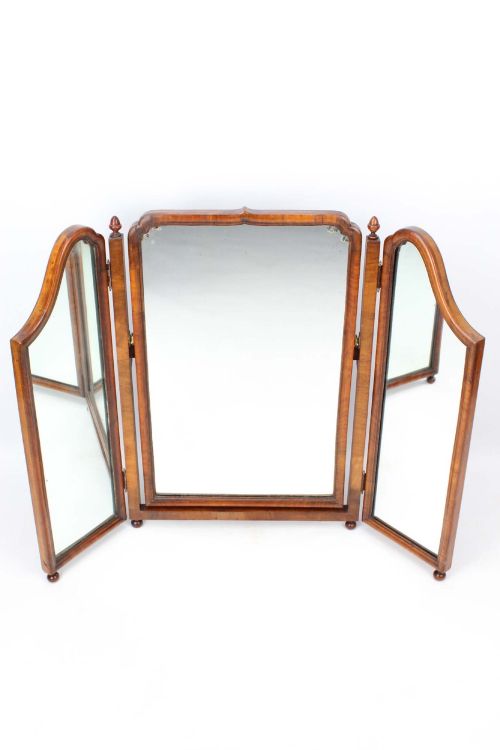
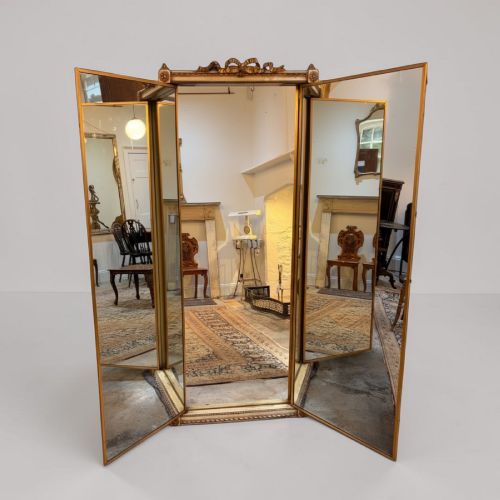
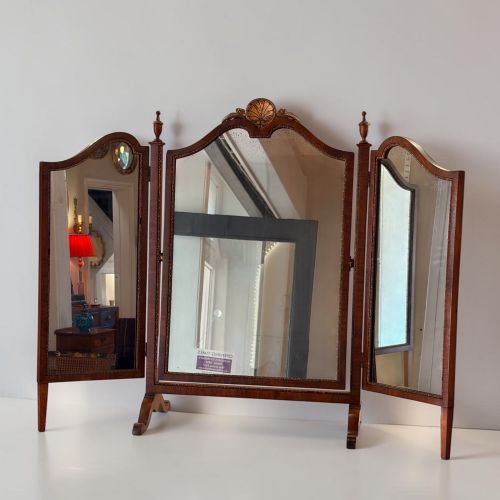
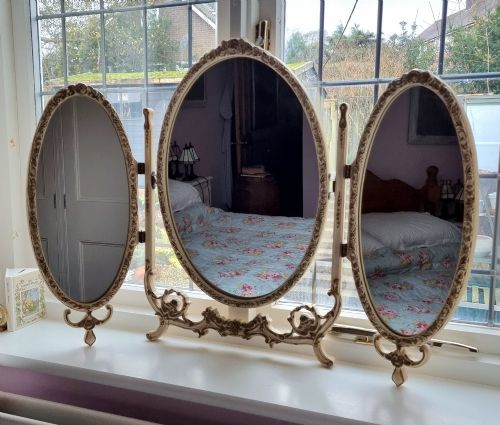
The pieces on this page emerge from periods including the Georgian era, the Edwardian years, and the 1920s and 1930s. You will frequently find multi-panel designs, such as triptychs and trio mirrors, which allow the user to angle the glass.
Origins vary from English mahogany campaign kits to French brass and walnut pieces, alongside specialised Italian Sorrento travel items. Table mirrors and dressing table mirrors dominate the selection, offering functional adjustment for daily grooming.
How they were made
Construction relies heavily on timbers like mahogany, oak, walnut, and olive wood, often shaped into sturdy frames or portable boxes. Brass hardware frequently provides the hinges and folding mechanisms necessary for multi-panel movement.
Finishes incorporate gesso and marble tops on larger dressing tables, while campaign versions utilise clever collapsible joints for portability. Inlaid details and limed treatments appear on specific pieces from the Edwardian period and the 1930s.
Vintage Folding Mirror Retail Price Guide 2026
Typical asking prices for vintage folding mirror among the pieces listed under this phrase on Sellingantiques today, from the lower quarter to the upper quarter. They describe what is for sale here now, not the wider market.
One tiny Sorrento travel mirror packs its own inlaid olive wood geometry so tightly you might mistake it for a puzzle box.
What varies in quality
Quality reveals itself in the precision of the folding hinges and the clarity of the glass panels within the frame. Robust joinery in woods like mahogany and walnut distinguishes superior examples from simpler utilitarian objects.
The sophistication of decorative elements, such as brass embellishments or delicate inlaid woodwork from Sorrento, separates standard iterations from finer specimens. Heavier materials like marble tops and structured brass mounts denote greater substance.
Heals
The Vintage Folding Mirror Glossary
- Triptych
- A mirror composed of three panels, where the two outer wings fold inward around a central glass. This configuration allows the user to view angles from the side.
- Campaign
- A portable style of furniture designed for travel, featuring folding or collapsible elements. These pieces utilised sturdy woods like mahogany for durability on the move.
- Gesso
- A plaster-like mixture applied to wooden frames as a base for paint or gilding. It provides a smooth surface for ornamental detailing.
- Limed oak
- Timber treated with a specialised finish that highlights the open grain of the oak with a lighter pigment. This treatment gained popularity in modernist designs of the 1930s.
Vintage Folding Mirror: Frequently Asked Questions
How do campaign mirrors work?
Campaign mirrors were built for travel, featuring folding wooden cases or protective boxes that secure the glass during transit.
They often include small compartments for shaving gear or personal items, utilising brass hinges for durability.
Where were these mirrors used?
These mirrors sat primarily on dressing tables, washstands, and dedicated vanity units in bedrooms or dressing rooms.
Smaller iterations accompanied travellers on journeys, functioning as portable grooming stations in temporary lodgings.
What woods are common?
Cabinetmakers utilised a range of durable timbers, most notably mahogany, oak, and walnut, alongside decorative options like olive wood.
These woods provided the structural strength needed to support pivoting frames and folding brass hardware.