


Vintage Flower Picture
A vintage flower picture brings the enduring colour of garden studies and still life arrangements directly into your interior.
Vintage Flower Picture
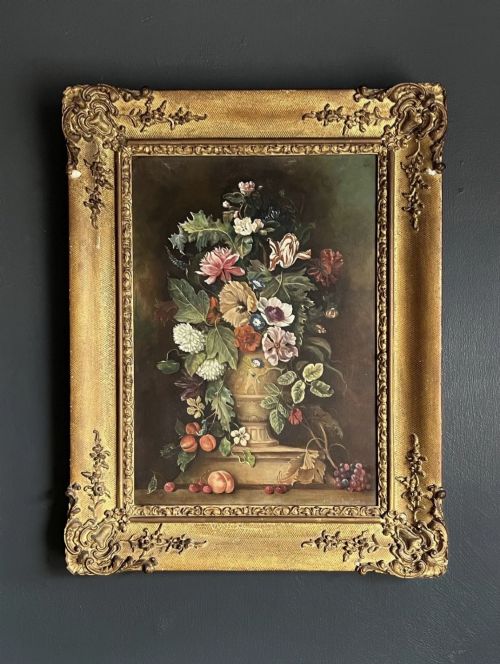
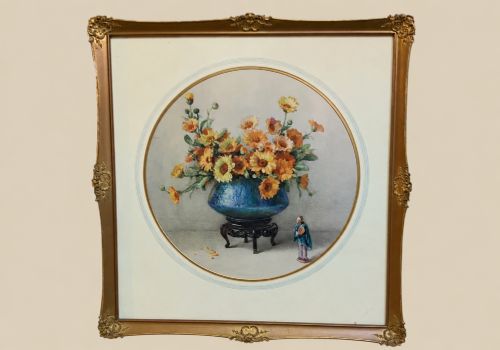
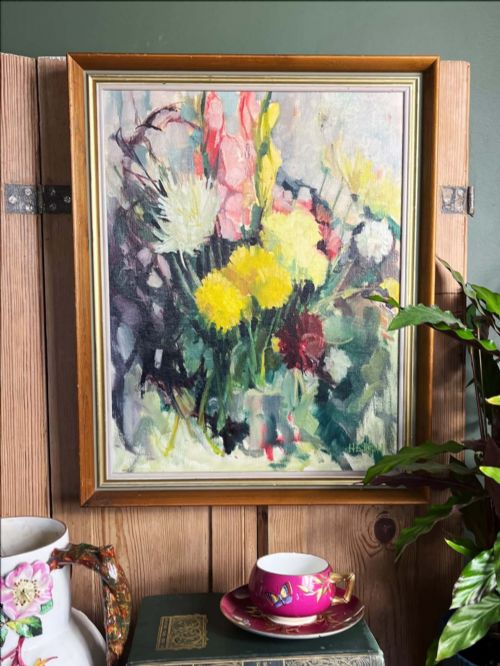
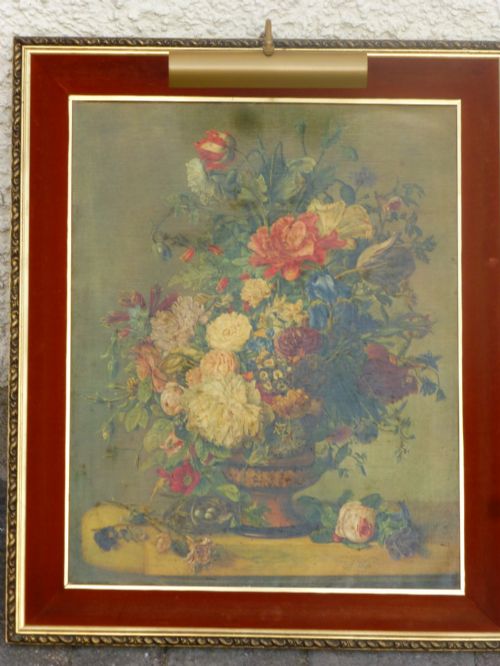
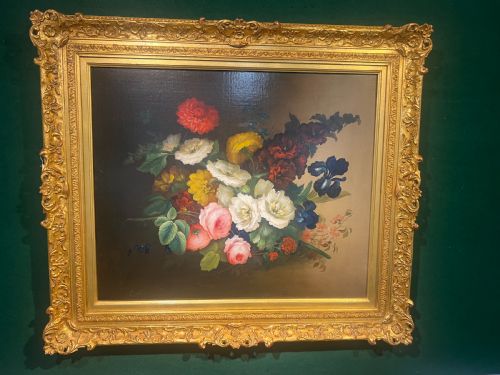
A vintage flower picture encompasses various forms of wall art, most frequently oil and watercolour paintings depicting botanical studies, garden landscapes, and still life compositions of roses, lilies, and summer blooms. The selection available spans the nineteenth century through the mid-twentieth century, capturing shifts in artistic execution from traditional Victorian detail to mid-century impressionism.
Buyers will encounter framed canvas works, oil on board, delicate watercolours on paper, and gouache studies, alongside decorative wall mirrors incorporating floral motifs. These pieces originate from diverse cultural contexts, including British, Dutch golden age styles, Italian compositions, and traditional Chinese works.
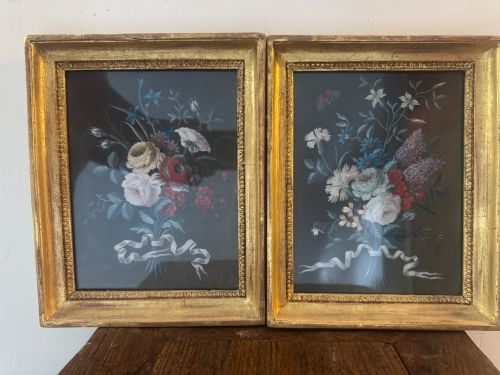
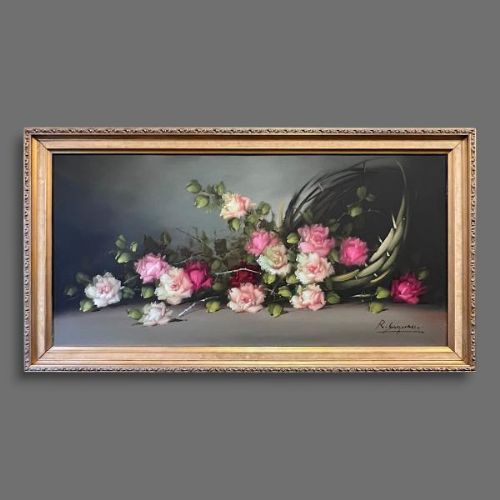
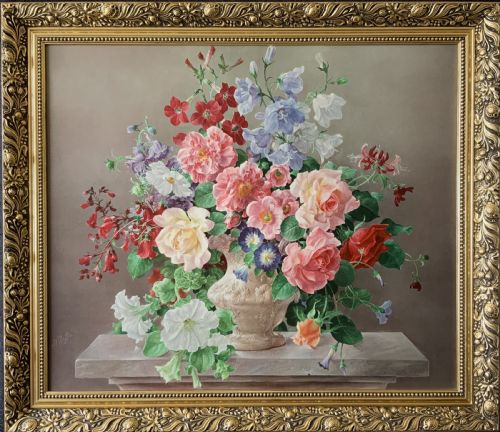
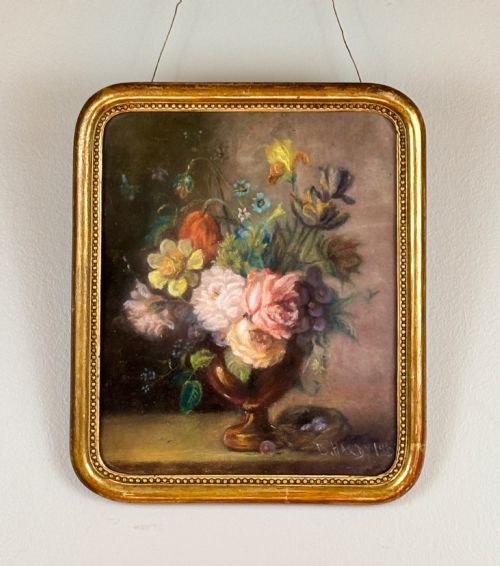
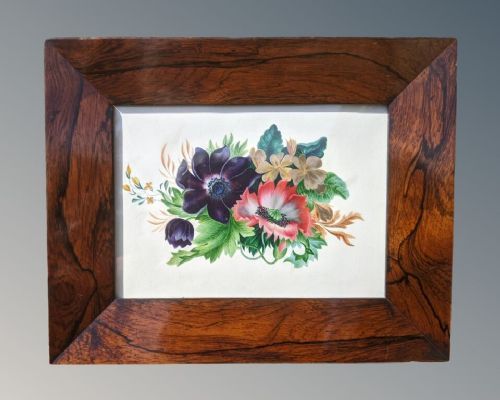
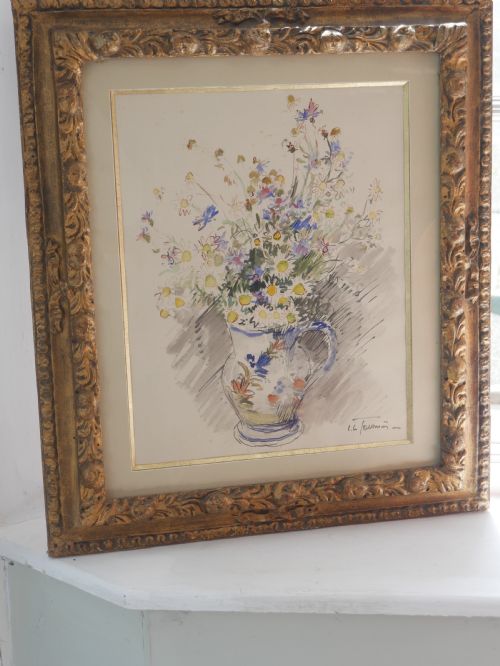
The prevalent iterations on this page range from intimate early nineteenth-century pastels and watercolours to mid-century impressionist oil paintings of floral displays in jugs, vases, and wicker baskets.
How they were made
Artists employed oil paint on canvas or board to build rich textures and deep colour, while others utilised watercolour, gouache, pastel, or tempera on paper and silk for translucent botanical precision.
Swallows and gold lockets make an unexpected appearance alongside botanical blooms.
What varies in quality
The strength of a vintage flower picture relies upon the artist's handling of light, brushwork fluidity, and compositional balance within the vase or garden setting.
Materials and framing also dictate distinction, where original oil paint on canvas paired with period gilt gesso frames commands greater visual weight than later oleograph prints or pieces requiring new glass and modern restorations.
Anton Weiss·Harold Clayton·D Hardy·Catherine Thomas·James Tower·Harry Wanless·Amile Coppieters·Lilian Stannard·Robin MacKertich·Stuart Armfield·Margaret Laing·Phyllis I Hibbert·Marian Chase·Henry Schouten·Jennifer Toombs·Charlotte Isa James·Alice Macallan Swan·Emily Selinger·William Thomas Wood·Ernest Higgins Rigg·William H Barnes
The Vintage Flower Picture Glossary
- Gouache
- An opaque water-based paint that dries to a matte finish, allowing for vibrant botanical illustrations. It provides heavier coverage than traditional watercolour.
- Oleograph
- A mechanical colour print on canvas designed to simulate an oil painting. These reproduction prints often mimic the textured surface of genuine brushwork.
- Gesso
- A plaster-like mixture applied to wooden frames as a base for moulding and gilding. It creates the raised decorative relief seen on period frames.
- Tempera
- A permanent, fast-drying painting medium consisting of coloured pigment mixed with a water-soluble binder such as egg yolk. It produces a durable, flat finish.
- Trompe l'oeil
- An art technique that uses realistic imagery to create the optical illusion that the depicted objects exist in three dimensions. It frequently appears in classical still life painting.
Vintage Flower Picture: Frequently Asked Questions
What is a vintage flower picture?
It is a piece of wall art depicting botanical subjects, created across various historical periods using mediums such as oil, watercolour, and gouache.
These works capture floral displays, garden landscapes, and still life arrangements within original frames.
How were these floral paintings displayed?
Historically, these artworks hung in domestic interiors, parlours, and drawing rooms within decorative giltwood or gesso frames.
They served as vibrant focal points, bringing natural garden scenes into interior spaces.
How do I care for a painted floral artwork?
Keep the piece away from direct sunlight to prevent watercolour and oil pigments from fading over time.
Maintain stable room temperatures and gently dust the wooden and gesso frames with a dry cloth.
How can I tell the period of a painting?
Examine the framing materials, the backing boards, and the specific painting medium used, such as nineteenth-century watercolours versus mid-century tempera.
Signatures, artist dates, and stylistic movements like impressionism also help determine the era.