


Vintage Florentine Lighting
Vintage florentine lighting brings ornate Italian illumination into a room, combining carved giltwood and crystal with centuries of decorative tradition.
Vintage Florentine Lighting
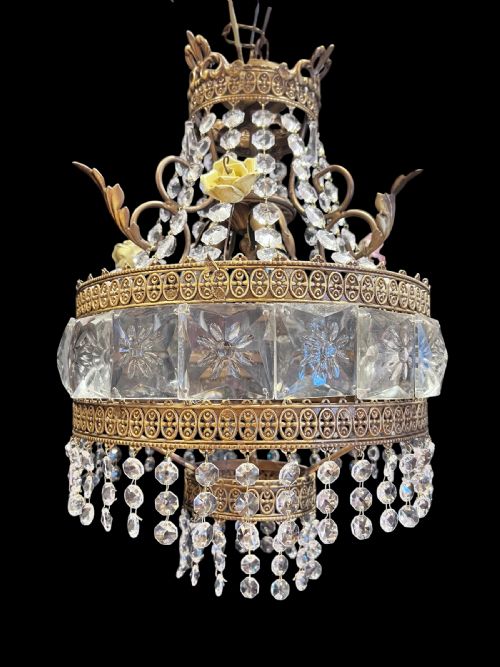
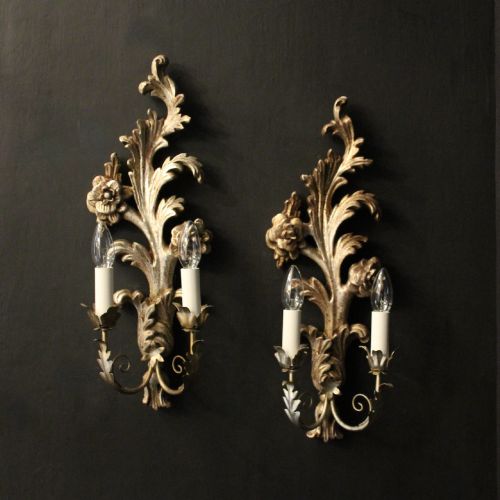
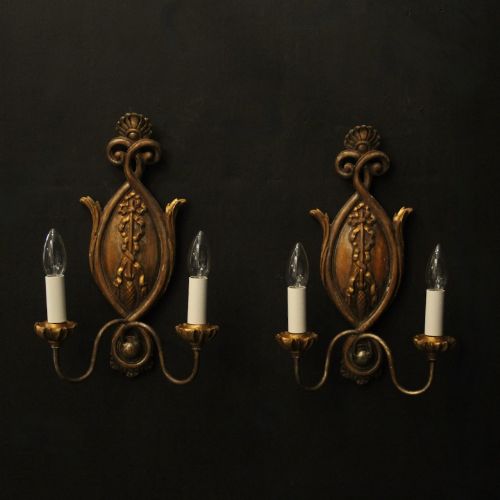
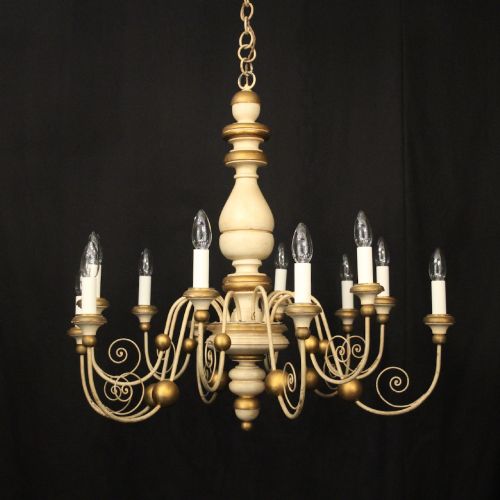
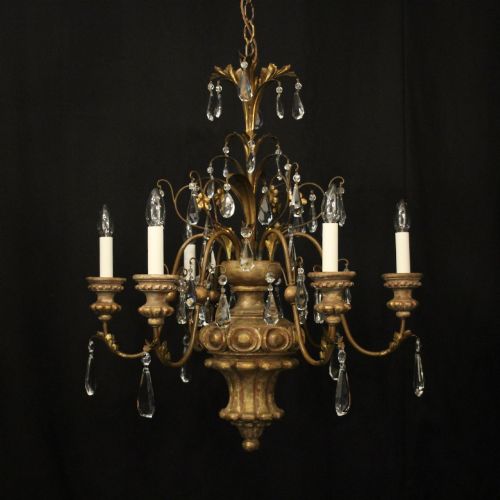
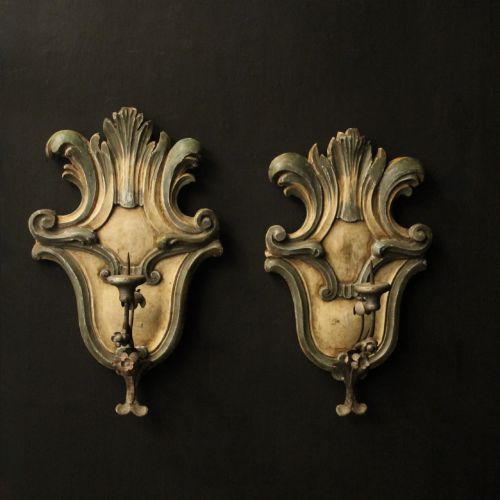
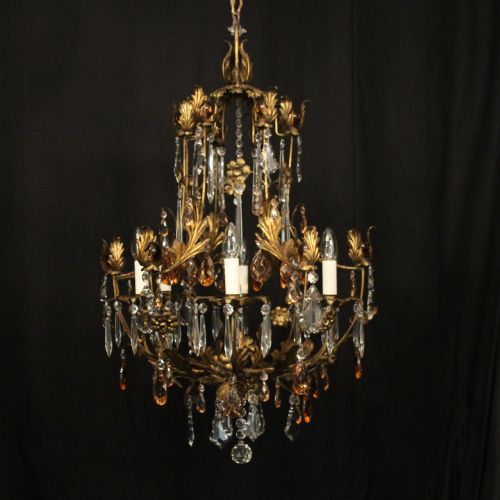
When you search for vintage florentine lighting, you encounter ornate chandeliers, wall sconces, girandoles, and standard lamps originating from Italy. These fixtures draw upon Florentine, Baroque, and Rococo styles, bringing dramatic form and intricate detail to interior spaces.
The pieces you meet most often on this page date from the early decades of the twentieth century, particularly the 1920s and 1930s, alongside examples from the nineteenth century. They span multi-light chandeliers with numerous arms to paired wall lights and tall floor lamps.
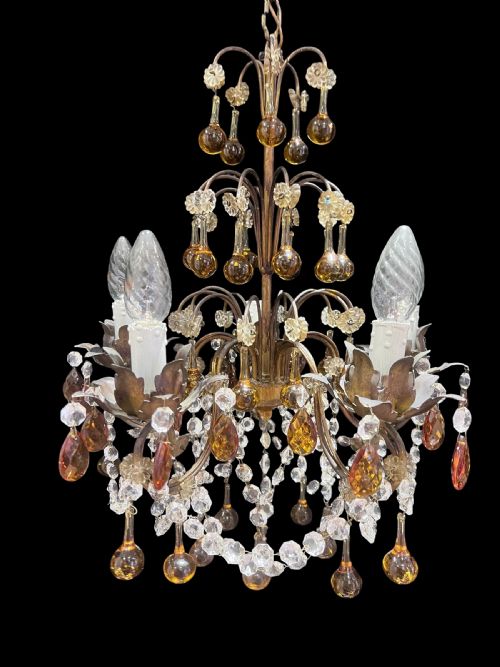
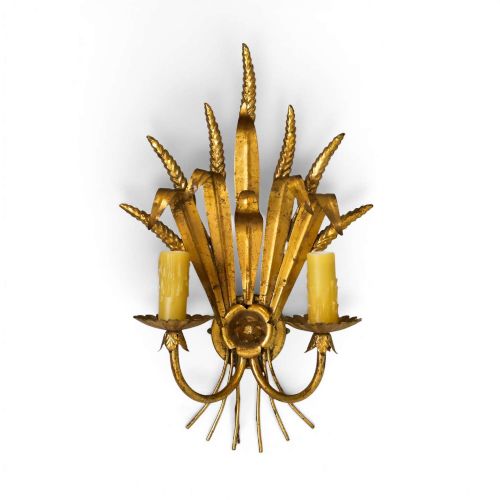
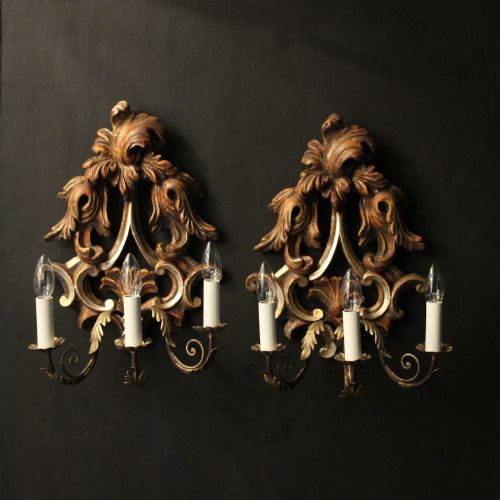
Many of these designs incorporate floral motifs, leafy carvings, and polychrome finishes alongside traditional giltwood. A buyer finds both simple single-arm sconces and large twelve-light double-tiered chandeliers among the selections.
How they were made
Artisans constructed these lighting fixtures primarily from wood, gesso, and metal, shaping carved components by hand. Giltwood and silver giltwood surfaces received thin layers of metal leaf over prepared grounds, creating a luminous metallic sheen.
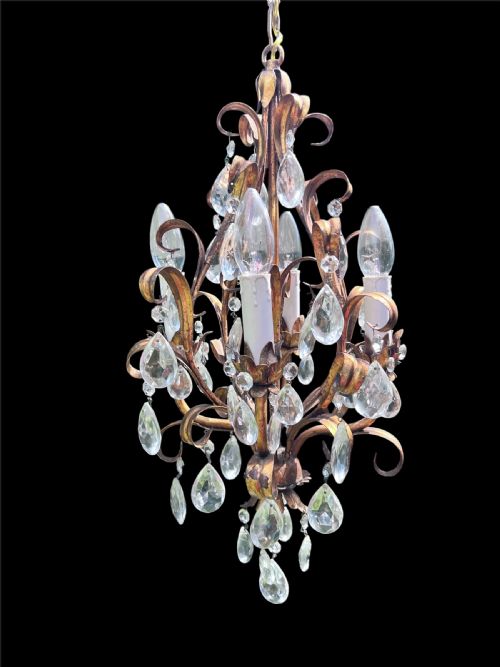
Many pieces integrate glass and crystal elements, sometimes including coloured fruits, crystals, or porcelain flowers attached to the metal or wooden framework. Polychrome painted details often complement the gilding, adding depth to the carved floral and leafy motifs.
The listings here feature pieces spanning the eighteenth century through to the mid-twentieth century, with a strong concentration of 1920s and 1930s Florentine production.
What varies in quality
The distinction between tiers of quality rests upon the depth and crispness of the carving in the wood and gesso. Finer pieces display sharply defined acanthus leaves, delicate floral elements, and harmonious proportions across multiple arms.
The application of the gilt finish also determines the visual character of the fixture, with superior examples showing subtle burnishing and rich texture. The integration of quality crystal drops, coloured fruits, and porcelain flowers elevates the overall presence of a chandelier or wall light.
The Vintage Florentine Lighting Glossary
- Giltwood
- Wood that has been coated with gold leaf or a metallic substitute. This technique provides a durable and reflective surface characteristic of Florentine pieces.
- Girandole
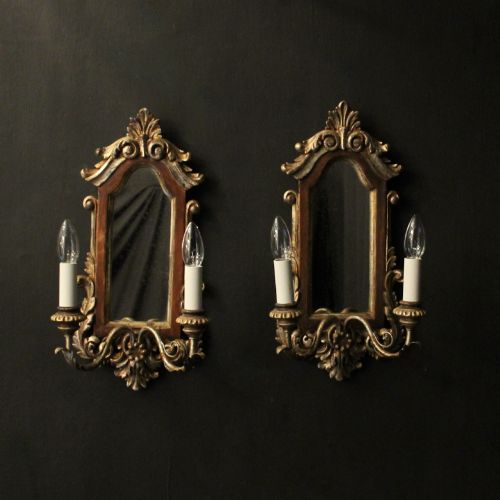
- An ornamental branched wall light or sconce that incorporates a mirror. The reflective backing helps to amplify the illumination from candles or bulbs.
- Polychrome
- Decorated in several colours. This finish appears frequently on Italian lighting to highlight carved floral and wooden details.
- Pricket
- A sharp metal spike on a candlestick or sconce designed to hold a candle in place. Early ecclesiastical and domestic lighting often utilised this method.
- Sconce
- A wall-mounted lighting fixture designed to hold multiple candles or electric bulbs. These typically project outwards on decorated arms.
Vintage Florentine Lighting: Frequently Asked Questions
How do I wire an antique chandelier?
Most vintage Italian fixtures require modern rewiring to meet safety standards. A qualified electrician can adapt the internal channels to take contemporary lamp holders while preserving the original metal or wooden arms.
Careful handling is necessary during this process, particularly around fragile elements like crystal drops, porcelain flowers, and delicate giltwood carvings that may have aged over the decades.
What is the difference between a sconce and a girandole?
A wall sconce is a bracket fixture attached to a wall to hold lights, whereas a girandole specifically includes a mirror plate behind the candles or lamps. The reflective glass of a girandole serves to multiply the ambient light within the room.
Both forms appear frequently in Florentine lighting, often featuring carved giltwood arms and intricate leafy details that match larger central chandeliers from the same period.
How do I clean giltwood lighting?
Giltwood surfaces require gentle dusting with a dry, soft brush or microfiber cloth to remove everyday particles. Liquid cleaners and abrasive materials must be avoided, as they can strip the delicate gold leaf or damage the underlying gesso.
Crystal and glass components can be carefully wiped down with a mild solution if detached, but the surrounding carved wood should be kept dry to preserve the antique finish.
Are these lights original to the nineteenth century?
Dating depends on the specific construction methods, materials, and stylistic cues present in each piece. While some examples originate from the nineteenth century or earlier, a significant portion of Florentine lighting dates from the 1910s, 1920s, and 1930s, reflecting a strong revival of historic Italian styles.
Examining the wear on the gilt surfaces, the type of internal wiring channels, and the fastening methods helps distinguish between older artisan-made pieces and later twentieth-century interpretations.