
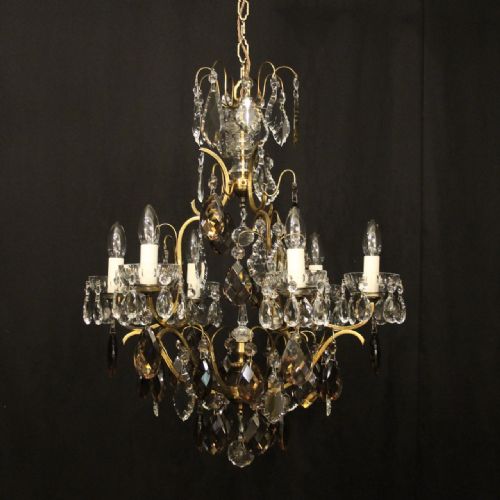


Classic Crystal Pendant
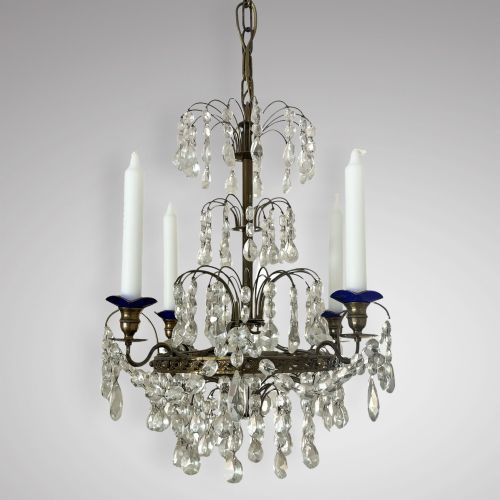
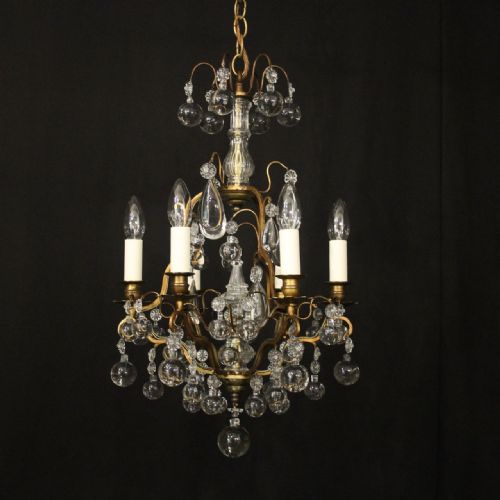
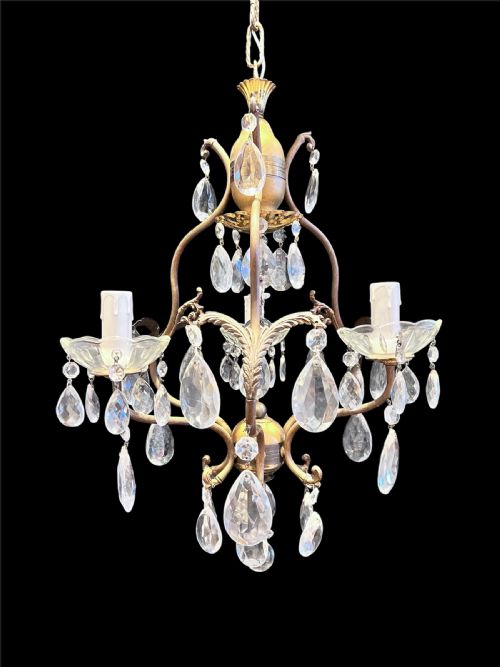
These classic crystal pendant fixtures bring nineteenth and twentieth-century French and Italian lighting directly to a room, offering genuine sparkle and historical weight.
Classic Crystal Pendant
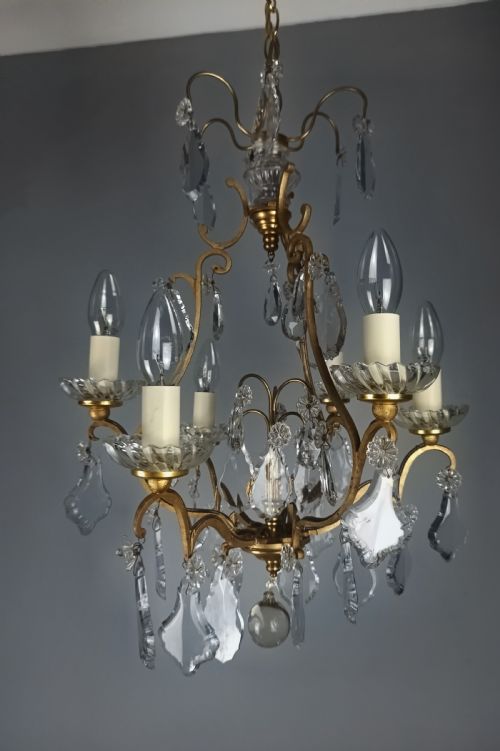
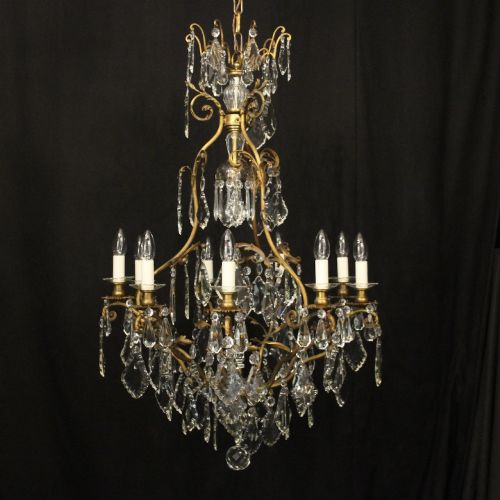
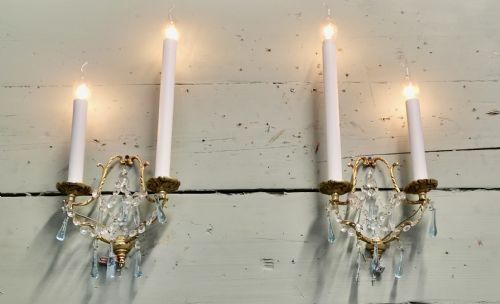
A classic crystal pendant search uncovers hanging ceiling lights, wall sconces, and chandeliers originating from periods spanning the eighteenth century through the mid twentieth century. Buyers encounter forms ranging from compact single-light drops to expansive twelve-light fixtures.
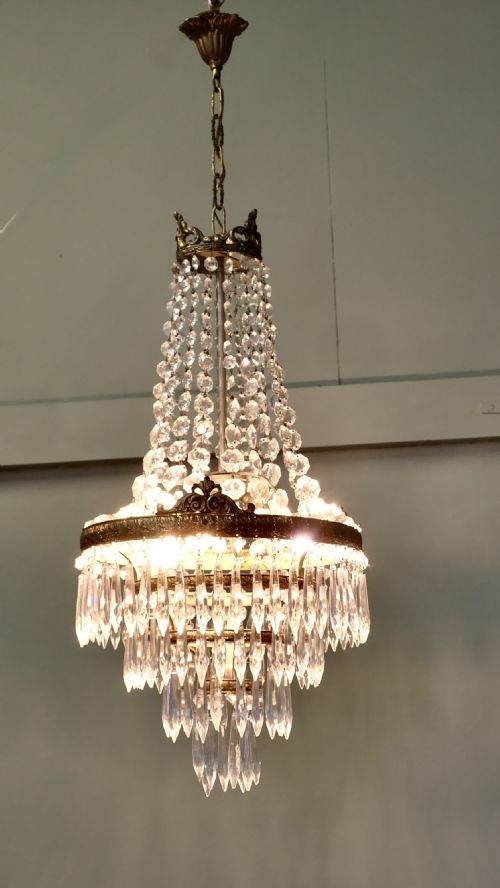
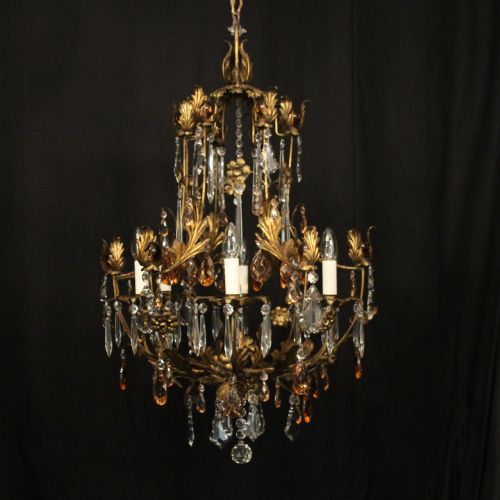
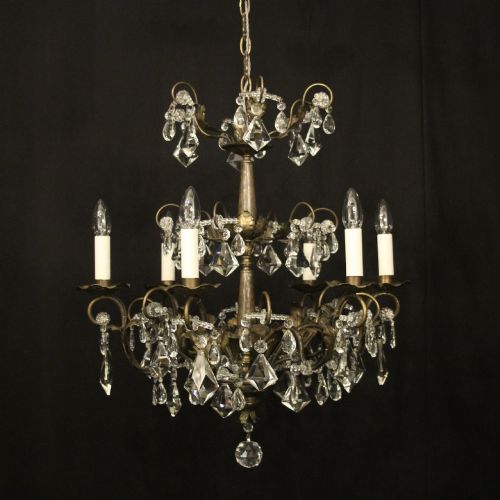
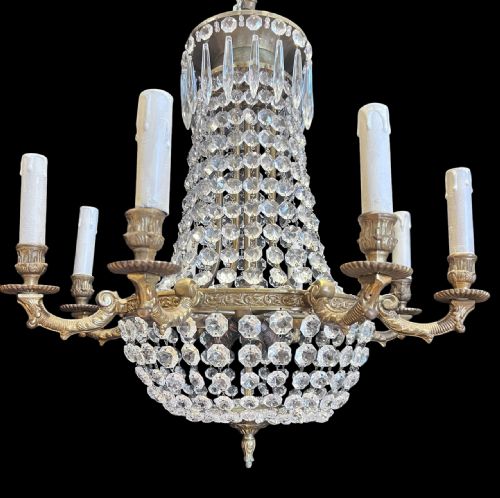
The selections on this page lean heavily toward French and Italian aesthetic traditions, including Marie Theresa, Empire, and Rococo styles. Brass, gilt metal, and bronze frames support cut glass and crystal components across multiple tiers.
While the search term specifies pendants, the listings predominantly feature larger multi-arm chandeliers and wall-mounted lighting alongside occasional smaller forms. These pieces suit high ceilings and traditional interiors demanding historical illumination.
Materials and Construction Techniques
Glass elements combine moulded crystal glass and hand-cut facets configured into bead strings, tent shapes, and waterfall drops. Metal pins and wire link the individual pieces of glass to the primary framework.
The listings on this page span the eighteenth century to the twentieth century, uniting French, Italian, Swedish, and English production.
Factors Determining Quality
The calibre of metal casting and the precision of glass cutting dictate the standard of a fixture. Heavier bronze frames and deeply faceted crystal produce superior light refraction and physical durability compared to lighter pressed glass and stamped brass.
Design complexity and structural completeness distinguish standard examples from exceptional ones. Elaborate multi-tiered configurations with integrated bronze mounts and matching drops represent the upper tier of manufacture.
The Classic Crystal Pendant Glossary
- Marie Theresa
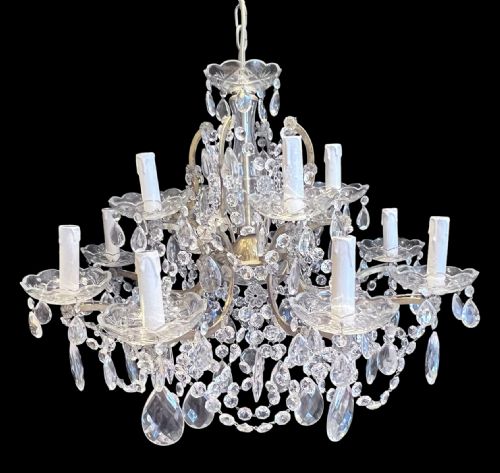
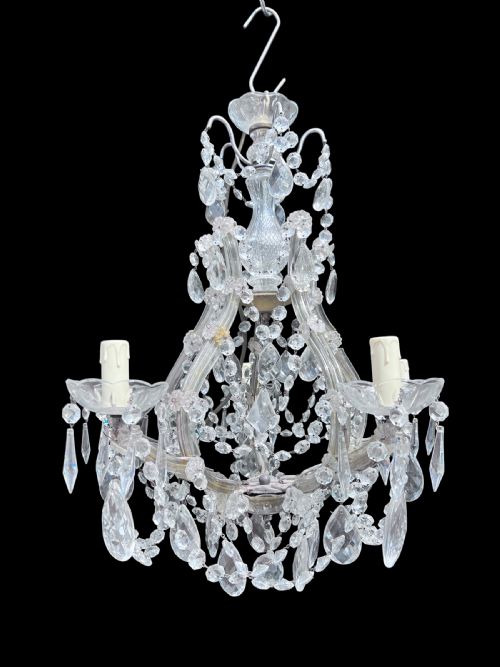
- A flat-arm chandelier style characterised by metal straps completely covered in glass plates and rosettes. This form frequently incorporates polychrome elements and numerous crystal drops.
- Empire style
- A neoclassical design vocabulary drawing from Roman and Greek motifs, often rendered in gilt metal with symmetrical tent and waterfall crystal configurations.
- Cut glass
- Glass shaped by grinding and polishing facets into the surface to enhance light reflection. It differs from moulded glass by its sharp edges and distinct optical clarity.
- Gilt metal
- Base metal treated with a thin layer of gold leaf or gilt paint to simulate solid gold. This finish provides the characteristic metallic warmth seen on many French and Italian frames.
Classic Crystal Pendant: Frequently Asked Questions
How do I clean a crystal chandelier?
Maintenance involves wiping individual crystal drops with a diluted alcohol and water solution while they remain attached to the frame. Using a soft cloth prevents scratching the glass surface.
Power must be switched off before cleaning begins. Placing a towel underneath catches any drips and protects the floor below.
What ceiling height do I need?
Most multi-tier chandeliers require generous vertical clearance to hang properly without obstructing movement. Rooms with standard modern ceiling heights often accommodate smaller single-light versions or wall sconces better.
Measuring the drop length against the floor-to-ceiling dimension ensures proper spatial proportion. Clearance beneath the fixture must remain practical for everyday passage.
How do I identify a Marie Theresa style?
Marie Theresa fixtures feature metal framework completely obscured by flat glass strips and decorative rosettes. Crystal drops hang in dense fringes from the arms and central crown.
Originating in Central Europe and popular in Italy, these pieces showcase extensive use of wired crystal garlands. The overall profile appears flat-armed rather than rounded.
Can I install these with modern wiring?
Antique fixtures typically require rewiring to meet contemporary electrical standards before installation in a home. Professional electricians can adapt the internal sockets while preserving the historical exterior metalwork.
Checking the lamp holders ensures they accept standard modern bulbs safely. This step secures safe operation without altering the visible appearance of the piece.