


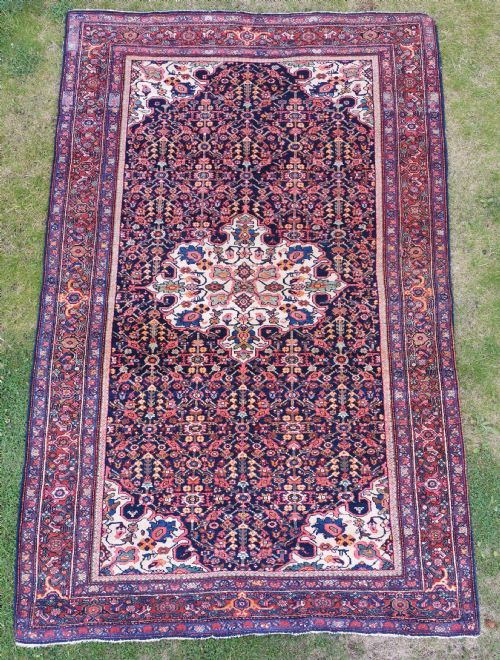
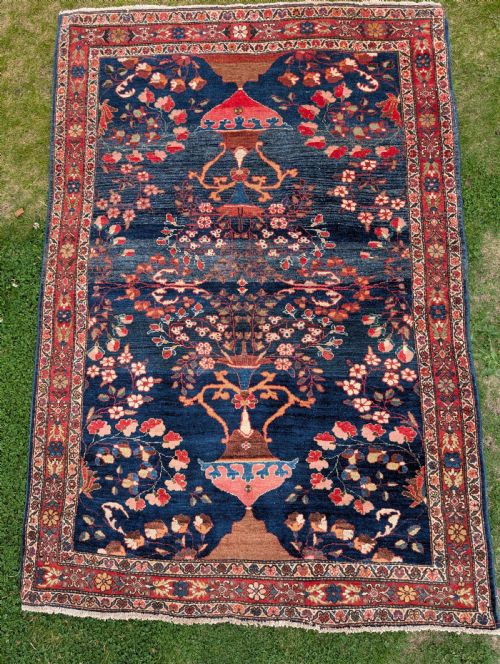
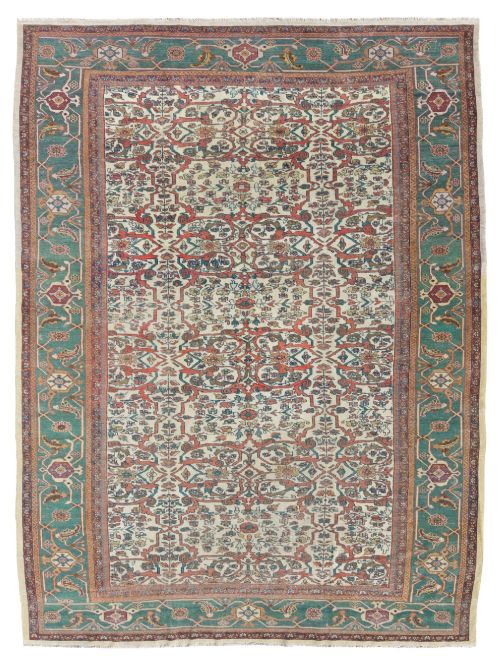
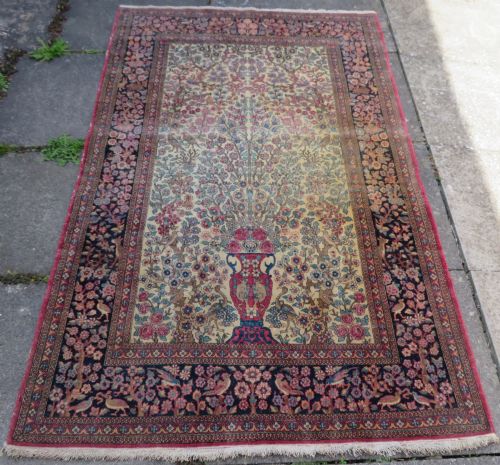
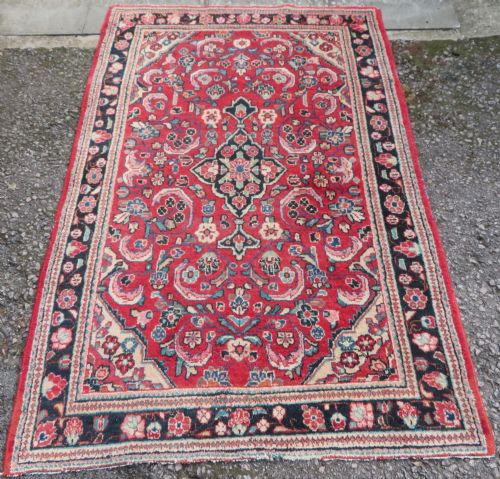

Vintage Floral Wool Carpet
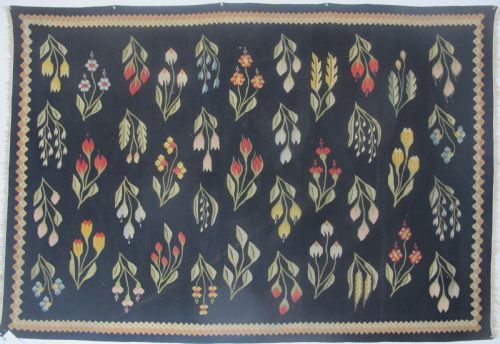
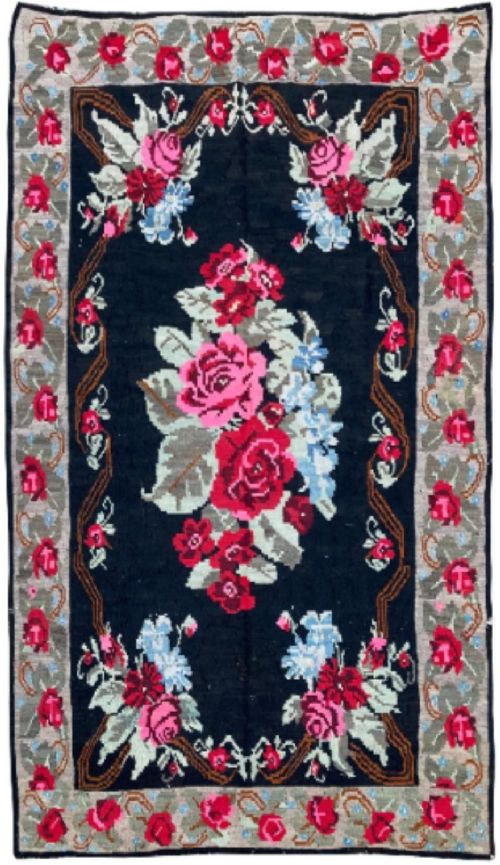
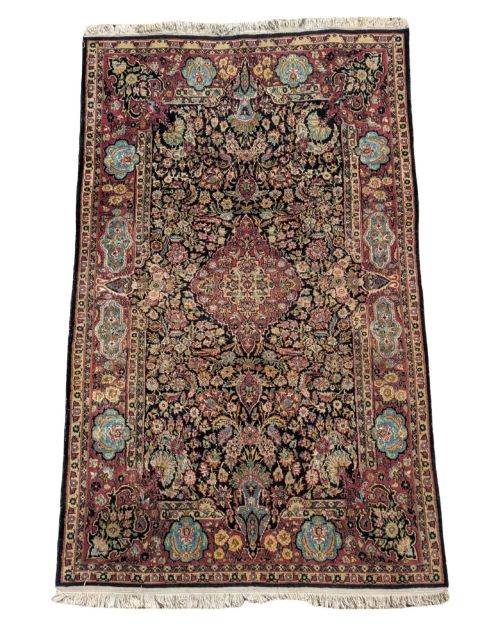
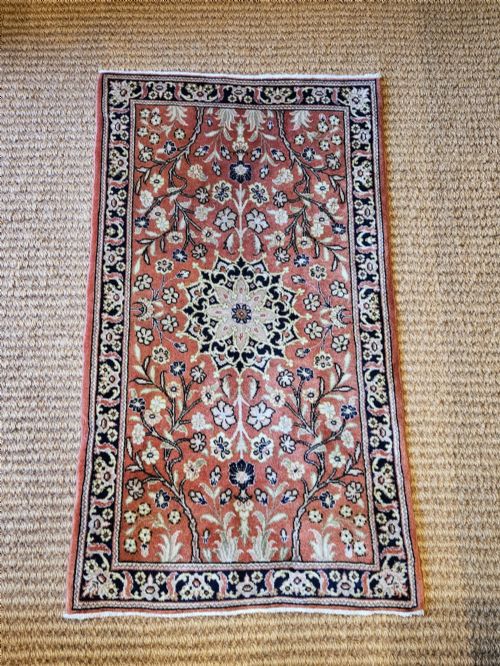
These vintage floral wool carpet examples bring traditional Persian, Caucasian, and European folk styles into domestic spaces with durable hand-knotted constructions.
Vintage Floral Wool Carpet
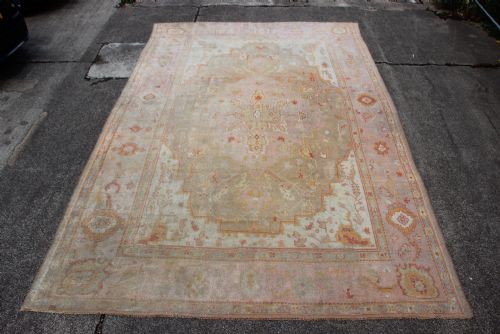
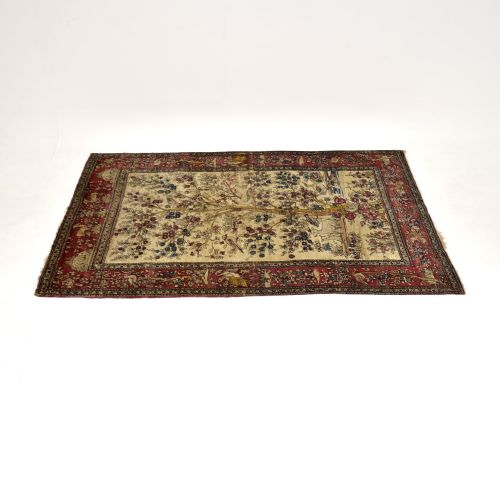
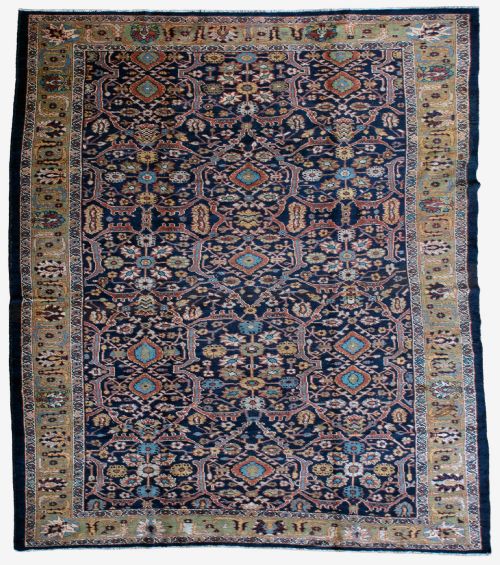
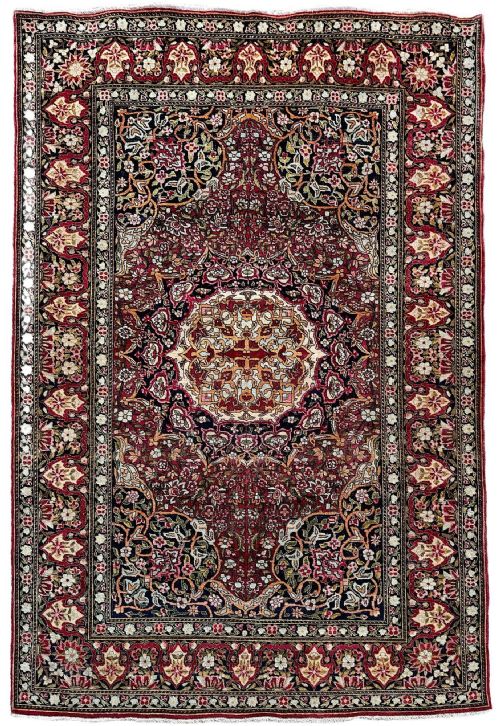
The vintage floral wool carpet designation covers large room-size floor coverings, hearth-sized mats, and long runners originating from Persia, the Caucasus, and Eastern Europe. These woven pieces span periods from the mid-nineteenth century through the 1940s, showcasing traditional floral motifs and geometric lattices.
Buyers most frequently encounter room-size carpets and smaller area rugs bearing floral sprays, tree of life designs, and medallion patterns. These textiles served functional purposes in country houses and urban reception rooms, utilising time-honoured weaving traditions passed down through generations of artisans.
Materials and construction
The primary material is wool, frequently paired with cotton foundations and occasional silk highlights to add definition to intricate floral patterns. These textiles employ sturdy hand-knotted pile techniques on upright looms, utilising resilient animal fibres that withstand decades of foot traffic.
Weavers incorporated vegetable and natural dyes into wool and cotton yarns, creating rich colour palettes that age gracefully over time. Canvas backings and kilim flatweave finishes appear on specific regional pieces, adding structural stability to the edges.
Country house carpets often retain stray tufts of sheep's wool tucked deep inside the foundation knots, proving past encounters with rural pastures.
Evaluating the standard
Knot density and the precision of the floral drawing set individual pieces apart, reflecting the skill of the original workshop. Finer knots permit more intricate curves in botanical motifs, whereas coarser weaves produce bolder, more stylised interpretations.
The integrity of the wool pile and the balance of the natural dye palette determine the overall visual harmony. Pieces retaining deep pile and stable foundations show greater resilience against daily wear.
The Vintage Floral Wool Carpet Glossary
- Pile
- The upright yarn loops that form the tactile surface of a carpet. This layer absorbs the friction of daily use.
- Kilim
- A flatweave textile lacking a pile, often utilised for the ends of carpets or produced as a standalone rug. These flat surfaces offer crisp geometric definition.
- Medallion
- A central ornamental motif positioned in the middle of the field. This focal point structures the surrounding floral designs.
- Warp
- The stationary vertical threads stretched onto a loom before weaving begins. These parallel strands form the structural backbone of the textile.
- Weft
- The horizontal threads passed alternately over and under the warp threads to lock the knots in place. This technique secures the wool pile firmly within the foundation.
Vintage Floral Wool Carpet: Frequently Asked Questions
How do I clean an old carpet?
Gentle surface brushing and professional specialist washing help preserve fragile wool fibres and natural dyes. Avoid harsh chemical detergents that strip natural oils from the wool.
Regular rotation prevents uneven fading and balances wear across high-traffic areas. Professional assessment ensures appropriate care methods for older foundations.
Can I place these rugs in hallways?
Long runner formats suit corridors and staircases where foot traffic demands durable wool construction. Placing a quality underlay beneath the rug prevents slipping and reduces friction against hard floors.
Heavy traffic areas benefit from regular rotation to distribute wear evenly. Selecting appropriately sized runners protects hallway floors while adding warmth.
How are different regional styles identified?
Regional characteristics appear in the specific floral motifs, knotting density, and palette choices unique to Persian, Caucasian, or European workshops. Analysing border designs and central medallions reveals the distinct geographical origin.
Weaving structures and foundation materials further clarify where a piece was made. Reference guides and comparative examples assist in distinguishing regional signatures.
What underlay should I use?
A breathable mesh underlay keeps the rug securely in place on hardwood or stone floors. This layer prevents buckling and reduces fibre abrasion.
Choosing a cushion pad protects the cotton foundation from direct impact against hard surfaces. Proper support extends the functional lifespan of older textiles.