




Vintage Floral Wall Mirror
A vintage floral wall mirror brings organic carved detail and reflected light into a room, spanning styles from Art Nouveau to French Rococo.
Vintage Floral Wall Mirror
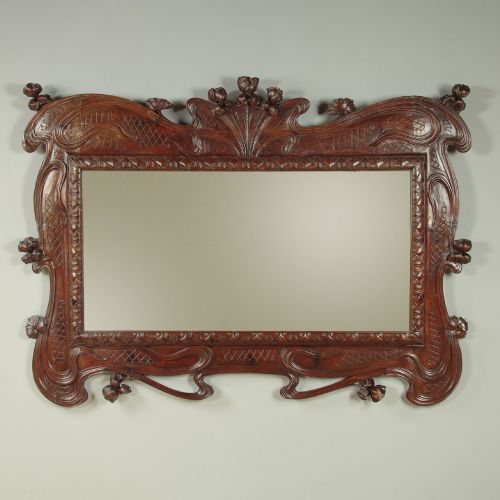
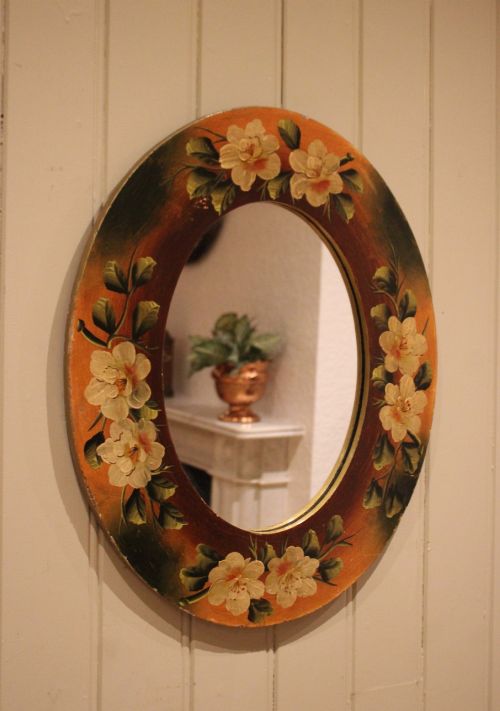
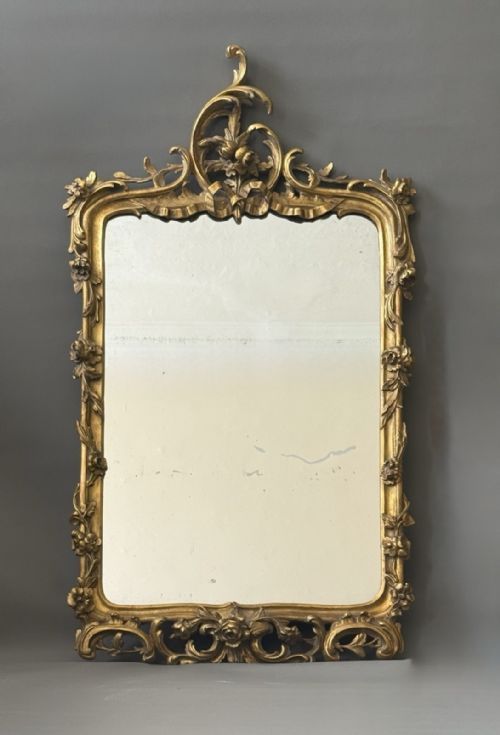
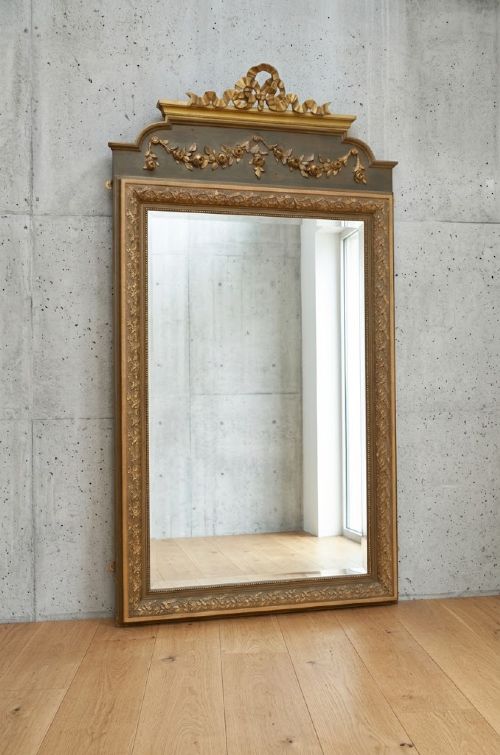
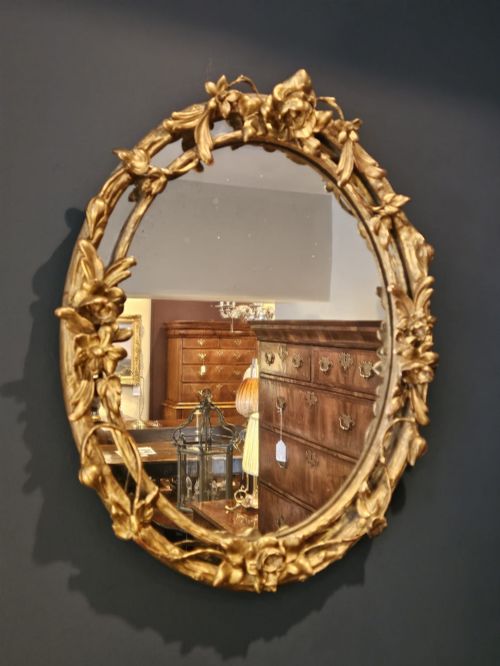
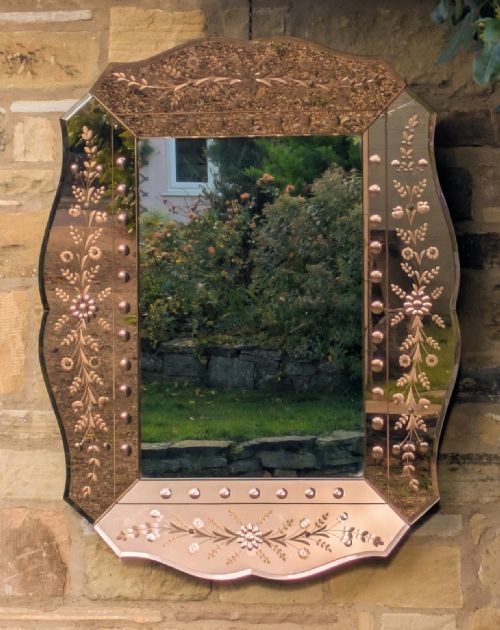
When you search for a vintage floral wall mirror, you encounter pieces shaped by hands across the eighteenth, nineteenth, and early twentieth centuries. The selection ranges from carved giltwood frames to painted wooden ovals carrying floral motifs.
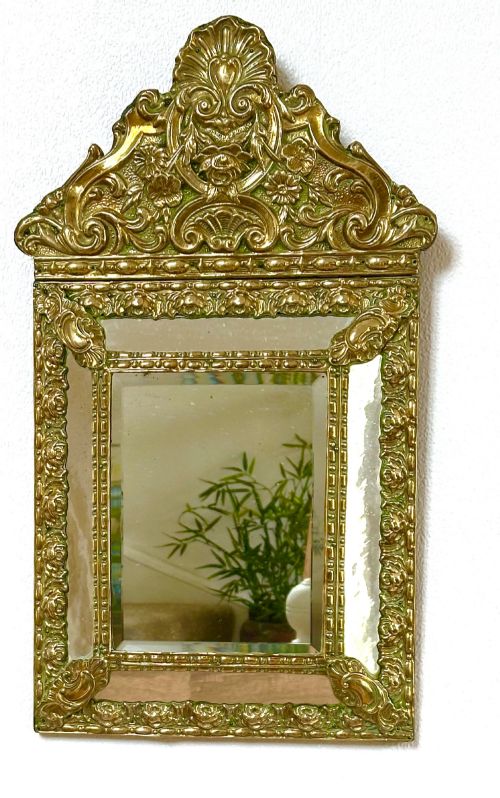
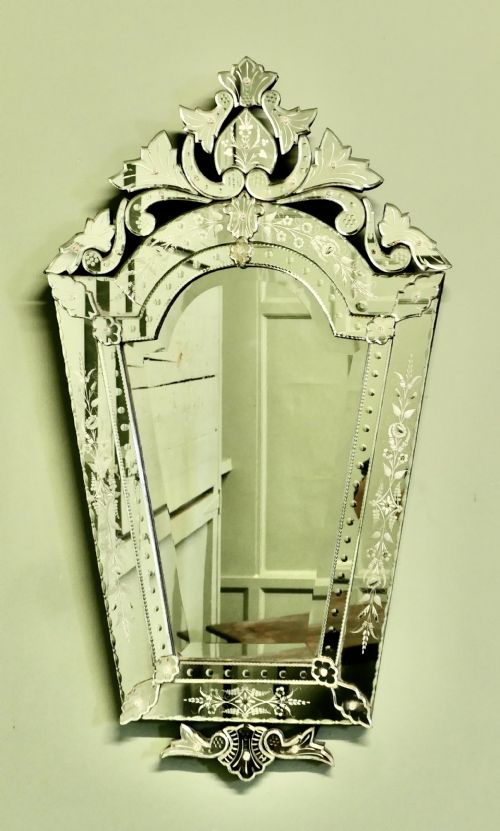
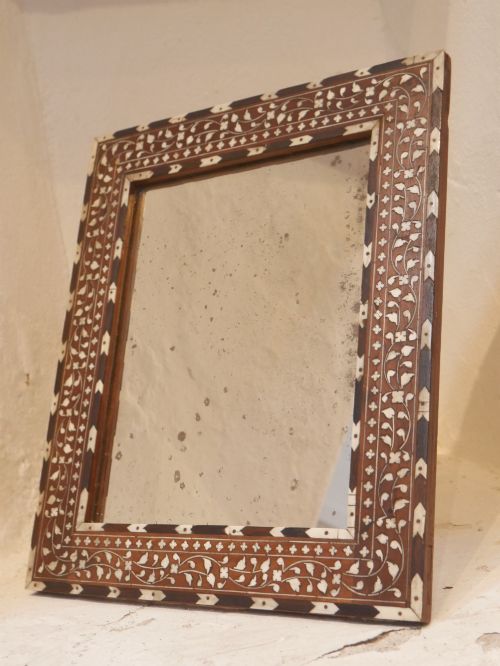
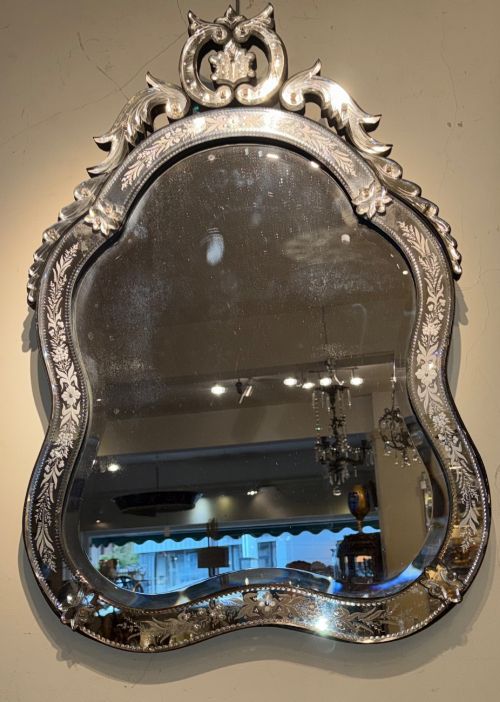
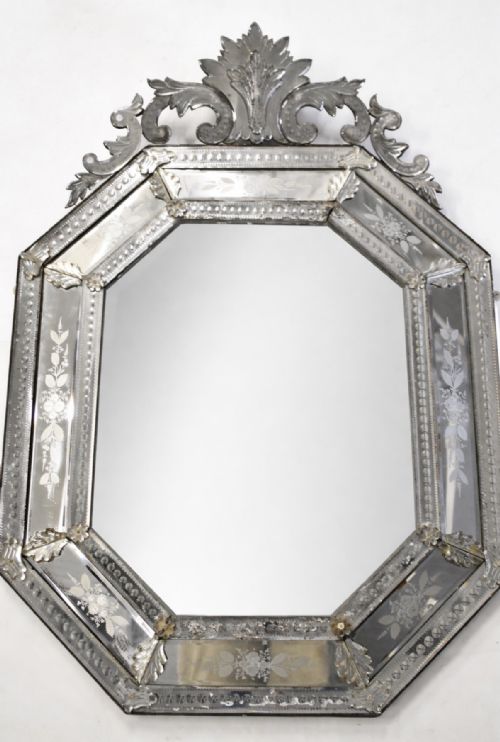
The most frequent versions on this page are Venetian glass pieces and French mirrors displaying carved roses, ribbons, and foliage. You also find regional items such as Anglo-Indian brass inlaid frames and Barbola gesso wall mirrors from the nineteen-thirties.
Objects take the form of wall mirrors, pier glasses, and picture frames adapted to hold glass plates. These varied origins mean you might select a cushion mirror from nineteenth century Italy or a painted silk mirror from nineteen hundred.
Materials and construction
Makers shaped these frames from timber such as walnut, beech, pine, and giltwood, applying gesso to build up raised floral ornamentation. Gilding with gold leaf or painting with olive green and floral pigments finished the wooden surfaces.
Mirror glass plates, sometimes antique or foxed with age, were set into carved frames or held by brass and silver borders. Artisans utilised hand carving, etching, and inlay techniques, seen particularly in North Indian brass inlaid woodwork and Venetian glass assemblies.
Some nineteenth century mirrors carry painted silk behind the glass, proving that domestic vanity once required a soft botanical backdrop.
Craft and character
Quality rests in the depth and crispness of the hand-carved floral elements, whether rendered in wood, gesso, or porcelain. Fine examples maintain the integrity of their original gilding and painted details without heavy modern intervention.
The character of the glass plate itself defines the upper tier of pieces, where original antique plates show natural foxing and bevel edges that match the age of the frame.
The Vintage Floral Wall Mirror Glossary
- Giltwood
- Wood carved and coated with gold leaf or gilt powder. This surface finish reflects light warmly beside floral carvings.
- Gesso
- A plaster mix applied to wood frames and moulded into relief patterns. It forms the base for intricate floral crests and borders.
- Foxing
- Age spots and dark patches appearing within the silvered backing of old mirror glass. Collectors value this natural sign of antiquity.
- Pier glass
- A tall mirror designed to hang on the wall between windows. These pieces often feature hand-painted floral decoration and lower consoles.
- Cushion mirror
- A frame with a convex profile where mirrored glass panels are angled towards the centre. Venetian workshops produced these impressive wall pieces.
Vintage Floral Wall Mirror: Frequently Asked Questions
How do I date a floral mirror?
Dating relies on examining the construction methods of the wooden frame, the composition of the gesso, and the backboards. Stylistic clues like Art Nouveau whiplash lines or Rococo asymmetry also point to specific decades.
Inspect the mirror plate itself for bevels and foxing. Older plates show uneven thickness and natural oxidation that modern replacements lack.
Where should I hang these mirrors?
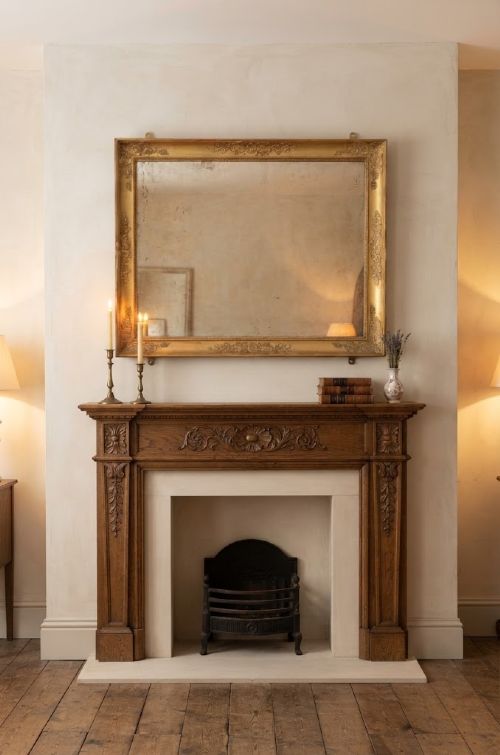
These pieces suit positions above mantelpieces, dressing tables, or console entries where they draw natural light into the space. Ensure the wall anchors support the weight of heavy giltwood or glass frames.
Keep them away from direct moisture in bathrooms to protect the gesso, paintwork, and silvered glass backing from deterioration.
Are original glass plates important?
Original plates with characteristic foxing and distortion preserve the authenticity and historic value of the piece. They offer a softer, dimmer reflection than modern float glass.
Replaced glass appears clean and bright, which alters the visual balance against an antique carved and painted frame.
How do I clean an antique frame?
Dust gently with a soft, dry brush to remove particles from delicate gesso and wood carvings without disturbing the finish. Avoid commercial chemical sprays that strip gilt and paint.
Clean the glass plate sparingly using a cloth dampened slightly with water or a mild glass cleaner, taking care not to let liquid seep behind the frame edges.