


Gilded Walnut Pier Mirror
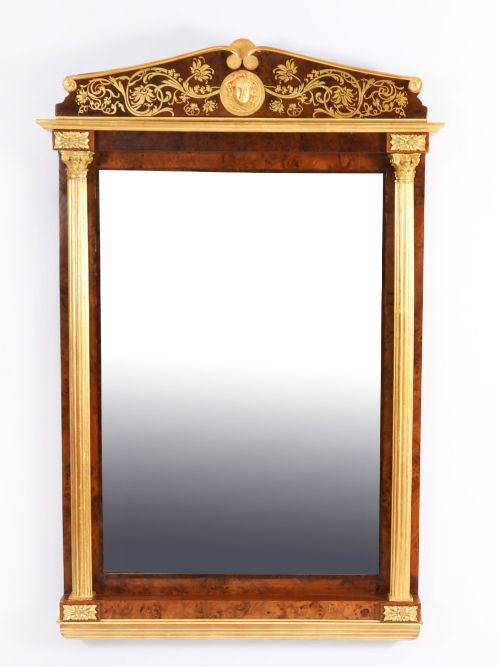
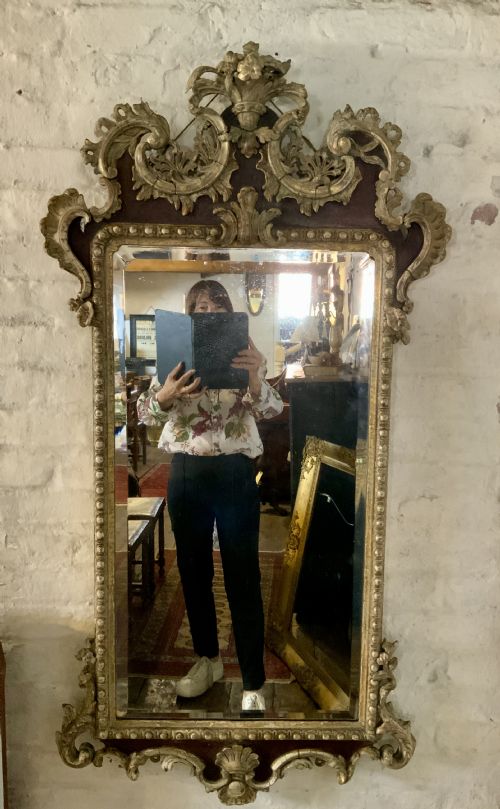
A gilded walnut pier mirror brings warmth and reflective depth to a room, prized for its figured grain and lustrous metallic accents.
Gilded Walnut Pier Mirror
When you search for a gilded walnut pier mirror, you are looking at wall-hanging and floor-standing looking glasses that combine rich timber with bright gilding. These pieces bridge the gap between architectural fittings and decorative furnishings, designed to sit between windows or above mantelpieces.
The versions you are most likely to meet on this page span the eighteenth, nineteenth, and early twentieth centuries. Eighteenth-century pieces bring period authenticity in George I and George II styles, while later nineteenth-century revivals and early twentieth-century interpretations offer similar decorative presence.
Most examples take the form of wall mirrors with architectural frames, fretwork outlines, or parcel gilt highlights. You will also encounter pieces incorporating inset hand-painted panels or combined mahogany and walnut construction.
How they were made
Cabinetmakers constructed the primary framework using walnut, selected for its decorative grain and stability, sometimes incorporating mahogany in later interpretations. Artisans then applied thin layers of gold leaf or giltwood highlights to carved details, fretwork, and mouldings.
Glass production evolved across the periods represented here, resulting in mirrors ranging from early Vauxhall plates with bevelled edges to original mid-eighteenth-century glass and later replacements. Secondary treatments included oil paint applied to inset panels and precise fretwork sawing for silhouette frames.
What varies in quality
The distinction between standard and superior pieces rests on the depth of carving and the crispness of the fretwork outline. Finer mirrors display masterly hand-carved gesso work where the gilding catches the light cleanly against the figured walnut ground.
Originality of components dictates the standing of a piece within its period. Mirrors retaining their original glass plates, parcel gilt accents, and untouched timber surfaces hold greater integrity than those with extensive restorations or later surface coatings.
The Gilded Walnut Pier Mirror Glossary
- Pier mirror
- A tall looking glass designed specifically to hang on the narrow wall space between two windows. These pieces often reflected additional light into dark historic rooms.
- Parcel gilt
- A decoration method where only specific carved details, edges, or motifs are highlighted with gold leaf while the surrounding walnut grain remains visible. This technique creates a balanced contrast between the warm timber and bright metal.
- Fretwork
- Thin wood panels cut through with intricate geometric or organic scroll patterns using a fretsaw. It defines the flat silhouetted crests and borders found on many eighteenth-century and revival wall mirrors.
- Vauxhall mirror
- A historic term for high-quality mirror glass featuring characteristic bevelled edges produced in early English glassworks. These plates often show subtle ageing marks and distortions that confirm their age.
- Giltwood
- Timber carved and prepared with layers of gesso and bole before applying fine gold leaf. It provides a durable, brilliant metallic finish that defines the ornate frames of Georgian and revival looking glasses.
Gilded Walnut Pier Mirror: Frequently Asked Questions
Where should I hang a pier mirror?
These mirrors work best in reception rooms, hallways, or above low sideboards where their vertical proportions can be appreciated. Historically placed between windows to maximise natural light, they suit similar positions in modern interiors.
Ensure the wall construction can support the weight of a solid timber and glass frame, particularly for larger nineteenth and twentieth-century examples.
How do I care for antique glass?
Clean the mirror glass sparingly using a soft, dry microfibre cloth to remove dust without disturbing the edges. Avoid spraying liquid cleaner directly onto the glass, as moisture can seep behind the plate and damage the historic silvering.
Protect the surrounding walnut frame and giltwood details from direct sunlight and excessive humidity to prevent the timber from warping or the gold leaf from flaking.
What is parcel gilt?
Parcel gilt is a decorative technique where gold leaf is applied selectively to raised carvings, mouldings, or specific motifs while leaving the surrounding walnut timber exposed. This creates a striking contrast between the dark figured wood and the bright metallic highlights.
You will frequently see this combination on eighteenth-century wall mirrors and later Victorian revivals.
How can I tell a revival piece from an 18th-century original?
Examine the construction methods, timber choice, and the wear patterns on the glass and frame. Eighteenth-century pieces typically exhibit hand-cut joinery, older secondary woods, and authentic plate glass with characteristic bevels or minor age foxing.
Revival pieces from the nineteenth and twentieth centuries often feature machine assistance, tighter symmetry in the fretwork, and different finishing techniques on the giltwood elements.