


Vintage Floral Pottery Vase
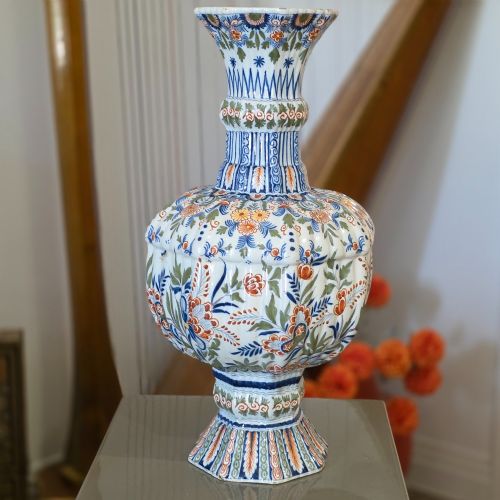
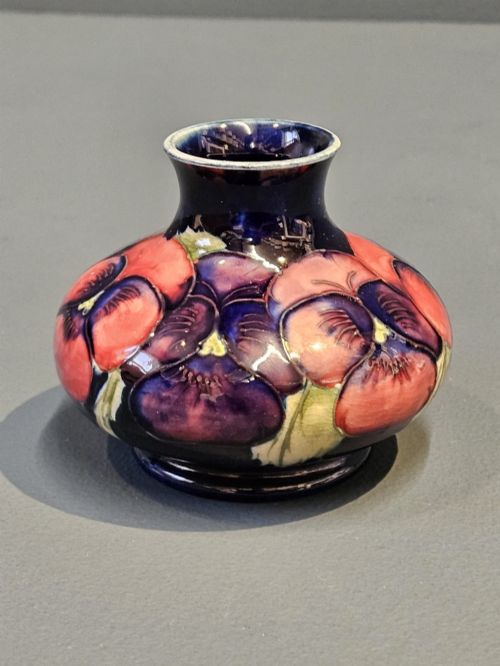
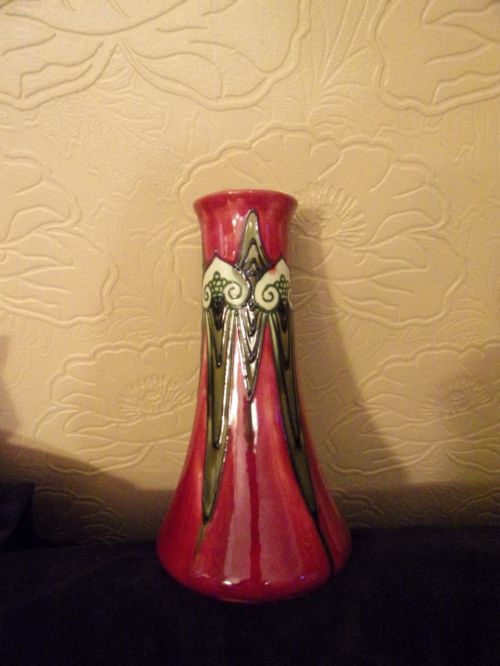
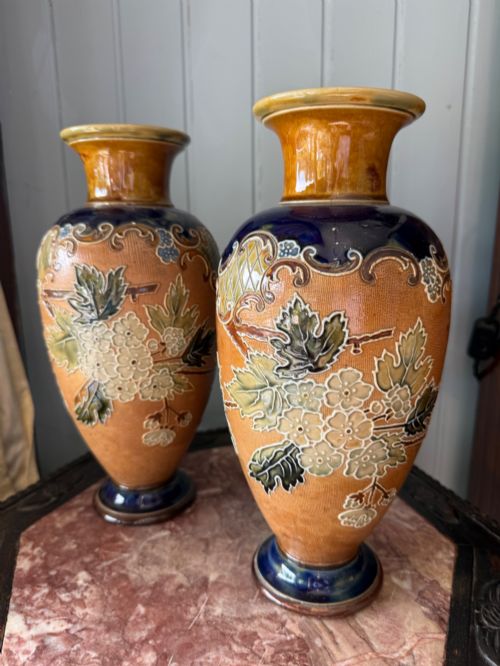
These vintage floral pottery vase examples span centuries of ceramic artistry, offering buyers expressive botanical decoration on earthenware, stoneware, and porcelain.
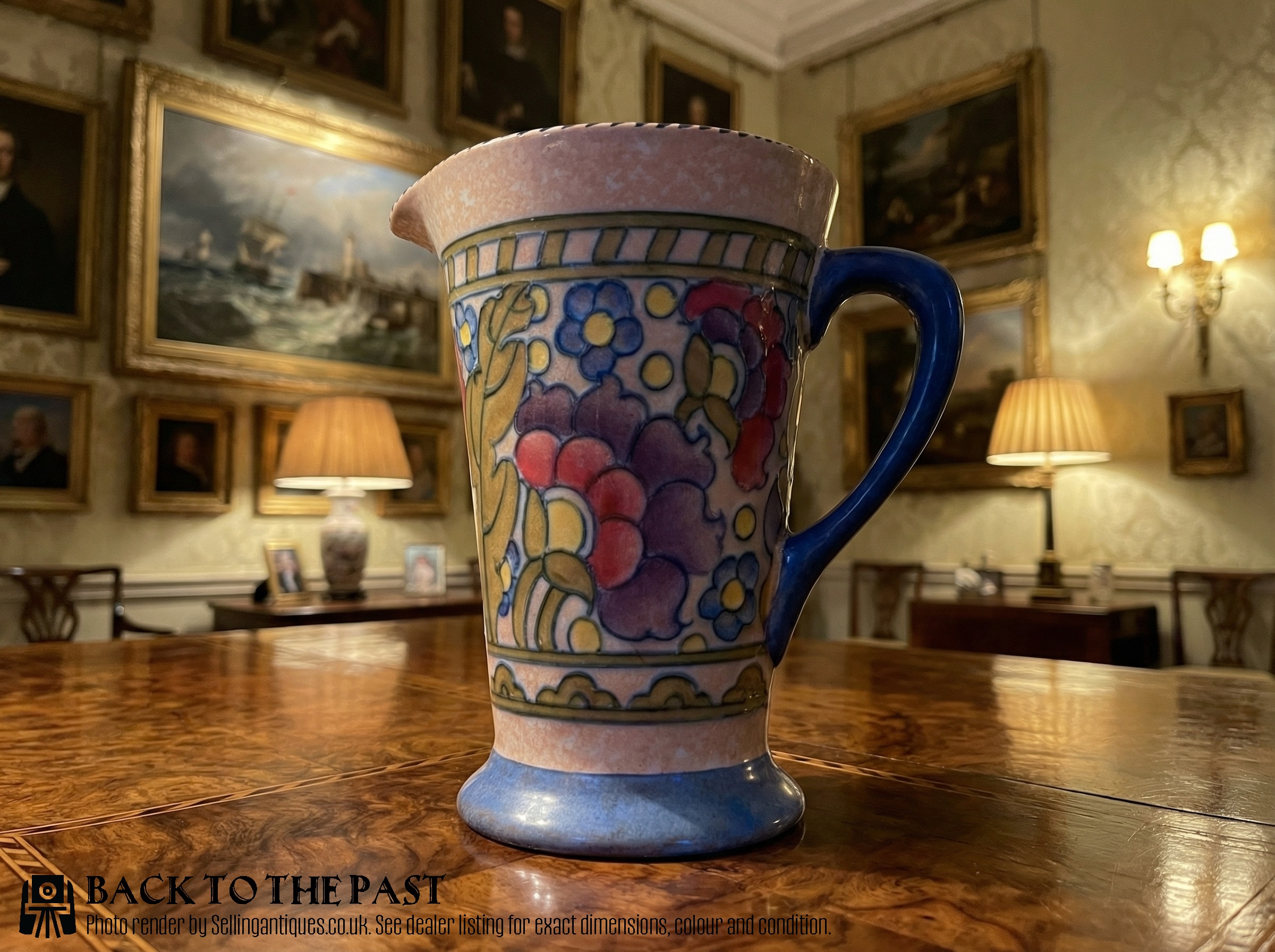
Vintage Floral Pottery Vase
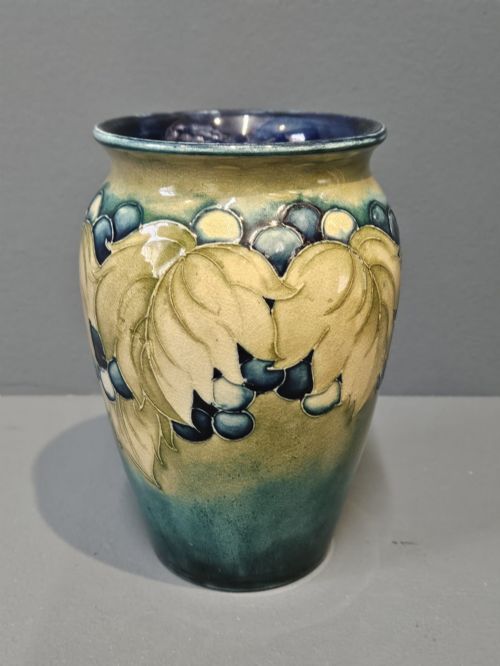
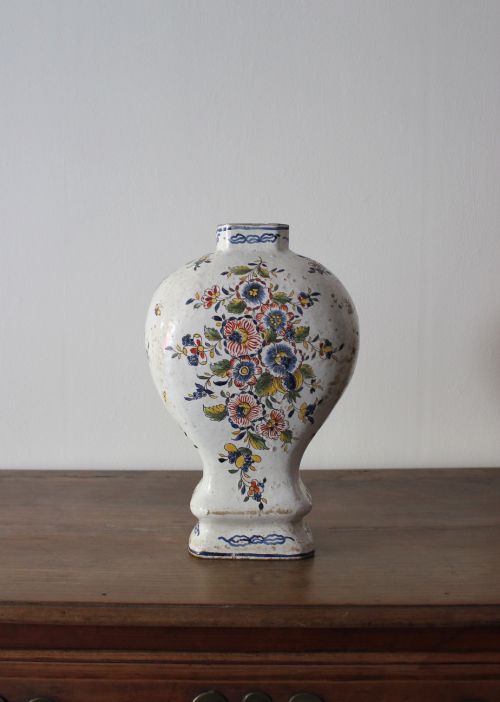
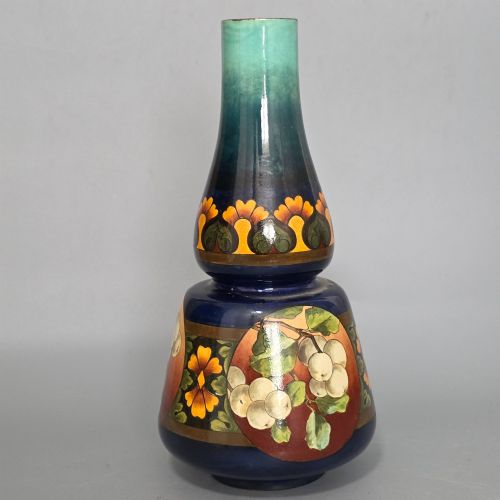
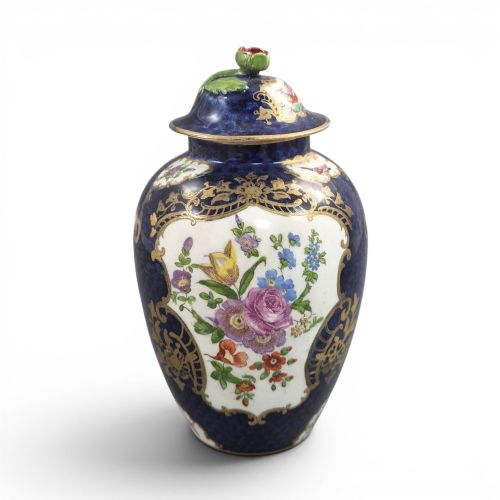
When you search for a vintage floral pottery vase, you encounter a diverse range of decorative vessels originating from the eighteenth, nineteenth, and early twentieth centuries. These pieces display distinct botanical motifs painted, glazed, or tube-lined across various ceramic forms.
The versions you are most likely to meet on this page include earthenware and stoneware pieces decorated during the Arts and Crafts, Art Nouveau, and Art Deco periods. Many examples take the shape of bulbous vessels, lidded jars, or slender-necked jugs.
Makers from Britain, continental Europe, and Asia produced these botanical vessels, utilising traditional pottery techniques suited to their respective eras. The resulting objects function primarily as decorative display items within domestic interiors.
How They Were Made
Potters shaped these vessels using earthenware, stoneware, and porcelain bodies before applying intricate surface treatments. Artisans utilised coloured glazes, enamel paints, and gold leaf highlights to define the floral and foliate motifs.
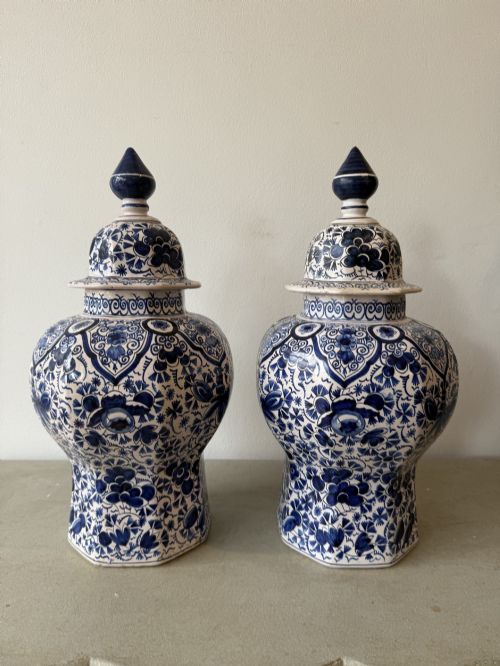
Techniques such as tube-lining, where clay lines create raised outlines for enamel colours, appear frequently among the nineteenth and twentieth-century pieces. Other examples rely on hand-painted cobalt underglazes or transfer-printed grounds beneath clear protective finishes.
Listings feature ceramics spanning the eighteenth, nineteenth, and early twentieth centuries, encompassing earthenware, stoneware, and porcelain.
What Varies in Quality
The standard of a vintage floral pottery vase depends largely on the precision of the decorating hand and the depth of the glaze. Master painters executed botanical details with crisp botanical accuracy and rich, stable colour palettes.
Execution of specialised techniques, such as raised tube-lining or detailed enamel work, dictates the distinction between standard production items and exceptional studio pieces. Well-defined forms with harmonious proportions demonstrate superior ceramic craftsmanship.
Moorcroft·Royal Doulton·Doulton Lambeth·Minton·Ernst Wahliss·Kinkozan·Hakusan·TG Green·Poole Pottery·J R Mally Co
The Vintage Floral Pottery Vase Glossary
- Earthenware
- A porous ceramic body fired at lower temperatures, typically requiring a vitreous glaze to hold liquids.
- Tube-lined
- A decorating technique where a fine line of liquid clay is squeezed onto the ceramic body to form raised compartments for enamel colours.
- Stoneware
- A dense, impermeable ceramic fired at high temperatures until the body vitrifies naturally without heavy glazing.
- Imari
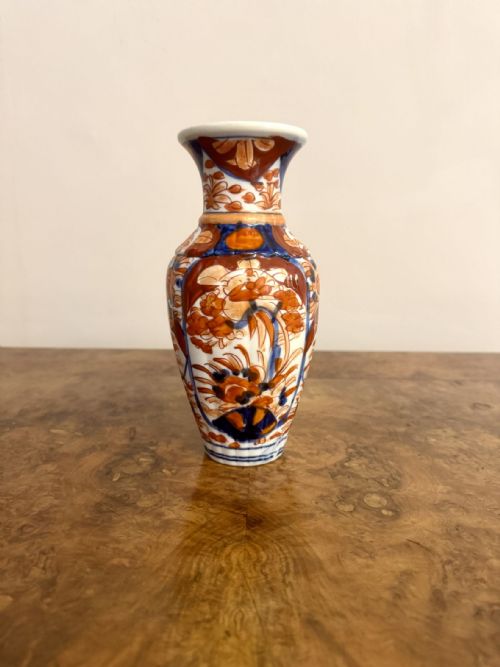
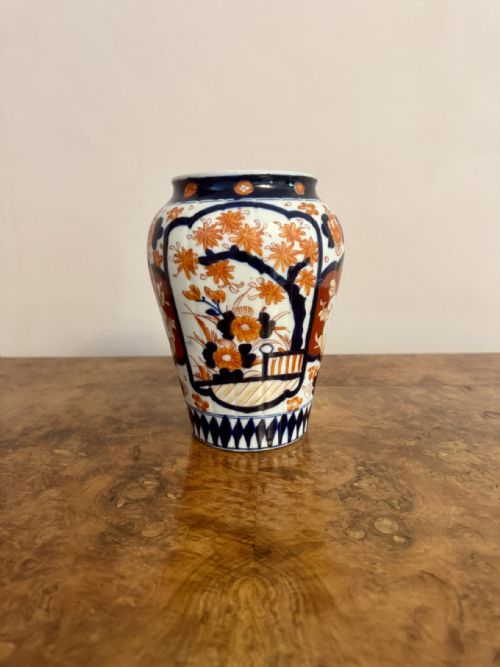
- A style of Japanese porcelain decorated in underglaze blue and contrasting iron red, often augmented with gold leaf.
- Delftware
- Tin-glazed earthenware produced in Britain and the Netherlands, traditionally featuring blue and white botanical paintings.
Vintage Floral Pottery Vase: Frequently Asked Questions
How do I clean an antique floral ceramic vase?
Wash the vessel gently by hand using warm water and a mild detergent. Avoid submerging pieces with exposed porous earthenware bodies for extended periods.
Dry the ceramic thoroughly with a soft cloth to protect delicate enamels and gold leaf highlights from moisture damage.
Are these ceramic vases safe for holding fresh water?
Many stoneware and glazed porcelain vessels remain watertight and suitable for fresh floral arrangements. Earthenware pieces, however, can be porous and may seep moisture through hairline crazing.
Insert a small glass container inside older or fragile vessels if you wish to display fresh stems safely.
How can I identify the period of a decorated ceramic piece?
Examine the base for maker marks, impressed pattern numbers, and stylistic clues that point to specific design movements. Art Nouveau pieces often feature flowing plant tendrils, while Art Deco examples display geometric floral symmetry.
Compare the glaze texture and body material against known production standards from the nineteenth and early twentieth centuries.
What is the difference between earthenware and stoneware vases?
Earthenware is fired at lower temperatures, resulting in a porous body that requires a complete glaze layer to become waterproof. It forms the foundation for many colourful painted wares.
Stoneware is fired much hotter until the clay vitrifies into a dense, stone-like material that resists liquid absorption naturally.