
Vintage Floral Oil Artwork
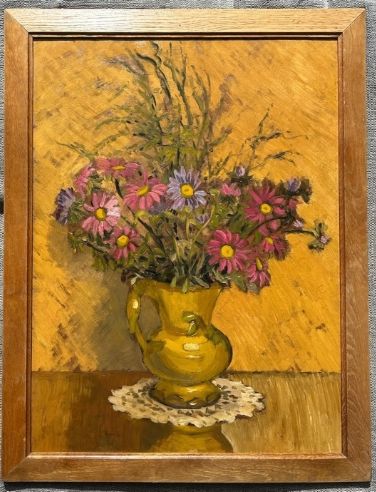
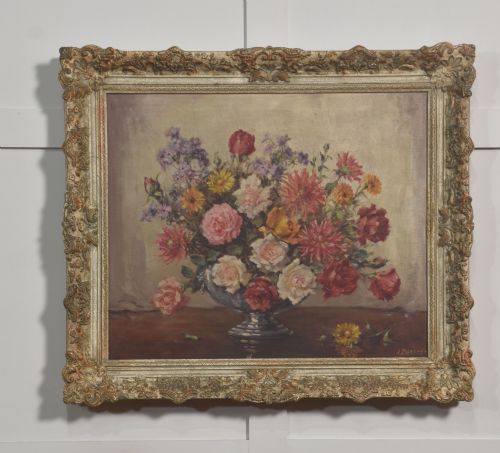
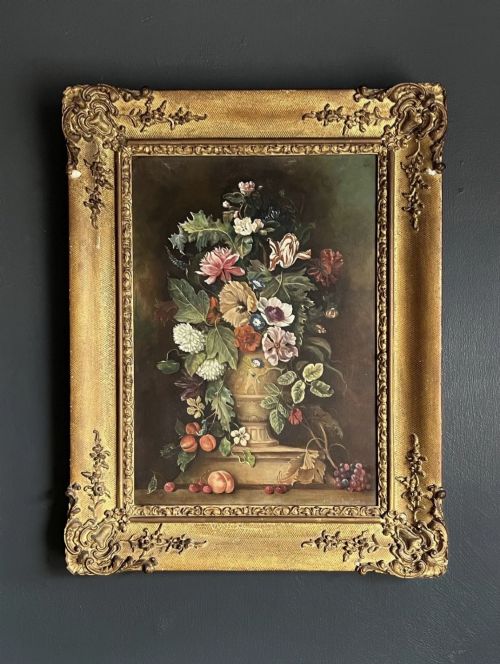
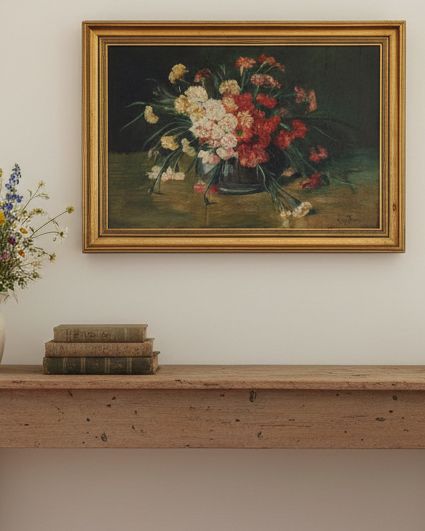
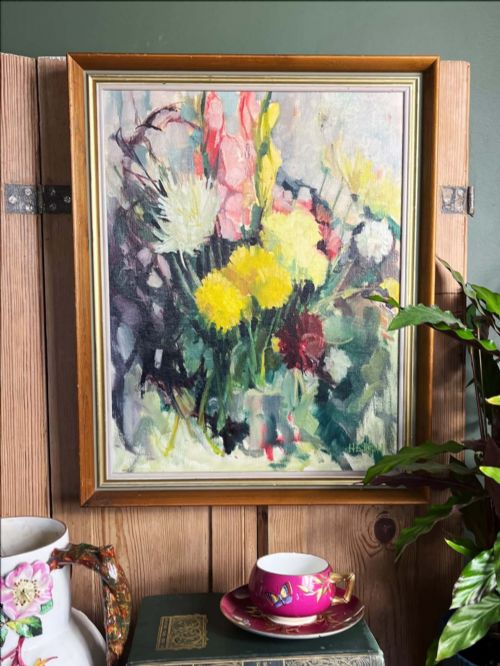
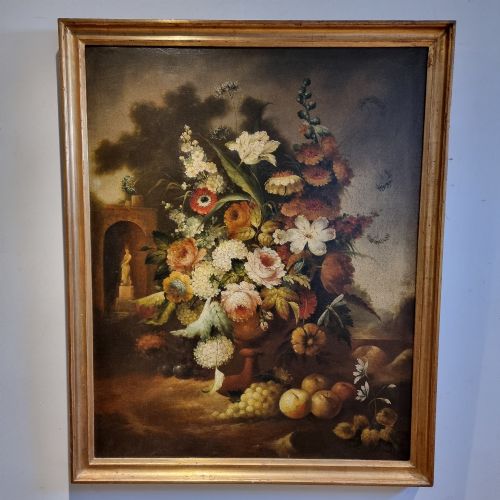
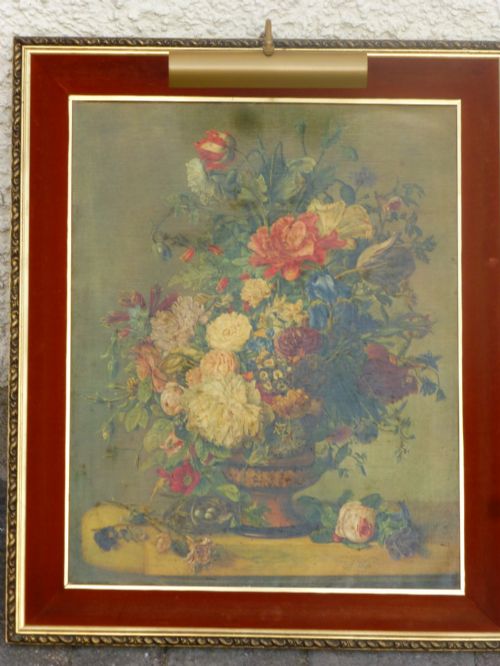
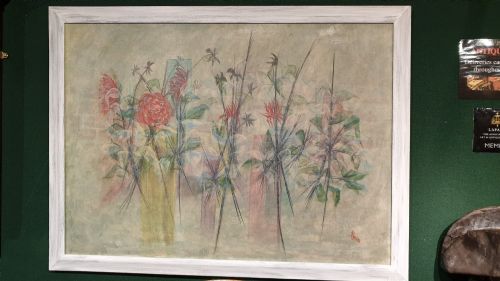
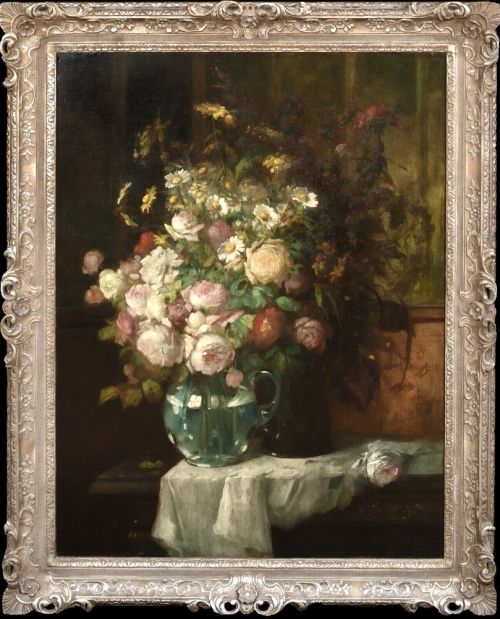
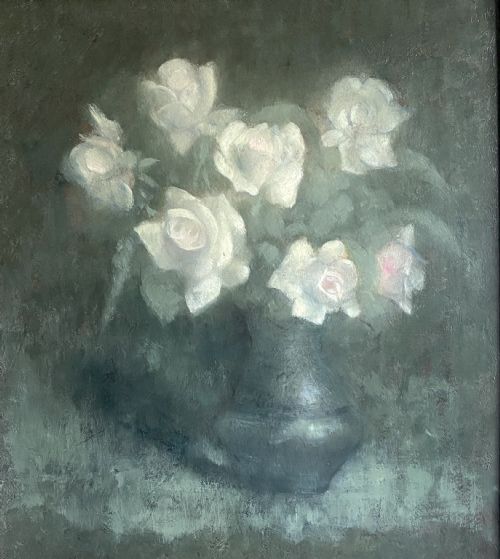
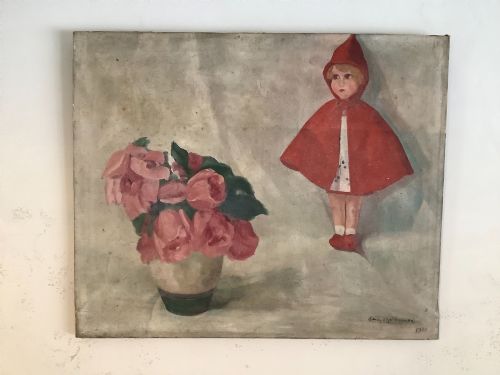
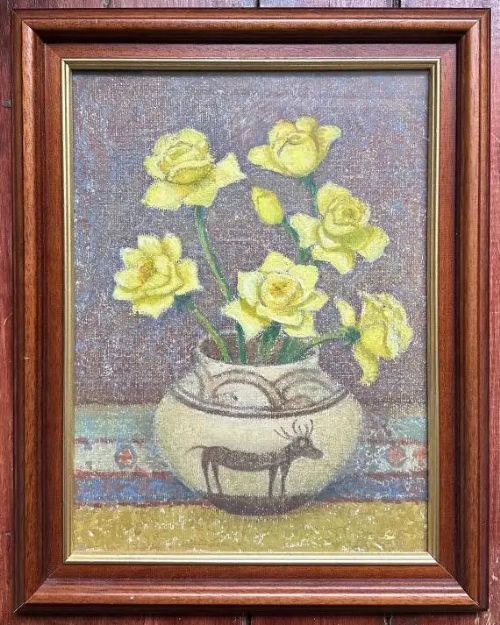
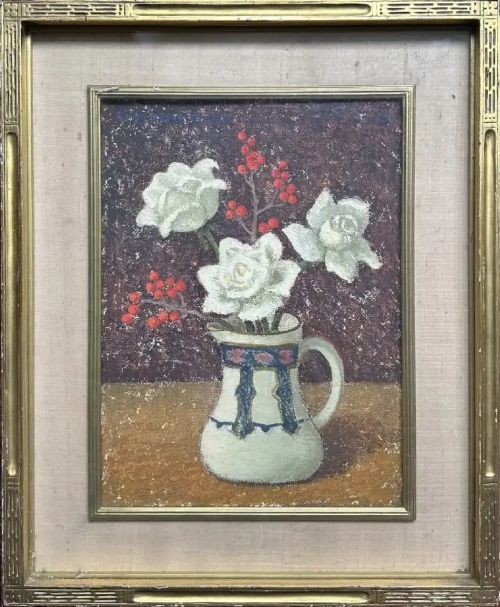
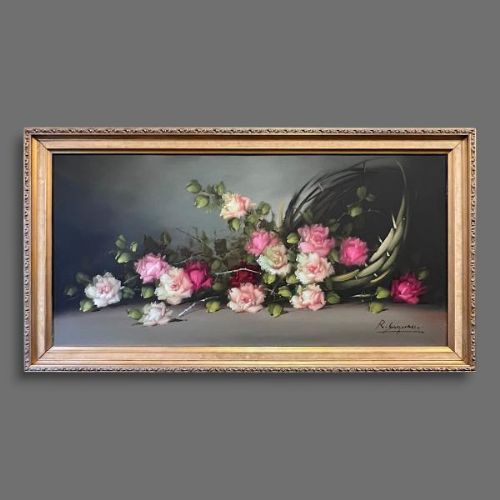
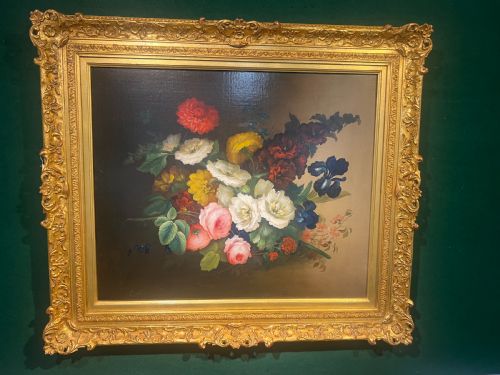
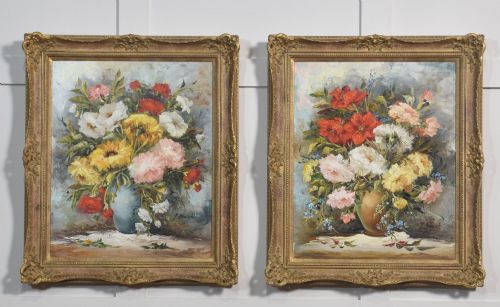
When you search for vintage floral oil artwork, you uncover expressive painted studies of blooms rendered in oil on canvas and board.
Vintage Floral Oil Artwork
Vintage floral oil artwork encompasses painted depictions of flowers created across various twentieth-century movements and earlier historical periods. You will encounter still lifes, interior scenes, and framed studies that showcase traditional arrangements as well as more modern interpretations.
The pieces on this page span from the eighteenth century through to the mid-century modern era, with a strong representation of works from the 1920s, 1930s, and 1950s. These works frequently present blooms in vases, baskets, or domestic interiors executed by artists across Britain, Europe, and America.
Many items lean into impressionist and post-impressionist handling, where loose brushwork takes precedence over rigid botanical accuracy. Others follow Dutch Golden Age styles or adopt a naive approach, offering diverse visual textures for contemporary interiors.
Evaluating quality and execution
Quality rests upon the confidence of the brushwork and the structural harmony of the composition. A strong piece demonstrates deliberate handling of light and shadow across the petals and surrounding vessel, rather than mechanical repetition.
The integration of the subject matter with its frame also influences the overall merit of the piece. Period frames that suit the palette and era of the canvas elevate the presentation significantly.
Listings feature works spanning from the eighteenth century to the mid-twentieth century, executed in oil on canvas and board.
Kenneth Cozens·Emma Fordyce MacRae·William Thomas Wood·Konstantin Stoitzner·Edwin Steele·Owen Bowen
The Vintage Floral Oil Artwork Glossary
- Oil on canvas
- Pigment suspended in a drying oil applied to a stretched fabric support. This traditional method allows for rich blending and textured impasto.
- Gesso
- A plaster-like mixture applied to wood or canvas to prepare a surface for painting, or moulded to create decorative frames. It provides a stable base for the fine art layers.
- Impressionism
- A style of painting characterised by relatively small, thin, yet visible brush strokes and an emphasis on accurate depiction of light. It informs many of the floral works from the late nineteenth and early twentieth centuries.
- Still life
- A work of art depicting mostly inanimate subject matter, typically commonplace objects which may be either natural or man-made. In this context, it centres on cut flowers in vases or baskets.
Vintage Floral Oil Artwork: Frequently Asked Questions
How do I date a floral oil painting?
Dating relies on stylistic clues, the canvas preparation, and the framing materials used by the maker. Mid-century works often show looser impressionist tendencies, whereas earlier examples adhere to stricter academic traditions.
Examining the reverse of the canvas or board can sometimes reveal old gallery labels, exhibition stamps, or inscriptions that pinpoint the era of creation.
Where should I hang a floral oil painting?
These works suit dining rooms, living spaces, and hallways where their rich textures can be appreciated up close. Placing them away from direct sunlight protects the oil pigments and the underlying canvas.
Pairing the warm tones of gilt frames with traditional or eclectic interior decor creates a balanced focal point on any wall.
What is the difference between oil on canvas and oil on board?
Oil on canvas involves stretched fabric that yields slightly to the touch and often displays a woven texture beneath the paint layers. Oil on board uses a rigid wooden or composite substrate that provides a completely firm surface for the artist.
Both methods were common across different periods, with board frequently utilised for quicker plein-air studies or smaller still-life compositions.
How do I clean vintage oil artwork?
Surface dust should be gently removed using a very soft, dry brush without applying pressure to the painted surface. Professional conservators should handle any deep cleaning or removal of aged varnish.
Avoid using water, household cleaners, or chemical solvents directly on the oil paint or the surrounding gilt frame.