



Vintage Floral Illustration
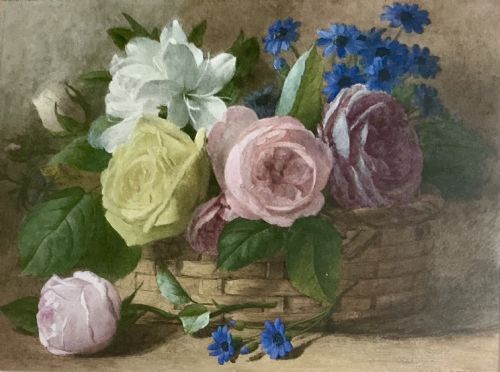
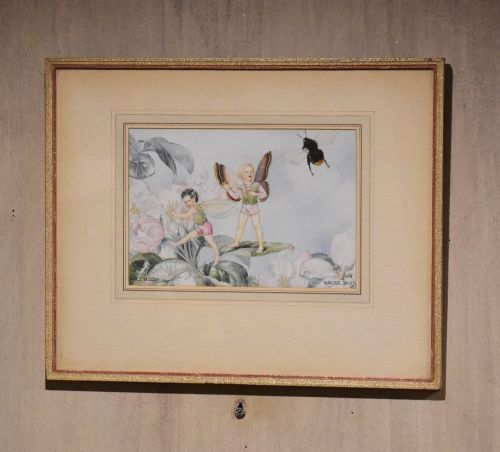
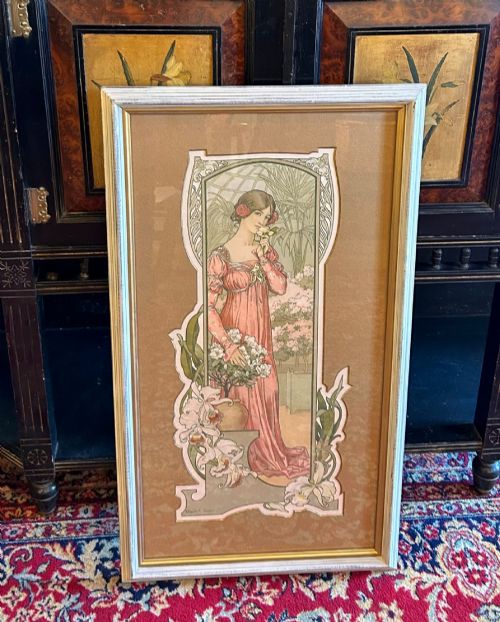
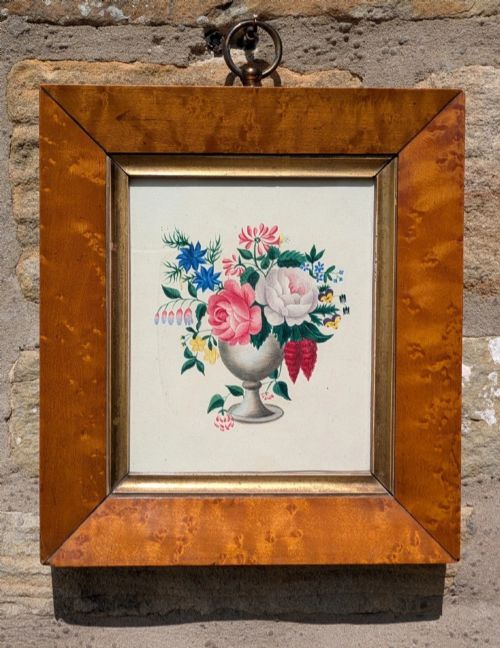
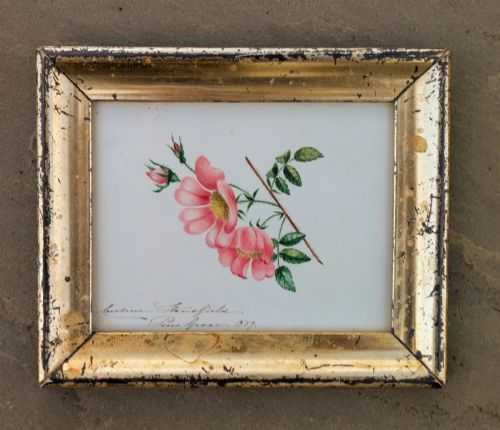
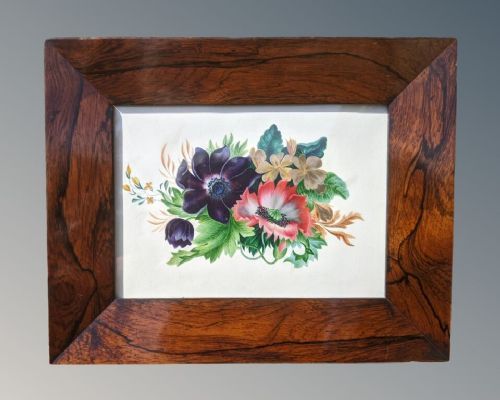
These vintage floral illustration works bring 19th century botanical studies and delicate watercolours straight to your walls.
Vintage Floral Illustration
When you search for vintage floral illustration, you find a collection of botanical studies, still lifes, and hand-coloured engravings spanning the nineteenth century and early twentieth century. These pieces record natural forms through watercolour, gouache, ink, and print on paper, often preserved behind glass within gilt wood or simple frames.
You meet nineteenth century watercolours and sets of botanical engravings most often on this page, alongside Edwardian and Victorian works. Artists and makers recorded wild roses, fuchsias, and azaleas with precise botanical accuracy or artistic still life composition.
How they were made
Artists applied watercolour pigment, gouache, and ink onto paper sheets, sometimes combining pencil with paint to define leaf veins and petal edges. Many plates rely on hand-colouring applied over engraved lines.
Publishers and printmakers used lithography and engraving techniques on paper, occasionally incorporating gold leaf highlights. Framing typically involved wood and gilt wood surrounds under glass to protect the fragile paper medium.
Vintage Floral Illustration Retail Price Guide 2026
Typical asking prices for vintage floral illustration among the pieces listed under this phrase on Sellingantiques today, from the lower quarter to the upper quarter. They describe what is for sale here now, not the wider market.
Materials across these listings include paper, glass, wood, watercolour, gilt wood, watercolour pigment, ink, and gold leaf.
What varies in quality
The precision of the botanical draftsmanship separates the finer watercolours and engravings from simpler decorative prints. Skilled hand-colouring brings depth to engraved plates, whereas hurried application flattens the floral subject.
Condition of the paper and the integrity of the pigment dictate the standing of a piece. Fading from light exposure alters watercolours, while foxing on nineteenth century paper marks lower preservation states.
Elisabeth Sonrel·Catherine Thomas·Henrietta Creswell·Pancrace Bessa·Charlotte Isa James·Alice Macallan Swan·John Curtis·Edith Alice Andrews·Georg Wolfgang Knorr·M.K Rhodes·Arthur H Buckland·Minnie Smythe·George Dionysius Ehert
The Vintage Floral Illustration Glossary
- Lithography
- A planographic printing method using a stone or metal plate to transfer ink onto paper. This technique produced many of the detailed botanical prints and tile designs seen in nineteenth century portfolios.
- Gouache
- An opaque water-based paint containing pigment and a binding agent, often mixed with watercolour in botanical studies. It provides heavier coverage and solid colour for petal highlights.
- Engraving
- A printmaking process where an artist cuts lines into a metal plate to hold ink for stamping onto paper. Hand-coloured engravings combined this linear precision with painted washes.
- Botanical study
- A precise visual recording of plant anatomy, structure, and colour intended for scientific documentation or aesthetic display. These studies range from single specimen sheets to multi-plate sets with insects.
Vintage Floral Illustration: Frequently Asked Questions
What is a vintage floral illustration?
A vintage floral illustration is a paper-based artwork depicting flowers, plants, and botanical subjects through watercolour, engraving, or lithography. These pieces date from the eighteenth century through to the 1930s.
They capture natural specimens with artistic skill or scientific precision, serving as wall art when framed in wood or gilt wood.
How do I hang and display these watercolours?
Display these framed watercolours and prints away from direct sunlight to prevent the pigments and paper from fading over time. Maintain stable indoor humidity to protect the paper medium and wooden frames.
Group sets of botanical studies together on a wall to replicate the curated look of a nineteenth-century study or natural history collection.
How can I tell an original watercolour from a print?
Examine the surface of the paper closely under magnification to check for the raised texture of brushstrokes and pigment pooling in watercolours. Prints display regular dot patterns from lithography or fine ink lines pressed into the paper from engraved plates.
Hand-coloured engravings combine printed lines with visible brushwork where pigment was added by hand after the printing process.
Are these pieces sold with their frames?
Many works come preserved in period frames made of wood or gilt wood, often set behind protective glass. Some items are supplied as individual unframed sheets or complete sets from historical publications.
Check the listing details to confirm whether the artwork retains its original period mount and frame or requires new framing.