



Vintage Floral Display Plate
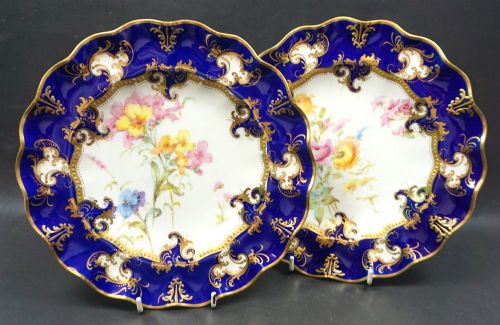
A vintage floral display plate brings hand-painted colour and pattern straight to the wall or cabinet.
Vintage Floral Display Plate
When searching for a vintage floral display plate, buyers encounter a broad mix of periods ranging from the eighteenth century to the mid-twentieth century. These pieces encompass decorative plates, chargers, and cabinet plates designed primarily for exhibition rather than daily dining.
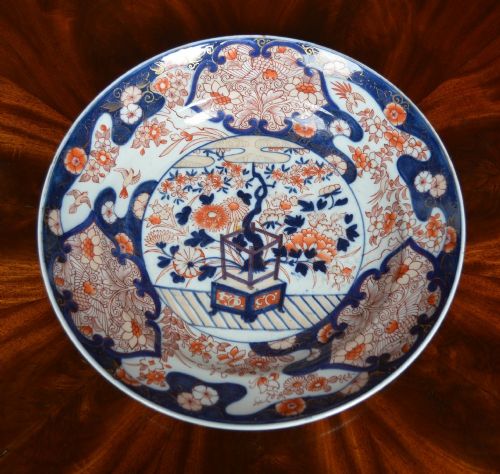
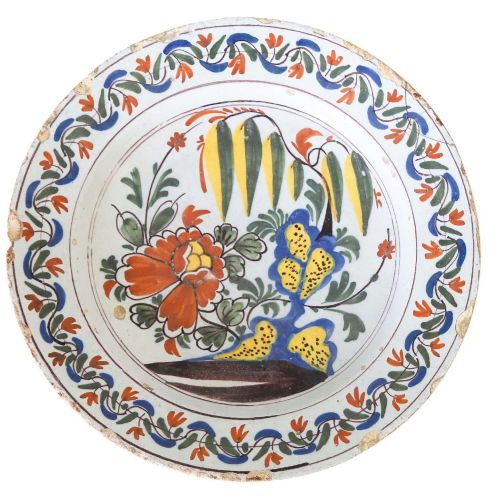
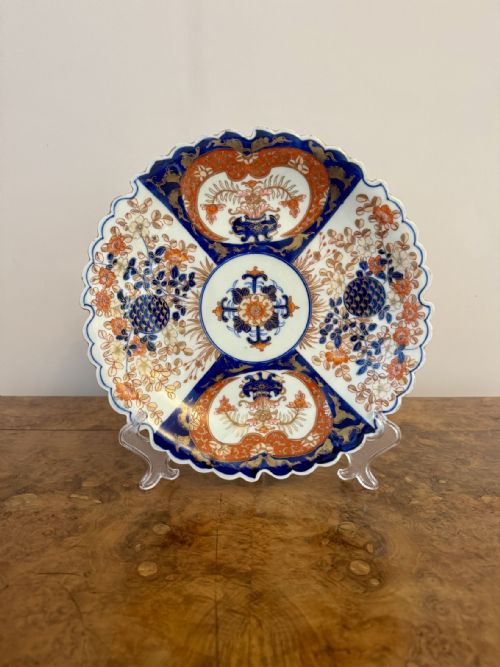
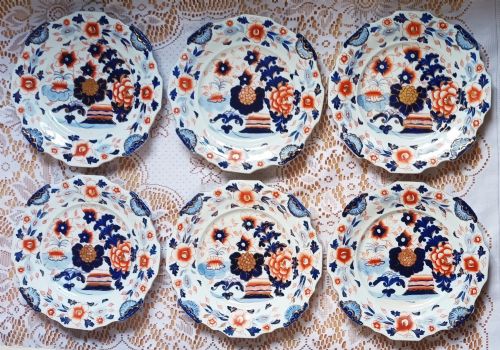
The most common examples on this page stem from Japanese Imari production around nineteen hundred, alongside eighteenth-century Dutch and English delftware chargers. Many items feature hand-painted botanical or traditional floral motifs across porcelain, earthenware, and ironstone.
Other variations include French Sevres porcelain, English Georgian ironstone, and Meissen wares, offering square, scalloped, and circular formats. Each object relies on its painted ornament to serve as a focal point in a room.
Materials and methods behind the decoration
Potters built these plates using porcelain, earthenware, and tin-glazed bodies, applying glazes and enamel pigments by hand. Many pieces integrate gold leaf, gilt, or silver plating to highlight borders and central floral arrangements.
Techniques such as Grand Feu firing and tin-glazing allowed makers to fix polychrome pigments and manganese details firmly into the surface. Ironstone and porcelain provided durable bases capable of holding rich, multi-coloured botanical designs.
Several plates manage to keep their cobalt blue and iron-red flowers bright after surviving centuries of dinners and displays.
Distinctions in craftsmanship and finish
Quality rests upon the precision of the hand-painting and the clarity of the glaze across the face of the plate. Finer examples display meticulous brushwork in floral patterns, balanced compositions, and well-preserved gilding.
The choice of body material also marks a difference, with high-fired porcelain and early tin-glazed earthenware showing greater refinement than standard utilitarian earthenwares. Maker attribution and the complexity of the palette further elevate certain pieces above standard production.
Royal Crown Derby·Elkin & Newbon·Meissen
The Vintage Floral Display Plate Glossary
- Charger
- A large decorative plate traditionally used for display on a wall, sideboard, or dresser rather than for serving food. These items measure larger than standard dining plates.
- Imari
- A style of Japanese export porcelain featuring deep blue, iron-red, and gilt decoration. The patterns typically incorporate floral and botanical motifs.
- Tin-Glazed Earthenware
- Pottery covered with an opaque white glaze containing tin oxide, providing a smooth surface for hand-painted polychrome decoration. Delftware belongs to this group.
- Cabinet Plate
- A decorative plate intended for exhibition within a display cabinet or on a shelf. These often exhibit superior artistic finish.
- Ironstone
- A heavy, durable type of earthenware patented in the nineteenth century. It mimics porcelain strength and takes transfer-printed or hand-painted floral designs effectively.
Vintage Floral Display Plate: Frequently Asked Questions
How do I hang a heavy charger safely?
Heavy chargers and display plates require sturdy wall brackets or spring-loaded plate hangers designed to distribute weight evenly across the rim. Ensure the fixing secures directly into wall studs or masonry rather than plaster alone.
Check the hanger periodically to confirm the grip remains secure. Avoid placing display plates in high-traffic hallways where accidental bumps might dislodge them.
Can I use these plates for serving food?
Most antique display plates and chargers are intended strictly for decorative purposes. Older glazes on earthenware and delftware may contain materials unsuited for modern culinary use.
Hand-painted enamels and delicate gilding can also suffer damage from cutlery and washing. Enjoy these pieces as visual art on walls, cabinets, or plate racks.
How do I tell Imari patterns apart?
Imari patterns rely on a distinctive palette of underglaze cobalt blue and iron-red, frequently accented with gold leaf. The designs usually feature dense floral arrangements, landscapes, and panel motifs.
Japanese examples from the Meiji period and earlier show distinct brushwork variations compared to later European imitations. Look closely at the paste and glaze underneath to identify the period.