







Vintage Floral Ceramic
Vintage floral ceramic pieces bring painted botanical colour into rooms through porcelain, earthenware, and enamel work.
Vintage Floral Ceramic
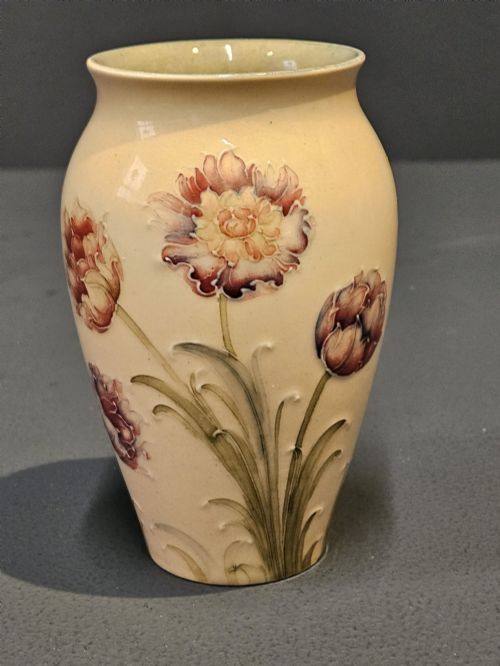
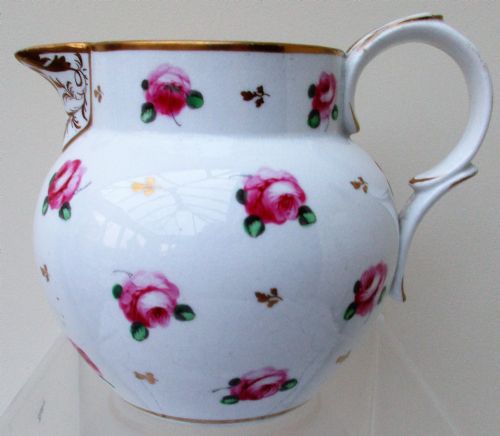
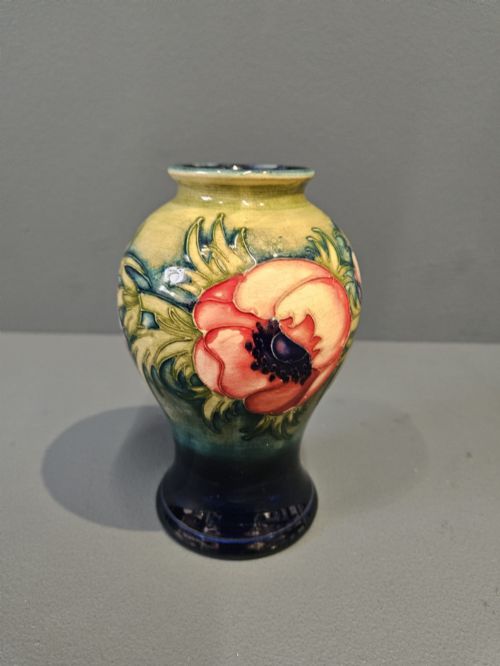
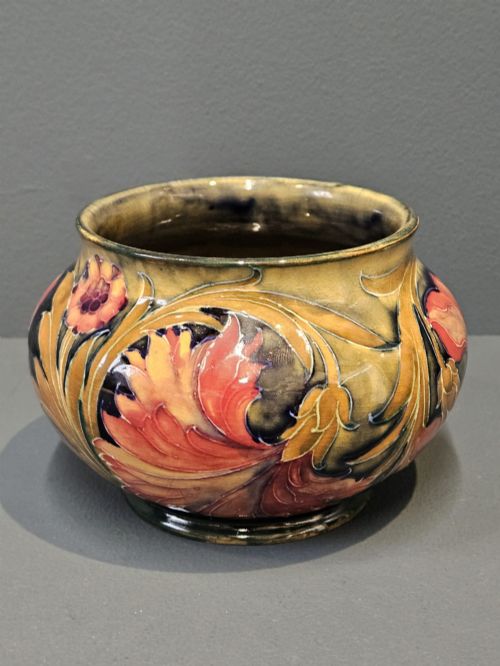
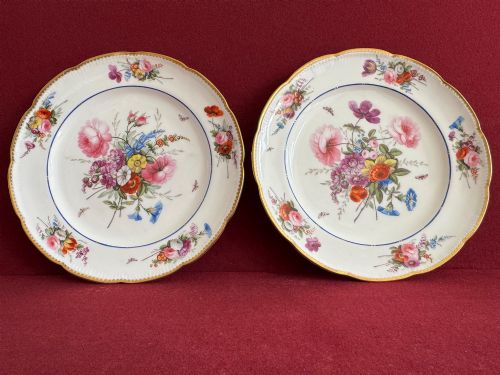
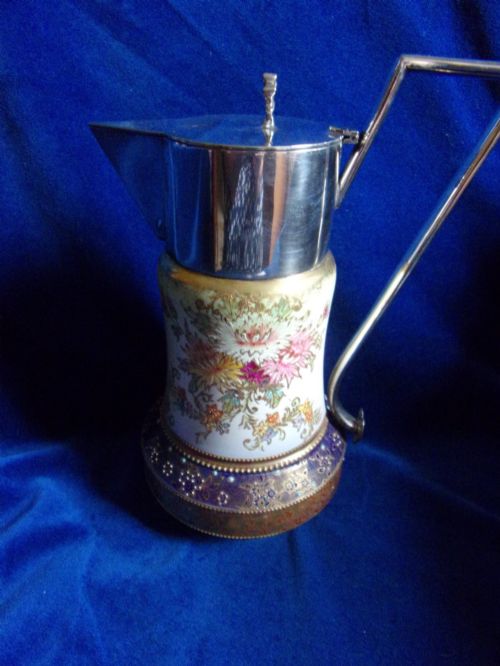
Vintage floral ceramic items encompass vases, bowls, plates, and lamps decorated with botanical motifs spanning from the eighteenth century to the early twentieth century. When searching for vintage floral ceramic examples, buyers encounter English potteries, continental manufactories, and Japanese wares created across multiple periods.
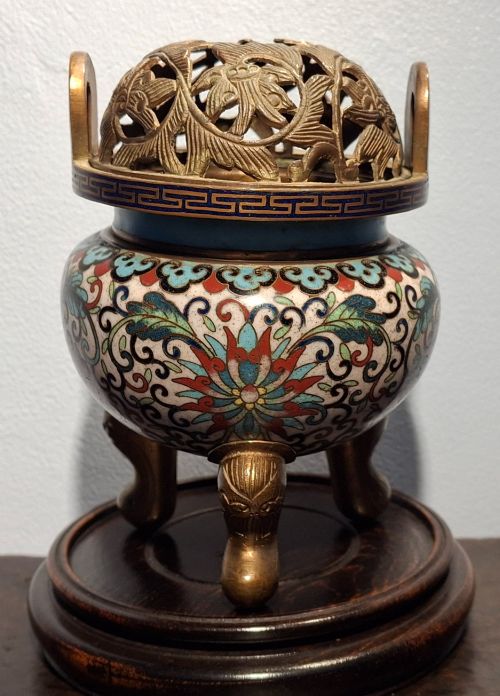
The selection ranges from early tin-glazed chargers and soft-paste porcelain plates to sturdy earthenware jugs, jardiniere planters, and stoneware lamps. Victorian and Edwardian factory productions sit alongside earlier Georgian pieces and Japanese Imari or cloisonné objects.
How they were made
Potters and ceramists shaped porcelain, earthenware, and stoneware bodies by hand, on the wheel, or in moulds before applying glazes and metal oxides. Enamel colours and underglaze pigments were hand-painted or transferred onto the ceramic surface.
Firing took place in kilns at high temperatures to fuse the vitreous glazes and fixed enamels to the clay body. Guilds and factories incorporated gilding with gold leaf, tube-lining, and specialised grounds such as celadon or rose pompadour.
Vintage Floral Ceramic Retail Price Guide 2026
Typical asking prices for vintage floral ceramic among the pieces listed under this phrase on Sellingantiques today, from the lower quarter to the upper quarter. They describe what is for sale here now, not the wider market.
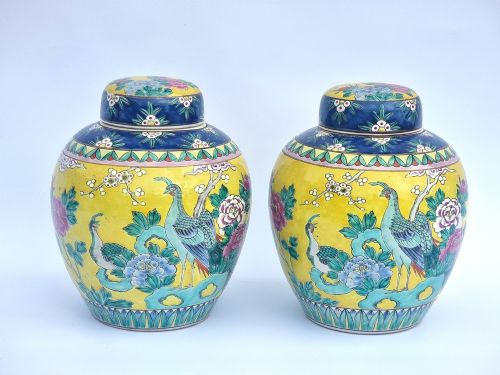
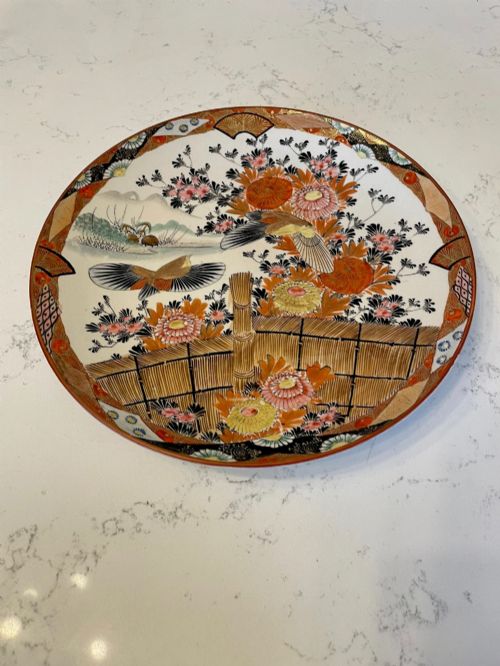
Several pieces feature cheerful garden birds sharing space with floral sprays.
What varies in quality
Quality rests in the precision of the hand-painted botanical detail and the clarity of the underlying glaze. Pieces decorated by named artists or produced in renowned workshops display superior brushwork and compositional balance.
The weight, stability, and crispness of moulded details differentiate standard factory output from exceptional cabinet pieces. Well-preserved gilding and intact enamel surfaces maintain the intended visual impact of the design.
Royal Doulton·Spode·Moorcroft·Minton·Royal Worcester
The Vintage Floral Ceramic Glossary
- Enamel
- Opaque vitreous composition fused to metal, glass, or ceramic surfaces through firing. It provides vibrant colour decoration on vessels and plates.
- Porcelain
- White, vitrified, translucent ceramic material composed of kaolin and petuntse. It rings when struck and allows for delicate, thin-walled vessels.
- Earthenware
- Porous, opaque pottery fired at lower temperatures than porcelain or stoneware. It requires a glazed surface to hold liquids.
- Imari
- Japanese export porcelain style featuring cobalt blue underglaze combined with iron red, gold, and green overglaze enamels. The palette creates rich visual density.
- Tube-lining
- Ceramic decoration technique using a bulb or nozzle to squeeze raised lines of clay slip onto a body. Glazes pool in the resulting compartments to form distinct colour fields.
Vintage Floral Ceramic: Frequently Asked Questions
Are these ceramic items safe for food use?
Many older ceramic glazes contain lead or other heavy metals that can leach into acidic foods or liquids. Historic tablewares are best reserved for display or dry storage.
Inspect pieces for hairline cracks where bacteria might accumulate over time. Enjoy them as decorative objects rather than active kitchenware.
How can I date my ceramic piece?
Examine the base for factory stamps, painted marks, registration numbers, or impressed ciphers. Reference books and pottery marks guides match these symbols to active production years.
Consider the manufacturing technique, clay body, and style of decoration as supporting clues. Georgian, Victorian, and Edwardian items each carry distinct characteristics.
Where should I display floral ceramics?
Place vases and bowls away from direct, harsh sunlight to prevent the fading of hand-painted enamel colours. Ensure shelves or tables offer sturdy, level support for heavier stoneware lamps and jardiniere planters.
Keep them clear of high-traffic walkways where accidental knocks might occur. Grouping pieces by period or palette highlights their shared botanical themes.