


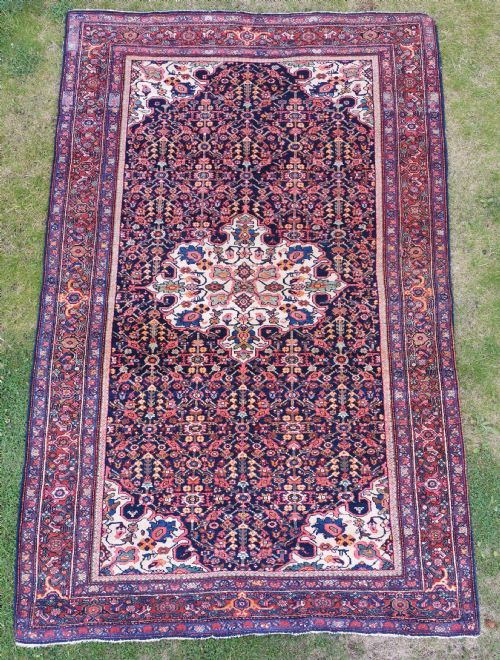
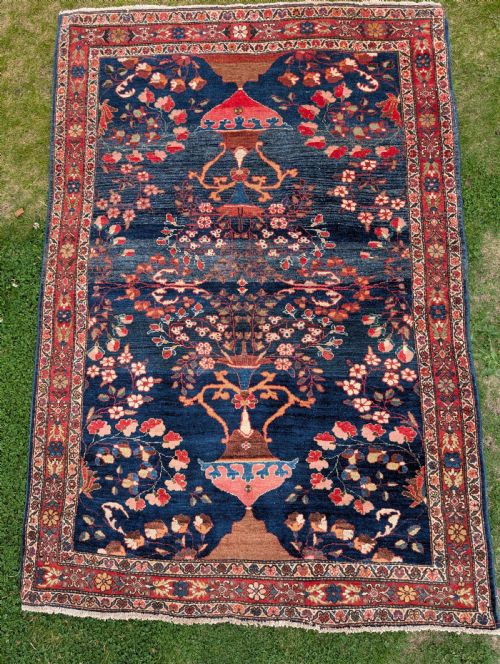
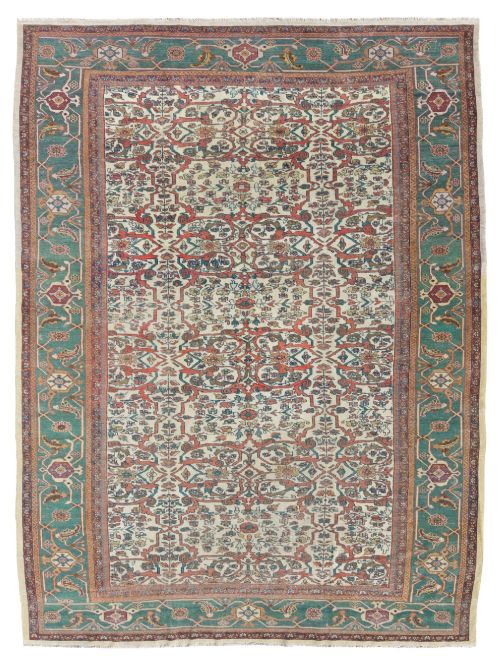
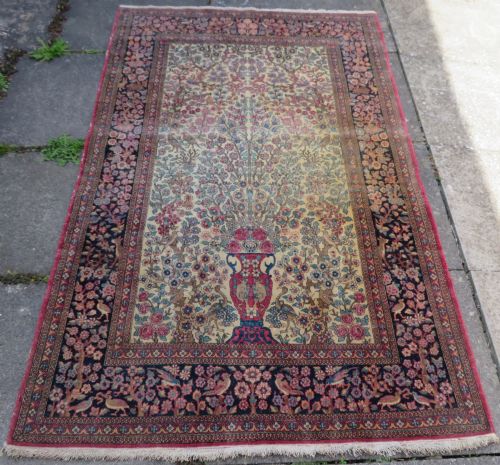
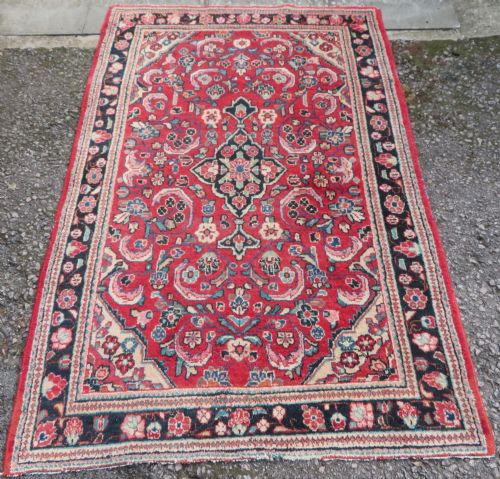

Vintage Floral Carpet
A vintage floral carpet brings rich botanical patterns and historical depth into a room, offering enduring warmth and distinct character.
Vintage Floral Carpet
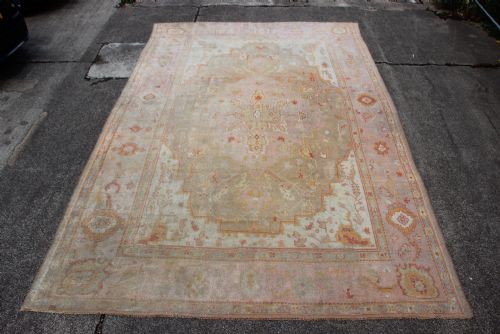
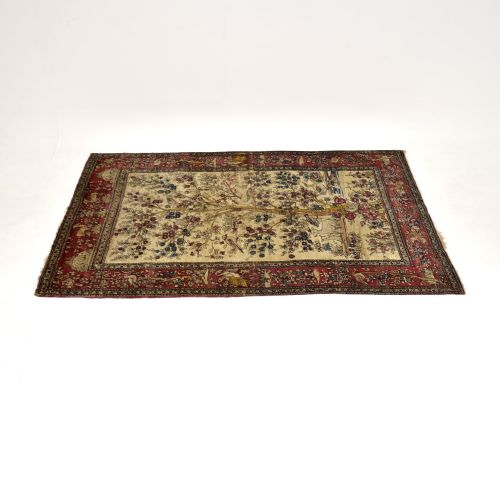
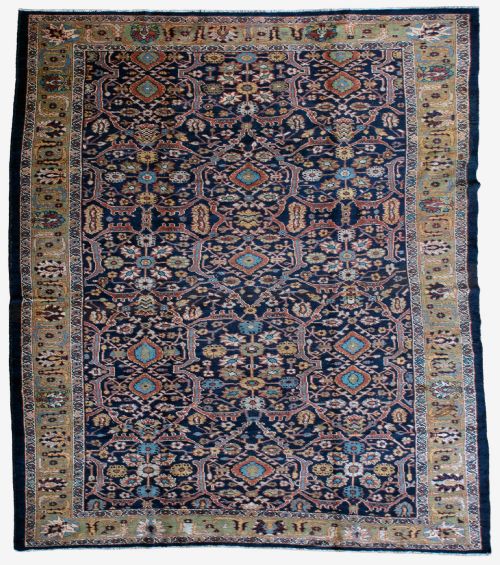
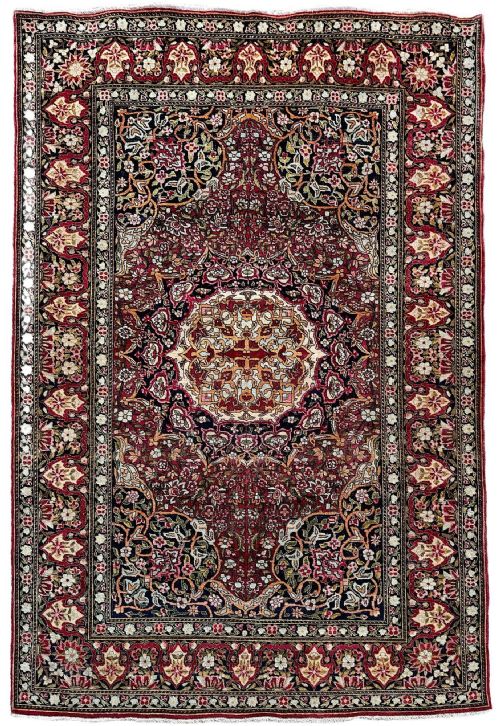
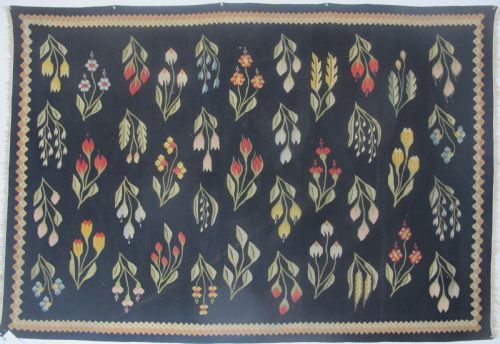
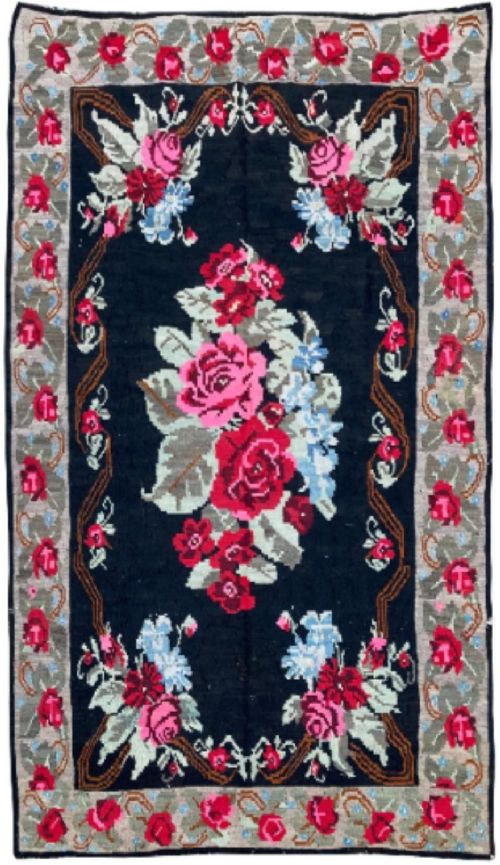
A vintage floral carpet represents a diverse group of woven floor coverings and wall hangings originating from various international traditions. When searching for a vintage floral carpet, buyers encounter formats ranging from small hearth rugs and runners to room-sized carpets and tapestries.
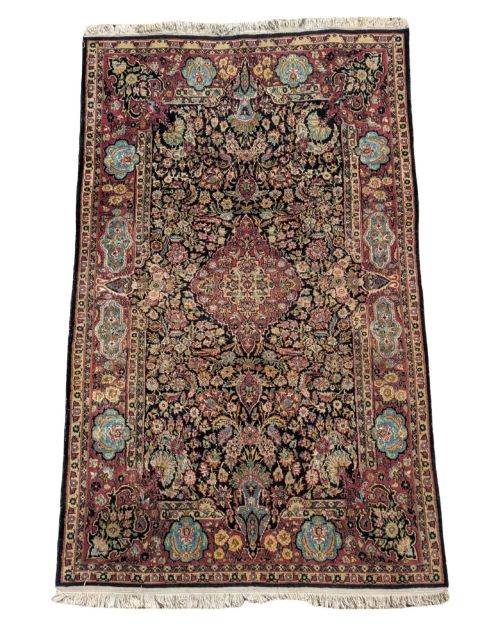
The selection includes Persian styles such as Heriz, Mahal, Bakhtiar, Saroukh, and Isfahan, alongside Caucasian, Ottoman, and Eastern European folk art pieces. These items date across multiple decades from the mid-nineteenth century through the mid-twentieth century.
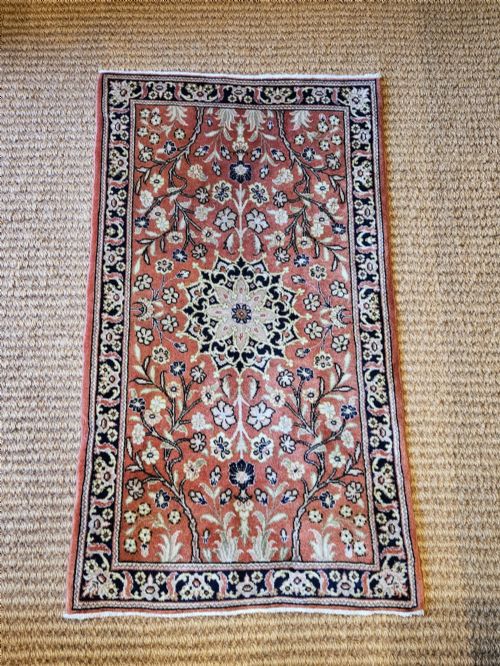
Most examples display botanical motifs, floral lattice designs, and tree of life patterns executed in various scales. Buyers frequently select these floor coverings to anchor sitting rooms, hallways, and dining spaces with traditional woven artistry.
How they were made
These textiles utilise natural materials including wool, cotton, silk, and canvas as foundations and pile yarns. Artisans knotted or wove these fibres by hand, often incorporating silk highlights to add definition and sheen to specific floral details.
Weavers constructed structural warps and wefts using sturdy cotton or wool, ensuring stability across large room-sized carpets and smaller scatter rugs alike. Dying processes relied on traditional methods to achieve lasting colour palettes across diverse regional workshops.
Vintage Floral Carpet Retail Price Guide 2026
Typical asking prices for vintage floral carpet among the pieces listed under this phrase on Sellingantiques today, from the lower quarter to the upper quarter. They describe what is for sale here now, not the wider market.
The inventory spans production dates from eighteen-fifty through nineteen-forty.
What varies in quality
Knot density and the precision of the botanical drawing separate finer examples from standard production. Artisans who invested greater time in execution achieved sharper floral outlines and more complex lattice compositions.
The choice of materials also dictates the grade, with specific pieces integrating fine silk highlights or superior wool grades that retain resilience and tactile appeal. The harmony of the dye palette and the integrity of the original format influence the overall calibre of the textile.
The Vintage Floral Carpet Glossary
- Kilim
- A flat-woven carpet or rug produced without a pile. These pieces rely on interlocking weft techniques to create geometric and floral designs.
- Prayer rug
- A small rug featuring a mihrab or niche design, traditionally used for individual prayer. Dagestan examples often showcase this specific format.
- Runner
- A long, narrow carpet format designed for corridors, staircases, and hallways. These pieces balance linear dimensions with repeating decorative motifs.
- Tapestry
- A form of textile art woven by hand on a loom, intended primarily for wall hanging rather than floor use. Romanian examples illustrate this tradition.
- Tree of life
- A symbolic botanical motif depicting a central tree branching out with floral and animal elements, representing eternal life.
- Foundation
- The underlying structure of a woven textile, consisting of warp threads running lengthwise and weft threads running across the width.
Vintage Floral Carpet: Frequently Asked Questions
How do I clean a vintage floral carpet?
Gentle vacuuming without a beater bar removes loose surface dust safely. Professional specialist cleaning remains essential for addressing deeper soil without damaging natural fibres.
Water exposure requires immediate attention to prevent dye migration or wool distortion. Regular rotation helps distribute foot traffic evenly across the surface.
Are these carpets suitable for heavy foot traffic?
Wool and cotton constructions possess natural durability that withstands regular walking in hallways and living rooms. Using an appropriate underlay prevents slipping and cushions the fibres against hard floors.
Delicate silk highlights require placement in low-traffic areas to preserve their sheen. Regular maintenance ensures these textiles endure daily domestic use.
How can I identify the regional origin?
Weaving structures, knot types, and specific floral motifs often point toward particular districts such as Heriz, Mahal, or Oushak. Palette choices and border designs provide further clues regarding geographic provenance.
Comparing structural details helps distinguish between Persian workshops and Caucasian or European folk art traditions. Expert appraisal confirms specific regional attributions.
Where should I place a runner rug?
Runners suit narrow spaces such as hallways, corridors, and galley kitchens where linear floor coverage is necessary. They also function effectively alongside beds or in entryways.
Proper measurement ensures the rug leaves an even border of exposed flooring around the edges. Securing the piece with an anti-slip underlay keeps it flat and stable.